
Crispy Baked Haddock? Tried & True Recipe
There’s something magical about perfectly baked haddock—the delicate white flesh that flakes effortlessly at the touch of a fork, combined with a golden, crispy exterior that shatters between your teeth. This baked haddock recipe has become a staple in kitchens across the country because it delivers restaurant-quality results without requiring advanced culinary skills or hours in the kitchen. Whether you’re preparing a weeknight dinner for your family or impressing guests at a dinner party, this method ensures consistently excellent outcomes every single time.
What makes this recipe truly special is its simplicity combined with the science of proper technique. By understanding how heat interacts with fish, when to add your seasonings, and how to achieve that coveted crispy coating, you’ll transform basic haddock fillets into a dish that tastes like it came from a professional seafood restaurant. The best part? You’ll have dinner on the table in under thirty minutes, making this an ideal solution for busy weeknights when you want something healthy and delicious.
Why Haddock is Perfect for Baking
Haddock stands out among white fish varieties for several compelling reasons that make it ideal for baking. This fish contains moderate fat content—enough to keep the flesh moist during cooking, but not so much that it becomes greasy or overpowering. The delicate flavor profile allows seasonings and coatings to shine without overwhelming the natural taste, which is why even simple preparations yield impressive results.
The texture of haddock is another significant advantage. Unlike denser fish varieties that require longer cooking times, haddock cooks quickly and evenly in the oven. This means you can achieve perfectly cooked fish with a moist interior and crispy exterior in just 12-15 minutes at the right temperature. The mild flavor also makes haddock incredibly versatile—it pairs beautifully with crusty bread for soaking up pan juices, and complements both light lemon-based sauces and richer butter preparations.
From a nutritional standpoint, haddock is an excellent protein source that’s low in calories and high in essential nutrients like selenium, vitamin B12, and omega-3 fatty acids. This makes your crispy baked haddock not just delicious, but genuinely good for you—a rare combination in comfort food.
Essential Ingredients and Their Roles
Creating the perfect baked haddock requires understanding how each ingredient contributes to the final dish. Let’s break down what you’ll need:
- Fresh Haddock Fillets (1.5-2 lbs): Look for fillets that are bright white with no discoloration. They should smell like the ocean, not fishy—a strong fish smell indicates age. Pat them completely dry before cooking; moisture is the enemy of crispiness.
- Panko Breadcrumbs (¾ cup): These Japanese-style breadcrumbs create an exceptionally crispy coating because of their larger, flakier structure. Unlike regular breadcrumbs, panko creates visible texture and doesn’t compress into a dense crust.
- Butter (4 tablespoons): Melted butter acts as both a binder for your coating and a source of richness and flavor. It helps the breadcrumbs brown evenly and prevents them from burning while keeping the fish moist beneath.
- Parmesan Cheese (¼ cup): Finely grated Parmesan adds umami depth, helps the coating brown faster, and contributes to that golden-brown exterior. Use freshly grated cheese for superior melting and flavor.
- Lemon: Fresh lemon juice brightens the fish and cuts through richness. The acidity also helps preserve the delicate flavor and adds complexity to the overall dish.
- Garlic (2-3 cloves): Minced garlic adds aromatic depth without overpowering the subtle fish flavor. You can adjust the quantity based on your preference and garlic tolerance.
- Paprika (½ teaspoon): This spice adds subtle sweetness, warmth, and visual appeal. Smoked paprika works beautifully if you want additional depth.
- Salt and Black Pepper: These fundamentals enhance all other flavors. Use kosher salt for better control over seasoning.
Optional additions that elevate the dish include fresh herbs like dill, parsley, or tarragon; a pinch of cayenne for heat; or a touch of Old Bay seasoning for a classic seafood flavor profile.

Step-by-Step Preparation Guide
Proper preparation is where this recipe separates good results from exceptional ones. Here’s exactly how to prepare your haddock for baking:
- Prepare Your Workspace: Remove haddock fillets from the refrigerator about 10 minutes before cooking. They’ll cook more evenly if they’re not ice-cold. Set up three shallow bowls: one with flour, one with beaten egg, and one with your breadcrumb mixture.
- Dry the Fish Thoroughly: Pat each fillet completely dry using paper towels. This step is crucial—excess moisture will steam the fish instead of allowing it to crisp. Don’t skip this step even if you’re tempted to rush.
- Season the Fish: Lightly season both sides of each fillet with salt and pepper. Be conservative; you’ll add more seasoning through your coating.
- Make Your Coating Mixture: In a bowl, combine panko breadcrumbs, grated Parmesan, minced garlic, paprika, salt, and pepper. Mix thoroughly to distribute seasonings evenly. Pour melted butter over the mixture and stir until all breadcrumbs are coated and the texture resembles wet sand.
- Set Up Your Breading Station: Arrange your workspace so you move left to right: dry fish, flour bowl, egg bowl, breadcrumb bowl, and finally your prepared baking sheet. This assembly-line approach prevents cross-contamination and keeps things organized.
- Coat Each Fillet: Dredge each fillet lightly in flour, shaking off excess. Dip in beaten egg, allowing excess to drip off. Finally, press the breadcrumb mixture firmly onto both sides of the fillet, creating an even layer. The pressure ensures the coating adheres during cooking.
- Prepare Your Baking Sheet: Line a baking sheet with parchment paper and lightly oil it. This prevents sticking and makes cleanup effortless. Arrange coated fillets on the sheet without crowding—they need space for air to circulate underneath.
Achieving That Golden Crispy Exterior
The crispy exterior is what separates this recipe from ordinary baked fish. Understanding the science behind crispiness helps you achieve perfect results consistently.
Crispiness comes from moisture evaporation and the Maillard reaction—a chemical process that occurs when proteins and sugars are exposed to high heat. The panko breadcrumbs, with their larger surface area, are particularly good at absorbing butter and developing this golden-brown crust. Here’s how to maximize crispiness:
- Use a Preheated Oven: Your oven must reach 400°F before the fish enters. A cold oven won’t generate enough initial heat to crisp the coating before the fish is done cooking.
- Position Your Rack Correctly: Place your oven rack in the upper-middle position, about 6 inches from the heating element. This proximity to direct heat helps brown the top of your coating while the oven heat cooks the fish through.
- Don’t Overcrowd the Pan: Space fillets at least 2 inches apart. Crowding creates steam, which is the enemy of crispiness. If cooking for a large group, use two baking sheets and rotate them halfway through cooking.
- Avoid Covering the Fish: Never cover your fish with foil or a lid during baking. This traps steam and softens your carefully crafted crispy coating. Allow air to circulate freely around each fillet.
- Consider a Finishing Broil: For extra crispiness, broil the finished fish for 1-2 minutes at the end of cooking. Watch carefully—broilers are intense and can burn your coating quickly.
The combination of proper temperature, positioning, and technique creates a coating that’s crispy on the outside while the fish inside remains tender and moist—the ideal contrast in texture.
Cooking Temperature and Timing
Temperature precision is absolutely critical when baking haddock. Too low, and you’ll end up with soggy coating and overcooked fish. Too high, and the coating burns before the interior is done.
The Ideal Temperature: Bake at 400°F for 12-15 minutes, depending on fillet thickness. Thinner fillets (about ½ inch thick) cook in 10-12 minutes, while thicker fillets (¾ inch or more) need 14-16 minutes. The fish is done when it flakes easily with a fork and reaches an internal temperature of 145°F.
Use an instant-read thermometer to check doneness accurately. Insert it into the thickest part of the fillet without touching the pan. This removes guesswork and prevents the common mistake of undercooking or overcooking your fish.
Visual Cues: Beyond temperature, look for these signs of doneness:
- The coating is golden-brown and crispy
- The fish flesh is opaque throughout, not translucent
- The edges of the fillet are slightly curled
- Juices run clear when you gently press the flesh
Remove the fish from the oven the moment it’s done. Unlike meat, which continues cooking after removal, fish can quickly become dry if left in the residual heat. Let it rest for just 2-3 minutes before serving to allow the coating to set and the interior to stabilize.
Flavor Variations and Toppings
While the basic recipe is excellent, you can create endless variations by adjusting seasonings and toppings. This versatility makes haddock an ideal weeknight dinner solution that never becomes boring.
Herb-Crusted Variation: Replace half the panko with finely chopped fresh herbs—dill, parsley, tarragon, or chives work beautifully. Fresh herbs add brightness and sophistication. Combine with lemon zest for extra aromatic impact.
Spiced Coating: Add cayenne pepper, smoked paprika, or Old Bay seasoning to your breadcrumb mixture. This creates a more assertive flavor profile that pairs well with cocktail sauces or spicy tartar sauce.
Almond or Nut Crust: For a gluten-free option, substitute half the panko with finely ground almonds or panko-style gluten-free breadcrumbs. Nuts add richness and interesting texture variation.
Topped Variations: After coating but before baking, top each fillet with:
- A thin slice of lemon and a sprinkle of fresh dill
- Caramelized onions for sweetness and depth
- Sautéed mushrooms with garlic
- A mixture of breadcrumbs, butter, and minced jalapeños for heat
- Crushed pistachios mixed with panko for color and elegance
These variations allow you to create different meals throughout the week while using the same basic technique. You might enjoy experimenting with flavor combinations just as you would with other recipes.
Serving Suggestions and Pairings
The beauty of crispy baked haddock is its versatility at the table. It works equally well for casual family dinners and elegant entertaining.
Classic Accompaniments: Serve with traditional seafood sides like tartar sauce, remoulade, or a simple squeeze of fresh lemon. These classic pairings complement the delicate fish without overwhelming it.
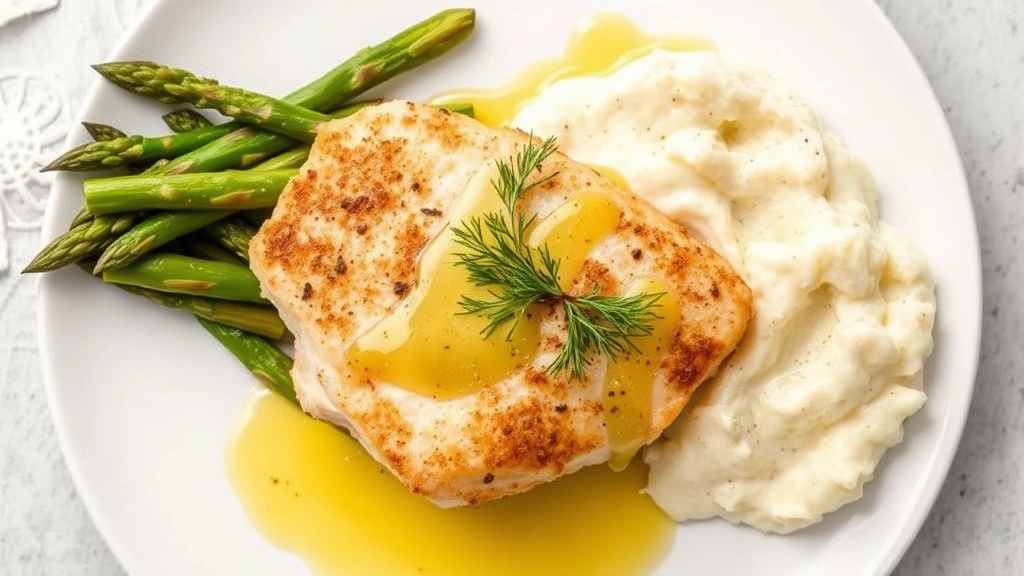
Vegetable Sides: Roasted asparagus, steamed broccoli, or sautéed green beans provide healthy, colorful accompaniments. Roasted root vegetables like carrots and parsnips add earthy sweetness that balances the fish.
Starch Options: Crispy baked haddock pairs beautifully with:
- Creamy mashed potatoes topped with fresh dill
- Crispy french fries for a seafood and chips experience
- Buttered egg noodles with a touch of fresh herbs
- Crusty bread for soaking up pan juices and sauce
- Rice pilaf with lemon and herbs
Sauce Pairings: Consider these sauces to elevate your dish:
- Lemon Butter Sauce: Melt butter with fresh lemon juice, minced garlic, and fresh parsley. Drizzle over the finished fish.
- Dill Cream Sauce: Combine sour cream or Greek yogurt with fresh dill, lemon juice, and minced garlic for a lighter option.
- Caper Sauce: Mix melted butter with brined capers and fresh lemon for a briny, bright accompaniment.
- Tomato-Based Sauce: A light tomato sauce with fresh herbs adds Mediterranean flair.
Beverage Pairings: White wines like Sauvignon Blanc, Pinot Grigio, or Chablis complement haddock beautifully. For non-alcoholic options, sparkling water with lemon or herbal iced tea work well.
Make-Ahead and Storage: You can prepare haddock fillets through the coating stage several hours in advance. Cover them with plastic wrap and refrigerate until ready to bake. This makes the recipe even more convenient for busy days. Cooked haddock keeps in an airtight container for up to three days in the refrigerator and reheats well at 350°F for about 10 minutes, though it’s best enjoyed fresh.
For more inspiration on creating memorable meals, explore creative recipe variations and crowd-pleasing dishes that might inspire your next dinner party.
FAQ
Can I use frozen haddock for this recipe?
Yes, but thaw it completely first. Frozen haddock works perfectly well when properly thawed. Thaw fillets in the refrigerator overnight or under cold running water for 30 minutes. Pat completely dry before proceeding with the recipe—frozen fish often releases excess moisture when thawing.
What’s the difference between haddock and cod?
Both are white fish with mild flavors, but haddock has slightly more delicate flesh and cooks a bit faster. Cod is slightly firmer and meatier. This recipe works with either, though you may need to add 2-3 minutes cooking time if using thicker cod fillets. For detailed cooking technique guidance, consult culinary institutes that offer fish preparation training.
How do I know if my haddock is fresh?
Fresh haddock should smell like the ocean—clean and briny. Avoid fish with a strong, unpleasant fish smell. The flesh should be bright white without browning or yellowing. The fillets should be firm and spring back when gently pressed. Purchase from reputable fishmongers who have high turnover.
Can I make this recipe gluten-free?
Absolutely. Replace regular panko with certified gluten-free panko breadcrumbs, and use cornstarch instead of wheat flour for dredging. Everything else remains the same. The results are equally crispy and delicious.
What if my coating is browning too quickly?
Your oven might be running hot. Lower the temperature to 375°F and add 2-3 minutes to cooking time. You can also move the rack down slightly to reduce direct heat on the coating. Every oven is different, so adjust accordingly.
Can I prepare the breadcrumb mixture in advance?
Yes, prepare it up to 2 hours ahead and store in an airtight container. The butter will firm up slightly, but this actually makes the mixture easier to work with. Just ensure the mixture is at room temperature before coating your fish.
Is this recipe suitable for meal prep?
The coated fillets can be prepared 24 hours in advance and frozen on a baking sheet before transferring to freezer bags. Bake directly from frozen, adding 3-5 minutes to the cooking time. The finished baked haddock keeps for 3 days refrigerated and reheats well.
What internal temperature should haddock reach?
Haddock should reach 145°F internal temperature, measured in the thickest part of the fillet. This is the FDA’s recommended safe temperature for fish. Use an instant-read thermometer for accuracy.
Can I double this recipe?
Easily. Simply double all ingredients and use two baking sheets. Rotate the sheets halfway through cooking to ensure even browning. Don’t overcrowd a single pan, as this creates steam and prevents crispiness.
What are some good sauce alternatives?
Beyond traditional lemon, try hollandaise sauce for elegance, pesto for herbaceous brightness, or a simple food science resource to understand how different emulsified sauces work with delicate fish. Miso butter, anchovy beurre blanc, or even a light curry sauce can transform the dish.


