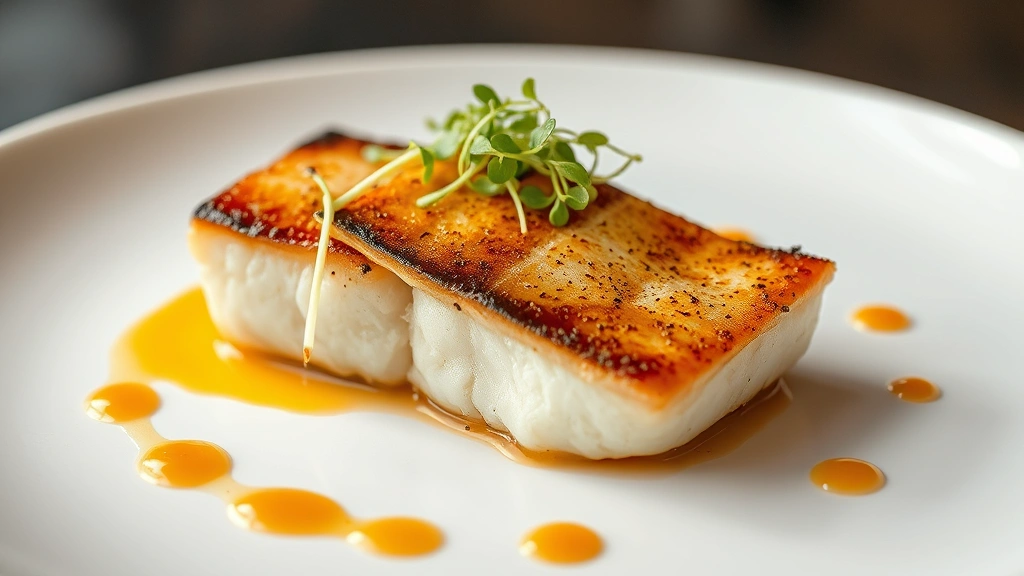
Black Cod Recipe: Chef’s Secret for Best Flavor
Black cod, also known as sablefish, is one of the most luxurious and forgiving fish to cook at home. With its buttery texture, rich marbling, and naturally high oil content, this deep-sea delicacy rivals premium cuts of meat in terms of flavor and satisfaction. Professional chefs have long kept black cod recipes close to their chests, but today we’re unveiling the secrets that make this fish absolutely spectacular on your dinner table.
What sets black cod apart from other fish is its unique composition. The flesh contains substantial amounts of omega-3 fatty acids, which contribute to its silky mouthfeel and ability to stay moist during cooking. Whether you’re pan-searing, baking, or broiling, black cod forgives slight overcooking better than most seafood, making it perfect for home cooks looking to impress without the stress.
This comprehensive guide walks you through everything you need to know about preparing black cod like a professional chef, from selecting the finest fillets to mastering multiple cooking techniques and creating restaurant-quality accompaniments.
Selecting and Preparing Premium Black Cod
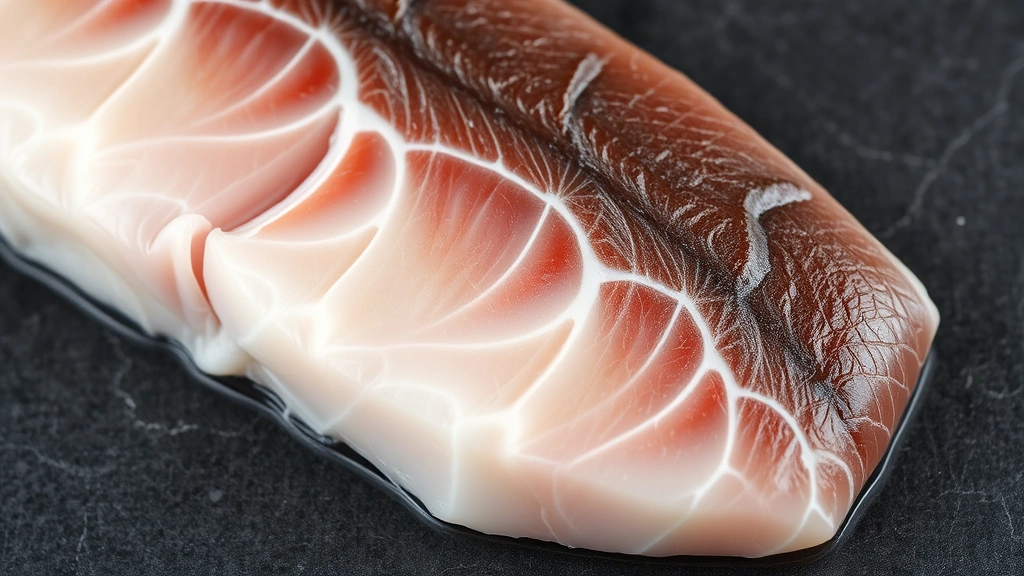
The foundation of any exceptional black cod recipe begins long before you heat your pan. Sourcing high-quality fish makes an enormous difference in the final dish. Look for black cod fillets that display bright, translucent flesh with a silvery sheen. The skin should be intact and glistening, never dull or discolored. A fresh black cod fillet will have a clean ocean aroma, not a fishy or ammonia-like smell.
When purchasing, ask your fishmonger when the fish arrived. Ideally, you want fillets that are no more than one to two days old. Wild-caught black cod from the Pacific Coast, particularly from Alaskan waters, tends to have superior flavor compared to farm-raised varieties. The fish’s diet of smaller fish and krill in deep, cold waters creates the distinctive richness that makes this species so prized.
Preparation is minimal but crucial. Remove your black cod from the refrigerator 15-20 minutes before cooking to allow it to reach near room temperature. This ensures even cooking throughout the fillet. Pat the fish completely dry with paper towels—moisture is the enemy of developing a proper crust. If your fillet has any small pin bones (which is rare with quality black cod), use tweezers to remove them by pulling at a slight angle.
For optimal results, season your fish generously with sea salt and freshly ground black pepper at least 10 minutes before cooking. This allows the salt to penetrate the flesh and enhance its natural flavors. Some chefs prefer a light dusting of smoked paprika or white miso powder for additional depth.
Building Flavor Foundations
What separates a good black cod recipe from a chef’s secret version is the thoughtful layering of complementary flavors. Black cod’s rich, buttery profile pairs beautifully with bold, umami-forward elements. This is why homemade sauces become so important—they’re not just accompaniments but integral components that enhance the fish’s natural qualities.
Consider these flavor partners that professional chefs rely on:
- Miso and soy sauce: These fermented ingredients add savory depth and complement black cod’s richness perfectly
- Citrus: Yuzu, lemon, and lime cut through the fat and brighten the palate
- Ginger and garlic: Aromatic elements that add complexity without overpowering the delicate fish
- Dashi and kombu: Japanese stock ingredients that create an umami foundation
- Brown butter and herbs: Classic French preparations that elevate the fish’s natural sweetness
- Chili and Sichuan peppercorns: Heat elements that provide contrast to the rich flesh
The key principle is balance. Black cod doesn’t need heavy sauces or complicated preparations. Instead, think of your seasoning and sauce as a supporting player to the star ingredient. A light glaze, a drizzle of quality olive oil, or a simple beurre blanc often proves more effective than heavy reductions.
Master Cooking Methods
Pan-Searing Technique: This is the method most professional chefs use for black cod. Heat a stainless steel or cast-iron skillet over medium-high heat until it’s very hot but not smoking. Add a thin layer of neutral oil with a high smoke point—grapeseed, avocado, or refined vegetable oil work well. Place your seasoned fillet skin-side down in the pan and resist the urge to move it. Let it cook undisturbed for 4-5 minutes until the skin becomes crispy and golden. The flesh will turn opaque about halfway up the fillet. Flip gently and cook for another 2-3 minutes on the flesh side. The internal temperature should reach 125-130°F for medium-rare.
Oven Finishing Method: For thicker fillets or when cooking for multiple people, many chefs prefer a hybrid approach. Sear the fish skin-side down for 3-4 minutes, then transfer the entire skillet to a preheated 400°F oven for 6-8 minutes. This ensures even cooking and prevents the exterior from becoming overdone while waiting for the center to cook through.
Poaching in Aromatic Broth: This gentler method works beautifully for black cod. Prepare a delicate broth using dashi, white wine, or light fish stock infused with aromatics like kombu, ginger, and scallions. Bring the broth to a gentle simmer, add your seasoned black cod, and poach for 6-8 minutes until just cooked through. The fish emerges incredibly moist and absorbs the subtle flavors of the poaching liquid.
Broiling for Speed: Position your oven rack 6 inches from the broiler element. Place black cod skin-side down on a lined baking sheet, brush lightly with oil or miso butter, and broil for 8-10 minutes. Watch carefully—broiling can happen quickly. The fish is done when the flesh is opaque and flakes easily.
Classic Miso Black Cod: The Restaurant Standard
The most famous black cod preparation comes from Japanese cuisine, specifically the miso-marinated version served at upscale restaurants worldwide. This recipe has become synonymous with black cod excellence because it demonstrates how perfectly these elements complement the fish.
Ingredients for Miso Marinade:
- 3 tablespoons white miso paste
- 2 tablespoons mirin (sweet rice wine)
- 1 tablespoon sake or dry white wine
- 1 tablespoon honey or agave nectar
- 1 teaspoon grated fresh ginger
- 2 cloves garlic, minced
- 1 teaspoon yuzu juice or fresh lemon juice
- Four 6-ounce black cod fillets
- 2 tablespoons neutral oil for cooking
Preparation Steps:
- Combine miso, mirin, sake, honey, ginger, garlic, and yuzu juice in a small bowl, stirring until smooth. This becomes your marinade base.
- Pat your black cod fillets dry and place them skin-side up in a shallow dish or container.
- Spread the miso mixture evenly over each fillet, covering the flesh side generously. Reserve a small amount (about 1 tablespoon) for finishing.
- Cover and refrigerate for at least 4 hours, preferably overnight. The longer the fish marinates, the deeper the flavor penetration.
- Remove from refrigerator 20 minutes before cooking to bring the fish to near room temperature.
- Gently scrape off excess marinade from the flesh side, leaving a thin coating. Pat the skin side dry.
- Heat oil in a skillet over medium-high heat until shimmering. Place fish skin-side down and cook for 4-5 minutes without moving.
- Flip carefully and cook flesh-side down for 2-3 minutes. The marinade will caramelize slightly and create a beautiful glaze.
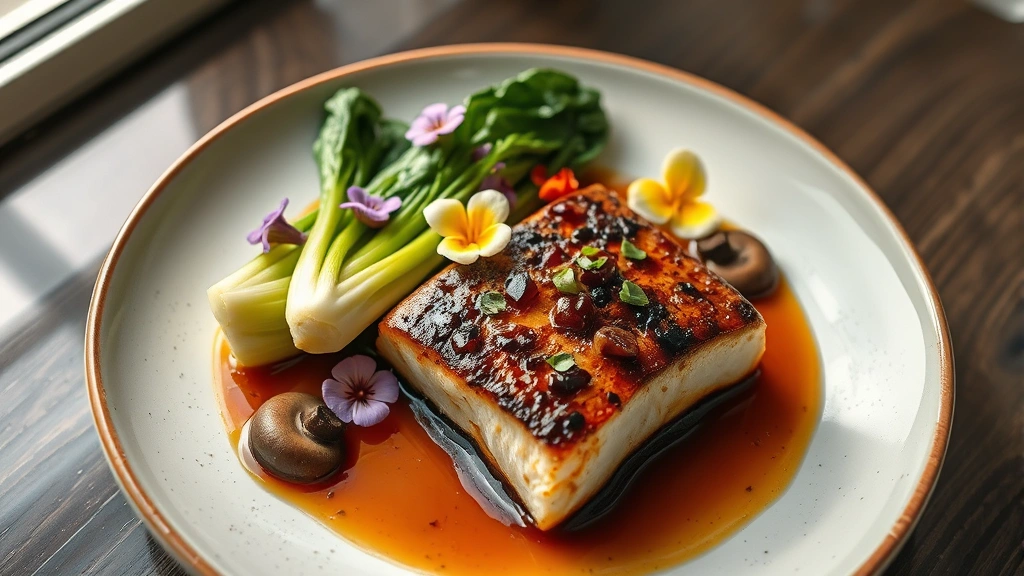
- Transfer to a warm plate and brush with reserved marinade. Serve immediately with steamed bok choy or white rice.
This preparation demonstrates why creating your own sauces and marinades elevates black cod from good to extraordinary. The fermented miso adds umami complexity, the mirin provides subtle sweetness that balances savory elements, and the ginger-garlic base creates aromatic depth.
Professional chefs often prepare this dish in advance through the marinating stage, which actually improves the flavor. This makes black cod an ideal choice for entertaining, as your main protein can be prepared hours ahead, leaving you more time to focus on crafting complementary salads and dressings or other courses.
Plating and Wine Pairing
Presentation matters tremendously in making your black cod recipe feel restaurant-quality. Place the fillet slightly off-center on a warm plate, skin-side up to showcase that beautiful crispy exterior. Arrange your chosen accompaniments—perhaps some sautéed vegetables or a light sauce—around the fish rather than on top of it. This approach respects the beauty of the fish while allowing diners to control their flavor combinations.
Complement your black cod with nutritious side dishes that don’t compete with the fish’s rich flavor. Steamed or roasted vegetables work beautifully—try asparagus, broccolini, or delicate mushrooms. If you want starch, consider a silky cauliflower purée or simple white rice. For those seeking carbohydrate options, freshly baked bread provides a textural contrast and is perfect for soaking up any pan sauces.
Wine Pairing Recommendations: Black cod’s richness calls for wines with good acidity and body. White wines like Sauvignon Blanc, Albariño, or Chablis cut through the fat beautifully. For miso-marinated preparations, consider slightly off-dry Riesling or Gewürztraminer. Light-bodied reds like Pinot Noir also work surprisingly well, particularly if your black cod is prepared with Asian flavors. Champagne or sparkling wine always feels celebratory and complements the fish’s elegance.
For non-alcoholic pairings, a sophisticated yuzu or citrus-forward beverage echoes the bright notes that complement black cod. Japanese sake represents the traditional choice and pairs perfectly with miso-based preparations.
FAQ
How long does black cod keep in the refrigerator?
Fresh black cod should be consumed within 1-2 days of purchase. Store it on a bed of ice in the coldest part of your refrigerator, ideally below 35°F. If you need to keep it longer, freeze the fish immediately after purchase in an airtight container or vacuum-sealed bag for up to three months.
Can I substitute black cod with another fish?
While other fish can work, black cod’s high oil content and buttery texture are unique. Halibut, sea bass, or Chilean sea bass offer similar cooking properties, though they lack black cod’s richness. If substituting, reduce cooking time slightly as these alternatives are leaner. Salmon works as a richer substitute but has a stronger flavor that may overpower delicate sauces.
Is black cod sustainable?
Wild-caught Alaskan black cod is generally considered sustainable when caught using longline methods. Check certifications from organizations like the Marine Stewardship Council (MSC) when purchasing. Farm-raised options are becoming more available and represent another sustainable choice, though flavor profiles differ slightly from wild varieties.
What’s the difference between black cod and regular cod?
Despite the similar names, black cod (sablefish) and Atlantic cod are completely different fish. Black cod is much richer with higher fat content, a darker color, and a buttery texture. Atlantic cod is leaner and more delicate. Black cod costs considerably more but delivers dramatically different eating experiences. Never substitute one for the other in recipes.
How do I know when black cod is perfectly cooked?
Internal temperature should reach 125-130°F for medium-rare, which is ideal for this fish. The flesh should appear opaque and flake gently when pressed with a fork. Black cod’s high fat content means it stays moist even at slightly higher temperatures, but don’t exceed 135°F or the texture becomes dry. Use an instant-read thermometer for precision.
Can I prepare black cod ahead of time?
Absolutely. The miso marinade can be applied up to 24 hours in advance, improving flavor development. Cook the fish only when ready to serve—it’s best enjoyed immediately after cooking while the skin remains crispy and the flesh warm. You can prepare all components separately and plate just before serving for entertaining.
What’s the best oil for cooking black cod?
Use oils with high smoke points: grapeseed oil (450°F), avocado oil (520°F), or refined vegetable oil (450°F). Avoid olive oil for high-heat cooking as it smokes too easily, though finishing with quality extra-virgin olive oil after cooking adds wonderful flavor. Clarified butter or ghee also works beautifully for medium-heat applications.
How much black cod should I buy per person?
A standard portion is 5-7 ounces per person. For a hearty meal with generous sides, plan for 6-8 ounces. Black cod’s richness means smaller portions satisfy more than leaner fish would, so you can often get away with 5 ounces as a main course in a multi-course meal.
Can I use frozen black cod?
Yes, though fresh is always superior. If using frozen, thaw slowly in the refrigerator overnight rather than at room temperature. Pat thoroughly dry before cooking. Frozen-then-thawed fish may release more moisture during cooking, so extend pan-searing time slightly to achieve proper browning.


