Boursin Pasta Recipe: Chef’s Secret Method for Restaurant-Quality Flavor
Boursin pasta has become a beloved comfort food that combines creamy, herb-infused elegance with simple home cooking. This classic dish transforms a modest box of pasta and a single ingredient—Boursin cheese—into something restaurant-worthy that feels like you’ve spent hours in the kitchen. The secret lies not in complicated techniques, but in understanding how to coax maximum flavor from quality ingredients and proper cooking methods that professional chefs have perfected over decades.
What makes this recipe so special is how the Boursin cheese creates a naturally emulsified sauce without cream or heavy butter. The garlic and herb blend in Boursin softens and melts into silky coating that clings to every strand of pasta. Whether you’re cooking a weeknight dinner for your family or impressing guests, this method delivers consistent, impressive results every single time. Let’s explore the chef-approved techniques that transform this simple recipe into something extraordinary.
Understanding Boursin Cheese and Its Properties
Boursin is a French spreadable cheese infused with garlic, herbs, and spices that originated in Normandy. Understanding its composition helps you work with it more effectively in pasta dishes. The cheese has a soft, creamy texture due to its base of fresh cheese mixed with butter, which makes it melt smoothly when heated. This isn’t a hard cheese that requires grating or a firm cheese that needs careful handling—it’s specifically designed to blend and distribute evenly through hot dishes.
The herb blend in traditional Boursin typically includes parsley, chives, garlic, and pepper. These aromatics are already finely incorporated into the cheese, meaning you’re getting consistent seasoning throughout your dish without needing to mince fresh herbs yourself. The garlic in Boursin has been processed and mixed with the cheese, creating a mellower flavor than raw garlic while still delivering that essential pungent note. This makes Boursin particularly forgiving for home cooks—the seasoning is already balanced by the manufacturer, reducing the chance of over-seasoning your pasta.
Temperature sensitivity is crucial when working with Boursin. The cheese begins to soften around 120°F and reaches full melting consistency around 140°F. This relatively low melting point is exactly what makes it perfect for pasta sauces. Unlike hard cheeses that can become grainy or separated when exposed to high heat, Boursin maintains its creamy texture and emulsifies beautifully with pasta water and oil. The butter content in Boursin (around 50% of its composition) is what enables this smooth emulsification—it acts as a natural binder between the cheese solids and the liquid components of your sauce.
Essential Ingredients and Selection Guide
Beyond the star ingredient, you’ll need just a few quality components to create exceptional Boursin pasta. The foundation is, of course, pasta—but the type matters more than many home cooks realize. Long pasta shapes like fettuccine, linguine, or spaghetti work best because they provide maximum surface area for the sauce to cling to. Short pasta shapes like penne or rigatoni can work, but they tend to trap sauce inside their tubes rather than coating the exterior, resulting in less sauce-per-bite.
Fresh pasta is superior to dried for this recipe because its porous surface absorbs and holds the Boursin sauce more effectively. However, quality dried pasta will absolutely work—look for bronze-cut (trafilata al bronzo) varieties that have a rougher surface than standard dried pasta. This texture helps the sauce grip better. Barilla, De Cecco, and Benedetto Cavalieri are reliable options that provide excellent results.
Pasta water is perhaps the most underrated ingredient in this recipe. The starch-rich water acts as an emulsifier, helping the cheese and fat combine into a cohesive sauce rather than separating. Reserve at least one cup of pasta water before draining—you’ll use it to adjust sauce consistency and create that silky coating chefs prize. The starch in this water is essential; it’s why plain water doesn’t work as a substitute.
Olive oil quality significantly impacts the final dish. Extra virgin olive oil has more pronounced flavor, but some cooks prefer a lighter olive oil or even butter for this application. The Boursin already provides robust flavor, so a milder oil won’t get lost. Use approximately 2-3 tablespoons of oil or butter per pound of pasta. This amount provides enough fat to emulsify the sauce without making it greasy.
Fresh black pepper and sea salt complete your ingredient list. Many recipes skip these, assuming the Boursin provides sufficient seasoning, but finishing with fresh cracked pepper adds complexity and brightness that elevates the dish. Kosher salt or sea salt is preferable to table salt—use it to season the pasta water generously, just as you would for any well-made pasta dish.
Optional additions that enhance without overwhelming include fresh lemon zest, red pepper flakes, or fresh parsley. Fresh tomatoes can add brightness, while roasted vegetables create more substantial meal. The easy coleslaw recipe principles of balancing richness with acidity apply here—the Boursin is rich, so any additions should provide contrast.
Step-by-Step Cooking Method
Begin by bringing a large pot of water to a vigorous rolling boil. The pot should be large enough that pasta has room to move freely—use at least 4 quarts of water for one pound of pasta. This generous water volume prevents starch from accumulating excessively, which would make your sauce overly thick. Add salt to the water once it’s boiling—approximately 1-2 tablespoons depending on your salt type and personal preference. The water should taste like seawater; this is your only opportunity to season the pasta itself.
Add pasta to the boiling water and stir immediately to prevent sticking. Start your timer according to package directions, but begin tasting the pasta about one minute before the suggested time. Boursin pasta is best when the pasta has a slight firmness to the bite—al dente—because it continues cooking slightly as the residual heat and hot sauce interact with it. Overcooked pasta becomes mushy and won’t hold the sauce properly.
About one minute before the pasta reaches your target doneness, reserve one cup of pasta water in a small bowl or measuring cup. Use a spider strainer or pasta fork to transfer the pasta directly into your sauce pan rather than pouring it through a colander. This method preserves the starchy water clinging to the pasta, which is crucial for proper emulsification.
While pasta cooks, prepare your sauce pan. Use a large skillet or shallow saucepan that can accommodate all your pasta comfortably. Add olive oil or butter to the pan over medium heat. If using butter, let it melt completely but don’t allow it to brown. If using olive oil, simply warm it gently. The pan should be hot but not smoking—you’re aiming for around 300°F, which is warm enough to melt the Boursin but not so hot that it breaks down the emulsion.
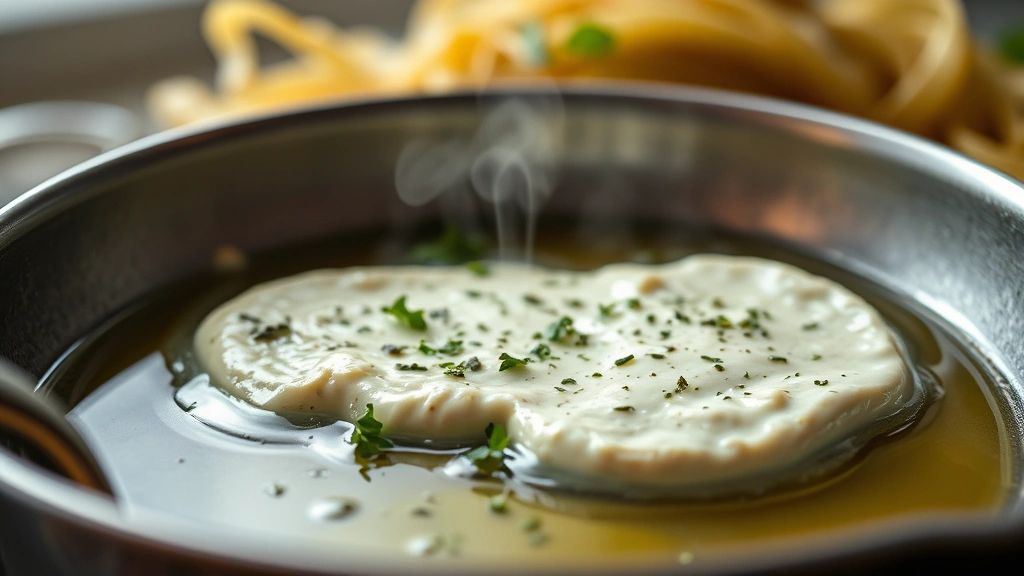
Add the Boursin cheese to the warm oil or butter and break it into smaller pieces with a wooden spoon. Let it soften for about 30 seconds, then begin stirring gently to combine with the fat. You’re not trying to create a smooth mixture at this stage—you’re just warming and beginning to break down the cheese. This process takes about 1-2 minutes. The Boursin will still appear somewhat chunky, and that’s correct.
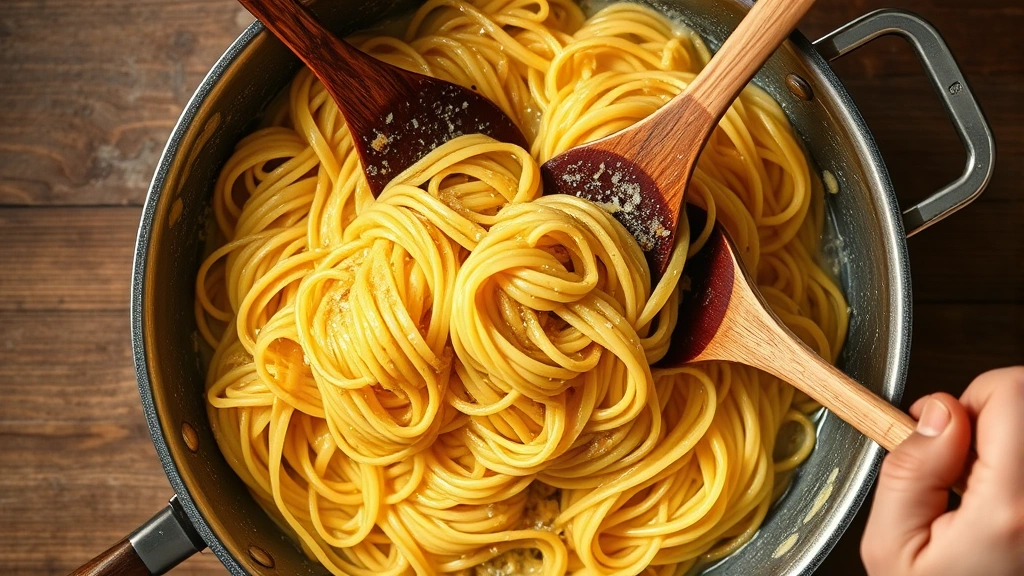
Transfer the hot, drained pasta to the sauce pan with the softened Boursin. Using tongs or two wooden spoons, toss the pasta gently but thoroughly. As you toss, add pasta water one tablespoon at a time, allowing the starch and moisture to help distribute the Boursin evenly. The sauce will begin to transform from chunky to creamy as the starch from the pasta water emulsifies with the cheese and fat. This transformation happens over about 2-3 minutes of constant, gentle tossing.
Continue adding pasta water until you reach your desired sauce consistency. The sauce should coat the pasta but still appear moist—it shouldn’t be dry or clumpy, nor should it be soupy. A good indicator is that the sauce should move slowly when you tilt the pan, coating the pasta without pooling at the bottom. Professional chefs often finish with a splash of pasta water just before serving to ensure the sauce remains silky even as it cools slightly on the plate.
Taste the pasta and adjust seasoning with sea salt and fresh cracked black pepper. The Boursin provides significant seasoning, so you may only need a small amount of additional salt. Finish with a drizzle of good quality olive oil if desired, which adds richness and helps the sauce glisten enticingly on the plate.
Mastering the Sauce Emulsion
The emulsification process is what separates a mediocre Boursin pasta from an exceptional one. Emulsification is the process of combining two substances that don’t naturally mix—in this case, the fat in Boursin and the water in pasta cooking liquid. Without proper emulsification, you’d have separated, greasy pasta with pockets of cheese rather than a cohesive, creamy sauce.
The starch in pasta water acts as an emulsifier by surrounding tiny fat droplets and preventing them from coalescing. This is why using actual pasta water is non-negotiable—plain water lacks the starch necessary for this process. The starch molecules have both water-loving and fat-loving properties, making them perfect intermediaries. As you toss the pasta, you’re physically breaking the Boursin into smaller and smaller pieces while the starch coats each piece, creating a stable emulsion.
Temperature plays a crucial role in maintaining emulsion stability. If the pan gets too hot—above about 160°F—the emulsion can break, resulting in separated, greasy sauce. This is why you want to work over medium or medium-low heat. Conversely, if the pan isn’t hot enough, the Boursin won’t soften adequately and will remain chunky. The ideal temperature range is 140-160°F, which allows the cheese to melt smoothly while maintaining the emulsion.
The ratio of liquid to fat affects emulsion stability. Too much pasta water creates a thin sauce that runs off the pasta. Too little creates a thick, clumpy texture. The ideal ratio is approximately 2-3 ounces of pasta water to 4-5 ounces of Boursin (a standard container). This ratio provides enough liquid to fully emulsify the cheese while creating a sauce that coats rather than pools.
Timing your additions of pasta water matters significantly. Adding it all at once can shock the system and break the emulsion. Adding it gradually, one tablespoon at a time, allows the starch to incorporate evenly and the emulsion to develop gradually. This is why professional chefs emphasize patience during this stage—rushing creates problems that are difficult to fix.
If your emulsion does break, creating a separated, greasy sauce, you can often rescue it by removing the pan from heat and whisking in additional pasta water vigorously. The residual heat and mechanical action of whisking can re-emulsify the sauce. Work quickly and don’t return to heat until the emulsion appears stable again.
Professional Plating and Serving
How you plate and serve Boursin pasta impacts the dining experience as much as how you prepare it. Use warm bowls or plates—cold serving ware will cool the pasta too quickly, causing the sauce to set up and become less creamy. Warm plates in a 200°F oven for five minutes before serving, or pour hot water into them while you finish cooking and empty them just before plating.
Portion the pasta directly from the pan into the warm plates using tongs or a pasta fork, ensuring each plate receives an even distribution of pasta and sauce. A well-made sauce should lightly coat every strand—if you see pooling sauce at the bottom of the plate, you’ve added too much liquid. If the pasta appears dry, you need slightly more sauce. The goal is for the sauce to shine without dominating.
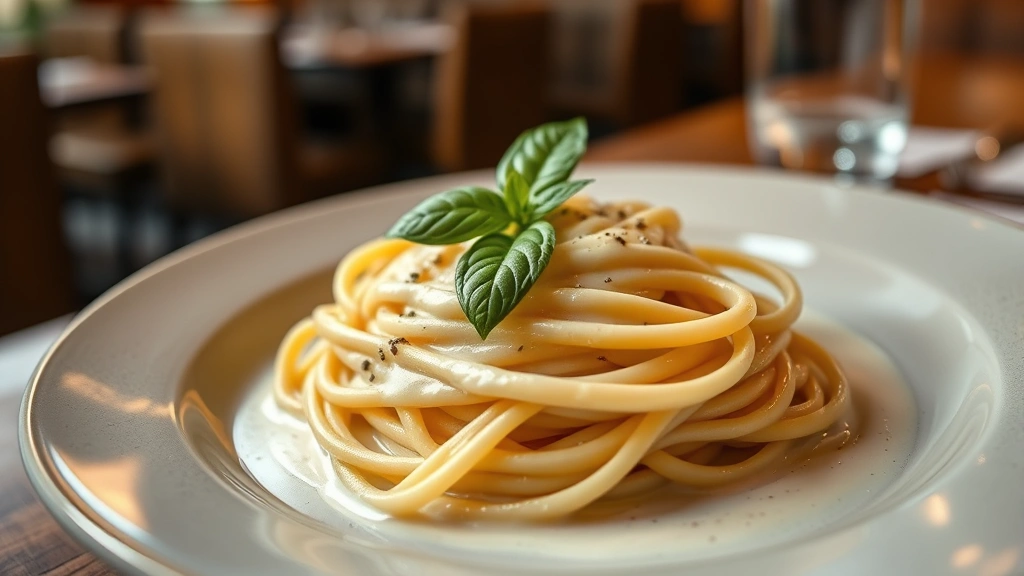
Garnish thoughtfully with fresh cracked black pepper, a small pinch of sea salt, and optionally a small amount of fresh parsley or a light grating of Parmesan cheese. Keep garnishes minimal—the Boursin already provides significant flavor, and over-garnishing muddles rather than enhances. A small drizzle of excellent olive oil adds visual appeal and richness without overwhelming.
Serve immediately while the pasta is at peak temperature and the sauce maintains its creamy consistency. Boursin pasta doesn’t hold well—it begins to set up as it cools and becomes less appealing. This is a dish meant for immediate consumption, making it perfect for weeknight dinners where timing is important.
Pair with complementary sides that don’t compete with the rich, herb-forward flavors of the Boursin. A simple green salad with acidic vinaigrette provides excellent contrast, as does a light vegetable preparation. Avoid heavy sides that would overwhelm the palate. The healthy crockpot recipes approach of balancing richness with lighter elements applies well here—think roasted vegetables or steamed greens rather than additional cream-based sides.
Variations and Creative Additions
While classic Boursin pasta is perfect as-is, creative variations can elevate it for different occasions. Protein additions transform it from a vegetarian side dish to a complete meal. Grilled chicken breast, sliced and tossed in at the last moment, adds substance without overwhelming the delicate sauce. Sautéed shrimp works beautifully—the briny sweetness complements the herbed cheese perfectly. For beef lovers, thinly sliced steak or ground beef seasoned simply and cooked separately can be incorporated.
Vegetable additions should be cooked separately and added just before serving to prevent them from releasing excess moisture that would thin the sauce. Roasted sun-dried tomatoes add concentrated tomato flavor and visual appeal. Sautéed mushrooms, particularly cremini or shiitake varieties, contribute earthy complexity. Roasted red peppers add sweetness and color. Steamed or roasted asparagus, cut into bite-sized pieces, provides freshness and texture contrast.
Lemon zest and fresh lemon juice brighten the rich sauce—add sparingly, about 1/2 teaspoon zest and 1 tablespoon juice per pound of pasta. The acidity cuts through the richness, making the dish feel lighter despite the creamy sauce. Red pepper flakes provide heat that contrasts with the cooling, creamy Boursin. Start with 1/4 teaspoon and adjust to your heat preference.
Truffle oil is a luxurious addition for special occasions—just a small drizzle over the finished plate adds elegant earthiness. Fresh herbs like basil, tarragon, or chervil added at the very end provide freshness. Some cooks add a small amount of white wine to the pan before the pasta, creating a light sauce base that incorporates wine’s acidity and flavor complexity.
Bacon adds savory depth—cook it separately until crispy, crumble it, and scatter over the finished dish. The combination of Boursin and bacon is particularly appealing for those who enjoy more assertive flavors. Caramelized onions provide sweet, deep complexity when cooked separately and stirred in just before serving.
For a heartier version, incorporate cream cheese or mascarpone along with the Boursin, creating an even richer sauce that’s excellent for beef or mushroom variations. Use approximately equal parts Boursin and cream cheese for best results. This variation is less delicate than classic Boursin pasta but offers different appeal for those who prefer heavier sauces.
Troubleshooting Common Issues
If your sauce appears grainy or broken, the emulsion has separated, usually from excessive heat or too-rapid addition of pasta water. Remove the pan from heat immediately and whisk in additional pasta water very gradually. Don’t return to heat until the sauce appears smooth and creamy again. Prevention is easier than rescue—maintain medium heat throughout and add liquid slowly.
Overly thick sauce indicates insufficient pasta water. Add additional pasta water one tablespoon at a time while tossing gently. The sauce should move slowly when the pan is tilted but shouldn’t be stiff. It’s easier to add liquid than to remove it, so start conservatively and adjust upward.
Thin, soupy sauce means you’ve added too much pasta water. Return the pan to medium heat and toss gently for 1-2 minutes, allowing some moisture to evaporate. The residual heat will also help the emulsion set slightly. If the sauce remains too thin, you may have started with insufficient Boursin—use the ratio of 4-5 ounces per pound of pasta as your guide for future batches.
Clumpy sauce with visible Boursin pieces suggests insufficient tossing or too-low temperature. Ensure the pan is adequately warm (around 140-160°F) and toss vigorously and continuously for at least 2-3 minutes. The mechanical action of tossing helps break down the Boursin while the heat melts it. If starting over, allow the pan to warm more thoroughly before adding pasta.
Bland-tasting pasta despite Boursin addition usually means the pasta itself wasn’t seasoned adequately. Remember that the pasta water should taste like seawater—this is your primary seasoning opportunity. The Boursin adds flavor to the sauce, but if the pasta base is under-salted, the final dish will taste flat. Season your pasta water generously and taste a strand before draining to verify adequate seasoning.
Greasy, separated sauce indicates the emulsion broke, typically from excessive heat. Prevent this by maintaining medium heat and working quickly but not frantically. If it happens, remove from heat and whisk vigorously while adding pasta water gradually. The mechanical action combined with residual heat often restores the emulsion. For future batches, reduce heat to medium-low.
Sauce that sets up and becomes thick as it cools is normal—this is why serving immediately is crucial. If you must hold the pasta briefly, add a splash of warm pasta water and toss gently to loosen the sauce just before serving. Some restaurants keep a small pot of pasta water warming specifically for this purpose during service.
FAQ
Can I make Boursin pasta ahead of time?
Boursin pasta is best served immediately after cooking because the sauce sets up as it cools. If you must make it ahead, slightly under-cook the pasta, prepare it without sauce, and store it separately from the Boursin. When ready to serve, quickly reheat the pasta with a splash of water, warm the Boursin separately, and combine just before plating. The result won’t be quite as creamy as freshly made, but it will still be acceptable.
What’s the best pasta shape for Boursin pasta?
Long pasta shapes like fettuccine, linguine, or spaghetti work best because their flat or round surfaces allow maximum sauce coating. Avoid tubular shapes like penne or rigatoni that trap sauce inside rather than coating the exterior. Fresh pasta is superior to dried because its more porous surface holds sauce better, but quality dried pasta works well.
Can I use other spreadable cheeses instead of Boursin?
While Boursin’s specific herb blend is difficult to replicate, you could experiment with similar spreadable cheeses like Alouette or other French herb cheeses. The results won’t be identical, as Boursin’s particular garlic and herb balance is distinctive. For best results, stick with authentic Boursin, which is widely available in most grocery stores.
Is Boursin pasta suitable for vegetarians?
Traditional Boursin is made with milk and cream, making it vegetarian-friendly. However, always check the specific product label, as formulations can vary. Some Boursin varieties are also suitable for vegetarians but not vegans due to dairy content. Most standard Boursin products are vegetarian, but verify your specific package.
How much Boursin do I need for different pasta quantities?
Use approximately 4-5 ounces of Boursin (typically 3/4 to 1 standard package) per pound of pasta. A standard Boursin package contains 5.2 ounces, so one package handles slightly more than one pound of pasta comfortably. For half a pound of pasta, use approximately 2.5 ounces of Boursin. Adjust based on how creamy you prefer your sauce.
Can I freeze Boursin pasta?
Freezing isn’t recommended because the sauce doesn’t freeze and reheat well—it tends to separate and become grainy. The pasta also becomes mushy after freezing and reheating. This is a dish best made fresh and consumed immediately. If you have leftovers, store them in an airtight container in the refrigerator for up to two days and reheat gently with additional pasta water.
What wine pairs well with Boursin pasta?
Light, crisp white wines complement Boursin pasta beautifully. Sauvignon Blanc, Pinot Grigio, or Vermentino all pair excellently with the herbed cheese. The acidity cuts through the richness while the wine’s mineral notes enhance the herbs in the Boursin. Avoid heavy reds or oaky whites that would overwhelm the delicate sauce.
Can I make a vegan version of Boursin pasta?
Traditional Boursin contains dairy, so it’s not vegan. However, you could create a similar sauce using vegan cream cheese or cashew-based cheese combined with garlic, herbs, and nutritional yeast to approximate Boursin’s flavor profile. The result will be different from traditional Boursin pasta but could still be quite good. Some specialty stores carry vegan herb-infused spreads that might work as substitutes.


