Calabacitas Recipe: Grandma’s Authentic Method
Calabacitas is a beloved Mexican comfort dish that brings together the simplicity of summer squash with the bold flavors of roasted chiles, corn, and cheese. This traditional recipe has been passed down through generations, particularly in Northern Mexico and the American Southwest, where it remains a staple at family dinners and celebrations. The name “calabacitas” simply means “little squashes” in Spanish, but this humble dish is far more than its modest name suggests.
My grandmother’s version of calabacitas represents everything I love about authentic Mexican cooking: minimal ingredients, maximum flavor, and a technique refined over decades of home cooking. Unlike some modernized versions that add cream or heavy toppings, her method honors the natural sweetness of zucchini and the earthiness of roasted poblano peppers. This calabacitas recipe is perfect for healthy food recipes that don’t compromise on taste, making it an ideal side dish or light main course for any occasion.
What makes this calabacitas recipe special is the technique of properly charring the peppers and slowly cooking the squash until it reaches the perfect tender consistency. The result is a dish with layered flavors and textures that will transport you straight to a Mexican grandmother’s kitchen.
Ingredients You’ll Need
This calabacitas recipe calls for straightforward, quality ingredients that let each component shine. The beauty of this dish lies in its simplicity, so using the freshest produce available will significantly impact your final result.
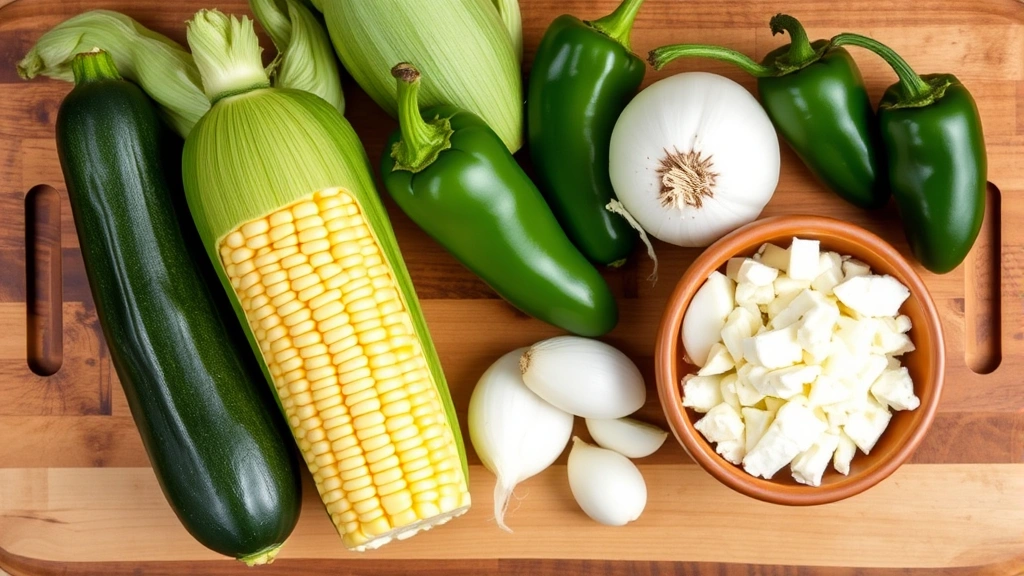
- 4 medium zucchini (about 2 pounds), cut into half-moon slices
- 2 poblano peppers, roasted and sliced
- 2 cups fresh corn kernels (about 4 ears, or frozen in winter)
- 1 medium white onion, diced
- 4 cloves garlic, minced
- 3 tablespoons lard or vegetable oil (lard is traditional)
- 1 cup fresh epazote leaves (optional but traditional)
- 1 cup Mexican crema or sour cream (optional)
- 1 cup queso fresco, crumbled
- Salt and black pepper to taste
- 2-3 serrano peppers (optional, for heat)
Preparation and Ingredient Selection
The foundation of any great calabacitas recipe begins with selecting quality ingredients. Visit your local farmer’s market during peak summer season (June through August) when zucchini and corn are at their sweetest and most tender. Choose firm zucchini without soft spots, and look for ears of corn with bright green husks and moist silk.
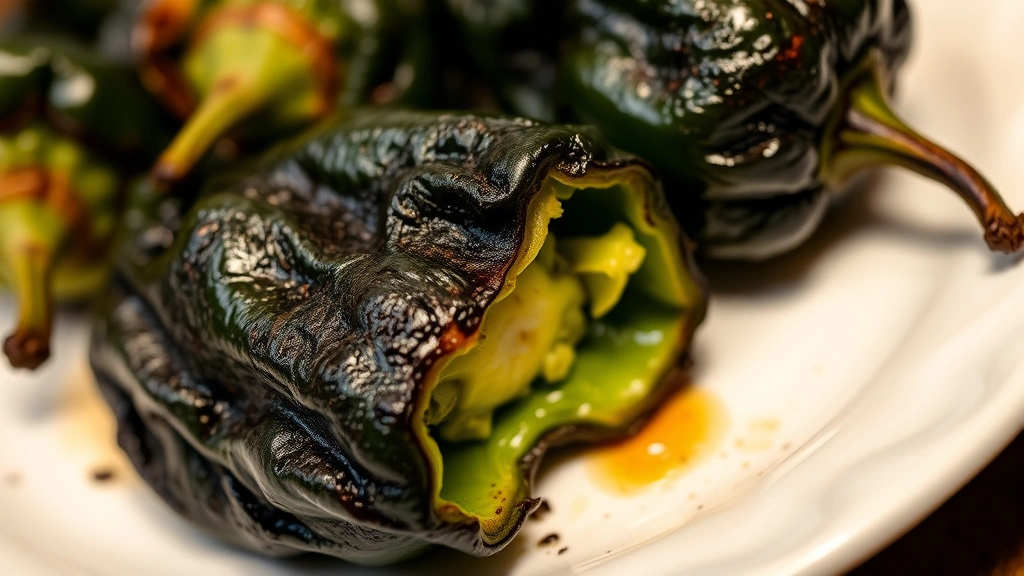
When selecting poblano peppers, choose ones with thick walls and a deep green color. These peppers have a mild, slightly smoky flavor that perfectly complements the sweetness of the squash. To roast poblanos properly, hold them directly over a gas flame or place them on a hot cast-iron skillet, turning frequently until the skin is completely blackened. This process, called charring, brings out the pepper’s natural sweetness and makes the skin easy to remove.
For the corn, fresh is always superior to frozen, but quality frozen corn works beautifully during off-season months. If using frozen corn, thaw it completely and pat it dry with paper towels before cooking. This removes excess moisture that can cause the corn to steam rather than caramelize slightly in the pan.
Regarding cheese, authentic calabacitas uses queso fresco, a fresh, crumbly cheese that doesn’t melt completely. If you cannot find queso fresco, you can substitute with feta cheese or cotija cheese. For more information on ingredient quality, explore our guide on organic versus non-organic food choices to help you make the best selections for your cooking.
Step-by-Step Cooking Method
Step 1: Roast and Prepare the Poblanos
Begin by roasting your poblano peppers over an open flame or in a hot skillet. Turn them frequently with tongs until the entire skin is blackened and blistered (approximately 8-10 minutes total). Place the roasted peppers in a plastic bag or covered bowl for 5 minutes to steam, which loosens the charred skin. Using your fingers or a small knife, gently remove the blackened skin under cool running water. Be careful to preserve the pepper flesh. Remove the stem and seeds, then slice the peppers into strips about half an inch wide. Set aside.
Step 2: Prepare the Zucchini
Wash your zucchini thoroughly and trim the ends. Cut them into half-moon slices approximately quarter-inch thick. This thickness allows the zucchini to cook through while maintaining some structural integrity. Do not peel the zucchini unless the skin is particularly tough; the skin contains valuable nutrients and contributes to the dish’s appearance and texture.
Step 3: Sauté the Aromatics
Heat your lard or oil in a large, heavy-bottomed skillet over medium heat. Once shimmering, add the diced onion and cook for 3-4 minutes until translucent and fragrant. Add the minced garlic and cook for another minute, stirring constantly to prevent burning. The aromatics create the flavor base for your entire dish, so don’t rush this step.
Step 4: Add the Zucchini
Increase the heat to medium-high and add the sliced zucchini to the skillet. Stir well to coat everything with the oil. Cook for approximately 5-7 minutes, stirring occasionally, until the zucchini begins to soften and develop a light golden color on some edges. This step is crucial for developing flavor through the Maillard reaction, the chemical process that creates complex tastes when ingredients are heated.
Step 5: Add Corn and Peppers
Add your fresh corn kernels and roasted poblano strips to the skillet. If using serrano peppers for additional heat, add them now (either whole or sliced, depending on your preference). Stir everything together and cook for another 5-8 minutes, allowing the corn to warm through and flavors to meld. The mixture should look vibrant and slightly glistening from the oil.
Step 6: Season and Finish
Taste your calabacitas and season generously with salt and black pepper. If you’re using epazote, add it now, stirring it in just before serving so the leaves remain somewhat intact and visible. The peppery, slightly gasoline-like flavor of epazote is traditional and adds an authentic touch, though this ingredient is optional if unavailable in your area.
If you prefer a creamier version, stir in the Mexican crema or sour cream at this point, stirring gently to combine. Keep the heat at medium or low to prevent the cream from curdling. Cook for another 2-3 minutes until everything is heated through.
Step 7: Plate and Garnish
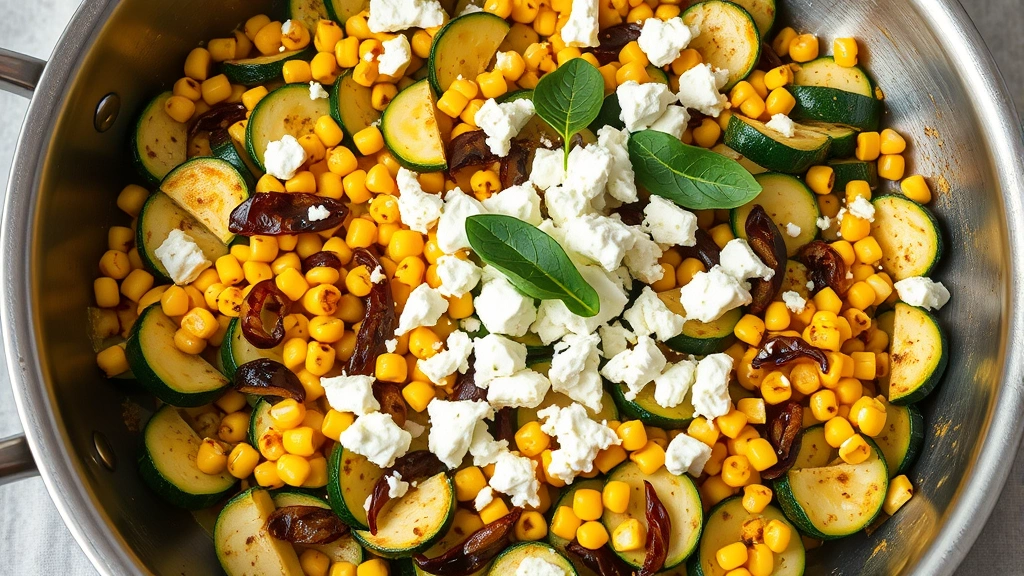
Transfer your calabacitas to a serving dish and top generously with crumbled queso fresco. The cheese will not melt completely but will soften slightly from the heat of the dish, creating pockets of creamy texture throughout. Serve immediately while still warm.
Grandma’s Secret Tips
My grandmother shared several techniques over the years that truly elevate this calabacitas recipe from good to extraordinary. First, never crowd the pan. If your skillet isn’t large enough to accommodate all the zucchini in a relatively single layer, cook in batches. Crowding creates steam, which prevents proper browning and flavor development.
Second, use lard instead of vegetable oil if possible. Lard has a higher smoke point and contributes a subtle richness that enhances the overall dish. If you’re concerned about health aspects, read our detailed article on how to cook with cast iron, which discusses various cooking fats and their benefits.
Third, don’t skip the charring step for the poblanos. The blackened skin imparts a smoky depth that’s impossible to achieve any other way. This step cannot be rushed or substituted with boiling or steaming.
Fourth, taste constantly as you cook. Every batch of vegetables has different water content and sweetness levels. Some corn is sweeter than others; some zucchini are more watery. Adjust your seasoning accordingly throughout the cooking process rather than all at once at the end.
Finally, use a heavy-bottomed skillet, preferably stainless steel or cast iron. These distribute heat evenly and prevent hot spots that can burn your vegetables. A light aluminum pan often leads to uneven cooking and burnt edges.
Variations and Adaptations
While this calabacitas recipe represents the traditional method, there are several delicious variations you can explore. For a keto-friendly approach, simply omit the corn and increase the quantity of zucchini and peppers. The dish remains delicious and becomes lower in carbohydrates.
Some regional versions include diced tomatoes, added toward the end of cooking. Use about 1 cup of fresh diced tomatoes or high-quality canned tomatoes, and add them after the zucchini has softened slightly. This creates a slightly brothier dish with more acidity.
For a protein-rich version, add cooked chorizo or shredded chicken. Brown about 6 ounces of chorizo in the skillet before adding the onion, breaking it into small pieces. Then proceed with the recipe as written. The chorizo adds a spiced, savory element that complements the vegetables beautifully.
You can also make this calabacitas recipe with other summer squash varieties. Yellow squash, pattypan squash, or even thin-skinned butternut squash all work wonderfully. Mix and match different squash varieties for visual interest and varied flavors.
Another adaptation involves roasting instead of pan-frying. Toss all prepared vegetables (except the corn and cheese) with oil, salt, and pepper, spread on a baking sheet, and roast at 425°F for 20-25 minutes, stirring halfway through. Add the corn during the last 5 minutes of roasting. This method is particularly useful when cooking for large groups.
Serving Suggestions
This calabacitas recipe serves beautifully as a side dish to grilled meats, particularly carne asada or grilled chicken. The fresh vegetables and mild peppers provide excellent balance to rich, smoky grilled proteins.
You can also serve calabacitas as a light main course, accompanied by warm flour tortillas and a simple salad. The dish is naturally vegetarian and can easily accommodate vegan diets if you omit the cheese and cream.
For a more substantial meal, serve over Mexican rice or with refried beans on the side. The combination creates a complete, satisfying dinner that’s still relatively light and healthy.
Calabacitas also makes an excellent filling for quesadillas. Spoon the cooked mixture onto a flour tortilla, add extra queso fresco, fold, and pan-fry until the tortilla is golden and crispy.
For breakfast or brunch, serve calabacitas with scrambled eggs and warm corn tortillas. The vegetables add nutrition and flavor to your morning meal.
Storage and Reheating
Calabacitas keeps well in the refrigerator for up to 4 days when stored in an airtight container. The flavors actually meld and deepen slightly overnight, making day-two servings particularly delicious.
To reheat, place the calabacitas in a skillet over medium heat, stirring occasionally until warmed through (approximately 5-7 minutes). You can add a splash of water or broth if the mixture seems dry. Alternatively, reheat in a microwave-safe container, covered, for 2-3 minutes, stirring halfway through.
Do not freeze calabacitas, as the zucchini becomes mushy and watery upon thawing. The texture suffers significantly, and the dish loses its appeal.
If you’ve made calabacitas without the cream, you can add it fresh when reheating for a creamier texture. Similarly, add fresh queso fresco and epazote just before serving for maximum flavor and visual appeal.
FAQ
Can I make calabacitas without poblano peppers?
Yes, though poblanos are traditional. You can substitute with bell peppers (though they lack the smoky flavor), Anaheim peppers, or even jalapeños for heat. Some cooks use a combination of peppers for complexity. The dish will taste different but still delicious.
Is epazote absolutely necessary?
Epazote is traditional but optional. It adds a distinctive peppery flavor, but the dish is perfectly fine without it. If you cannot find fresh epazote, omit it rather than using dried, which has a different flavor profile. Some specialty stores and Mexican markets carry fresh epazote during summer months.
How do I know when the zucchini is done?
The zucchini should be tender enough to cut easily with a wooden spoon but still maintain its shape. It should not be mushy or falling apart. The edges should have some light browning for flavor development. Cooking time varies from 12-20 minutes depending on zucchini size, moisture content, and your specific stove.
Can I prepare calabacitas ahead of time?
You can prep all ingredients several hours ahead: roast and slice the peppers, cut the zucchini, shuck the corn, and mince the aromatics. Store each component separately. However, cook the dish close to serving time for best texture and flavor. You can reheat gently if needed.
What’s the difference between calabacitas and calabacitas con queso?
Calabacitas refers to the basic squash and pepper dish. Calabacitas con queso specifically indicates cheese is added, which can be stirred into the hot mixture or served on top. Some versions add cream or evaporated milk as well, creating a richer, more indulgent dish.
How spicy is this calabacitas recipe?
Poblano peppers are mild with just a hint of heat, making this dish family-friendly. If you want more spice, add serrano peppers or jalapeños. For less heat, omit peppers entirely or use bell peppers instead.
Can I use frozen zucchini?
Fresh zucchini is strongly preferred because frozen zucchini becomes very watery and mushy when thawed. If you must use frozen, thaw completely and squeeze out excess moisture in a clean kitchen towel before cooking. The texture will still be softer than fresh.
What wine pairs well with calabacitas?
A crisp white wine like Sauvignon Blanc, Pinot Grigio, or a Mexican Albariño complements the fresh vegetables beautifully. For red wine drinkers, a light Pinot Noir works nicely. Beer, particularly Mexican lager or a light wheat beer, is also excellent with this dish.
For additional culinary inspiration, explore fall recipes that use similar cooking techniques and seasonal ingredients. You might also enjoy watching food documentaries about Mexican cuisine to deepen your appreciation for authentic cooking methods.
This calabacitas recipe represents generations of Mexican home cooking tradition. By following my grandmother’s method and understanding the techniques behind each step, you’ll create a dish that honors culinary heritage while nourishing your family. The simplicity of ingredients belies the depth of flavor achieved through proper technique and quality components. Start with this authentic version, then feel free to adapt it to your preferences and available ingredients. Either way, you’ll be creating a dish that brings people together around the table.


