
Char Siu Perfection? Tried & Tested Recipe
Char siu, the legendary Cantonese barbecued pork, represents one of Asia’s most beloved culinary traditions. With its caramelized exterior, tender meat, and sweet-savory glaze, this iconic dish has captivated food lovers for generations. Whether you’re dining in a dim sum restaurant or attempting this masterpiece at home, authentic char siu combines precision, quality ingredients, and time-honored techniques to achieve that perfect balance of smoky, sweet, and umami flavors.
This comprehensive guide walks you through creating restaurant-quality char siu in your own kitchen. We’ll explore ingredient selection, marinading strategies, cooking methods, and professional tips that transform ordinary pork into something extraordinary. Whether you prefer traditional oven roasting, grilling, or modern alternatives, you’ll discover the exact techniques used by professional chefs to achieve that signature glossy red exterior and succulent interior that makes char siu irresistible.
The beauty of mastering this versatile protein preparation lies in understanding how each component contributes to the final result. From selecting the right cut of pork to perfecting your glaze consistency, every decision impacts your success. Let’s dive into the secrets that separate good char siu from truly exceptional char siu.
Understanding Char Siu Fundamentals
Char siu translates to “fork roast” in Cantonese, reflecting the traditional method of cooking this dish on vertical spits over open flames. The characteristic red-brown exterior comes from the combination of spices, sugar, and soy sauce that caramelize during cooking. Understanding the science behind this transformation helps you replicate it successfully.
The marinade is where char siu magic begins. This isn’t simply a flavor-soaking step; it’s a chemical process where salt penetrates muscle fibers, sugar begins enzymatic breakdown of proteins, and spices infuse deep flavors throughout the meat. The Maillard reaction—that delicious browning that occurs when proteins and sugars combine under heat—creates the distinctive color and complex flavors that define authentic char siu.
Temperature control plays a crucial role in achieving tender, juicy results. High heat creates the caramelized exterior, while moderate heat ensures the interior cooks evenly without drying out. Many home cooks fail at char siu because they either use insufficient heat (resulting in pale, steamed meat) or excessive heat (creating a burnt exterior with an undercooked interior). Balance is essential.

Selecting Your Pork Cut
The cut you choose fundamentally determines your char siu’s texture and flavor potential. Pork shoulder, also called pork butt or Boston butt, remains the gold standard for char siu preparation. This cut contains the perfect ratio of fat to lean meat, providing moisture and flavor during cooking. The shoulder’s marbling ensures the meat stays juicy even with extended cooking times.
Look for pork shoulder with visible fat distribution rather than lean cuts. The fat renders during cooking, basting the meat and keeping it succulent. A 3 to 4-pound section works beautifully for home cooking—large enough to absorb flavors deeply but manageable for even cooking. Ask your butcher to cut the shoulder into long strips about 2 to 3 inches thick, following the grain for easier slicing later.
Some cooks prefer pork belly for its higher fat content, creating even more tender results. While this works wonderfully, it tends to be more expensive and fattier than traditional shoulder. Pork loin, conversely, should be avoided as its low fat content results in dry, disappointing char siu. Quality matters significantly—source your pork from reputable butchers who can speak to the animal’s origin and handling.
The Essential Marinade Formula
Authentic char siu marinade balances five key flavor components: sweetness, saltiness, umami, spice, and aromatic depth. The traditional formula includes hoisin sauce, soy sauce, oyster sauce, sugar, and spices like five-spice powder, garlic, and ginger. Understanding each ingredient’s role helps you adjust the recipe to your preferences.
Hoisin sauce provides sweetness, deep color, and complex fermented flavors. This thick, dark sauce derived from soybeans and spices forms the marinade’s foundation. Soy sauce adds saltiness and umami depth, penetrating the meat and enhancing its natural flavors. Dark soy sauce intensifies the color more than light soy sauce. Oyster sauce contributes additional umami and slight sweetness, rounding out the flavor profile beautifully.
Brown sugar or honey provides caramelization potential and sweetness. Sugar doesn’t just taste good—it browns under heat, creating that signature glossy finish. Five-spice powder (containing star anise, cloves, cinnamon, Sichuan pepper, and fennel) delivers warmth and complexity. Fresh garlic and ginger add pungency and aromatic lift.
Here’s a tested marinade formula for 3 to 4 pounds of pork:
- 1/2 cup hoisin sauce
- 1/4 cup soy sauce (dark if possible)
- 3 tablespoons oyster sauce
- 1/4 cup brown sugar
- 3 tablespoons honey
- 2 tablespoons five-spice powder
- 6 cloves garlic, minced
- 2 tablespoons fresh ginger, minced
- 1 tablespoon rice vinegar
- 1 teaspoon white pepper
- 2 tablespoons sesame oil
- 1/4 cup water or chicken broth
Combine all ingredients in a bowl, whisking until sugar dissolves completely. The consistency should be pourable but thick—not runny, not paste-like. This marinade will coat the meat thoroughly while allowing flavors to penetrate deeply during the marinating process.
Preparation and Marinating Process
Pat your pork dry with paper towels before marinading. Moisture on the surface prevents the marinade from adhering properly and can create steam during cooking rather than the desired caramelization. Score the fat cap with a sharp knife, making shallow cuts in a crosshatch pattern. These scores allow marinade to penetrate while the fat renders during cooking.
Place pork strips in a large bowl or ziplock bag. Pour marinade over the meat, ensuring complete coverage. If using a bag, remove excess air and massage the marinade into the meat for several minutes. This physical action helps distribute flavors and begins the marinating process actively.
Marinating time significantly impacts flavor development. A minimum of 4 hours produces decent results, but 8 to 12 hours yields superior depth. For absolute best results, marinate for 24 hours. The longer marinating time allows salt to penetrate muscle fibers through osmosis, proteins to denature slightly, and flavors to develop complexity. Reserve approximately 1/2 cup of marinade separately for basting during cooking—never reuse marinade that’s contacted raw pork.
During marinating, store the pork in the refrigerator. Cold temperatures slow bacterial growth while allowing enzymatic processes to continue. Every 4 to 6 hours, massage the bag or turn the meat in the bowl to ensure even marinade distribution. This attention to detail creates more uniform flavor throughout the finished char siu.
Cooking Methods Explained
Oven Roasting Method
This is the most accessible method for home cooks. Preheat your oven to 400°F (200°C). Arrange marinated pork strips on a wire rack placed over a baking sheet lined with foil. The rack allows heat to circulate around the meat, creating even cooking and the signature exterior crust. The foil catches drippings for easy cleanup.
Roast for 20 to 25 minutes at 400°F, then reduce heat to 325°F (163°C) and continue roasting for another 30 to 40 minutes, depending on thickness. The meat should reach an internal temperature of 160°F (71°C) for food safety. Brush with reserved marinade every 10 minutes during cooking, building layers of glaze. This frequent basting creates the characteristic sticky, caramelized coating.
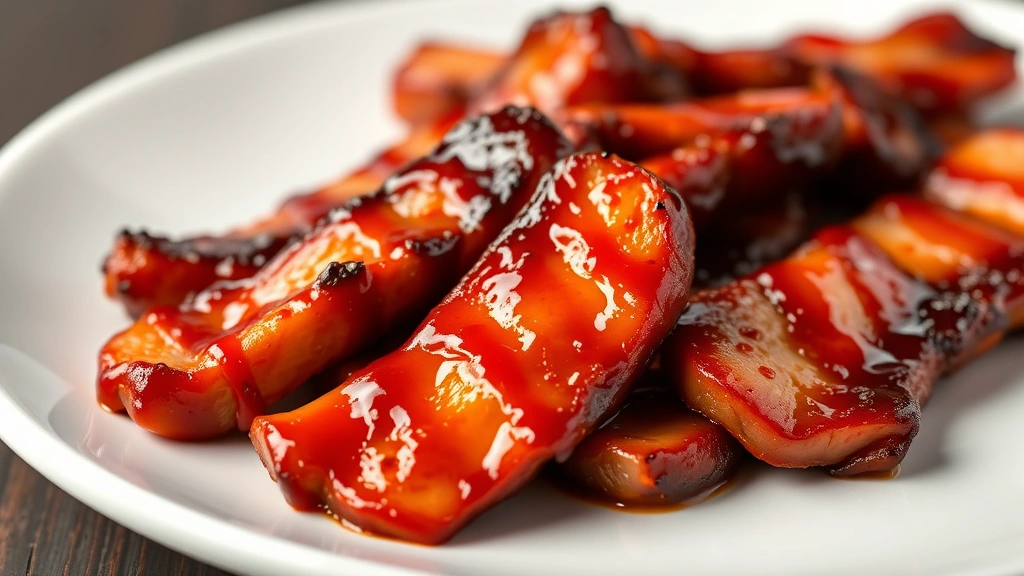
The exterior should develop a deep mahogany color with some charred edges. If your pork isn’t browning adequately, increase oven temperature to 425°F (218°C) for the final 5 to 10 minutes. Watch carefully to prevent burning. The finished char siu should have a glossy, slightly tacky exterior with meat that pulls apart easily.
Grilling Method
Grilling creates authentic char siu with superior smoky flavor. Prepare a gas or charcoal grill for medium-high heat (around 375°F or 190°C). Oil your grill grates thoroughly to prevent sticking. Place marinated pork strips directly on the grates, away from direct flame if possible.
Grill for 15 to 20 minutes per side, rotating every 5 minutes to ensure even cooking and prevent flare-ups. Brush with reserved marinade each time you rotate the meat. If using charcoal, position pork to the side of direct coals rather than directly over them, creating a gentler heat. This prevents exterior burning while allowing interior cooking.
Grilling requires more attention than oven roasting, but rewards you with superior flavor and authentic results. The smoky char combines beautifully with the sweet glaze, creating complexity that oven roasting alone cannot match.
Pressure Cooker Method
For faster results, consider a pressure cooker approach. This works best when you’re short on time but still want excellent flavor. Marinate pork for at least 4 hours. Place marinated pork in the pressure cooker with 1 cup of reserved marinade and 1/2 cup water. Set to high pressure for 25 minutes.
After pressure cooking, transfer pork to a baking sheet and finish under a preheated broiler for 8 to 10 minutes, brushing with remaining marinade. This final step creates the essential caramelized exterior that defines char siu. While quicker than traditional methods, this approach requires the broiler finishing step to achieve authentic results. For more information on pressure cooking techniques, consult our comprehensive pressure cooker guide.
Glazing and Caramelization Techniques
The glaze transforms good char siu into exceptional char siu. This isn’t merely a surface coating—it’s a flavor-building layer that caramelizes, creating complexity and visual appeal. The key is frequent basting with reduced marinade rather than applying glaze only at the end.
Reserve your marinade before adding raw pork, keeping at least 1/2 cup separate. During cooking, brush this reserved marinade onto the meat every 8 to 10 minutes. Each application creates a new layer that caramelizes in the heat, building depth. By the end of cooking, you’ll have multiple glaze layers, each contributing unique flavors.
For an even glossier finish, prepare a glaze reduction. Simmer your reserved marinade in a saucepan over medium heat for 5 to 7 minutes, allowing it to reduce and thicken. This concentrated glaze adheres better to the meat and caramelizes more intensely. Apply this reduction during the final 10 minutes of cooking for a professional-quality finish.
Monitor your oven temperature carefully during the final cooking stages. If the exterior isn’t browning adequately, increase temperature to 425°F (218°C) for the last 8 to 10 minutes. If it’s browning too quickly, reduce temperature to prevent burning before the interior reaches proper doneness. This balance between exterior caramelization and interior tenderness defines successful char siu.
Consider finishing your char siu under the broiler for 2 to 3 minutes if you want an extra-glossy, slightly charred exterior. Position the rack 6 to 8 inches from the broiler element and watch constantly to prevent burning. This final step creates that restaurant-quality appearance that impresses dinner guests.
Serving and Storage Solutions
Allow cooked char siu to rest for 5 to 10 minutes before slicing. This resting period allows juices to redistribute throughout the meat, ensuring moist, tender results. Slice against the grain for maximum tenderness—this breaks up muscle fibers, creating a more pleasant texture.
Char siu serves beautifully in numerous applications. Enjoy it with jasmine rice and steamed bok choy for an authentic meal. Use it in sauce applications for noodle dishes. Shred it for steamed buns (char siu bao), add it to fried rice, or use it as a protein component in Asian salads. The versatility of this preparation makes it an excellent make-ahead protein.
For storage, keep cooked char siu in an airtight container in the refrigerator for up to 4 days. The glaze actually helps preserve the meat by creating a protective coating. Reheat gently in a 325°F (163°C) oven for 10 to 15 minutes, brushing with a bit of water or broth to prevent drying. Microwave reheating is faster but can result in uneven heating and texture loss.
Char siu freezes beautifully for up to 3 months. Wrap individual portions in plastic wrap, then place in freezer bags to prevent freezer burn. Thaw in the refrigerator overnight before reheating. The glaze actually improves after freezing as flavors meld during storage.
This versatile cooking technique also works wonderfully with other proteins. While pork remains traditional, adventurous cooks experiment with chicken, duck, and even tofu using similar marinading and cooking approaches.
FAQ
Can I make char siu without hoisin sauce?
Hoisin sauce provides essential color and flavor, but you can substitute it with equal parts soy sauce and tomato paste combined with a bit of molasses. This won’t taste identical but produces acceptable results. For authenticity, sourcing hoisin sauce is worth the effort—it’s available in most grocery stores and Asian markets.
Why is my char siu turning out dry?
Dry char siu typically results from overcooking, insufficient marinating, or poor cut selection. Ensure you’re using pork shoulder with visible fat, marinating for at least 8 hours, and cooking to an internal temperature of 160°F (71°C) rather than higher. Frequent basting also prevents drying.
How do I achieve that red color without food coloring?
The red color comes naturally from hoisin sauce, soy sauce, and caramelization. Dark soy sauce intensifies the color significantly. Some traditional recipes use a tiny bit of red food coloring for restaurant-quality appearance, but it’s entirely optional for home cooking.
Can I make char siu ahead of time?
Absolutely! Marinate pork up to 24 hours in advance. Cook it 2 to 3 days ahead, storing in the refrigerator. Reheat gently before serving. This makes char siu excellent for meal planning and entertaining.
What’s the best way to slice char siu?
Use a sharp knife and slice against the grain at a slight angle (about 30 degrees). This creates attractive presentation while maximizing tenderness. Slicing at an angle makes each piece slightly thicker, preventing them from drying out during reheating.
Can I use this marinade for other meats?
Yes! This marinade works beautifully with chicken thighs, duck, and even certain fish. Reduce cooking times significantly for chicken and fish. The technique applies universally to any protein you’d like to char siu-style.


