Chayote Squash Stir-Fry: A Home Cook Favorite
Chayote squash stir-fry represents one of the most versatile and approachable dishes for home cooks seeking to expand their vegetable repertoire. This mild, slightly sweet vegetable transforms beautifully when combined with savory aromatics, tender proteins, and bold seasonings. Whether you’re preparing a quick weeknight dinner or impressing guests with authentic Asian-inspired cuisine, chayote squash delivers consistent, delicious results that keep families coming back for more.
The beauty of chayote squash lies in its neutral flavor profile and delicate texture that absorbs surrounding flavors while maintaining structural integrity throughout cooking. Unlike some vegetables that turn mushy or bitter under heat, chayote maintains a pleasant crunch and subtle sweetness that complements both traditional stir-fry components and creative flavor combinations. Home cooks appreciate how forgiving this vegetable is—it’s nearly impossible to overcook in a properly managed stir-fry, making it perfect for beginners and experienced cooks alike.
Selecting and Preparing Chayote Squash
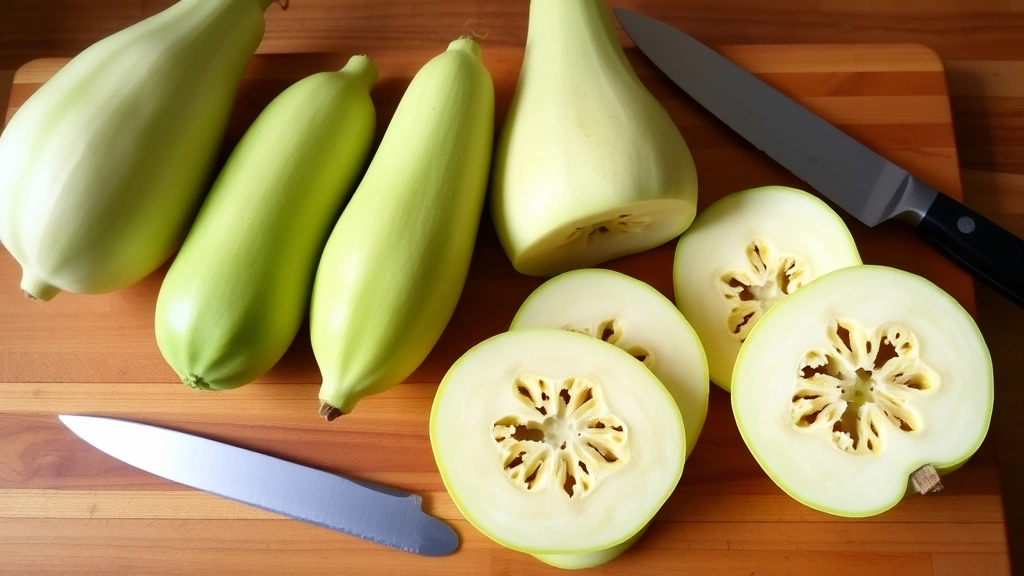
Choosing quality chayote squash at the market sets the foundation for exceptional stir-fry results. Look for specimens that feel firm to the touch with unblemished, pale green skin. Avoid squash with soft spots, wrinkled skin, or visible damage, as these indicate aging or mishandling. Medium-sized chayotes (roughly the size of a pear) offer the best balance of tender flesh and manageable cooking time. Oversized specimens sometimes develop a tougher, more fibrous interior, while tiny ones may lack sufficient flesh for satisfying portions.
Preparation requires minimal effort but careful technique. Rinse chayotes under cool running water while gently scrubbing with a vegetable brush to remove surface dirt. Using a sharp chef’s knife, slice each squash lengthwise in half. You’ll notice a large, flat pit in the center—this is edible and tender when cooked, but many cooks prefer removing it. To extract the pit, use a small spoon or melon baller to gently scoop it out. Some cooks find the pit adds texture and nutrition, so inclusion is entirely a matter of personal preference.
Once halved, chayote squash becomes remarkably easy to process. Unlike harder winter squashes, chayote yields readily to standard kitchen knives. Cut each half into thin half-moons approximately one-quarter inch thick, or julienne into matchstick-sized pieces if you prefer faster cooking and more delicate texture. Thinner cuts cook more quickly and absorb sauce flavors more readily, while thicker pieces maintain more structural integrity and develop subtle caramelization at the edges. For home cooks using standard stir-fry techniques, half-moon slices offer the ideal balance.
Essential Ingredients and Aromatics
The foundation of exceptional chayote squash stir-fry begins with properly prepared aromatics. Garlic and ginger form the aromatic base—mince four to six cloves of fresh garlic and one tablespoon of fresh ginger into small, uniform pieces. Fresh ginger delivers superior flavor compared to ground versions; the bright, peppery notes cut through richness and complement chayote’s delicate sweetness beautifully. Scallions add finishing brightness; reserve white and light green portions for cooking and reserve dark green tops for garnish.
Soy sauce serves as the primary seasoning liquid, providing umami depth and saltiness. Use quality soy sauce from reputable producers—the difference between premium and generic versions is immediately apparent in the finished dish. Oyster sauce adds subtle sweetness and body without overpowering chayote’s mild character. For home cooks seeking depth, a small splash of sesame oil (approximately one teaspoon) at the end of cooking adds nutty complexity. Rice vinegar brightens the overall flavor profile; a tablespoon added near the end of cooking prevents the dish from becoming one-dimensional.
Oil selection impacts both flavor and cooking performance. Neutral oils like vegetable, canola, or peanut oil maintain high smoke points necessary for proper stir-frying. Peanut oil, particularly prized in Asian cooking, adds subtle flavor without overwhelming other components. Avoid olive oil, which has a lower smoke point and assertive flavor that clashes with traditional stir-fry profiles. Keep your chosen oil at room temperature before cooking—cold oil splatters and cooks unevenly.
Fresh chilies introduce optional heat and complexity. Thai bird’s eye chilies, Fresno peppers, or even jalapeños work beautifully; slice them thinly and remove seeds if you prefer milder heat. White pepper, used instead of black pepper in many Asian kitchens, provides warmth without the visual distraction of black specks. A pinch of sugar (approximately one-half teaspoon) rounds out flavors without making the dish noticeably sweet—it balances saltiness and acidity while enhancing natural vegetable flavors.
Mastering the Stir-Fry Technique
Successful stir-frying demands preparation before heat is applied—professional cooks call this mise en place. Arrange all ingredients in small bowls within arm’s reach: prepared chayote, minced garlic, ginger, soy sauce, oyster sauce, vinegar, sesame oil, and any proteins or additional vegetables. This setup prevents frantic searching once cooking begins, ensuring even browning and proper timing.
Heat your wok or large skillet over medium-high heat for two minutes before adding oil. A properly heated cooking vessel is essential; water droplets should sizzle and evaporate immediately when the surface is ready. Add two tablespoons of oil and swirl to coat the entire surface. Wait approximately thirty seconds for the oil to shimmer and just begin smoking—this indicates the optimal temperature for stir-frying.
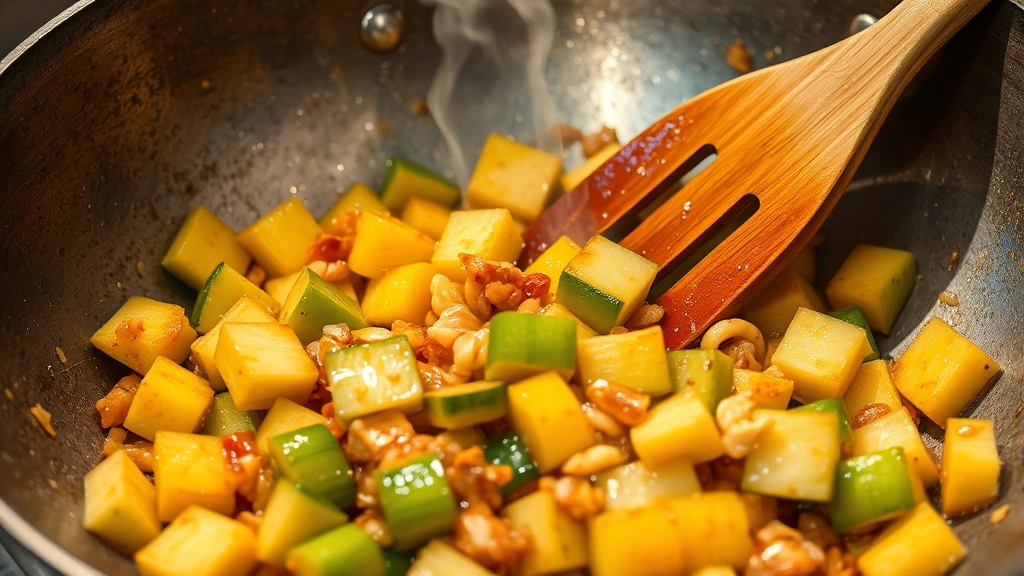
Add minced garlic and ginger immediately, stirring constantly for fifteen to twenty seconds until fragrant. This brief cooking period releases aromatic compounds while preventing burning. The kitchen should smell distinctly of fresh ginger and garlic—if you smell burned or overly sharp notes, your heat was excessive. Add prepared chayote squash pieces, stirring continuously for three to four minutes. The vegetable will begin releasing moisture; this is normal and desirable as it creates steam that partially cooks the interior while the exterior develops light browning.
Once chayote begins softening slightly (approximately four minutes), add any proteins or additional vegetables. If using meat like in our Bistek Recipe style preparation, ensure it’s pre-cooked or thinly sliced to cook through quickly. Proteins should be added only when chayote is partially cooked, preventing overcooking while ensuring everything finishes simultaneously. Stir constantly, using a wooden spoon or wok spatula to move ingredients from the bottom and sides to the center, ensuring even cooking.
When chayote reaches your preferred tenderness (still maintaining slight crunch after five to six minutes total cooking), add soy sauce and oyster sauce. The liquids will sizzle dramatically; this is the Maillard reaction creating complex flavors. Stir continuously for one minute, allowing the sauce to coat all ingredients evenly. Add rice vinegar and sesame oil, stirring for another thirty seconds. Taste the dish and adjust seasonings—add more soy sauce for saltiness, vinegar for brightness, or sesame oil for nuttiness.
Finish with scallion greens, stirring gently to distribute. Transfer immediately to serving vessels; stir-fry continues cooking residually from carryover heat, and prolonged sitting in the wok may result in overcooking. The entire cooking process from oil heating to plating should take approximately eight to ten minutes.
Flavor Variations and Protein Pairings
Chayote squash stir-fry adapts beautifully to countless protein and flavor combinations. For beef preparations, thinly sliced flank steak or sirloin works excellently; marinate for thirty minutes in soy sauce, ginger, and sesame oil before cooking. The approach mirrors our Recipe for Pepper Steak, though chayote offers lighter, more delicate results than traditional bell peppers. Cook the beef separately until desired doneness, then add during the final minute of vegetable cooking to prevent overcooking.
Chicken breast, sliced thin and cut into bite-sized pieces, provides lean protein that cooks in approximately three to four minutes when incorporated with chayote. Shrimp presents another excellent option—add medium-sized shrimp only in the final two minutes to prevent rubbery texture. Fish fillets, particularly white varieties like cod or halibut, can be broken into chunks and added near the end, cooking gently in the residual heat.
For those seeking Carne Asada Marinade Recipe inspired flavors, adapt traditional Mexican spice profiles by incorporating cumin, oregano, and lime juice alongside standard soy-based seasonings. This fusion approach creates exciting cross-cultural dishes that home cooks find endlessly interesting. Add cilantro instead of scallions and finish with lime wedges for brightness.
Vegetarian versions shine by increasing vegetable variety. Bell peppers, mushrooms, snap peas, and broccoli florets complement chayote beautifully. Add harder vegetables like carrots and broccoli first, allowing them three to four minutes before adding chayote. Mushrooms release significant moisture, so increase heat slightly to evaporate excess liquid and develop deeper flavors. Cashews or peanuts, toasted separately and added at the finish, provide textural contrast and richness.
Spice enthusiasts can increase chili peppers, add Sichuan peppercorns for numbing heat, or incorporate chili-garlic sauce for intensity. Start conservatively—you can always add more heat, but removing it is impossible. Those preferring subtle, delicate preparations should omit chili entirely and focus on ginger and white pepper for warming spice.
Serving Suggestions and Storage
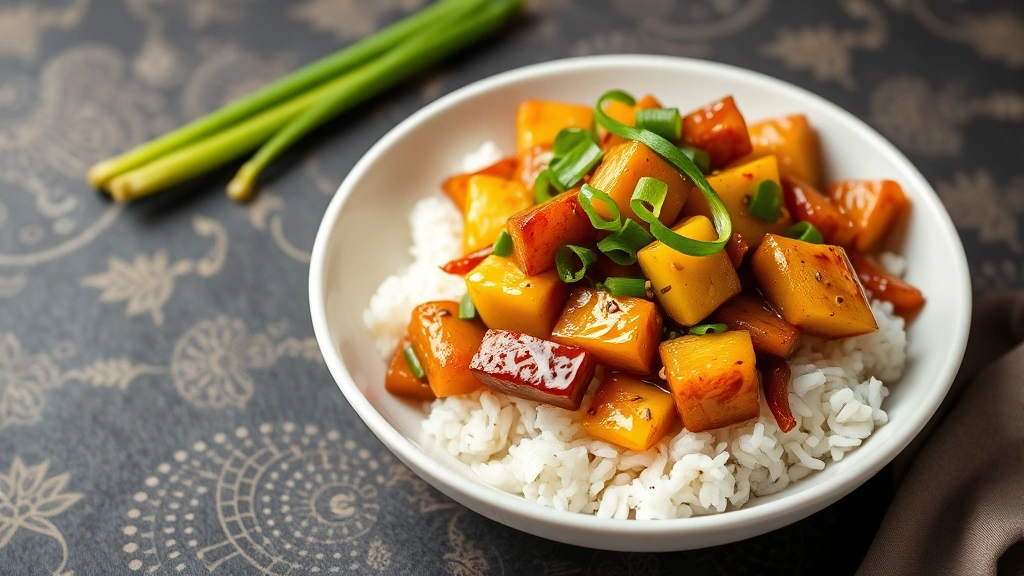
Chayote squash stir-fry serves beautifully over steamed white rice, jasmine rice, or brown rice. The mild vegetable allows rice’s subtle nuttiness to shine while the sauce coats grains evenly. Noodles—whether egg noodles, ramen, or rice noodles—provide excellent alternatives. For lower-carbohydrate options, serve over cauliflower rice or alongside roasted vegetables.
Presentation matters for home entertaining. Arrange stir-fry in shallow bowls, allowing sauce to pool slightly. Garnish generously with reserved scallion greens, toasted sesame seeds, and fresh cilantro if using. A lime wedge on the side offers optional brightness. The dish’s vibrant pale green color and glistening sauce create naturally appealing presentation requiring minimal effort.
Complementary side dishes elevate the meal. A simple Salmon Marinade Recipe prepared separately creates elegant protein-forward meals, or consider traditional pickled vegetables for sharp, acidic contrast. Miso soup provides warming, umami-rich accompaniment. Fresh fruit like mandarin oranges or pineapple offers refreshing finish to rich stir-fry meals.
Storage requires proper technique to maintain quality. Refrigerate leftovers in airtight containers for up to three days. The stir-fry will soften slightly as chayote continues absorbing sauce, but flavor actually improves as components meld. Reheat gently over medium heat with a splash of water or broth, stirring occasionally to prevent sticking. Alternatively, reheat in the microwave at fifty percent power for two to three minutes, stirring halfway through. Avoid high-heat reheating, which may cause sauce to separate.
Freezing is possible but not recommended for optimal texture. Chayote develops a slightly mushy consistency after thawing due to its high water content and delicate cell structure. If freezing is necessary, undercook the stir-fry slightly before freezing, allowing reheating to complete cooking. Most home cooks find fresh preparation superior and recommend making fresh batches rather than relying on frozen versions.
Make-ahead preparation streamlines weeknight cooking. Prepare chayote, garlic, and ginger the morning of serving, storing separately in airtight containers in the refrigerator. Combine sauce ingredients in a small jar. When ready to cook, simply heat your wok and begin cooking—the actual cooking time remains only eight to ten minutes, making this an ideal weeknight dinner solution.
FAQ
Can I use frozen chayote squash for stir-fry?
Fresh chayote is strongly preferred for stir-fry due to its firm texture and ability to maintain crunch during cooking. Frozen chayote becomes quite soft and watery when thawed, resulting in mushy stir-fry. If frozen is your only option, thaw completely, pat very dry with paper towels, and reduce cooking time significantly. The results won’t match fresh preparations, but the dish remains edible.
What’s the difference between chayote and zucchini in stir-fry?
While both are mild-flavored summer squashes, chayote offers firmer texture that maintains crunch better than zucchini. Chayote’s subtle sweetness is more delicate, while zucchini tends toward earthiness. Zucchini releases more moisture during cooking, potentially creating watery stir-fry unless handled carefully. Chayote is generally superior for traditional stir-fry, though zucchini works acceptably as substitution.
Should I peel chayote before cooking?
The thin skin is entirely edible and contains valuable nutrients. Most home cooks leave the skin intact, which also helps the vegetable maintain structural integrity during cooking. If you prefer peeled chayote, use a vegetable peeler after cutting in half; the skin removes easily. Peeling before cooking makes handling more difficult and increases waste, so most cooks recommend leaving skin on.
Can chayote stir-fry be made in advance?
Yes, but with caveats. Prepare all ingredients the morning of serving and store separately. Cooking should happen just before serving to maximize texture and flavor. The dish can be held warm for fifteen to twenty minutes in a covered container, but longer holding times result in continued softening. For meal-prep purposes, consider preparing components separately and assembling fresh stir-fry when needed.
What wok type is best for home cooking?
Carbon steel woks heat evenly and develop seasoning over time, making them excellent long-term investments. Stainless steel woks are durable and low-maintenance but don’t develop the patina that improves non-stick properties. Non-stick woks simplify cleanup but may have lower heat capacity. For home cooks, a fourteen-inch carbon steel wok represents the best balance of performance, durability, and value. Flat-bottomed woks suit electric stovetops better than rounded versions.
How do I prevent chayote from becoming mushy?
The key is proper heat management and timing. Use sufficiently high heat to cook quickly without steaming. Keep chayote pieces uniform in size for even cooking. Avoid covering the wok, which traps steam and accelerates softening. Add chayote only when oil and aromatics are properly heated. If you prefer very firm chayote, reduce cooking time to four to five minutes, accepting slightly less sauce absorption. Proper technique prevents mushiness entirely.
Can I make this dish spicy?
Absolutely. Add fresh chilies during the garlic-ginger stage, or incorporate chili-garlic sauce, sriracha, or sambal oelek during sauce incorporation. Start with small amounts—approximately one-half teaspoon of chili paste—and adjust to taste. Thai bird’s eye chilies deliver intense heat in small packages; remove seeds for milder results. Sichuan peppercorns add numbing sensation without traditional heat if you prefer unusual spice profiles.


