How to Cook Date Palm Dishes? Pro Tips Inside!
Date palms have been cultivated for thousands of years across the Middle East, North Africa, and South Asia, providing not just the sweet fruits we know, but also tender hearts, nutritious shoots, and versatile leaves. Cooking with date palm ingredients opens up a world of culinary possibilities that extend far beyond simple date consumption. Whether you’re working with fresh date palm hearts, dried dates, or the tender shoots, understanding proper preparation techniques will elevate your cooking game significantly.
The edible parts of the date palm tree offer distinct flavors and textures that can transform both savory and sweet dishes. From the delicate, almost creamy texture of palm hearts to the rich sweetness of mature dates, each component brings something unique to your kitchen. This comprehensive guide will walk you through essential techniques, creative recipes, and professional tips that professional chefs use when working with these remarkable ingredients.
Understanding Date Palm Components
The date palm tree (Phoenix dactylifera) offers several edible components, each with distinct culinary applications. The most commonly used parts in cooking include date palm hearts (also called palm cores or millionaire’s salad), fresh dates at various ripeness stages, dried dates, and occasionally the tender shoots. Understanding what each component brings to your cooking will help you make informed decisions about which to use in specific dishes.
Date Palm Hearts are the tender inner cores harvested from young palms. These creamy, slightly fibrous vegetables have a delicate flavor reminiscent of artichokes and hearts of palm. They’re typically found canned or jarred in specialty stores, though fresh hearts are occasionally available in Middle Eastern markets. The texture is soft and requires minimal cooking, making them ideal for salads, stir-fries, and light preparations.
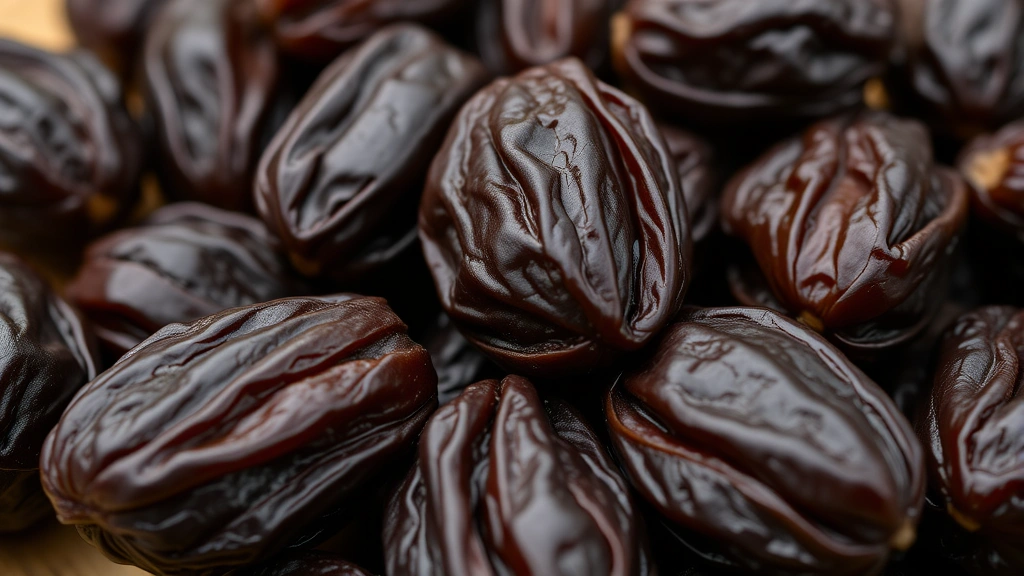
Fresh Dates vary dramatically depending on the variety and ripeness stage. Soft varieties like Medjool and Deglet Noor offer different moisture levels and sweetness profiles. Early-stage dates are firmer and less sweet, while fully ripe dates are almost caramel-like in texture. Each stage serves different culinary purposes, from using firm dates in savory applications to incorporating soft dates into desserts and stuffed preparations.
Dried Dates concentrate the natural sugars and provide intense sweetness with deep, complex flavors. They’re excellent for baking, making pastes, creating sauces, and adding to grain dishes. The drying process transforms the fruit entirely, creating a ingredient that behaves differently in cooking than fresh dates.
Selecting and Storing Date Palm Ingredients
Professional cooks know that ingredient quality determines final dish quality. When selecting date palm components, look for signs of freshness and proper storage. Fresh date palm hearts should have no discoloration, soft spots, or off-odors. If purchasing canned hearts, choose those packed in water rather than heavy syrups, giving you more control over final dish flavors.
For fresh dates, examine them closely for mold, crystallization, or insect damage. The skin should be taut without deep wrinkles (though some wrinkling is natural). Different varieties mature at different times, so understanding your local growing season helps you source the best products. Medjool dates, known for their large size and rich flavor, peak in autumn months in most markets.
Storage is critical for maintaining quality. Fresh dates keep for 1-2 weeks at room temperature in a cool location, or up to 3 months refrigerated in airtight containers. Dried dates last 6-12 months in cool, dry storage, though refrigeration extends this significantly. Date palm hearts in jars keep unopened for up to 2 years; once opened, use within 5-7 days when refrigerated. Freezing date palm hearts in airtight containers preserves them for up to 6 months, though texture becomes slightly softer upon thawing.
Essential Preparation Techniques
Proper preparation is foundational to successful date palm cooking. Each component requires specific handling to maximize flavor and texture while minimizing waste. Let’s explore the essential techniques professional cooks employ.
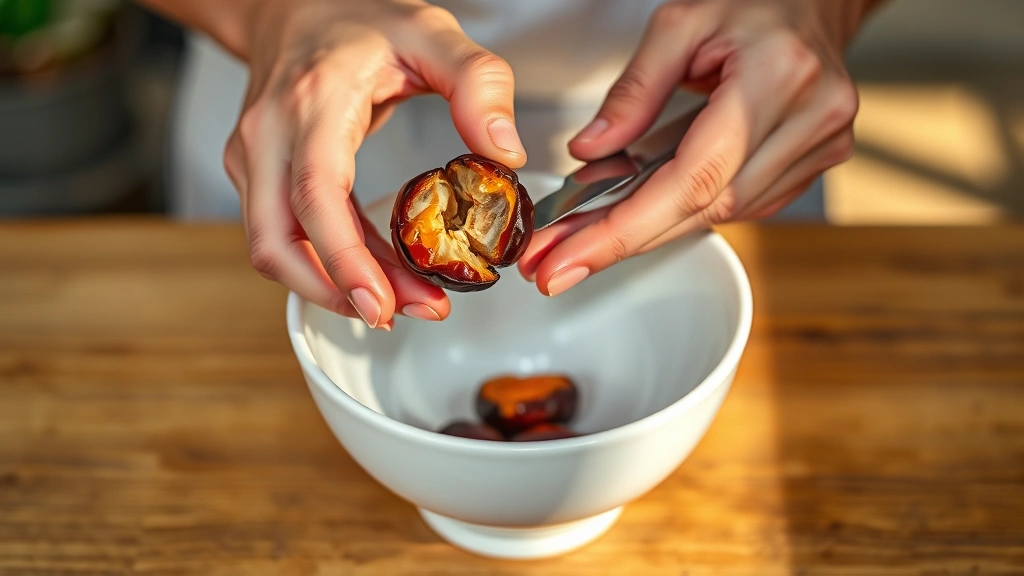
Preparing Fresh Dates: Start by rinsing dates under cool water, rubbing gently to remove any dust or debris. For pitted dates, use a small sharp knife to cut lengthwise around the pit, then twist the halves apart and remove the pit with your fingers or a small spoon. For stuffing applications, create a small opening at the top and carefully remove the pit through this opening, keeping the date intact. If dates are overly firm, soak them in warm water for 15-20 minutes before pitting, which softens the flesh and makes removal easier.
Processing Dried Dates: Dried dates destined for pastes or spreads should be pitted first. Soak them in warm water for 10-15 minutes to soften, then pit and blend with minimal liquid to create smooth pastes. For dates going into baked goods, you can often use them whole or chop them finely depending on your recipe. Some professional bakers recommend soaking dried dates in hot tea or coffee to add depth to baked items.
Handling Date Palm Hearts: Canned hearts need only draining and rinsing before use. Pat them dry with paper towels to prevent excess moisture in your final dish. If using fresh hearts (rarely available), trim the outer layers carefully with a sharp knife, removing any tough or discolored portions. Slice or chop according to your recipe requirements. The tender flesh requires minimal cooking—often just 2-3 minutes in hot preparations—to maintain its delicate texture.
Savory Date Palm Heart Recipes
Date palm hearts shine in savory applications where their subtle flavor complements other ingredients without overwhelming. Professional chefs often treat them similarly to artichoke hearts or asparagus, using quick cooking methods that preserve their delicate nature.
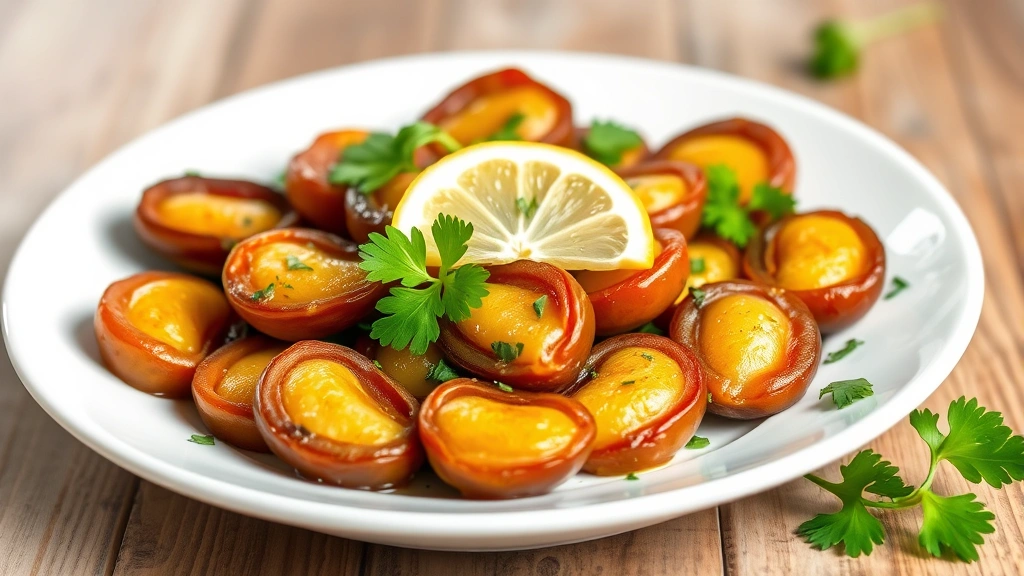
Sautéed Date Palm Hearts with Garlic and Lemon: This foundational preparation highlights the ingredient’s pure flavor. Heat olive oil in a large skillet over medium-high heat. Add minced garlic and sauté for 30 seconds until fragrant. Add drained date palm hearts and cook for 2-3 minutes, stirring occasionally. Season with sea salt, fresh cracked pepper, and a squeeze of fresh lemon juice. Finish with fresh parsley and serve immediately. The simplicity of this preparation allows the delicate vegetable quality of the hearts to shine. Consider pairing this with Peruvian chicken recipe for a complete meal.
Date Palm Hearts in Stir-Fry: Cut drained hearts into 2-inch pieces. Heat a wok or large skillet with a high-smoke-point oil over high heat. Add aromatics like ginger, garlic, and scallions, cooking for 30 seconds. Add your protein (shrimp, chicken, or tofu), cooking until nearly done. Add date palm hearts in the final minute of cooking, stirring constantly. Finish with a sauce—consider making a Pad Thai sauce recipe for Thai-inspired flavors or create your own with soy sauce, sesame oil, and rice vinegar. The brief cooking time ensures hearts remain tender with slight textural contrast.
Roasted Date Palm Hearts with Herbs: Pat hearts dry and toss with olive oil, dried thyme, oregano, and smoked paprika. Spread on a baking sheet and roast at 400°F for 8-10 minutes until lightly caramelized at the edges. The dry heat brings out subtle sweetness in the hearts while creating textural interest. Serve as a side dish or atop grain bowls for added substance and nutrition.
Sweet Date Palm Creations
Dates are naturally sweet, making them ideal for desserts, breakfast items, and confections. Professional pastry chefs leverage dates’ natural sugars and complex flavors to create sophisticated sweet preparations requiring minimal added sweeteners.
Date Paste for Fillings and Spreads: Combine 2 cups pitted dried dates with ½ cup warm water in a food processor. Blend until completely smooth, 3-5 minutes, scraping sides as needed. For richer paste, add 1 tablespoon butter or coconut oil. The result is a thick, spreadable paste perfect for filling pastries, spreading on toast, or swirling into yogurt. Professional bakers often infuse date paste with orange zest, cinnamon, or vanilla for added complexity. Store in airtight containers for up to 3 weeks refrigerated.
Date and Nut Energy Balls: Process 1 cup pitted dates with ½ cup raw almonds, ¼ cup unsweetened cocoa powder, and 1 tablespoon coconut oil until the mixture resembles wet sand. Roll into 1-inch balls and refrigerate for 30 minutes. The natural binding properties of dates eliminate the need for additional binders. These no-bake treats showcase how how to make homemade sauces extends to sweet preparations and energy-boosting snacks.
Stuffed Dates with Almond Butter: Pit fresh soft dates carefully, keeping them intact. Using a small piping bag or knife, fill each date with almond butter, dark chocolate ganache, or marzipan. For an elegant presentation, dip the filled end in melted dark chocolate and allow to set on parchment paper. These sophisticated treats require minimal cooking skill but yield impressive results for entertaining.
Date Palm and Walnut Cake: This Middle Eastern-inspired cake uses date paste as both sweetener and moisture. Cream 8 ounces softened butter with 1 cup date paste, beating until light and fluffy. Add 3 eggs one at a time, beating well between additions. Fold in 2 cups flour, 1 teaspoon baking powder, ½ teaspoon salt, and 1 cup finely chopped walnuts. Bake at 350°F for 35-40 minutes until a toothpick inserted in the center comes out clean. The cake’s moisture comes primarily from dates rather than oil or additional liquids, creating an exceptionally tender crumb.
Advanced Cooking Methods
Professional chefs employ sophisticated techniques to highlight date palm ingredients’ unique qualities. Understanding these methods expands your culinary repertoire considerably.
Caramelizing Dates: Slice fresh dates lengthwise and remove pits. Heat a skillet with butter over medium-high heat. Place dates cut-side down and cook for 2-3 minutes until the cut surface caramelizes and browns slightly. The natural sugars concentrate and develop deep, complex flavors through the Maillard reaction. These caramelized dates are exceptional served over ice cream, incorporated into composed dessert plates, or used as garnishes for savory dishes.
Poaching Dates in Wine or Tea: Combine whole pitted dates with red wine, tea, or fruit juice in a saucepan. Add aromatics like cinnamon sticks, star anise, or citrus peel. Simmer gently for 15-20 minutes, allowing the liquid to infuse the dates while the dates’ sweetness flavors the poaching liquid. The resulting poached dates work beautifully in composed desserts, while the flavored poaching liquid becomes a sauce for ice cream or cake. Professional pastry chefs often reduce the poaching liquid to a syrup consistency for more concentrated flavor.
Smoking Date Palm Hearts: Advanced cooks occasionally smoke date palm hearts for savory applications. Prepare a smoking setup with mild wood like apple or cherry. Pat hearts dry and smoke for 8-10 minutes at 200-225°F. The subtle smoke flavor complements the delicate vegetable quality without overwhelming. Serve smoked hearts in salads, atop grain bowls, or alongside grilled proteins for sophisticated presentations.
Pairing Date Palms with Sauces
The right sauce transforms date palm dishes from simple to spectacular. Understanding sauce pairings elevates your cooking significantly, whether you’re working with savory hearts or sweet dates.
Date palm hearts pair beautifully with acidic sauces that cut through their subtle richness. A balsamic vinaigrette recipe provides elegant acidity and depth for salad applications. The balsamic’s slight sweetness complements the hearts’ delicate flavor without competing. For Asian-inspired preparations, consider remoulade sauce recipe variations using wasabi and lime for bright, punchy flavors that enliven the tender vegetables.
Savory date dishes benefit from rich, complex sauces. Create a date-forward sauce by reducing red wine with beef stock, adding pitted dates during reduction. The dates dissolve partially, thickening and sweetening the sauce while adding complexity. Strain if desired for a smooth consistency, or leave dates whole for textural interest. This sauce pairs perfectly with duck, lamb, or beef.
For sweet date preparations, consider warm caramel sauce enhanced with sea salt, or a yogurt-based sauce with honey and cardamom. These sauces complement rather than compete with dates’ natural sweetness, creating balanced dessert presentations. Professional pastry chefs often infuse their sauces with complementary spices like cinnamon, nutmeg, or ginger to echo Middle Eastern flavor traditions.
When creating homemade sauces for date dishes, remember that dates already provide sweetness. Balance this with acidity from citrus or vinegar, salt for enhancement, and complementary spices. Taste constantly during preparation, adjusting seasonings as you go. The goal is creating sauces that enhance rather than mask the date palm ingredients’ unique qualities.
FAQ
Can I use canned date palm hearts in place of fresh dates?
No—these are different ingredients with distinct qualities. Date palm hearts are a tender vegetable with subtle flavor, while dates are sweet fruits. Date palm hearts work in savory applications, whereas dates shine in sweet preparations. Using them interchangeably would significantly alter your dish’s character and final result.
How do I know if my dates have gone bad?
Bad dates develop mold (visible as fuzzy growth or dark spots), emit fermented or sour odors, or become extremely hard and crystallized beyond normal sugar crystallization. Any signs of pest infestation also indicate spoilage. When in doubt, discard questionable dates—the small cost is worth avoiding potential foodborne illness.
What’s the best way to pit dates quickly?
For large batches, invest in a date pitter tool available from culinary supply stores. For smaller quantities, use a small sharp knife or the tip of a vegetable peeler to carefully extract pits. Some cooks freeze dates briefly, which firms the flesh and makes pitting easier. Practice develops speed—professional date handlers work remarkably quickly.
Can I freeze date palm hearts?
Yes—pat them dry, place in single layers on baking sheets until frozen solid, then transfer to freezer bags for long-term storage. This method prevents clumping. Thawed hearts are slightly softer than fresh but remain usable in most applications. Use within 6 months for best quality.
What’s the nutritional profile of date palm ingredients?
Date palm hearts are low in calories (about 20 per cup) and provide fiber and minerals. Dates are higher in natural sugars but offer excellent fiber, potassium, and antioxidants. Both provide sustained energy without the crash associated with refined sugars. For detailed nutritional information, consult resources like Nutritionix or the USDA Food Data Central.
Are there date palm varieties suited specifically for cooking?
Yes—soft varieties like Medjool and Deglet Noor excel in cooking applications due to their moisture content and flavor complexity. Harder varieties like Zahidi work better for certain applications. For professional guidance on variety selection, consult The Kitchn or Serious Eats, which provide comprehensive ingredient information.
Can I substitute chipotle chicken recipe proteins with date-based fillings?
Absolutely—dates create excellent protein alternatives for vegetarian applications. Date paste mixed with nuts and spices provides substantial filling for wraps, grain bowls, or composed plates. The natural sweetness balances savory elements while providing nutritional value.


