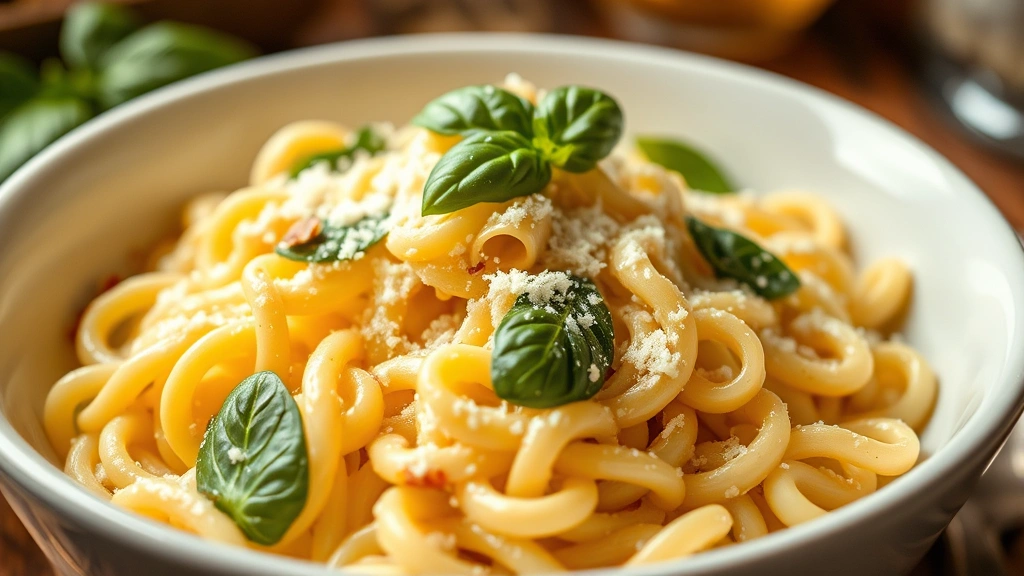
Delicious Ditalini Pasta? Grandma’s Secret Recipe
There’s something truly magical about ditalini pasta that takes me straight back to my grandmother’s cozy kitchen. This tiny, tube-shaped pasta might look simple, but it holds the power to transform humble ingredients into something extraordinary. My grandma guarded her ditalini recipe like treasure, and after years of watching her cook, I finally understand why—it’s all about patience, quality ingredients, and the love poured into every stir of the pot.
Ditalini, which means “little thimbles” in Italian, is the perfect pasta for creating comfort food that sticks to your ribs. Unlike larger pasta shapes that demand attention, ditalini works beautifully in soups, baked dishes, and simple preparations. My grandmother’s version combines tender pasta with a rich tomato-based sauce that simmers low and slow, allowing flavors to meld into pure comfort. Whether you’re cooking for a family dinner or looking to impress guests with authentic Italian-American cuisine, this recipe delivers every single time.
What makes this recipe special isn’t just the ingredients—it’s the technique. Grandma taught me that rushing the process ruins everything. The sauce needs time to develop, the pasta needs the right texture, and the final dish needs that perfect balance of richness and brightness. I’m excited to share her secrets with you today.
What Is Ditalini Pasta and Why It Matters
Ditalini is a short, cylindrical pasta that originated in Southern Italy and became a staple in Italian-American households. The name comes from its resemblance to a thimble, and once you see it, you’ll understand why. This pasta shape is roughly half an inch long and hollow throughout, making it ideal for capturing sauce and broth.
The beauty of ditalini lies in its versatility. It works wonderfully in pasta dishes with bold flavors, soups where it absorbs broth beautifully, and baked preparations where it maintains its texture. My grandmother specifically chose ditalini because it cooks evenly, absorbs sauce efficiently, and creates a satisfying eating experience without overwhelming the palate.
Unlike penne or rigatoni that demand hearty, chunky sauces, ditalini pairs perfectly with lighter, more delicate preparations. It’s also the go-to pasta for minestrone soup and pasta e fagioli, but grandma’s recipe uses it in a way that’s both traditional and uniquely hers. Understanding the pasta itself helps you appreciate why this recipe works so well.
Grandma’s Secret Ingredients
The Foundation: Grandma never compromised on quality. She always used San Marzano tomatoes—specifically the canned variety from Italy. She’d say, “The tomato makes the dish,” and she was absolutely right. San Marzano tomatoes have fewer seeds, less acidity, and a naturally sweet flavor that creates an incomparable sauce base.
The Aromatics: Fresh garlic and onion form the flavor foundation. Grandma used real garlic cloves, never powder, and she minced them by hand despite having modern tools available. She believed the texture mattered. For onions, she preferred yellow onions for their subtle sweetness when cooked down properly.
The Fat: Extra virgin olive oil is non-negotiable. Grandma used it generously—not in a health-conscious way, but because fat carries flavor. She kept a special bottle reserved just for this dish, a peppery Tuscan oil that added depth to the sauce.
The Seasonings: Beyond salt and pepper, grandma’s secret included a pinch of sugar (to balance the tomato acidity), fresh basil added at the end, and a small piece of Parmigiano-Reggiano rind simmered in the sauce. The cheese rind adds umami depth that elevates the entire dish.
The Pasta: She insisted on imported Italian ditalini, preferably Rustichella d’Abruzzo or Banza. She’d explain that Italian pasta uses bronze dies that create a rougher surface, allowing sauce to cling better than smooth, industrial American pasta.
Here’s what you’ll need to recreate this magic:
- 1 pound ditalini pasta (imported Italian preferred)
- 3 tablespoons extra virgin olive oil
- 1 large yellow onion, finely diced
- 4 garlic cloves, minced
- 28 ounces San Marzano tomatoes (canned, crushed by hand)
- 1 teaspoon sugar
- 1 Parmigiano-Reggiano rind (approximately 2 inches)
- 1 teaspoon dried oregano
- Salt and freshly ground black pepper to taste
- Fresh basil leaves (8-10 leaves)
- Grated Parmigiano-Reggiano for serving
- Red pepper flakes (optional, for heat)
Step-by-Step Cooking Instructions
Step 1: Prepare Your Mise en Place
Before you begin cooking, gather everything you’ll need. Dice your onion into small, uniform pieces—this ensures even cooking and consistent flavor distribution. Mince your garlic finely; grandma would say smaller pieces cook faster and distribute more evenly throughout the sauce. Have your tomatoes measured out, and crush them gently by hand if using whole San Marzano tomatoes. This matters because you control the texture—grandma wanted some small chunks for texture, not a completely smooth sauce.
Step 2: Build the Flavor Base
Heat your olive oil in a large, heavy-bottomed pot over medium heat. This is crucial—medium heat, not high. Grandma would say rushing this step is like rushing life itself. Once the oil shimmers and becomes fragrant, add your diced onion. Stir occasionally and let it cook for 5-7 minutes until it becomes translucent and begins to soften. You’re not looking for color here; you want sweetness to develop.
Add your minced garlic and cook for another minute, stirring constantly. This prevents burning while releasing garlic’s aromatic compounds into the oil. The kitchen should smell absolutely incredible at this point. This is when you know you’re on the right track.
Step 3: Build the Sauce
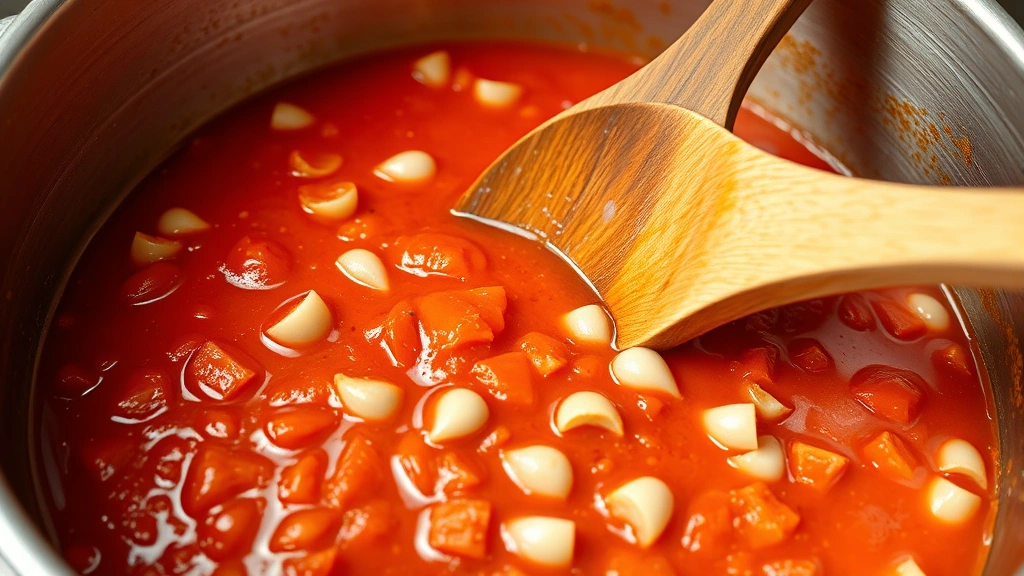
Pour in your crushed San Marzano tomatoes, including all the juice. Add your sugar—just one teaspoon—which balances the tomato’s natural acidity. Add the oregano and place your Parmigiano-Reggiano rind directly into the sauce. This rind will simmer gently, releasing its umami-rich compounds throughout the cooking process.
Stir everything together and bring to a gentle simmer. Once simmering, reduce heat to low. The sauce should barely bubble—just an occasional lazy bubble on the surface. This is where patience becomes your greatest ingredient. Let this sauce simmer for 20-25 minutes, stirring occasionally. During this time, the flavors meld together, the tomatoes break down slightly, and the sauce develops complexity that you simply cannot rush.
Step 4: Cook the Pasta
While your sauce simmers, bring a large pot of salted water to a rolling boil. The water should taste like the sea—this is your only opportunity to season the pasta itself. Add your ditalini and cook according to package directions, but check it one minute before the recommended time. Grandma always cooked pasta one minute under al dente because it would finish cooking in the sauce.
Reserve one full cup of pasta water before draining. This starchy water is liquid gold in Italian cooking—it helps emulsify the sauce and brings everything together.
Step 5: Bring It Together
Remove the Parmigiano-Reggiano rind from your sauce. Add the cooked ditalini directly to the simmering sauce and stir gently. Add half your reserved pasta water and stir to combine. The sauce should coat the pasta, not drown it. Let everything simmer together for 2-3 minutes, allowing the pasta to finish cooking in the sauce while absorbing its flavors.
Taste and adjust seasoning. Add salt, pepper, or red pepper flakes as needed. Tear your fresh basil leaves by hand and stir them in just before serving. The heat will release their aromatic oils without cooking them into oblivion.
Step 6: Serve with Love
Ladle the ditalini into bowls and top with freshly grated Parmigiano-Reggiano. A drizzle of your best olive oil finishes each bowl beautifully. Serve immediately while everything is hot and the basil aroma is at its peak.
Pro Tips for Perfect Results
Don’t Skip the Cheese Rind: This single element transforms the dish from good to extraordinary. The rind adds savory depth that you can’t replicate any other way. If you don’t have a rind, save one from your next block of Parmigiano-Reggiano.
Patience with the Sauce: I know 20-25 minutes seems like forever, but this is when the magic happens. The tomatoes soften, flavors marry, and the sauce develops a silky texture that raw or quickly-cooked sauce simply cannot achieve.
Pasta Water Is Your Friend: That starchy water isn’t waste—it’s essential. It helps the sauce coat every piece of pasta and creates a cohesive dish rather than pasta swimming in sauce.
Quality Matters: This recipe has so few ingredients that each one must be excellent. Cheap pasta tastes cheap. Low-quality tomatoes taste thin. Mediocre olive oil produces mediocre results. Invest in quality, and you’ll taste the difference immediately.
Temperature Control: Keep your heat at medium and medium-low throughout. High heat burns the aromatics and causes the sauce to reduce too quickly, concentrating flavors unevenly.
Fresh Basil Timing: Add basil at the very end, after tasting and adjusting seasoning. It wilts quickly and loses its bright flavor if cooked too long.
Variations and Serving Suggestions
While grandma’s original recipe is perfection, there’s room for creative exploration. You might try adding a chipotle chicken variation for smoky depth, or incorporating vegetables like diced zucchini or bell peppers during the sauce-simmering stage.
For a heartier version, brown ground beef or Italian sausage before adding your onions, creating a more substantial dish. Some family members prefer adding fresh spinach or kale for additional nutrition and color.
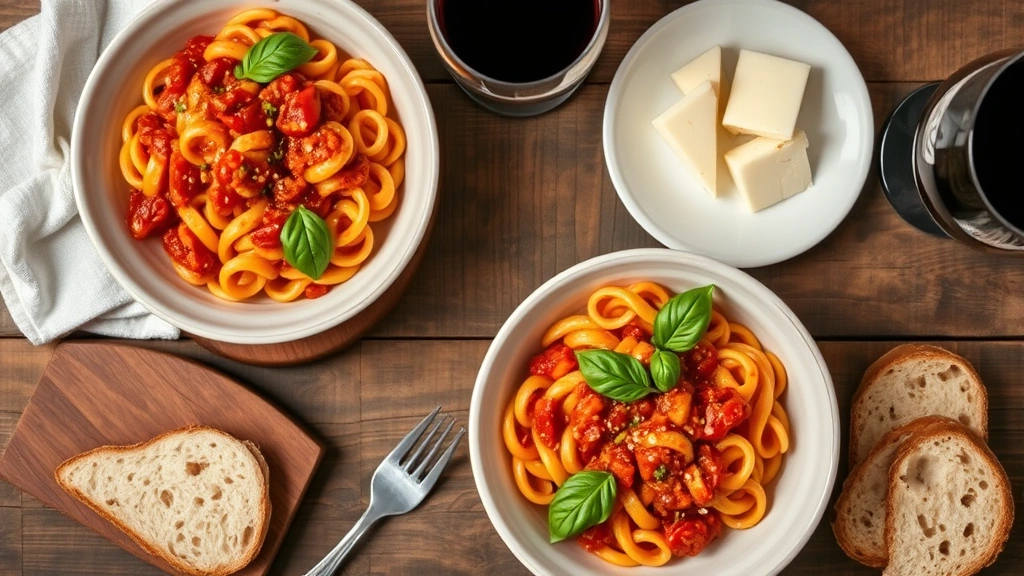
This recipe pairs beautifully with crusty bread for soaking up every drop of sauce. A simple green salad with lemon vinaigrette provides brightness and cuts through the richness. For wine pairing, choose a light-to-medium bodied red like Chianti or Sangiovese.
You could also transform this into a baked preparation, combining the finished ditalini with béchamel sauce and extra cheese, then baking until golden. Or incorporate it into quick weeknight meals by making larger batches and freezing portions.
Storage and Make-Ahead Guide
Refrigerator Storage: This dish actually improves after a day or two as flavors continue developing. Store in an airtight container for up to 4 days. Reheat gently on the stovetop over medium-low heat, adding a splash of water or broth if the sauce has thickened too much.
Freezer Storage: Ditalini freezes beautifully. Portion into freezer-safe containers, leaving a quarter-inch of headspace for expansion. It keeps for up to 3 months. Thaw overnight in the refrigerator before reheating.
Make-Ahead Strategy: Prepare the sauce completely and store it separately from the pasta. This allows you to cook fresh pasta when you’re ready to serve, ensuring optimal texture. Simply reheat the sauce and cook the ditalini, then combine just before serving.
Scaling the Recipe: This recipe doubles easily for feeding crowds. Simply multiply all ingredients by two and increase simmering time slightly—the sauce may need an extra 5-10 minutes to reach proper consistency with larger volume.
FAQ
Can I use fresh tomatoes instead of canned?
You can, but canned San Marzano tomatoes are actually superior for this recipe. They’re picked at peak ripeness and processed immediately, maintaining superior flavor and consistency year-round. If using fresh tomatoes, you’d need about 2 pounds of ripe tomatoes, peeled and seeded. The flavor won’t be quite as concentrated unless you reduce the sauce longer.
What if I can’t find ditalini pasta?
Small pasta shapes like orzo, pastina, or small shells work acceptably, though the texture and eating experience differ slightly. Ditalini’s hollow center is specifically designed to capture sauce, so other shapes won’t perform identically. I recommend ordering imported ditalini online rather than substituting.
Is the Parmigiano-Reggiano rind really necessary?
It’s not absolutely necessary, but it’s transformative. The rind adds savory umami depth that elevates the entire dish. If you don’t have one, you could add a tablespoon of tomato paste for depth, but it won’t be quite the same. Save your next cheese rind specifically for this purpose.
Can I make this recipe vegan?
Absolutely. Use vegetable broth instead of water for cooking pasta, skip the Parmigiano-Reggiano rind, and serve with nutritional yeast or vegan Parmesan if desired. The sauce itself is already vegan-friendly. The dish will be slightly less rich without the cheese rind’s umami contribution, so consider adding a tablespoon of miso paste to the sauce for additional depth.
How do I know when the sauce is ready?
The sauce should coat the back of a spoon and flow slowly when you tilt it. It shouldn’t be watery or runny. The color should deepen slightly from the initial bright red, and when you smell it, the aroma should be rich and complex rather than raw and sharp.
What’s the best way to reheat leftovers?
Reheat gently on the stovetop over medium-low heat, stirring occasionally. Add a splash of water, broth, or pasta water if the sauce has thickened too much during storage. Microwave reheating works in a pinch but tends to dry out the dish. Never use high heat, which can cause the sauce to break and pasta to become mushy.
Can I add meat to this recipe?
Definitely. Brown one pound of ground beef or Italian sausage in the pot before adding your onions. Drain excess fat, then proceed with the recipe as written. You could also add diced pancetta or guanciale for authentic Italian flavor, though this changes the dish’s character slightly.
How much does this recipe serve?
This recipe serves 4-6 people as a main course, depending on appetite and whether you’re serving sides. The quantities provided yield approximately 6 cups of finished ditalini, which is generous for family dining.


