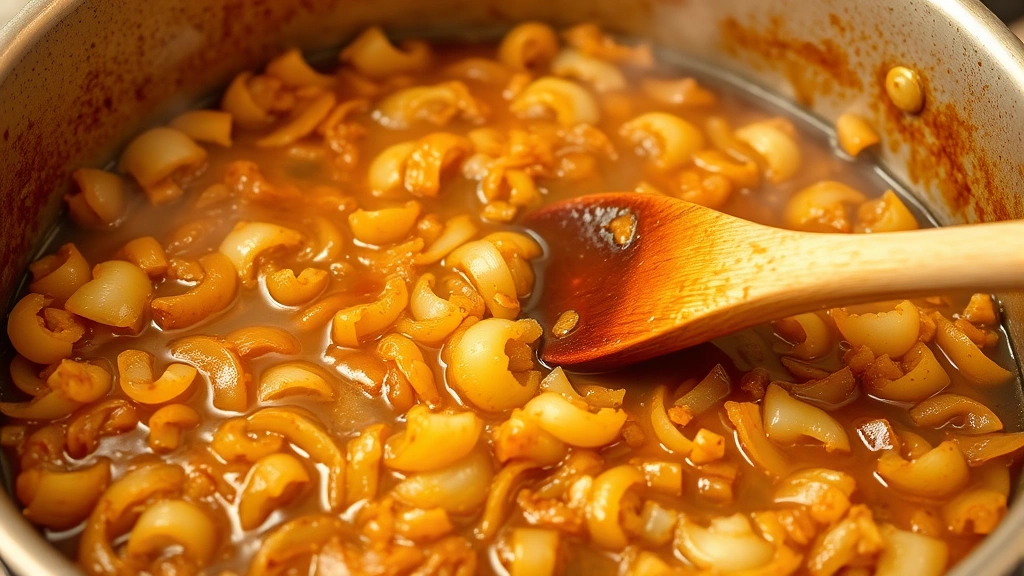
Easy French Onion Soup? Home Cook Approved
French onion soup doesn’t have to be complicated or time-consuming. While traditional recipes demand hours of caramelizing onions and carefully layered broths, this easy French onion soup recipe delivers that same rich, deeply satisfying flavor in a fraction of the time. Whether you’re a seasoned home cook or just starting your culinary journey, this simplified version proves you don’t need professional training to create restaurant-quality soup at home.
The secret lies in smart shortcuts and ingredient choices that amplify flavor without requiring constant stirring or vigilant monitoring. By using quality beef broth and embracing modern cooking techniques, you’ll have a steaming bowl of caramelized onion goodness ready in under an hour. This recipe pairs beautifully alongside other comforting dishes like our chicken in a Dutch oven recipe, making it perfect for family dinners or entertaining guests.
Let’s explore how to make this classic French bistro favorite accessible to every home cook, without sacrificing the deep, complex flavors that make French onion soup so beloved.

Ingredients You’ll Need
The beauty of this easy French onion soup recipe is its simplicity. You likely have most ingredients in your pantry already. Here’s what you’ll gather:
- Yellow onions: 4-5 large onions (about 2.5 pounds), sliced into half-moons. Yellow onions provide the perfect balance of sweetness and depth.
- Butter: 4 tablespoons, divided between cooking stages. This fat carries flavor and helps achieve that golden caramelization.
- Beef broth: 6-8 cups of quality beef stock. This is your soup’s foundation, so choose a brand with real beef flavor and minimal additives.
- Dry white wine: 1 cup. This adds acidity and complexity. Pinot Grigio or Sauvignon Blanc work beautifully.
- Fresh thyme: 3-4 sprigs, or 1 teaspoon dried thyme.
- Bay leaves: 2 leaves for aromatic depth.
- Salt and black pepper: To taste, adjusted at the end.
- Crusty bread: 4-6 thick slices for topping.
- Gruyère cheese: 2 cups shredded, the traditional choice that melts beautifully and adds nutty richness.
Consider sourcing your beef broth from a quality culinary resource that reviews broths for flavor depth. The broth quality directly impacts your final result.

Essential Equipment
You don’t need fancy gadgets to make excellent French onion soup. However, having the right tools makes the process smoother and more enjoyable:
- Large heavy-bottomed pot or Dutch oven: A 5-6 quart capacity works best. Heavy bottoms distribute heat evenly, preventing scorching. Dutch ovens excel at this task, much like in our beef pot pie recipe.
- Sharp knife: For thinly slicing onions quickly and safely.
- Wooden spoon: For stirring without scratching your pot’s surface.
- Measuring cups and spoons: Accuracy ensures consistent results.
- Oven-safe bowls: Traditional French onion soup is served in individual oven-safe crocks, but any heat-resistant bowls work.
- Broiler or oven: Set to 400°F for the final melting and browning step.
Step-by-Step Instructions
This easy French onion soup recipe breaks down into manageable stages. Follow these steps for foolproof results:
- Prepare your onions: Slice 4-5 large yellow onions into half-moons, about ¼-inch thick. Aim for consistency so they cook evenly. Don’t worry about perfection—rustic is fine.
- Begin the caramelization: Melt 2 tablespoons of butter in your large pot over medium-high heat. Add half the onions, stirring occasionally for 8-10 minutes until they begin to soften and turn translucent. This initial cooking breaks down cell walls and releases sugars.
- Add remaining onions: Add the second batch of onions with the remaining 2 tablespoons butter. Continue cooking, stirring every few minutes, for another 15-20 minutes. You’re looking for golden-brown color and a jammy texture.
- Deglaze the pot: Pour in the white wine, scraping the bottom with your wooden spoon to release all those flavorful browned bits (called fond). Let the wine reduce by half, about 3-4 minutes. This concentrates flavors and removes harsh alcohol notes.
- Add broth and aromatics: Pour in your beef broth, add thyme sprigs and bay leaves. Stir well, bringing everything to a simmer. Reduce heat to medium-low and let it simmer gently for 20-25 minutes, allowing flavors to meld.
- Season to taste: After simmering, taste your soup. Add salt and black pepper gradually, tasting between additions. Remember that the cheese topping will add saltiness, so don’t oversalt.
The entire process from start to finish takes approximately 50-60 minutes, making this perfect for weeknight dinners when you want something special but don’t have hours to spend.
Perfecting the Caramelization
The caramelization stage is crucial for developing that signature deep, complex flavor that makes French onion soup extraordinary. Let’s dive deeper into this critical step:
Caramelization isn’t simply browning—it’s a chemical transformation where onion sugars break down into hundreds of different compounds, creating rich, sweet, savory notes. Most home cooks rush this step, but patience here rewards you exponentially. The difference between 15 minutes and 30 minutes of cooking time is the difference between decent soup and exceptional soup.
Temperature matters: Keep your heat at medium to medium-high. Too high, and onions burn rather than caramelize. Too low, and they steam instead of browning. You should hear a gentle sizzle and smell that wonderful aroma of cooking onions.
Stirring frequency: Stir every 2-3 minutes initially, then every minute once they’re turning golden. This prevents sticking while allowing browning on the pot’s bottom. Don’t be tempted to stir constantly—onions need contact with the hot surface to develop color.
The patience principle: If you’re cooking onions and they look pale after 20 minutes, don’t panic. They’ll develop color more quickly once they’ve released their moisture. Keep going. The transformation accelerates as water content decreases.
For additional insights on caramelization techniques, Cook’s Illustrated offers detailed guidance on achieving perfect results.
Soup Assembly and Topping
The finishing touches transform your soup into something truly special. Here’s how to assemble your bowls:
- Toast your bread: Slice your crusty bread into ½-inch thick pieces. Arrange on a baking sheet and toast in a 375°F oven for 5-7 minutes until golden and crispy. This prevents soggy bread in your soup.
- Ladle soup into bowls: Use oven-safe crocks or bowls, filling each about three-quarters full. Nestle a toasted bread slice on top, letting it float slightly on the soup’s surface.
- Top with cheese: Generously pile shredded Gruyère cheese on top of the bread, using about ⅓ cup per bowl. Don’t skimp here—the cheese is essential to the experience.
- Broil until golden: Place filled bowls on a baking sheet and slide under a preheated broiler set to high. Broil for 3-5 minutes, watching carefully, until the cheese is melted, bubbly, and golden brown. The edges will turn darker, which is perfect.
- Rest briefly: Remove from the broiler and let cool for 1-2 minutes. The cheese and soup will be extremely hot. Serve immediately with a spoon.
This final step creates that iconic crispy-topped, cheese-laden bowl that defines French onion soup. It’s worth the extra effort for the texture contrast and visual appeal.
Pro Tips for Success
These insights from experienced home cooks will elevate your easy French onion soup recipe from good to great:
- Use quality ingredients: This simple recipe relies on ingredient quality. Splurge on good beef broth and real Gruyère cheese. The difference is noticeable.
- Don’t skip the wine: The acidity and flavor complexity wine provides are essential. If you absolutely cannot use wine, substitute with apple cider vinegar (2 tablespoons), though the result differs slightly.
- Embrace the onion smell: Your kitchen will smell intensely of onions during cooking. Open windows, don’t worry—this is the smell of deliciousness developing.
- Make it ahead: Prepare the soup through the simmering step, then refrigerate. Reheat gently before ladling into bowls and adding toppings. This actually improves flavor as ingredients meld overnight.
- Experiment with bread: While crusty baguette is traditional, try thick slices of sourdough or brioche. Each adds different character.
- Cheese alternatives: If Gruyère is unavailable or too expensive, Swiss cheese or a mix of Gruyère and Emmental works beautifully.
- Vegetable broth option: For vegetarian versions, use quality vegetable broth, though the soup’s character changes. Consider adding soy sauce or miso for umami depth.
These tips come from extensive testing and reflect what works in real home kitchens, not just restaurant environments.
Recipe Variations
Once you’ve mastered the classic, these variations keep things interesting. The same technique applies to other comforting soups like our creamy tomato soup recipe:
Caramelized Onion and Mushroom Soup: Add 1 pound sliced mushrooms (cremini or portobello) during the final simmering stage. The earthy mushrooms complement onions beautifully and add umami depth. This variation works especially well with vegetable broth.
Cognac or Sherry Version: Replace white wine with cognac (¾ cup) or dry sherry (1 cup). These spirits add sophistication and warmth. The flavor profile becomes richer and more complex.
Beef and Onion Soup: Shred leftover cooked beef and add to the soup just before serving. This transforms it into a more substantial meal. Pair with the cowboy stew recipe for a hearty theme.
French Onion Soup with Gratin Topping: Instead of individual broiled bowls, transfer the entire pot of soup to a baking dish, top with bread and cheese, and broil. Serve family-style for casual entertaining.
Lighter Version: Use half beef broth and half chicken broth, reduce butter to 2 tablespoons total, and use reduced-fat cheese. The soup remains delicious with fewer calories.
Storage and Reheating
Proper storage ensures your effort pays dividends across multiple meals:
Refrigerator storage: Cool the soup completely before transferring to airtight containers. It keeps for 3-4 days. The flavor actually deepens as ingredients continue melding.
Freezing: French onion soup freezes beautifully. Cool completely, transfer to freezer containers (leaving ½-inch headspace for expansion), and freeze for up to 3 months. Thaw overnight in the refrigerator before reheating.
Reheating instructions: Transfer frozen or refrigerated soup to a pot and reheat gently over medium heat, stirring occasionally, until steaming. Don’t boil vigorously, which can affect texture. Once hot, prepare your toasts and cheese toppings as usual.
Make-ahead strategy: Prepare the soup through simmering and cooling, then refrigerate. The next day, reheat gently and finish with bread and cheese toppings. This two-step approach works perfectly for dinner parties.
FAQ
Can I make this soup in a slow cooker?
Yes! Sauté onions in a skillet until caramelized (following the stovetop instructions), then transfer to a slow cooker with broth, wine, and aromatics. Cook on low for 6-8 hours or high for 3-4 hours. The longer cooking time continues developing flavors. This method is excellent if you want soup ready when you arrive home.
What if I don’t have Gruyère cheese?
Swiss, Emmental, or even sharp cheddar work as substitutes. Gruyère is traditional because it melts smoothly and adds nutty sweetness, but other cheeses create delicious variations. Avoid pre-shredded cheese if possible, as anti-caking agents prevent smooth melting.
How do I prevent the bread from getting soggy?
Toasting the bread thoroughly creates a barrier that resists absorption. Additionally, don’t let the assembled bowls sit for extended periods before broiling. The combination of toasted bread and quick cooking prevents sogginess.
Can I use red onions instead of yellow?
Red onions work but produce a different flavor profile—slightly more peppery and less sweet. Yellow onions are preferred for this recipe because their natural sugar content caramelizes beautifully. If using red onions, add 1 tablespoon honey or sugar during cooking to compensate.
Is this soup really easier than traditional versions?
Yes, this version eliminates several traditional steps that extend cooking time without significantly improving flavor. Traditional recipes sometimes caramelize onions for 45+ minutes with constant stirring. This version achieves similar results in less time through smart technique and quality ingredients. It’s genuinely easier for home cooks.
What pairs well with French onion soup?
A simple green salad with vinaigrette provides freshness and balance. Crusty bread beyond the soup topping is traditional. For heartier meals, pair with roasted vegetables or a simple protein dish. It also works beautifully alongside other one-pot meals like our keto soup recipes for varied meal planning.
Can I make individual servings in small crocks ahead of time?
Assemble individual bowls with soup, bread, and cheese up to 2 hours ahead, then cover and refrigerate. When ready to serve, broil directly from the refrigerator, adding 1-2 minutes to the broiling time since bowls start cold. This works perfectly for entertaining.
What’s the difference between caramelizing and browning onions?
Browning is rapid surface color development, while caramelization is slow, thorough sugar breakdown creating complex flavors. Caramelization requires lower heat and more time but produces deeper, richer taste. This recipe uses true caramelization rather than quick browning.
How can I make this soup vegetarian?
Replace beef broth with vegetable broth and add 2 tablespoons soy sauce or 1 tablespoon miso paste mixed with warm broth to boost umami. Some cooks add a splash of balsamic vinegar for depth. The soup works well vegetarian, though the character differs from the beef version.


