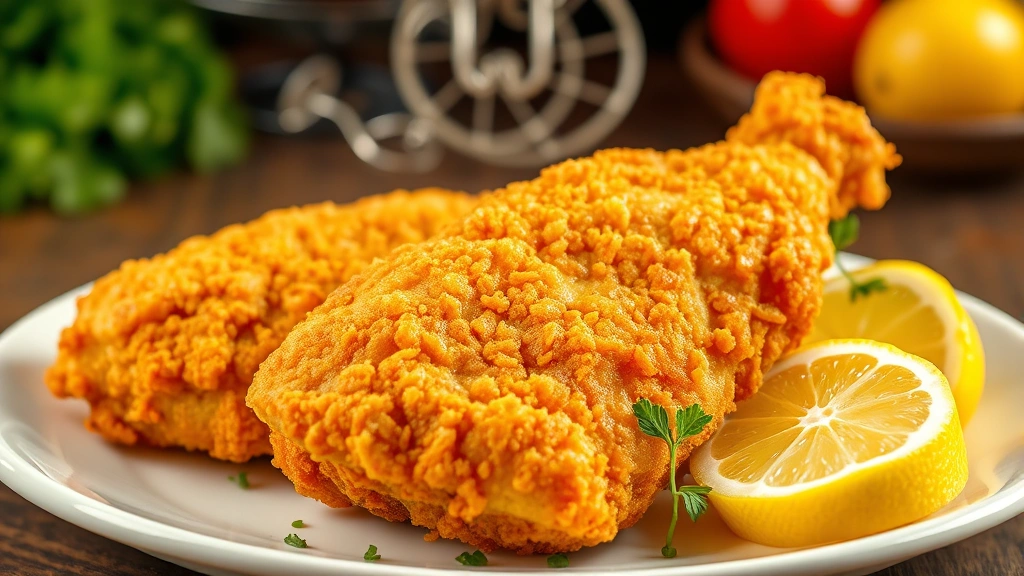
Crispy fried chicken breast doesn’t have to be a mystery reserved for restaurant kitchens. The difference between soggy, greasy disappointment and restaurant-quality golden-brown perfection comes down to understanding a few chef-approved techniques that transform ordinary poultry into something extraordinary. Whether you’re preparing weeknight dinner or impressing guests, mastering the art of frying chicken breast requires precision, patience, and knowledge of the science behind the sizzle.
The key to achieving that coveted crispy exterior while maintaining juicy, tender meat inside lies in proper preparation, temperature control, and the right coating technique. Professional chefs have been perfecting this method for decades, and now you’ll discover their most closely guarded secrets. From brining to breading, from oil temperature to resting time, every step plays a crucial role in determining your final result.
The Brining Process: Your Secret Weapon
Before your chicken breast ever touches hot oil, it needs to spend time in a brine solution. This step is where professional chefs separate themselves from home cooks. Brining works through osmosis, allowing salt and seasonings to penetrate the meat, breaking down proteins and allowing the chicken to retain more moisture during cooking. This is why restaurant fried chicken stays juicy while homemade versions often turn dry.
To create an effective brine, combine one cup of kosher salt with one gallon of water, then add your aromatics: bay leaves, peppercorns, garlic cloves, and fresh thyme. Some chefs add a tablespoon of sugar to balance the saltiness and promote browning during frying. Submerge your chicken breasts completely in this solution and refrigerate for 8 to 12 hours. This extended soaking period allows the brine to work its magic, ensuring every fiber of the meat is seasoned and hydrated.
The science here is important: salt dissolves the muscle proteins, creating a gel-like matrix that traps water. When you fry the chicken, this retained moisture creates steam, which keeps the interior tender. Without brining, the exterior crust hardens before the inside finishes cooking, resulting in that disappointing dry texture. Many home cooks skip this step thinking it’s unnecessary, but it’s precisely why their results don’t match professional standards.
Selecting and Preparing Your Chicken Breast
Not all chicken breasts are created equal. For optimal frying results, choose bone-in, skin-on chicken breasts rather than boneless, skinless varieties. The bone conducts heat more evenly throughout the meat, while the skin provides natural protection and renders into delicious crispiness. If boneless breasts are your only option, pound them to even thickness—about three-quarters of an inch—to ensure uniform cooking.
After brining, remove your chicken from the brine and pat it completely dry with paper towels. This step cannot be overstated: moisture is the enemy of crispiness. Wet chicken will steam rather than fry, and steam creates soggy coating. Spend a full minute thoroughly drying each breast, getting into crevices and under the skin. Some chefs even let the dried chicken sit uncovered in the refrigerator for 30 minutes to an hour, allowing any surface moisture to evaporate completely.
This preparation aligns perfectly with techniques used in cast iron cooking methods, where surface preparation determines crust quality. Temperature and dryness work together to create the Maillard reaction—the chemical process that produces those beautiful brown flavors and textures you’re after.
Mastering the Coating Technique
The coating is your vehicle for crispiness. While a simple flour coating works, professional chefs use a double-dredging technique that creates an exponentially crispier exterior. Start with a seasoned flour mixture: combine all-purpose flour with cornstarch (use a 3:1 ratio), salt, paprika, garlic powder, onion powder, cayenne pepper, and black pepper. The cornstarch is crucial—it fries up crispier than flour alone because of its different starch structure.
Create a wet mixture with buttermilk and hot sauce (Frank’s RedHot works perfectly). The acidity in buttermilk tenderizes the exterior coating, while the hot sauce adds flavor and helps the coating adhere. For the double-dredge method, first coat your chicken in the wet mixture, then dredge it thoroughly in the seasoned flour. Shake off excess flour, then immediately dip it back into the wet mixture for just a second—this creates tiny flour clumps that fry into impossibly crispy bits. Finally, dredge once more in the seasoned flour mixture.
Let the coated chicken rest on a wire rack for 15 to 20 minutes before frying. This allows the coating to set properly. Some chefs refrigerate at this point for up to 4 hours, which actually improves results by allowing the coating to bond more firmly with the meat. The longer resting period also ensures that when the chicken hits the oil, the coating is ready to fry rather than absorb oil.
For variations, consider adding crushed cornflakes, panko breadcrumbs, or even finely ground pork rinds to your flour mixture for extra texture. Each ingredient contributes different crispiness characteristics—panko creates large, shattered pieces of crust, while pork rinds add savory depth and incredible crunch.
Oil Temperature: The Critical Factor
This is where science meets cooking, and precision matters enormously. The ideal temperature for frying chicken breast is 325 to 350 degrees Fahrenheit. Too low, and the coating absorbs oil, becoming greasy and heavy. Too high, and the exterior burns before the interior cooks through. A reliable instant-read thermometer is not optional—it’s essential.
Choose an oil with a high smoke point: vegetable oil, peanut oil, or canola oil all work excellently. Avoid olive oil, which has a low smoke point and will burn. Fill your pot or deep fryer with enough oil to submerge the chicken completely, typically 3 to 4 inches deep. Let the oil heat for at least 10 minutes after reaching temperature, as this ensures the entire oil mass is uniformly hot, not just the surface.
The temperature matters because it controls the rate of moisture evaporation from the coating. At the correct temperature, water evaporates quickly enough to create steam that puffs up the coating, making it crispy, while the exterior browns through the Maillard reaction. If the temperature is too low, moisture lingers, creating a greasy, soggy coating. The science is elegant: the coating must dry out faster than oil can penetrate it.
Professional kitchens use deep fryers with precise temperature controls because maintaining consistent temperature throughout cooking is critical. As you add chicken to the oil, the temperature will drop. Add pieces gradually, allowing the oil to recover between additions. Never overcrowd your pot—aim to add no more than two to three breasts at a time, depending on your pot size.
The Perfect Frying Method
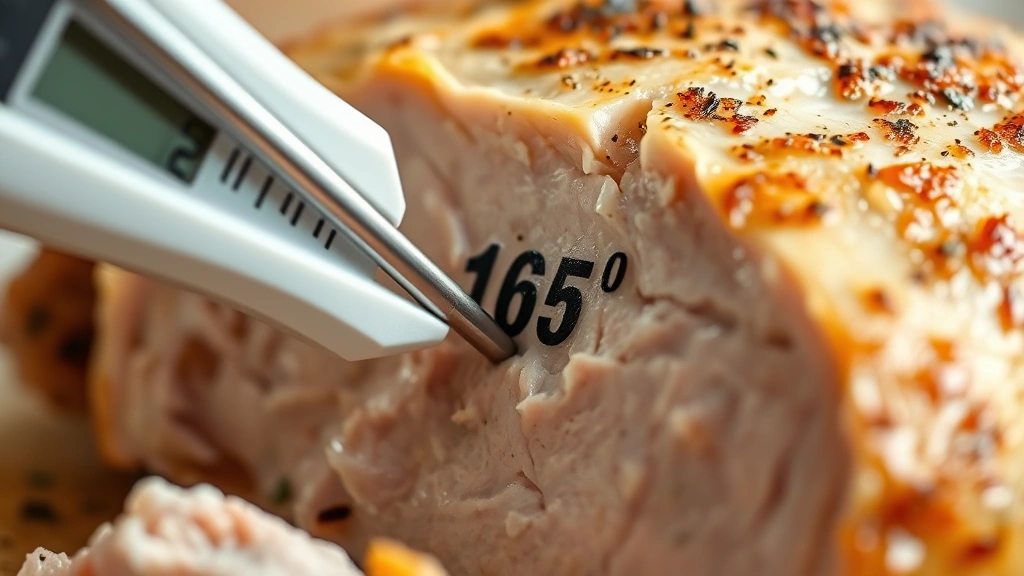
Carefully lower your coated chicken into the preheated oil using tongs or a spider strainer. Bone-in, skin-on chicken breasts typically require 12 to 15 minutes of frying, while boneless breasts need 8 to 10 minutes. The exact time depends on thickness and your oil temperature. An instant-read thermometer inserted into the thickest part (without touching bone) should read 165 degrees Fahrenheit when done.
Resist the urge to constantly flip or move the chicken. Let each piece fry undisturbed for the first 4 to 5 minutes to allow the coating to set and brown properly. Then flip once and fry for the remaining time. Constant movement prevents proper crust development and can cause the coating to separate from the meat.
Listen to the oil as your chicken fries. A gentle, consistent sizzle indicates proper temperature. If the sizzle becomes violent and aggressive, your oil is too hot. If the sizzle is barely audible, your oil is too cool. This auditory feedback, combined with your thermometer, gives you complete confidence in your process.
If you’re frying multiple batches, allow the oil to return to 325 to 350 degrees between each batch. This typically takes 2 to 3 minutes. Skim any coating bits or debris from the oil between batches—these particles burn at high heat and can impart bitter flavors to subsequent batches. This attention to detail separates good fried chicken from great fried chicken.
Resting and Finishing Touches
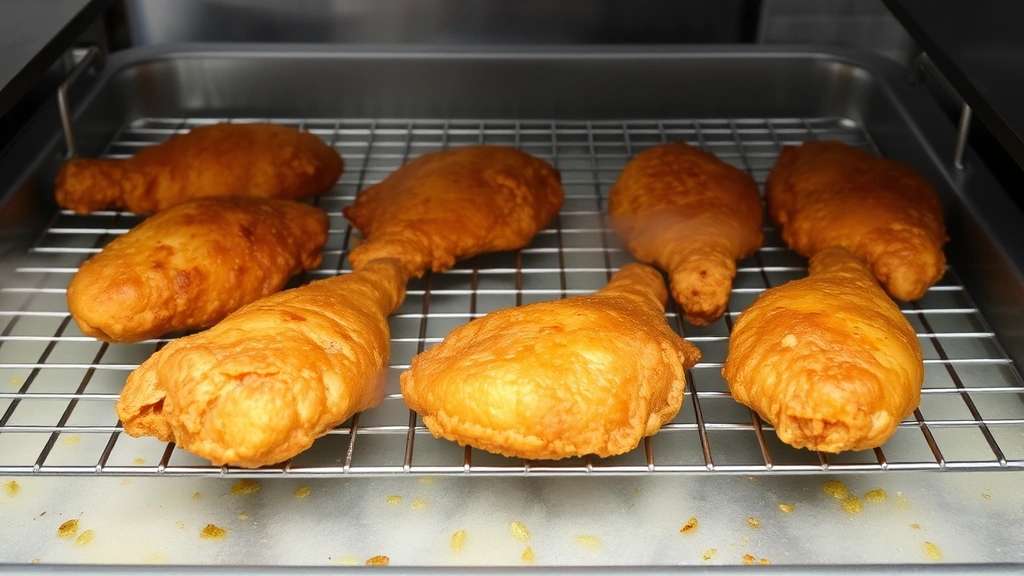
When your chicken reaches the perfect golden brown color and internal temperature, transfer it to a wire rack set over a sheet pan rather than paper towels. Paper towels trap steam against the coating, making it soggy. A wire rack allows air circulation, keeping the exterior crispy as it cools. The residual heat continues cooking the interior slightly while the exterior sets into its final crispy state.
Allow the chicken to rest for 5 to 10 minutes before serving. This resting period is crucial—it allows the juices to redistribute throughout the meat, ensuring moist, tender results. If you cut into the chicken immediately after frying, those precious juices run out onto your plate instead of staying in the meat.
For finishing touches, season with fleur de sel or another finishing salt while the chicken is still hot. This enhances flavor and adds textural contrast. Some chefs dust with a touch of smoked paprika or cayenne for color and extra flavor. Fresh herbs like parsley or thyme can be sprinkled on top for visual appeal.
If you’re preparing high-protein low-calorie recipes, fried chicken breast offers excellent nutritional value when prepared properly. The protein content remains high while the frying technique creates satisfaction from texture rather than excessive oil absorption.
Common Mistakes and How to Avoid Them
Soggy Coating: This almost always results from insufficient drying before frying or oil temperature that’s too low. Ensure your chicken is completely dry and your thermometer reads 325 to 350 degrees before adding chicken. Also, avoid placing fried chicken on paper towels immediately after frying.
Dry Interior: Brining is your solution here. If you’ve already cooked chicken and found it dry, you skipped this crucial step. For future batches, brine for 8 to 12 hours. Additionally, don’t overcook—use a thermometer to ensure you stop at 165 degrees, not 175 degrees.
Burnt Exterior, Raw Interior: Your oil is too hot. Lower the temperature to 325 degrees and try again. Alternatively, your chicken may be too thick. Pound boneless breasts to even thickness, and consider cutting very large breasts in half before frying.
Coating Separation: This happens when the coating isn’t properly set before frying or when the chicken is too wet. Let coated chicken rest for at least 15 minutes before frying, and ensure it’s completely dry before coating.
Uneven Browning: Your oil temperature is fluctuating. Use a reliable thermometer and allow the oil to fully preheat. Also, avoid overcrowding—each piece needs room for heat circulation.
Creative Variations and Flavor Profiles
Once you’ve mastered the basic technique, endless variations await. For alternative cooking methods, consider these flavor variations for your fried chicken:
Spicy Korean-Inspired: Add gochugaru (Korean red chili powder) and sesame seeds to your flour mixture. Brush finished chicken with a glaze made from gochujang, honey, and rice vinegar.
Herb-Infused: Mix fresh rosemary, thyme, and sage into your flour mixture. The dried herbs fry beautifully and infuse every bite with garden freshness.
Buttermilk-Brined Nashville Hot: Add cayenne pepper and paprika to your brine. After frying, brush with hot oil infused with more cayenne for authentic Nashville heat.
Lemon Pepper: Zest fresh lemons directly into your flour mixture and add cracked black pepper for brightness and sophistication.
Crispy Panko Crust: Replace half your flour with panko breadcrumbs for an extra-shattered, audibly crispy exterior.
These variations work beautifully alongside classic dinner recipes as a modern twist on traditional preparations.
FAQ
Can I use boneless, skinless chicken breasts?
Yes, absolutely. Pound them to three-quarters-inch thickness for even cooking. They’ll cook slightly faster (8 to 10 minutes) than bone-in breasts and won’t retain quite as much moisture, but the brining process still helps significantly. Boneless breasts are more convenient for some cooks and still produce excellent results when brined and fried correctly.
How long can I store fried chicken?
Properly cooled fried chicken keeps in an airtight container in the refrigerator for up to 4 days. Reheat in a 375-degree oven for 10 to 15 minutes to restore crispiness. Avoid microwaving, which makes the coating soggy. You can also freeze fried chicken for up to 3 months; thaw overnight in the refrigerator before reheating.
What’s the difference between frying and deep-frying?
Deep-frying fully submerges the food in oil, which is what we’re doing here. Pan-frying uses minimal oil and flipping. Deep-frying creates more uniform browning and crispiness because the entire surface contacts hot oil simultaneously. For fried chicken breast, deep-frying is superior.
Can I reuse the frying oil?
Yes, strain the oil through a fine-mesh sieve or cheesecloth to remove coating debris. Properly strained oil can be reused 3 to 4 times before degrading. Store in an airtight container in a cool, dark place. Discard oil if it becomes dark, smells off, or develops a sticky feel.
What internal temperature should chicken reach?
The USDA safe internal temperature for chicken is 165 degrees Fahrenheit. Use an instant-read thermometer inserted into the thickest part of the meat without touching bone. This ensures all harmful bacteria are eliminated while maintaining juiciness.
Is there a healthier way to achieve crispy chicken?
Air-frying produces crispy results with 80% less oil than traditional deep-frying. Follow the same brining and coating techniques, then air-fry at 380 degrees for 12 to 15 minutes, shaking the basket halfway through. Results are impressive, though slightly less crispy than deep-fried versions.
Why do restaurants’ fried chicken taste better?
Professional kitchens use precise temperature controls, don’t rush the process, and often use pressure fryers that cook faster while maintaining moisture. They also typically brine overnight and use closely guarded seasoning blends. By following these techniques, you can replicate restaurant quality at home.


