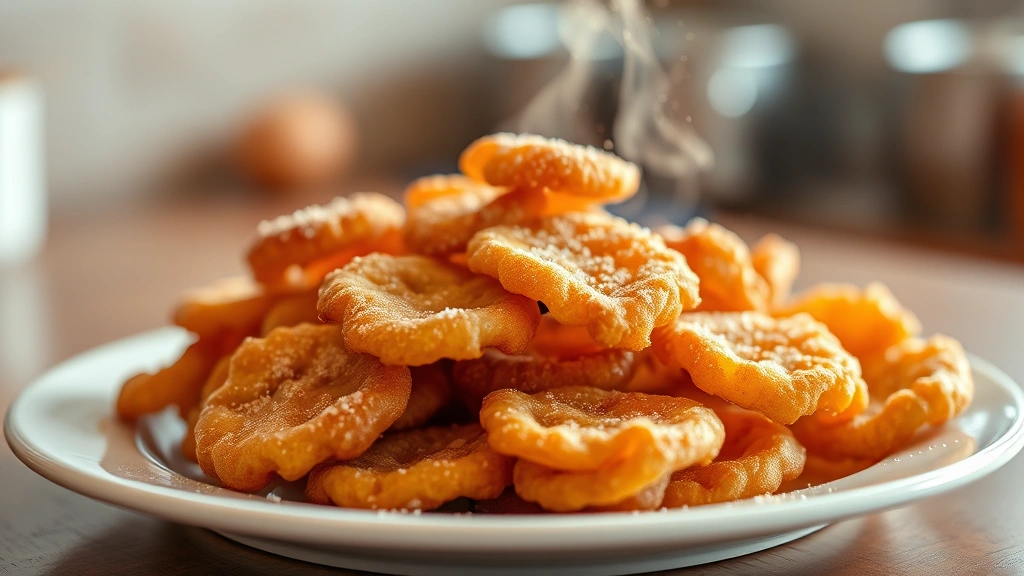
There’s nothing quite like the aroma of fried dough sizzling in hot oil, filling your kitchen with warmth and anticipation. My grandmother has been making this crispy fried dough recipe for over fifty years, passing down a technique that transforms simple pantry ingredients into golden, fluffy pillows of pure comfort. This isn’t just any fried dough recipe—it’s a time-tested family treasure that has graced our table during holidays, celebrations, and lazy Sunday afternoons.
What makes Grandma’s version special is the balance she achieves between crispy exteriors and tender, airy interiors. The secret lies not in exotic ingredients, but in understanding the fundamentals of dough preparation, oil temperature management, and the right finishing touches. Whether you’re craving a savory treat dusted with garlic and herbs or a sweet version coated in cinnamon sugar, this versatile recipe delivers every single time.
In this comprehensive guide, I’ll walk you through every step of creating this beloved family recipe, share the techniques that ensure success, and reveal the little tricks that have made Grandma’s fried dough legendary among everyone who’s tasted it.

Ingredients You’ll Need
The beauty of this fried dough recipe lies in its simplicity. Grandma always said that great cooking doesn’t require complicated ingredients—it requires understanding how to use basic ones correctly. Here’s exactly what you’ll need:
- All-purpose flour: 3 cups (360g) – the foundation of your dough
- Warm water: 1 cup (240ml) – activates the yeast
- Active dry yeast: 2¼ teaspoons (one packet) – provides lift and flavor
- Salt: 1½ teaspoons – enhances flavor and controls fermentation
- Sugar: 1 tablespoon – feeds the yeast
- Vegetable oil: 2 tablespoons plus 2-3 quarts for frying – creates richness and aids frying
- Honey: 1 tablespoon (optional) – adds subtle sweetness and browning
The ingredient list is intentionally minimal because Grandma believed that fewer components mean better control over the final product. Each ingredient serves a specific purpose in developing flavor, texture, and structure. When you’re working with simple ingredients, quality matters tremendously—use fresh yeast, good-quality salt, and oil with a high smoke point like vegetable or peanut oil.

Dough Preparation
The foundation of an exceptional fried dough experience begins with proper dough preparation. This is where patience and attention to detail truly matter. Let me break down each step so you can achieve Grandma’s signature results.
Activating Your Yeast
Pour your warm water (between 105-110°F) into a large mixing bowl. Sprinkle the active dry yeast over the surface and let it sit for about one minute without stirring. Add the sugar and let it rest for another minute. After this brief rest, stir gently until the yeast is fully dissolved. You should see a foamy mixture forming within 5-10 minutes—this indicates your yeast is alive and active. If you don’t see any foam, your yeast may be expired, and you’ll need to start with fresh yeast.
Building the Dough
Once your yeast mixture is foamy and fragrant, add 2 tablespoons of oil and 1½ teaspoons of salt. In a separate bowl, whisk together your 3 cups of flour. Gradually add the flour to the wet ingredients, stirring with a wooden spoon until a shaggy dough forms. When the mixture becomes too difficult to stir, transfer it to a clean work surface and knead by hand for 8-10 minutes.
During kneading, you’re developing gluten strands that will give your fried dough its characteristic chewy-yet-crispy texture. Knead until the dough becomes smooth and elastic, bouncing back slightly when you poke it with your finger. This process is crucial—don’t skip it or rush through it. Grandma always said that your hands know when the dough is ready better than any timer.
First Rise
Place your kneaded dough in a lightly oiled bowl, turning it once to coat all sides. Cover with a damp kitchen towel or plastic wrap and let it rise at room temperature for 1-2 hours, or until it has doubled in size. This first rise develops flavor and allows the yeast to create gas bubbles that will expand during frying, creating those coveted airy pockets inside your fried dough.
You can also perform a slower cold rise by refrigerating the dough overnight. Many professional bakers prefer this method because the extended fermentation develops deeper, more complex flavors. If you choose this route, simply cover and refrigerate for 8-24 hours, then bring to room temperature before proceeding.
Shaping Your Dough
Once risen, turn the dough out onto a lightly floured surface. You have two shaping options that Grandma uses depending on her mood and the occasion:
- Rustic chunks: Tear the dough into roughly 2-3 inch pieces for an authentic, homemade appearance
- Uniform rounds: Roll the dough to about ½-inch thickness and cut into circles using a biscuit cutter or glass
For the most authentic Grandma experience, go with rustic chunks. The irregular shapes fry beautifully and create interesting crispy edges. If you prefer more uniform pieces, lightly dust your work surface and dough with flour, then gently stretch and cut. Avoid overworking the dough at this stage—rough handling can deflate those precious air bubbles you’ve developed.
The Frying Technique
This is where Grandma’s secret truly shines. Many home cooks struggle with fried dough because they don’t understand the critical relationship between oil temperature and final texture. This section is essential reading.
Oil Temperature Control
Heat your 2-3 quarts of oil in a heavy-bottomed pot or Dutch oven to exactly 350°F (175°C). Use a reliable instant-read thermometer to verify the temperature—this is not a step to eyeball. If your oil is too cool (below 340°F), your fried dough will absorb excess oil and become greasy. If it’s too hot (above 360°F), the exterior will brown too quickly before the interior cooks through.
Grandma taught me to maintain this temperature throughout the frying process by adjusting the heat as needed. As you add dough pieces, the oil temperature will drop slightly—this is normal and expected. Allow 30-60 seconds between batches for the oil to return to 350°F before adding more dough.
The Frying Process
Carefully place your shaped dough pieces into the hot oil, working in small batches to avoid overcrowding. Never drop more than 4-5 pieces at a time, as this will cause the oil temperature to plummet. The dough will initially sink, then rise to the surface as gas bubbles expand inside.
Fry for about 1-2 minutes on the first side until golden brown, then flip using tongs or a slotted spoon. Fry the second side for another 1-2 minutes until evenly golden. The entire frying process for each piece takes about 3-4 minutes total. Remove with a slotted spoon and place on a paper towel-lined plate to drain excess oil.
Watch your fried dough carefully during this process. The transformation from pale dough to golden-brown perfection happens relatively quickly. If you’re distracted, you can go from perfectly cooked to burnt in mere seconds. This is why many experienced cooks never leave the stove during frying.
Achieving the Perfect Texture
The goal is a fried dough that’s crispy on the outside with a light, tender, almost hollow interior. This texture contrast is what makes the dish so special. If your fried dough comes out dense, your oil temperature was too low or you overworked the dough during shaping. If it’s dark brown but doughy inside, your oil was too hot—lower the temperature for your next batch.
Grandma swears by the “hollow test.” When you break open a perfectly fried piece, you should see distinct air pockets and hear a satisfying crunch. If it’s solid throughout, you’ll know to adjust your technique next time.
Topping Ideas
Now comes the fun part—transforming your freshly fried dough into the final creation. Grandma keeps several topping options ready because different occasions call for different flavors.
Sweet Finishes
While still warm, toss your fried dough in a mixture of ½ cup granulated sugar combined with 1 tablespoon ground cinnamon. For a more decadent option, drizzle with warm honey and sprinkle with crushed pistachios. Some family members love dusting with powdered sugar mixed with a pinch of cardamom for a subtle spiced sweetness.
If you’re looking for more indulgent sweet treats similar to fried dough, you might enjoy exploring our chocolate truffles recipe or our collection of vegan dessert recipes for creative variations.
Savory Variations
Mix together 2 tablespoons garlic powder, 1 tablespoon dried Italian herbs, 1 teaspoon salt, and ½ teaspoon black pepper. Toss your warm fried dough in this mixture along with 2 tablespoons of melted butter. Alternatively, brush each piece with garlic-infused oil and top with grated Parmesan cheese and fresh parsley.
For a Mediterranean twist, combine za’atar seasoning with sumac and a squeeze of fresh lemon juice. The possibilities are truly endless, limited only by your imagination and pantry contents.
Storage and Make-Ahead Tips
One of the advantages of mastering this fried dough recipe is that it can be partially prepared in advance, making it perfect for entertaining or busy weeknights.
Dough Preparation Ahead
You can prepare the dough up to 24 hours in advance. After kneading, place it in an oiled bowl, cover tightly with plastic wrap, and refrigerate. The cold fermentation actually improves flavor development. When you’re ready to fry, remove the dough from the refrigerator and let it come to room temperature for 30-45 minutes before shaping and frying.
Storing Cooked Fried Dough
Freshly fried dough is best enjoyed immediately while still warm and crispy. However, if you have leftovers, store them in an airtight container at room temperature for up to 2 days. To refresh them, warm in a 300°F oven for 5-10 minutes until crispy again.
Freezing is also an option. Cool completely, then freeze in a single layer on a baking sheet before transferring to freezer bags. Frozen fried dough can be reheated directly in a 350°F oven for 8-12 minutes until warmed through and crispy.
Troubleshooting Common Issues
Even with careful attention, sometimes things don’t go exactly as planned. Here’s how to diagnose and fix common problems:
Greasy or Oil-Logged Fried Dough
This almost always indicates oil temperature that’s too low. When oil isn’t hot enough, the dough absorbs it instead of creating a crispy seal. Invest in a good thermometer and maintain 350°F throughout frying. Also ensure your oil is fresh—old oil that’s been used multiple times will fry less effectively.
Dense, Bread-Like Interior
If your fried dough has a dense crumb structure instead of being light and airy, you likely overworked the dough during kneading or shaping. Knead only until smooth and elastic, then handle gently during shaping. Additionally, ensure your yeast is fresh and your first rise is complete—at least doubling in size.
Burnt Exterior, Raw Interior
This indicates oil temperature that’s too high. Lower your temperature to 340-345°F and fry longer, allowing the interior time to cook through before the exterior browns too much. You may also be cutting your dough pieces too thick—aim for uniform ½-inch thickness when shaping.
Dough Won’t Rise
Dead yeast is the culprit here. Always check that your yeast is within its expiration date and store it in a cool, dry place. When you activate it, watch for foaming within 5-10 minutes. If no foam appears, start over with fresh yeast.
FAQ
Can I use instant yeast instead of active dry yeast?
Yes, absolutely. Use the same amount (2¼ teaspoons) of instant yeast. The main difference is that instant yeast particles are smaller, so it may activate slightly faster. The results will be virtually identical to active dry yeast.
What oil is best for frying?
Choose oils with high smoke points like vegetable oil, peanut oil, or canola oil. Avoid olive oil, which has a lower smoke point and will impart strong flavors. Peanut oil is Grandma’s preference because it creates beautiful golden color and has a neutral taste that doesn’t interfere with toppings.
Can I make this fried dough recipe without yeast?
While you could create a fried dough using baking powder or baking soda instead of yeast, it would have a different texture—more cake-like and less airy. Yeast fermentation creates the characteristic light, crispy-outside-tender-inside texture that makes this recipe special. If you’re looking for quick fried dough without waiting for rise time, you might explore quick biscuit dough recipes as an alternative.
How do I know when my dough has risen enough?
The dough should approximately double in volume. The easiest test is the poke test: gently poke the dough with your finger. If the indentation springs back slowly and leaves a slight impression, it’s ready. If it springs back quickly, it needs more time. If it doesn’t spring back at all, it may be overproofed.
Can I use whole wheat flour?
You can substitute up to 50% whole wheat flour for all-purpose flour. Whole wheat flour absorbs more water, so you may need to add an extra 2-3 tablespoons of water to achieve the right dough consistency. The result will be denser and nuttier, but still delicious.
Is there a way to make healthier fried dough?
Traditional fried dough is inherently indulgent because of the frying process. However, you can reduce oil absorption by maintaining proper oil temperature and draining well on paper towels. You could also explore energy balls recipe options or our puppy chow recipe chex for less oil-intensive snack alternatives, though these have different flavor profiles.
Can I double this recipe for a crowd?
Absolutely! Simply double all ingredient quantities. The only adjustment needed is ensuring you have a large enough pot or Dutch oven to maintain proper frying temperature when working with larger batches. You may need to fry in more batches to avoid overcrowding the oil.
What’s the difference between fried dough and funnel cake?
Fried dough is made from a yeast-based dough that’s shaped, allowed to rise, then fried whole. Funnel cake is made from a thin batter that’s poured directly into hot oil through a funnel, creating delicate, lacy patterns. Both are delicious, but they have distinctly different textures and preparation methods.


