Top Gin Cocktails: Bartender’s Recommendations for Home Mixing
Gin has experienced a remarkable renaissance in recent years, evolving from a spirit often hidden in mixed drinks to a celebrated ingredient that demands respect and technique. Whether you’re a seasoned home bartender or someone curious about crafting sophisticated cocktails, understanding the essential gin-based drinks is fundamental to your mixology journey. These classic and contemporary cocktails showcase gin’s botanical complexity while teaching you core bartending skills that transfer across countless drinks.
The beauty of gin cocktails lies in their versatility. A single bottle of quality gin can become the foundation for everything from refreshing aperitifs to contemplative after-dinner drinks. Learning to master these recipes means developing your palate, understanding flavor balance, and discovering how different gin botanicals interact with other ingredients. The bartenders who’ve perfected these drinks have spent years refining their techniques, and we’re sharing their accumulated wisdom to elevate your home bar.
The Classic Gin Martini: Mastering the Iconic Cocktail
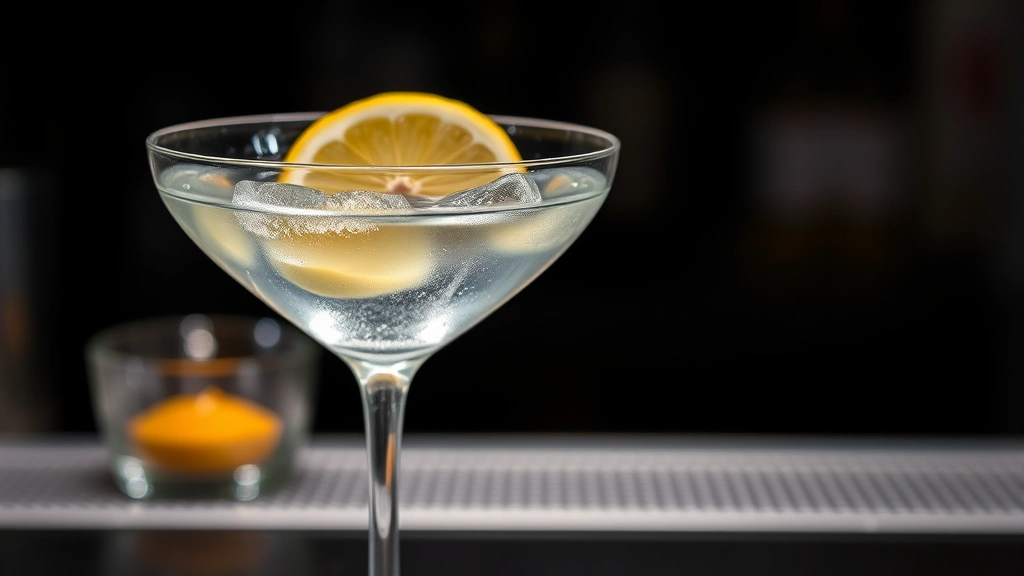
The gin martini stands as the most iconic gin cocktail ever created, a drink that separates skilled bartenders from amateurs. This deceptively simple combination of gin, dry vermouth, and a garnish requires precision, quality ingredients, and proper technique. The martini’s elegance comes from its restraint—there’s nowhere to hide when working with only three components.
The traditional martini ratio has been debated for decades. Most bartenders recommend a 6:1 gin to vermouth ratio, though personal preference varies considerably. Some prefer 5:1 for more vermouth presence, while martini purists argue for 8:1 or even higher ratios. The key is understanding that vermouth isn’t merely a modifier—it’s a critical ingredient that adds herbal notes and structural balance to the drink.
Temperature and technique matter enormously. A proper martini is stirred with ice for approximately 30 seconds until the mixing glass becomes frosted. This chills the drink to the ideal serving temperature while slightly diluting it, which opens up the gin’s botanical profile. The difference between a stirred martini and a shaken one is noticeable—shaking introduces air bubbles and creates a cloudy appearance that many consider improper for this classic drink.
Your gin selection dramatically impacts the martini’s character. London Dry style gins work best here, as their pronounced juniper and balanced botanicals complement dry vermouth’s herbaceous notes. Strain the drink into a chilled coupe glass, then express lemon oil from a twist over the surface or garnish with a cocktail onion for a Gibson variation. This small detail adds aroma and subtle flavor that enhances the overall experience.
Gin and Tonic Variations: Beyond the Basic Recipe
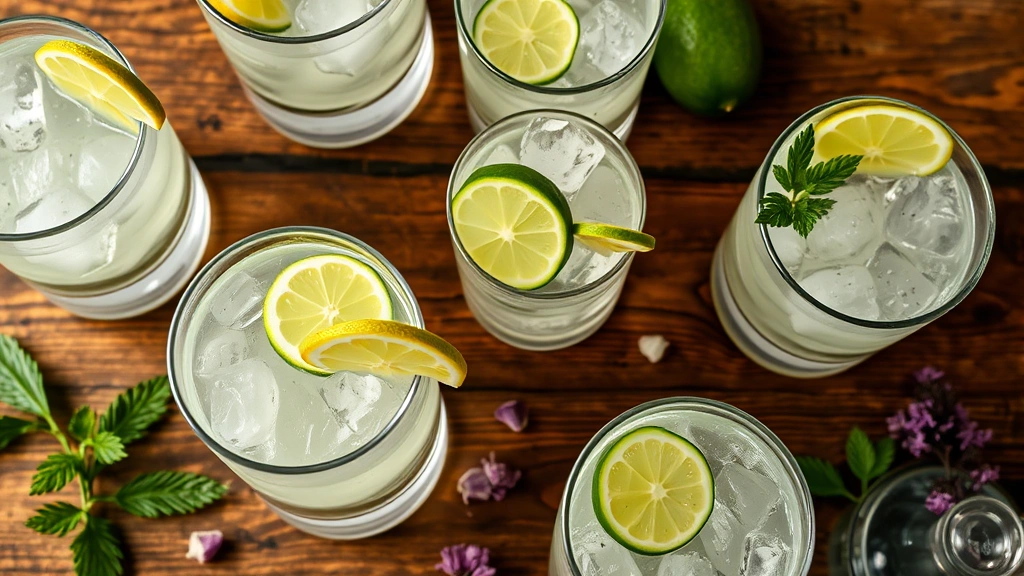
The gin and tonic seems simple enough—gin, tonic water, ice, and a lime wedge. Yet this drink has become a canvas for creative exploration among sophisticated bartenders worldwide. Understanding the fundamentals allows you to appreciate why seemingly minor adjustments create dramatically different drinking experiences.
Tonic water selection is absolutely critical. Generic supermarket tonics often contain excessive quinine and sugar, masking the gin’s subtle characteristics. Premium tonic waters from brands like Fever-Tree or Q Tonic use better ingredients and more balanced quinine levels, allowing the gin to shine. Different tonic styles pair better with different gins: citrus-forward tonics complement herbaceous gins, while floral tonics work beautifully with aromatic, botanical-heavy expressions.
Temperature affects the gin and tonic profoundly. Use a proper mixing glass with ice to chill both gin and tonic before combining them. Pour gin over large ice cubes in your serving glass, add tonic slowly to preserve carbonation, and stir gently. This approach ensures proper dilution and prevents the drink from becoming flat or overly warm.
Garnish choices extend beyond lime. Fresh grapefruit peels add bitter-citrus complexity, cucumber slices provide refreshing crispness, and rosemary sprigs introduce piney aromatics that echo gin’s botanical profile. Some bartenders add a dash of aromatic bitters or a small measure of flavored syrup to enhance specific characteristics, though purists argue this diminishes the drink’s integrity.
Consider exploring pairing gin and tonics with food, as this classic aperitif works beautifully alongside light appetizers and seafood preparations.
The Negroni and Its Variations: Bitter Sophistication
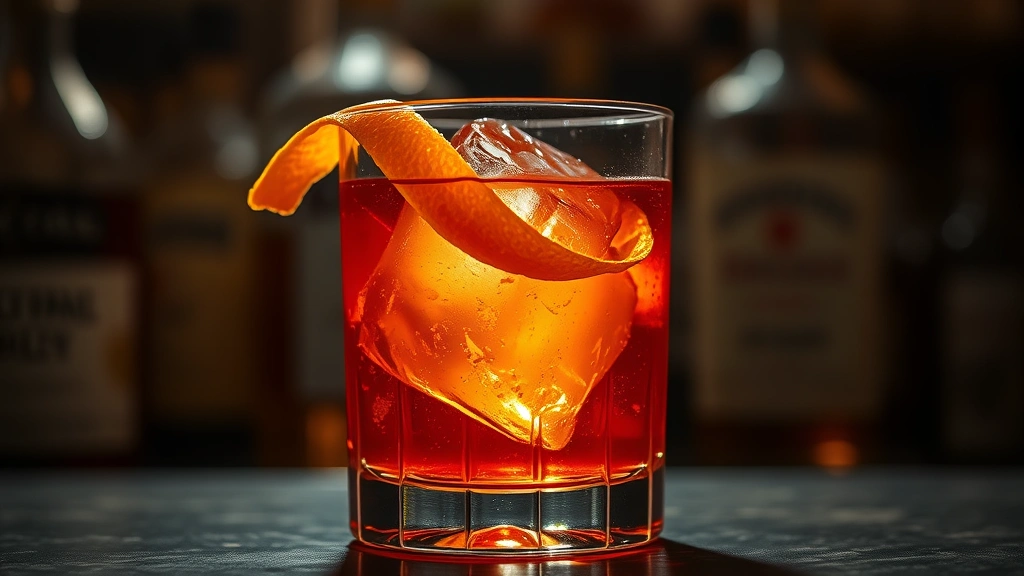
The Negroni represents gin cocktail mastery in its most elegant form. Created in Florence, Italy, this 1:1:1 combination of gin, Campari, and sweet vermouth achieves perfect balance through equal proportions and contrasting flavor profiles. The drink tastes entirely different than its components suggest—somehow greater than the sum of its parts.
The magic lies in how these three spirits interact. Gin provides botanical complexity and structure, Campari contributes bittersweet intensity and distinctive red color, while sweet vermouth adds herbal sweetness and viscosity. When stirred together with ice and expressed with an orange peel, these elements create a sophisticated, contemplative drink that rewards slow sipping.
Technique matters significantly with Negronis. Stir for a full 30 seconds with large ice cubes, which ensures proper chilling and dilution while maintaining the drink’s body. Strain into a rocks glass over fresh ice, express orange oil over the surface, and place the peel in the glass. This garnish isn’t merely decorative—it adds essential citrus aromatics that enhance the drinking experience.
Variations expand the Negroni’s versatility. A Negroni Sbagliato substitutes sparkling wine for gin, creating a lighter, aperitif-style drink. The Boulevardier swaps gin for whiskey, producing a warmer, more spirit-forward cocktail. Some bartenders experiment with different amari to create house variations, though purists argue the original formula is unsurpassable.
The Negroni pairs exceptionally well with savory appetizers and charcuterie boards. Its bitter-herbal profile complements salty, umami-rich foods beautifully, making it an ideal aperitif for entertaining.
Gimlet and Sour-Style Cocktails: Balanced Refreshment
The gimlet exemplifies the sour family of cocktails—drinks built on the foundation of spirit, acid, and sweetness. This simple formula, when executed properly, creates some of the most refreshing and balanced cocktails in existence. The gimlet specifically combines gin, fresh lime juice, and simple syrup in proportions that create brightness without excessive tartness.
Fresh lime juice is non-negotiable. Bottled lime juice contains preservatives and lacks the vibrant acidity of freshly squeezed fruit. Always juice limes immediately before mixing your drink. The standard gimlet ratio is 2 ounces gin, ¾ ounce fresh lime juice, and ½ ounce simple syrup, though personal preference may shift these proportions slightly.
Shaking is essential for gimlets. The vigorous action of ice against your cocktail shaker aerates the drink, creates proper dilution, and chills the mixture to ideal serving temperature. Shake for 10-15 seconds until the outside of the shaker becomes frosted, then strain into a coupe glass. The result should be silky, well-balanced, and refreshingly tart.
The daiquiri represents another essential sour-style gin cocktail worth mastering. Using the same basic formula with different proportions—2 ounces gin, 1 ounce fresh lime juice, and ¾ ounce simple syrup—creates a more citrus-forward drink. Some bartenders prefer the daiquiri ratio for its increased brightness and complexity.
Variations on the sour theme are nearly limitless. Adding fresh herbs like basil or mint creates entirely new dimensions. Substituting other citrus juices—lemon, grapefruit, or passion fruit—produces distinctive flavor profiles. These techniques demonstrate how understanding fundamental cocktail architecture allows creative exploration while maintaining balance.
Contemporary Gin Creations: Modern Mixology
Modern bartenders have pushed gin cocktails into exciting new territory while respecting classical principles. These contemporary creations demonstrate how gin’s botanical versatility allows endless experimentation. Understanding these drinks helps you appreciate current mixology trends and develop your own house recipes.
The Corpse Reviver #2 represents a bridge between classic and contemporary styles. This complex drink combines gin, Cointreau, Lillet Blanc, fresh lemon juice, and a dash of absinthe, creating a sophisticated, aromatic cocktail that demands respect. The absinthe rinse adds an unexpected herbal element that elevates the entire composition. This drink requires careful proportioning and technique—each ingredient serves a specific purpose in the final balance.
Barrel-aged gin cocktails represent another modern trend. Some bartenders age classic cocktails like martinis or Negronis in oak barrels for extended periods, allowing wood to impart complexity and smoothness. These experiments require significant time and resources but demonstrate how temperature control and wood interaction can transform familiar drinks.
Infused gins have become increasingly popular in contemporary bars. Bartenders create house-made gin infusions using fresh botanicals, spices, or even savory elements like smoked tea. These infusions allow customization of gin’s flavor profile to match specific cocktails or seasonal ingredients. Creating your own infusions at home requires patience but yields remarkable results that distinguish your home bar from ordinary setups.
Molecular mixology techniques—including foams, spheres, and gelification—have influenced gin cocktails in upscale establishments. While these methods require specialized equipment, understanding the principles behind them helps you appreciate advanced bartending techniques. Many home bartenders are now experimenting with accessible versions of these methods using readily available ingredients.
Essential Techniques for Gin Cocktails: Professional Bartending Skills
Mastering gin cocktails requires developing fundamental bartending techniques that apply across numerous drinks. These skills separate competent home bartenders from those who merely combine ingredients without understanding the underlying principles.
Proper Shaking Technique involves holding your cocktail shaker with one hand while the other grips the mixing glass base. Fill the shaker halfway with ice, add ingredients, and shake vigorously for 10-15 seconds. The motion should come from your wrist and forearm, not your entire arm. This creates proper dilution and aeration without excessive foam or splashing.
Stirring for Cocktails differs significantly from casual stirring. Use a bar spoon with a long handle and twisted shaft, which allows smooth rotation through ice. Hold the mixing glass with your non-dominant hand while stirring with the other, maintaining steady circular motion for 30 seconds. The drink should become visibly colder as condensation forms on the outside of the glass.
Measuring Accuracy separates professional cocktails from amateur attempts. Always use proper jiggers—double-sided measuring tools with specific volumes marked on each side. Common sizes include 1.5 ounces and ½ ounce, though other measurements exist. Consistent measuring ensures reproducible results and proper balance in every drink you make.
Temperature Control fundamentally impacts cocktail quality. Chill your glassware before serving by filling it with ice while preparing the drink, then discarding the ice before pouring. This ensures the finished cocktail maintains proper coldness throughout consumption. Room-temperature glasses will warm your carefully chilled drink within minutes.
Garnish Techniques extend beyond mere decoration. Expressing citrus peels releases essential oils that add aroma and subtle flavor. Hold the peel skin-side down over the drink, bend it sharply to break the oils, and rub the rim of the glass before placing it in the drink. This small technique dramatically enhances the aromatic experience.
Understanding how to prepare ingredients ahead of time, much like mise en place in cooking, ensures smooth cocktail preparation during entertaining.
Building Your Gin Selection: Creating a Sophisticated Home Bar
A well-rounded gin collection allows you to explore diverse flavor profiles and create numerous cocktails. Rather than purchasing numerous bottles randomly, thoughtfully build your collection around specific categories and styles.
London Dry Gins form the foundation of any respectable gin collection. These juniper-forward spirits with balanced botanicals work beautifully in classic cocktails like martinis and Negronis. Examples include Tanqueray, Bols Genever, and Bombay Sapphire. These gins cost between $25-45 per bottle and provide reliable quality for everyday mixing.
Contemporary Gins emphasize non-juniper botanicals like florals, fruits, or herbs. These expressions work exceptionally well in gin and tonics or contemporary cocktails. Brands like Hendrick’s (cucumber-forward), Bombay Sapphire (floral), and Tanqueray No. Ten (citrus-focused) offer distinctive profiles that broaden your mixing possibilities.
Barrel-Aged Gins add depth and warmth to your collection. These gins rest in oak barrels, absorbing wood characteristics that create complexity. While premium-priced, a single bottle opens new cocktail possibilities and demonstrates gin’s range.
Dry Vermouth Selection matters as much as gin choice. Quality dry vermouth like Dolin or Noilly Prat costs $15-25 but makes measurable differences in martinis and other vermouth-based cocktails. Store vermouth in your refrigerator after opening, as it oxidizes quickly at room temperature.
Complementary Spirits and Mixers complete your home bar foundation. Campari, Cointreau, fresh citrus, quality tonic water, and simple syrup are essential. Premium bitters from brands like The Cultivated Bar add complexity to numerous drinks.
Building your gin knowledge parallels learning to cook well. Just as understanding fundamental cooking techniques enables creative cooking, understanding gin’s characteristics and cocktail principles enables creative mixing.
Consider exploring resources from Barsmarts, a professional bartending education program, to deepen your mixology knowledge. Additionally, Gin Is A Gin provides comprehensive gin education and tasting notes.
FAQ
What’s the difference between gin and vodka in cocktails?
Gin contains distinctive botanical flavors—primarily juniper—while vodka is intentionally neutral. This means gin cocktails develop complex flavor profiles, whereas vodka cocktails rely on other ingredients for taste. Gin’s character makes it unsuitable as a vodka substitute in most cocktails, as the resulting drink would taste entirely different.
Can I make gin cocktails without a cocktail shaker?
Yes, though results vary. For drinks requiring shaking, use any sealable container and shake vigorously. However, proper cocktail shakers with tight-fitting lids and adequate volume make the process significantly easier. Stirred drinks can be prepared in any vessel with sufficient room for ice and a long spoon, making them more accessible for home bartenders.
How long can I store homemade simple syrup?
Properly stored simple syrup lasts indefinitely at room temperature, though many bartenders refrigerate it for convenience. Make a fresh batch monthly to ensure optimal flavor. Store in sealed glass containers away from direct sunlight, and discard if any cloudiness or mold appears.
What’s the best gin for beginners?
Tanqueray and Bols Genever offer excellent introductions to gin’s flavor profile without excessive complexity or cost. These London Dry style gins work beautifully in classic cocktails and allow you to appreciate gin’s botanical character without overwhelming your palate. Once comfortable with these expressions, explore contemporary and specialized gins.
Should I chill my gin before mixing cocktails?
Chilling gin before mixing is unnecessary if you’re using proper technique with adequate ice. The shaking or stirring process cools the spirit sufficiently. However, refrigerating gin doesn’t harm it and some bartenders prefer starting with cold ingredients for slightly better results.
What’s the ideal temperature for serving gin cocktails?
Most gin cocktails should be served between 35-45°F. This temperature range maintains the spirit’s character while providing refreshing coldness. Using properly chilled glassware and adequate ice ensures your finished drink maintains this temperature throughout consumption.


