Ground Beef Rice Dish: Family Favorite Recipe That’s Easy & Delicious
Ground beef and rice is the ultimate comfort food combination that brings families to the dinner table night after night. This versatile dish transforms simple pantry staples into a satisfying meal that’s budget-friendly, quick to prepare, and endlessly customizable. Whether you’re feeding picky eaters or hosting a casual dinner, ground beef rice recipes deliver consistent results that please everyone at the table.
The beauty of this classic pairing lies in its simplicity. Ground beef provides protein and rich flavor, while rice creates a filling base that stretches your ingredients further. When combined with aromatic vegetables, savory seasonings, and your choice of sauce or broth, this humble dish becomes restaurant-quality comfort food. Learn how to master this family favorite and discover why it remains a staple in kitchens across generations.
Why Ground Beef Rice Dishes Are Perfect for Busy Families
In today’s fast-paced world, home cooks need recipes that deliver maximum flavor with minimal fuss. Ground beef rice dishes check every box on the busy family’s wish list. These meals come together in 30 minutes or less, require minimal cleanup, and use ingredients most households already have stocked. The one-pot or one-skillet nature of many ground beef rice recipes means fewer dishes to wash after dinner, a significant advantage for weeknight cooking.
Cost-effectiveness makes ground beef rice recipes particularly attractive for families watching their grocery budget. Ground beef is typically more affordable than other protein options, and rice extends the dish further, allowing you to feed more people for less money. This combination doesn’t sacrifice nutrition or satisfaction—you’re getting complete proteins, carbohydrates for energy, and room to pack in vegetables for vitamins and fiber.
The versatility of ground beef rice dishes means you can serve them to different family members with varying preferences. Keep the base plain for younger children while adding spice and heat for adults. Serve it over white rice, brown rice, or cauliflower rice depending on dietary preferences. This adaptability makes meal planning simpler and reduces the need for multiple dinner preparations.
Essential Ingredients for Ground Beef Rice Recipes
Creating a delicious ground beef rice dish starts with quality ingredients. The foundation consists of ground beef (80/20 blend works best for flavor and texture), rice (long-grain white or brown rice are most common), and aromatic vegetables that build flavor depth.
Protein Base: Ground beef is the star ingredient, providing savory umami notes and satisfying texture. One pound typically serves four to six people when combined with rice. Choose ground beef with a bit of fat content—the 80/20 ratio ensures moisture and flavor development during cooking.
Grain Foundation: Rice absorbs flavors beautifully while creating the bulk of your dish. Long-grain white rice cooks quickly and yields separate, fluffy grains. Brown rice offers more fiber and a slightly nutty flavor, though it requires longer cooking times. Consider jasmine or basmati rice for aromatic options that elevate your dish.
Aromatic Vegetables: Onions, garlic, and bell peppers form the flavor trinity in ground beef rice recipes. Onions add sweetness and depth when cooked until golden. Garlic provides pungent, complex notes that deepen during cooking. Bell peppers contribute sweetness, color, and subtle vegetal notes. Dice these vegetables uniformly so they cook evenly.
Liquid and Seasonings: Beef broth, chicken broth, or water serves as the cooking liquid for rice. Broth adds significant flavor compared to plain water. Salt, pepper, and spices transform a basic dish into something memorable. Soy sauce, Worcestershire sauce, or hot sauce add savory depth. Cumin, paprika, and dried herbs bring complexity and warmth.
Optional Additions: Tomato paste, diced tomatoes, or tomato sauce introduce acidity and richness. Sour cream or cream cheese creates creaminess. Frozen peas, corn, or carrots add color and nutrition. Cheese, whether cheddar or parmesan, provides richness and umami.
Step-by-Step Cooking Instructions
Step 1: Brown the Ground Beef
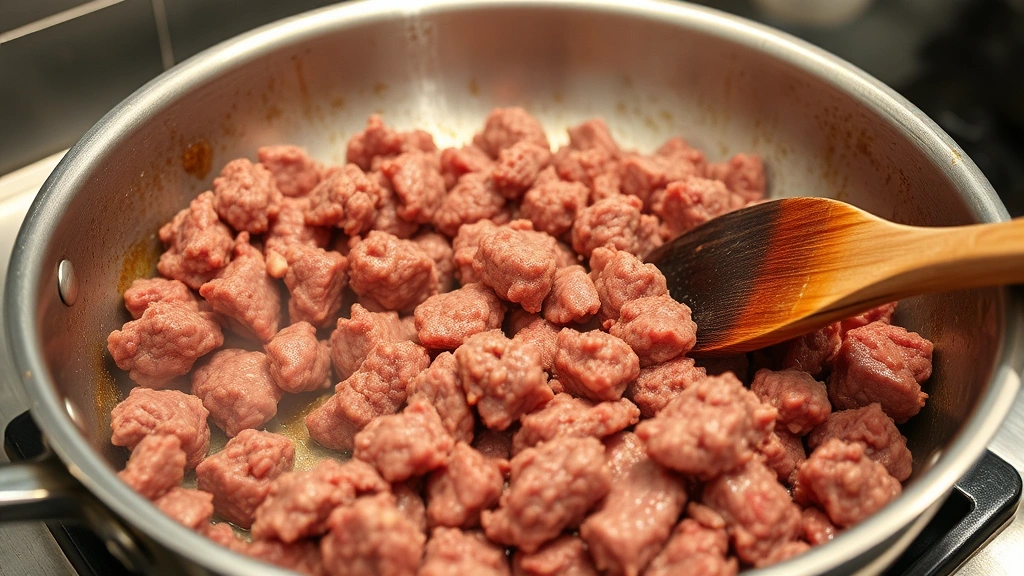
Heat a large skillet or Dutch oven over medium-high heat. Add ground beef and cook, breaking it into small pieces with a wooden spoon or spatula as it browns. This process typically takes 5-7 minutes. Properly browned ground beef develops a flavorful crust through the Maillard reaction, creating depth that plain boiled beef cannot match. Once the beef is fully browned with no pink remaining, use a slotted spoon to remove excess fat if desired, leaving about 1-2 tablespoons for flavor.
Step 2: Sauté Aromatics
Reduce heat to medium and add diced onions to the beef. Cook for 3-4 minutes until onions become translucent and begin releasing their natural sugars. Add minced garlic and cook for another minute until fragrant. This step builds flavor layers that form the foundation of your dish. Don’t skip this—the aroma indicates that aromatic compounds are developing and bonding with the beef.
Step 3: Add Rice and Toast
Stir in uncooked rice and cook for 2-3 minutes, stirring frequently. Toasting the rice grains in the beef fat creates nutty flavors and helps each grain cook separately rather than clumping together. You’ll notice the rice becomes slightly translucent around the edges—this indicates proper toasting.
Step 4: Add Liquid and Seasonings
Pour in your liquid (typically 2 cups for long-grain rice), add salt, pepper, and your choice of seasonings. Bring the mixture to a boil, then reduce heat to low. Stir well to combine ingredients and distribute seasonings evenly. The liquid should just cover the rice.
Step 5: Simmer Until Rice Cooks
Cover the skillet with a tight-fitting lid and simmer for 15-20 minutes for white rice, or 40-45 minutes for brown rice. Resist the urge to lift the lid frequently—each time you do, steam escapes and cooking time extends. The rice is done when it’s tender, liquid is absorbed, and grains are separate. If liquid remains after rice is tender, simmer uncovered for a few minutes. If rice seems dry before reaching tenderness, add a bit more liquid.
Step 6: Rest and Fluff
Remove from heat and let the dish rest, covered, for 5 minutes. This allows residual heat to finish cooking and helps rice grains firm up. Fluff gently with a fork, breaking up any clumps. This final step ensures light, separate grains rather than a mushy consistency.
Flavor Variations and Global Inspirations
Asian-Inspired Ground Beef Rice
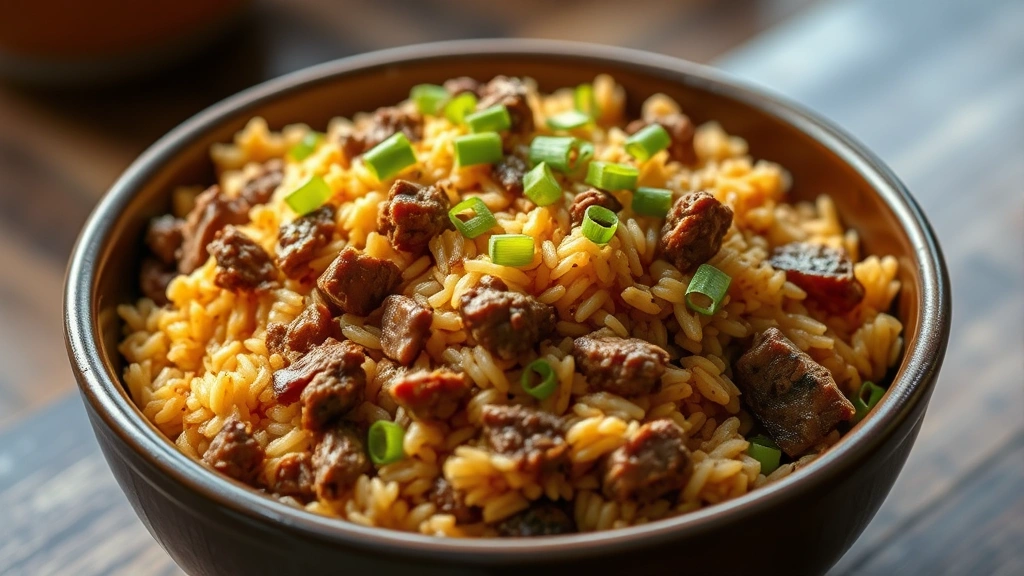
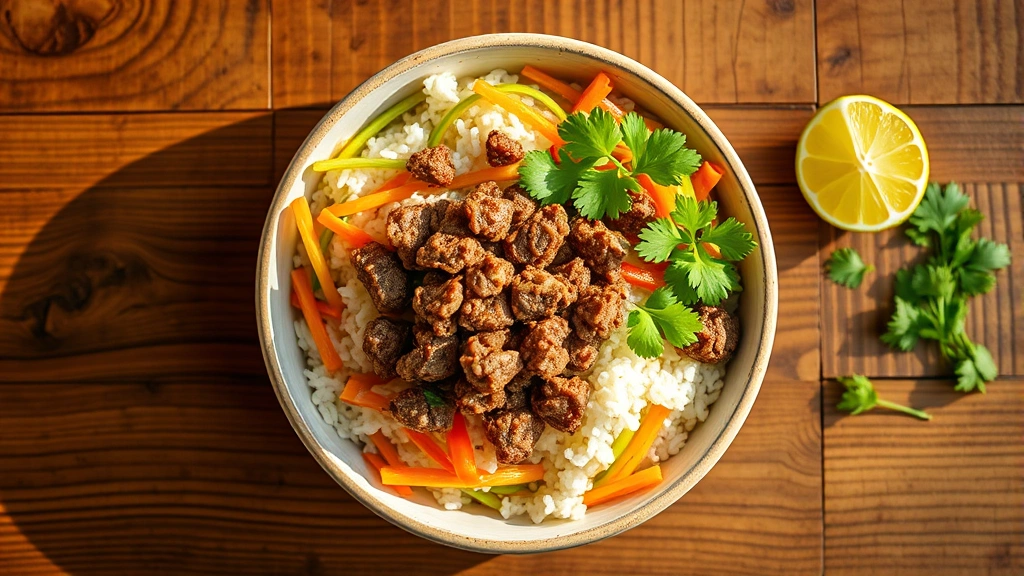
Create an Asian version by using soy sauce as your primary seasoning, adding ginger and garlic for warmth, and incorporating napa cabbage recipes elements like sesame oil and rice vinegar. Soy sauce provides umami depth that transforms the dish into something reminiscent of restaurant fried rice. Add frozen peas, carrots, and green onions during the last few minutes of cooking. Serve with Asian salad recipe options on the side for a complete meal.
Mexican-Style Ground Beef Rice
Transform your dish by using cumin, chili powder, and paprika as primary seasonings. Add diced tomatoes, tomato paste, and jalapeños for authentic flavor. Stir in black beans and corn for texture and nutrition. Top with shredded cheese, sour cream, and fresh cilantro. This version pairs beautifully with street tacos recipe concepts or can be served in lettuce wraps. Consider pairing with Mexican chicken recipes for menu inspiration.
Mediterranean Ground Beef Rice
Use oregano, basil, and thyme to create Mediterranean flavor profiles. Add diced tomatoes, Kalamata olives, and feta cheese. Pine nuts add crunch and sophistication. This version draws inspiration from Greek food recipes traditions. Serve with fresh herbs and a squeeze of lemon juice for brightness.
Creamy Ground Beef Rice
Stir in cream cheese, sour cream, or heavy cream during the last few minutes of cooking for a rich, comforting version. Add sautéed mushrooms for earthiness. This variation appeals to those who prefer creamier dishes and works beautifully with egg noodles mixed into the rice.
Spicy Ground Beef Rice
For heat lovers, incorporate cayenne pepper, hot sauce, or fresh jalapeños. Add red pepper flakes and increase garlic quantity. Balance heat with sweetness using a touch of honey or brown sugar. This version satisfies those craving bold, fiery flavors.
Veggie-Loaded Ground Beef Rice
Maximize nutrition by adding diced zucchini, bell peppers, spinach, broccoli, or mushrooms. These vegetables add fiber, vitamins, and minerals while stretching the dish further. Add delicate vegetables like spinach in the last few minutes to prevent overcooking. Try serving alongside easy coleslaw recipe options for fresh contrast.
Cooking Tips for Perfect Results Every Time
Use the Right Rice-to-Liquid Ratio
The standard ratio is 1 part rice to 2 parts liquid. This guideline works for most long-grain white rice varieties. Brown rice requires slightly more liquid—use 1 part rice to 2.5 parts liquid. Adjust based on your specific rice type and elevation. At higher altitudes, you may need additional liquid since water boils at lower temperatures.
Don’t Skip the Browning Step
Properly browning ground beef creates complex flavors through the Maillard reaction. This chemical process develops hundreds of flavor compounds, transforming simple beef into something extraordinary. Resist the urge to rush this step—it’s worth the extra few minutes.
Toast Your Rice
Toasting uncooked rice in fat before adding liquid prevents mushiness and creates separate, fluffy grains. This technique, borrowed from pilaf traditions, makes a noticeable difference in texture and mouthfeel. The rice grains become coated with fat, which prevents excess water absorption.
Control Heat Levels
Start with high heat to brown beef and develop initial flavors, then reduce to medium for sautéing vegetables, and finally simmer on low. This temperature progression ensures proper browning without burning, gentle vegetable cooking that releases flavors, and patient rice cooking that yields tender grains.
Season in Layers
Add salt and pepper at different cooking stages rather than all at once. Season the beef as it browns, add more with aromatics, and taste at the end to adjust. Layered seasoning creates more balanced, developed flavors compared to single-stage seasoning.
Resist Lifting the Lid
Each time you lift the lid during simmering, steam escapes and extends cooking time. Trust the process and resist the urge to check on rice frequently. Set a timer and wait until it sounds for best results.
Use Quality Broth
The liquid you choose significantly impacts final flavor. Homemade beef broth delivers superior results compared to water, while quality store-bought broth offers convenience. Avoid overly salty broths that can make your dish unpalatable—taste first and adjust seasonings accordingly.
Let It Rest
The 5-minute rest after cooking allows residual heat to complete cooking and helps rice grains firm up. This simple step prevents mushy rice and improves overall texture dramatically.
Best Side Dishes to Serve
Ground beef rice dishes taste even better alongside complementary sides that add freshness, crunch, or contrast. Fresh easy coleslaw recipe options provide crisp, cool contrast to warm rice. The vinegary dressing cuts through richness and aids digestion.
Steamed or roasted vegetables like broccoli, green beans, or asparagus add nutrition and different textures. A simple green salad with vinaigrette provides freshness and helps balance heavier rice dishes. Consider Asian salad recipe variations for alignment with Asian-inspired beef rice bowls.
Bread options work well for those who want to round out their meal. Garlic bread, dinner rolls, or cornbread complement the dish while allowing diners to customize portion sizes. For lighter meals, skip bread and add more vegetables instead.
Pickled vegetables like pickled onions, jalapeños, or cucumber provide bright acidity that cuts through richness. Fermented options like kimchi or sauerkraut add probiotics and complex flavor. These condiments transform a simple meal into something restaurant-quality.
Yogurt-based sauces or sour cream mixed with fresh herbs provide cooling contrast, particularly with spicy versions. Lime wedges or lemon halves allow diners to add brightness to taste. Fresh cilantro, parsley, or chives sprinkled over the finished dish add color and herbaceous notes.
Storage and Make-Ahead Strategies
Refrigerator Storage
Properly stored ground beef rice keeps for 3-4 days in the refrigerator. Transfer cooled dish to airtight containers, dividing into individual portions for easy reheating. Store in the coldest part of your refrigerator, typically the back of a shelf. Avoid leaving cooked rice at room temperature for more than 2 hours to prevent bacterial growth.
Freezer Storage
Ground beef rice freezes beautifully for up to 3 months. Cool completely before transferring to freezer-safe containers or bags, removing as much air as possible to prevent freezer burn. Label containers with contents and date for easy identification. Flat freezer bags stack efficiently and thaw quickly.
Reheating Methods
Thaw frozen portions overnight in the refrigerator for best results, then reheat in a skillet over medium heat with a splash of water or broth. Microwave reheating works but can create dry spots—stir frequently and add moisture as needed. Stovetop reheating produces the most even results and allows you to adjust seasonings.
Make-Ahead Strategy
Prepare ground beef rice up to 2 days ahead, storing in the refrigerator until ready to serve. This strategy works perfectly for meal prep or when hosting dinner. Simply reheat before serving. Alternatively, prepare components separately—brown beef and store, cook rice separately, then combine when ready to serve.
Freezer Meal Prep
Assemble ground beef rice in disposable aluminum pans, cool completely, cover tightly with plastic wrap and foil, then freeze. These meals transition directly from freezer to oven—bake covered at 350°F for 45-60 minutes until heated through. This strategy creates convenient emergency dinners.
FAQ
Can I make ground beef rice in a rice cooker?
Yes! Brown ground beef in a skillet first, then transfer to your rice cooker with rice, liquid, and seasonings. Use the standard rice-to-liquid ratio and follow your rice cooker’s instructions. This method is convenient for large batches and requires minimal monitoring.
What’s the best ground beef to use for rice dishes?
Ground beef with an 80/20 fat-to-lean ratio works best, providing flavor and moisture without excessive grease. Leaner 90/10 beef produces drier results, while fattier 70/30 beef can yield greasy dishes. Choose based on your preference, but 80/20 offers the best balance.
Can I use ground turkey or chicken instead of beef?
Absolutely! Ground turkey and chicken work well, though they’re leaner and require slightly different cooking. Add a bit of oil when browning poultry to prevent sticking. Use broth with rich flavor since poultry is milder than beef. Cooking times remain the same.
How do I prevent mushy rice?
Use the correct rice-to-liquid ratio, don’t lift the lid during cooking, and use a timer to avoid overcooking. Toasting rice before adding liquid also helps prevent mushiness. If rice seems wet after cooking time expires, simmer uncovered for a few minutes to evaporate excess moisture.
Can I double this recipe?
Yes, ground beef rice doubles easily. Use twice the ingredients and increase cooking time slightly if needed. Ensure your pan is large enough to accommodate the volume. Cooking time may increase by 5-10 minutes depending on pan size and heat distribution.
What if I don’t have beef broth?
Chicken broth, vegetable broth, or water work as alternatives. Broth adds flavor compared to water, but any liquid works. Compensate for less flavorful liquid by using more seasonings. You could also dissolve beef bouillon cubes in water for beef-flavored liquid.
Is ground beef rice healthy?
Ground beef rice provides protein, carbohydrates, and nutrients, making it a balanced meal. Nutritional value depends on ingredients and portions. Load your dish with vegetables, use lean beef, and control portion sizes for healthier results. Brown rice offers more fiber than white rice.
Can I meal prep this for the week?
Yes! Prepare a large batch on Sunday and portion into containers for the week. Store in the refrigerator for 3-4 days. Reheat portions as needed. This strategy saves time during busy weekdays and ensures you have healthy meals available.


