How to Grow a Garden: Expert Tips & Recipes
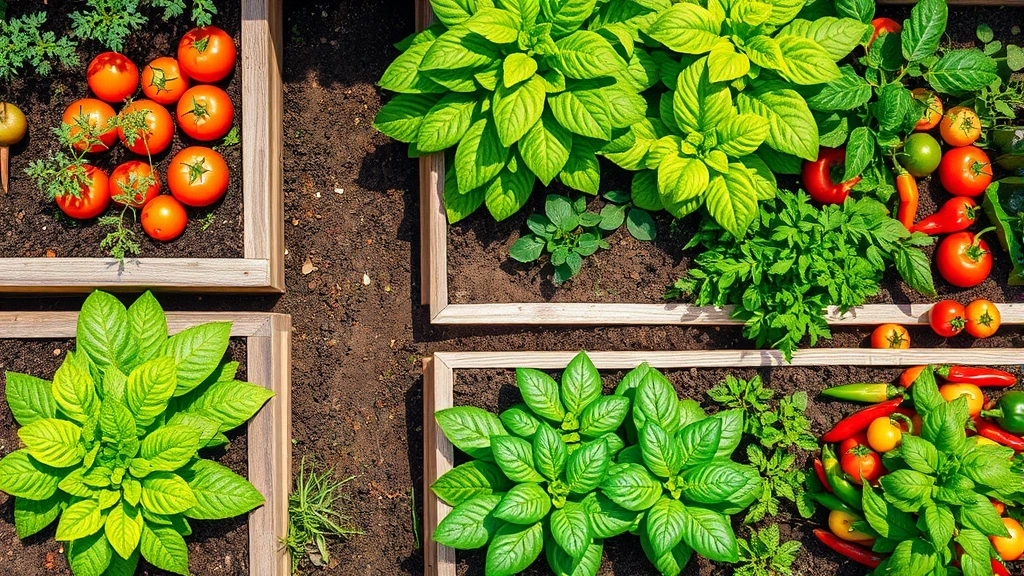
Growing your own garden transforms not only your outdoor space but also your relationship with food. Whether you have a sprawling backyard or a modest balcony, cultivating fresh vegetables, herbs, and fruits connects you directly to the source of your meals. This comprehensive guide combines horticultural expertise with culinary inspiration, showing you how to grow a thriving garden and use your harvest in delicious recipes.
The journey from seed to table is deeply rewarding. When you grow a garden, you control what goes into the soil, eliminate unnecessary pesticides, and enjoy produce at peak freshness. Beyond the nutritional benefits, homegrown ingredients elevate your cooking with flavors that supermarket produce simply cannot match. From juicy strawberries to fragrant basil, your garden becomes a personal farmers market.
Getting Started: Garden Planning and Site Selection
Before you dig a single hole, successful gardening begins with thoughtful planning. Assess your available space, climate zone, and sunlight patterns. Most vegetables require six to eight hours of direct sunlight daily, while leafy greens tolerate partial shade. Document how sunlight moves across your yard throughout the day to identify optimal planting zones.
Consider your garden’s layout strategically. Taller plants like tomatoes and corn should be positioned on the north side so they don’t shade shorter plants. Group plants with similar water and nutrient needs together for efficient maintenance. Sketch your garden design on paper, noting dimensions and plant placement. This planning phase prevents costly mistakes and maximizes your growing space.
Water accessibility matters tremendously. Position your garden near a water source to make irrigation convenient. Raised beds offer excellent drainage and easier access, making them ideal for beginners. Container gardening works beautifully for apartments and small spaces, allowing you to grow herbs, peppers, and even strawberries in pots on patios or balconies.
Soil Preparation and Amendment
Healthy soil is the foundation of a productive garden. Before planting, test your soil’s pH and nutrient composition through your local agricultural extension office. Most vegetables thrive in slightly acidic soil with a pH between 6.0 and 7.0. Understanding your soil type—sandy, clay, or loamy—helps you make appropriate amendments.
Incorporate organic matter generously into your garden beds. Mix in aged compost, well-rotted manure, or peat moss to improve soil structure, drainage, and nutrient content. Aim to add three to four inches of organic material and work it into the top eight to ten inches of soil. This enrichment process creates a dark, crumbly texture that plants love.
Consider creating your own compost system. Kitchen scraps, yard waste, and plant material decompose into nutrient-rich compost that feeds your garden naturally. Preserving your harvest often leaves stems and trimmings perfect for composting. A three-to-one ratio of brown materials (dried leaves, straw) to green materials (grass clippings, vegetable scraps) creates balanced compost within three to six months.
Choosing What to Grow
Your garden’s success depends partly on choosing plants suited to your climate and experience level. Beginners should start with hardy, forgiving crops like tomatoes, zucchini, lettuce, and herbs. These deliver gratifying results without demanding extensive expertise. Consult your USDA hardiness zone to understand your growing season length and frost dates.
Think about what you actually eat and cook with regularly. If your family loves salads, prioritize lettuce varieties and vegetables like cucumbers and bell peppers. Passionate bakers might dedicate space to strawberries for creating a stunning strawberry pie. Growing ingredients you’ll genuinely use ensures nothing goes to waste and maximizes your culinary enjoyment.
Succession planting extends your harvest throughout the season. Rather than planting all lettuce at once, sow new seeds every two weeks for continuous harvests. Cool-season crops like peas and spinach can be replaced with heat-loving tomatoes and peppers as temperatures rise. This strategy provides fresh produce from spring through fall.
Herbs deserve prime real estate in your garden. Basil, parsley, thyme, oregano, and rosemary are prolific producers requiring minimal care. Fresh herbs transform simple dishes into restaurant-quality meals and dry beautifully for winter use. Many herbs tolerate container growing, making them perfect for kitchen-window gardens.
Planting and Maintenance Essentials
Timing is critical for successful growing. Start seeds indoors six to eight weeks before your last spring frost for crops like tomatoes and peppers. Direct sow cool-season crops like peas and lettuce as soon as soil is workable in spring. Warm-season crops go in the ground only after frost danger passes and soil temperature reaches at least 60 degrees Fahrenheit.
Follow seed packet instructions for planting depth and spacing. Generally, seeds should be planted at a depth equal to twice their diameter. Thin seedlings once they develop true leaves, removing weaker plants to give stronger ones room to flourish. Proper spacing prevents disease and competition for nutrients.
Mulching conserves moisture, regulates soil temperature, and suppresses weeds. Apply two to three inches of organic mulch like straw or shredded leaves around plants, keeping it a few inches away from stems to prevent rot. As mulch decomposes, it enriches your soil with organic matter.
Staking and supporting plants prevents damage and improves air circulation. Tomatoes, peppers, and beans benefit from stakes, cages, or trellises. These supports also make harvesting easier and reduce disease pressure by keeping foliage off the ground.
Watering, Feeding, and Pest Management
Consistent moisture is essential, but overwatering kills more gardens than drought. Water deeply and less frequently to encourage deep root growth. Early morning watering allows foliage to dry, reducing fungal disease. Most gardens need one to two inches of water weekly, adjusted for rainfall and temperature.
Drip irrigation and soaker hoses deliver water directly to roots with minimal waste. Mulching helps retain soil moisture, reducing watering frequency. During hot spells, check soil moisture daily by inserting your finger two inches deep—if it feels dry, water thoroughly.
Feed your plants regularly with balanced fertilizer or compost. Nitrogen promotes leafy growth, phosphorus encourages flowering and fruiting, and potassium strengthens overall plant health. Organic options like fish emulsion, seaweed extract, and bone meal provide nutrients while improving soil biology. Side-dress plants with compost every four to six weeks during the growing season.
Pest management begins with prevention. Healthy plants resist pests better than stressed ones, so maintain proper watering and feeding. Inspect plants regularly for early pest signs. Remove affected leaves immediately, and use row covers on young plants to exclude insects. Companion planting—growing marigolds near vegetables or basil with tomatoes—deters many pests naturally.
Cooperative Extension Services provide excellent guidance on regional pest management. For persistent problems, organic solutions like neem oil, insecticidal soap, or beneficial insects offer effective control without harsh chemicals.
Harvesting Your Bounty
Harvest vegetables at peak ripeness for maximum flavor and nutrition. Pick leafy greens when young and tender, often before full maturity. Tomatoes develop superior flavor when allowed to ripen fully on the vine, though they can finish ripening indoors if picked at the breaker stage. Beans and peas taste sweetest when pods snap easily.
Morning harvesting, after dew dries but before heat peaks, captures vegetables at their freshest. Use clean, sharp tools to avoid damaging plants. Frequent harvesting encourages continued production—many vegetables produce more abundantly when regularly picked.
Handle produce gently to avoid bruising. Store most vegetables in cool conditions, though tomatoes and peppers maintain better flavor at room temperature. Leafy greens keep longest when rinsed, dried thoroughly, and stored in airtight containers.
Don’t let ripe produce waste. Excess strawberries become jam or freeze beautifully for winter baking. Overabundant zucchini transforms into bread, while surplus herbs dry for seasoning. Quick breakfast recipes often feature fresh garden vegetables and herbs.
From Garden to Kitchen: Delicious Recipes
Your homegrown harvest deserves equally thoughtful preparation. When you grow a garden recipe collection around your produce, you create a complete farm-to-table experience. Fresh strawberries inspire elegant desserts, while herb gardens elevate everyday cooking.
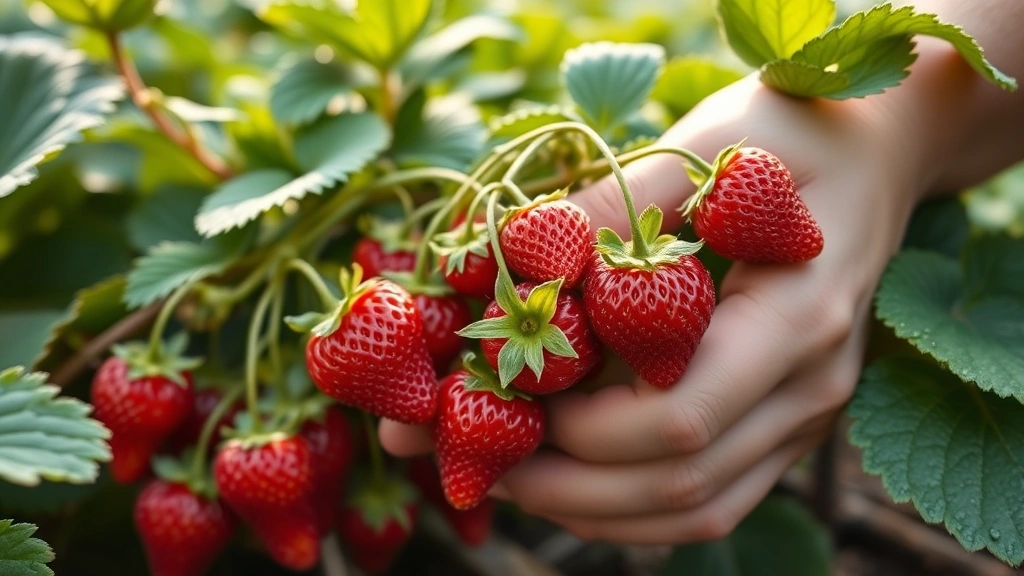
Strawberries from your garden shine in classic preparations. A traditional strawberry pie showcases your berries’ natural sweetness and brilliant color. Layer fresh berries with whipped cream and pastry for an impressive dessert. For a unique twist, try strawberry pretzel salad, which combines crispy, buttery layers with creamy filling and fresh berries. This dessert impresses dinner guests while requiring minimal baking skill.
Embrace international flavors with fresas con crema, a simple yet elegant Mexican dessert pairing fresh strawberries with sweetened cream. The beauty lies in ingredient quality—your garden-grown berries make this rustic dish truly special.
Fresh herbs transform ordinary meals into culinary adventures. Basil elevates pasta dishes and caprese salads, while parsley brightens soups and sauces. Thyme and rosemary enhance roasted vegetables and meats. Dill complements seafood and pickled vegetables beautifully. Growing these herbs ensures you always have fresh flavors at your fingertips.
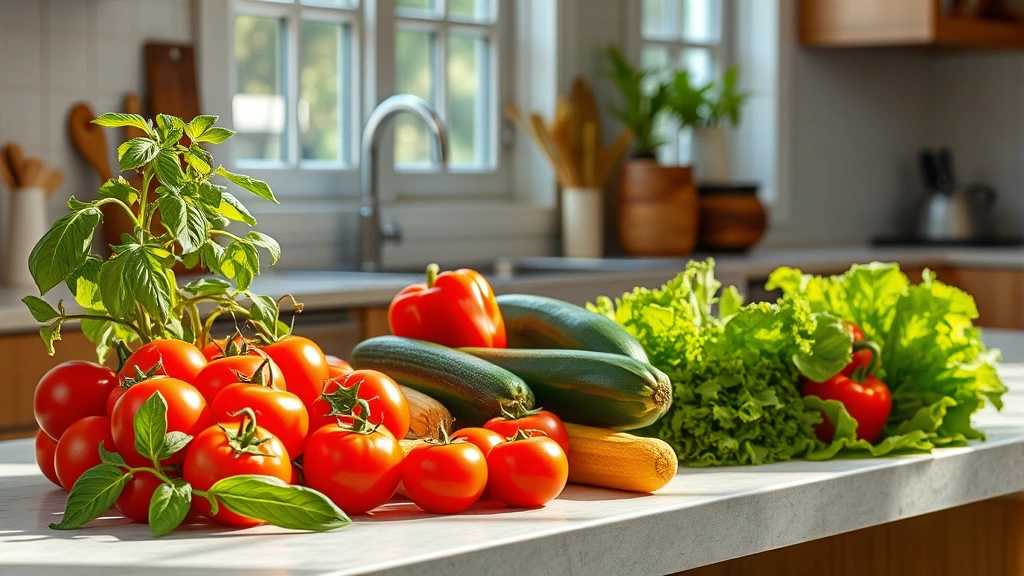
Tomatoes deserve special attention. Slice them for salads when perfectly ripe, or roast them with garlic and herbs for concentrated flavor. Garden-fresh tomatoes make superior sauces, salsas, and soups. A simple tomato sauce using your harvest and fresh basil surpasses any store-bought version.
Lettuce and leafy greens form the foundation of fresh salads. Mix tender young leaves with edible flowers from your garden, dress with simple vinaigrette, and enjoy salads that supermarket produce cannot match. Hearty greens like kale and Swiss chard provide nutrition for gluten-free recipes and everyday meals.
Zucchini’s versatility makes it invaluable. Grill slices, stuff them with herbs and cheese, spiralize for noodles, or bake into bread. Overabundant zucchini becomes excellent compost if it gets away from you, but most gardeners find creative ways to use this prolific producer.
Bell peppers add color and nutrition to countless dishes. Roast them for smoky depth, stuff them with grains and vegetables, or slice fresh into salads. Growing multiple colors—red, yellow, orange, and green—creates visually stunning meals.
Peas, beans, and legumes provide protein and satisfaction. Snap peas are delicious eaten raw from the garden or lightly cooked. Pole beans climb trellises beautifully while producing abundant harvests. Shell beans dry for winter storage, providing nutritious staples year-round.
Root vegetables like carrots, beets, and radishes store well and offer earthy flavors. Roast them with herbs for savory sides, or enjoy them fresh and crisp. Beet greens make excellent sautéed dishes, so you harvest two vegetables from one plant.
Cucumber gardens produce abundantly. Enjoy them fresh in salads and cold soups, or pickle them for shelf-stable condiments. Homemade pickles using garden cucumbers and herbs surpass commercial versions significantly.
Preserving your garden’s bounty extends enjoyment year-round. Learn how to make fruit preserves from berries, creating jams and jellies that capture summer’s essence. Dry herbs for winter seasoning, freeze vegetables for cooking, and can sauces for long-term storage.
FAQ
What’s the best time to start a garden?
Spring is ideal for most gardeners, after the last frost date for your region. Cool-season crops can start earlier, while fall gardening extends your season. Check your local frost dates through your USDA hardiness zone.
How much space do I need to grow a productive garden?
Even 100 square feet produces substantial harvests. Container gardening works in just a few square feet of space. Start small and expand as you gain confidence and experience.
Can I grow a garden without a yard?
Absolutely. Container gardening on balconies, patios, or porches works beautifully. Window gardens grow herbs, and rooftop gardens produce vegetables in urban settings.
What vegetables are easiest for beginners?
Tomatoes, zucchini, lettuce, peppers, and beans are forgiving crops with excellent success rates. Herbs like basil and parsley are nearly impossible to kill.
How often should I water my garden?
Most gardens need one to two inches weekly, but frequency depends on climate, soil type, and rainfall. Water deeply and less frequently to encourage deep roots. Check soil moisture before watering.
What’s the difference between heirloom and hybrid seeds?
Heirloom varieties are open-pollinated and produce seeds that grow true to type, allowing you to save seeds. Hybrids are crosses of two varieties, offering disease resistance and vigor but producing seeds that won’t replicate the parent plant.
How do I prevent pests without chemicals?
Healthy soil and plants resist pests better. Use row covers on young plants, inspect regularly for early signs, remove affected leaves, and plant companion plants that repel pests. Beneficial insects and organic solutions like neem oil handle persistent problems.
Can I grow a garden in shade?
Many vegetables tolerate partial shade (three to six hours of sunlight). Leafy greens, peas, and root vegetables produce well with less sun. Fruiting crops like tomatoes and peppers require full sun.
When should I fertilize my garden?
Feed plants every four to six weeks during the growing season. Start with compost at planting time, then side-dress with additional compost or apply balanced fertilizer according to package directions.
How do I know when vegetables are ready to harvest?
Most vegetables taste best when picked at peak ripeness. Tomatoes should be fully colored and slightly soft, beans snap easily when bent, lettuce is tender before bolting, and peppers can be harvested green or left to mature for other colors.


