Ultimate Leftover Steak Ideas: Home Cook Tested Recipes
There’s nothing quite like the disappointment of watching a perfectly cooked steak go to waste. Whether you’ve overestimated appetites at dinner or intentionally cooked extra for meal prep, leftover steak deserves better than reheating in the microwave. The key to transforming yesterday’s protein into today’s culinary triumph lies in understanding how to work with the meat’s existing texture and flavor profile rather than against it.
Home cooks often struggle with leftover steak because traditional reheating methods dry out the exterior while struggling to warm the interior evenly. However, when you embrace creative recipes specifically designed for pre-cooked beef, you unlock an entirely new world of quick weeknight dinners, impressive lunch bowls, and even party-worthy appetizers. These tested approaches respect the steak’s previous cooking while adding fresh dimensions through complementary flavors, textures, and preparation techniques.
Why Leftover Steak Deserves a Second Life
Leftover steak represents a unique opportunity in the kitchen because it arrives with built-in flavor and tenderness already developed through the initial cooking process. Unlike raw proteins that require careful technique to achieve desired doneness, pre-cooked steak allows you to focus entirely on flavor integration and textural contrast. The muscle fibers have already undergone the Maillard reaction, creating complex savory compounds that form the foundation of exceptional dishes.
The challenge most home cooks face involves moisture retention. Steak muscle fibers have already released some moisture during the initial cooking, making them more susceptible to drying during reheating. This is precisely why slicing thin and incorporating the meat into dishes with complementary sauces, oils, or broths works so effectively. You’re not trying to recreate the original steak experience—you’re leveraging what’s already been accomplished and building something new.
Temperature control becomes less critical when you’re working with pre-cooked meat. Whether your leftover steak was rare, medium, or well-done, you can confidently incorporate it into composed dishes without worrying about achieving proper doneness. This flexibility makes leftover steak one of the most forgiving proteins for creative cooking, especially for easy dinner recipes for beginners looking to build confidence in the kitchen.
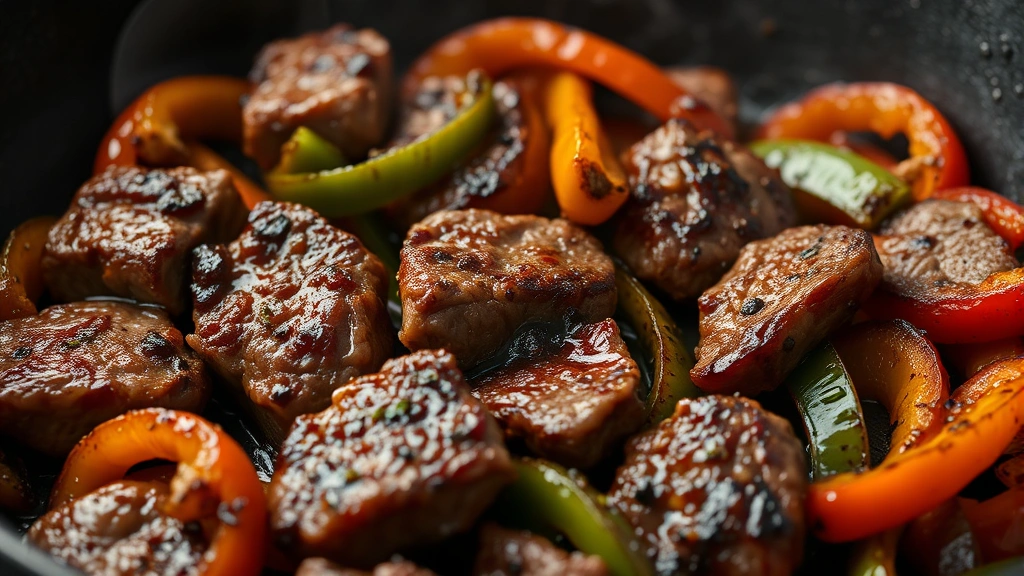
Steak Fajita Bowls with Charred Peppers
Fajita bowls represent one of the most satisfying applications for leftover steak because the warm spiced meat pairs beautifully with charred vegetables and fresh toppings. This approach transforms yesterday’s steak into a complete meal that tastes freshly prepared despite minimal active cooking time.
Preparation Method: Slice your leftover steak against the grain into thin strips, approximately ¼-inch thick. This cutting technique is crucial—slicing against the grain shortens muscle fibers, making each bite tender regardless of the steak’s original thickness. Heat a large cast-iron skillet or heavy-bottomed pan over medium-high heat until a drop of water sizzles on contact. Add a tablespoon of neutral oil, then immediately add sliced bell peppers (red, yellow, and orange work beautifully together) along with thinly sliced red onion.
Allow the vegetables to char without stirring for 2-3 minutes, then toss and repeat. You’re aiming for caramelized edges that develop deep flavor through the Maillard reaction. Once vegetables reach desired tenderness with charred spots, add your sliced steak along with ½ teaspoon cumin, ¼ teaspoon chili powder, and a pinch of smoked paprika. Warm everything through for just 1-2 minutes—the steak requires only enough heat to become warm, not to cook further.
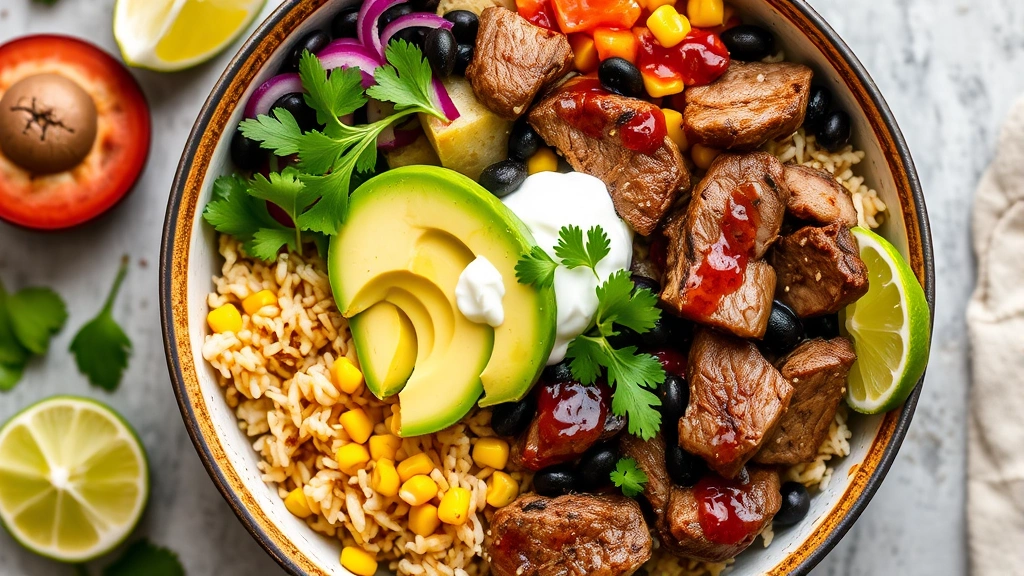
Serve over cilantro-lime rice, alongside black beans, corn, shredded cheese, diced avocado, sour cream, and fresh lime wedges. The composed bowl approach means each diner can customize their plate while you’ve handled the most labor-intensive components. This recipe demonstrates why understanding how to cook with cast iron elevates your leftover steak game—the pan’s heat retention creates superior char on vegetables while accommodating the steak perfectly.
Crispy Steak and Potato Hash
Hash represents a brilliant vehicle for leftover steak because it embraces the meat’s pre-cooked status while creating a dish defined by crispy, caramelized textures. This is breakfast, lunch, or dinner depending on your needs, and it’s remarkably forgiving regarding proportions and vegetable choices.
Core Components: Begin by dicing your leftover steak into small cubes—roughly ½-inch pieces work perfectly. Simultaneously, cut potatoes (Yukon gold or russet varieties) into similar-sized cubes and blanch them in salted boiling water for 4-5 minutes until they’re just beginning to soften but still maintain structure. This pre-cooking step ensures potatoes and steak finish cooking simultaneously.
Heat 2 tablespoons of butter or bacon fat in a large skillet over medium-high heat. Once foaming, add your blanched potatoes in a single layer. Resist the urge to stir—let them sit undisturbed for 3-4 minutes until the bottoms develop a golden crust. Then toss and repeat until potatoes are deeply browned and crispy on multiple sides. Add diced onion and bell pepper, cooking until softened and beginning to caramelize, approximately 4-5 minutes.
Finally, add your diced steak along with salt, pepper, and any dried herbs you prefer (thyme and rosemary are excellent choices). Warm everything through while maintaining high heat to preserve the crispy texture you’ve developed. Finish with fresh parsley and serve with a fried egg on top for additional richness. The contrast between crispy potatoes, tender steak, and the creamy egg yolk creates textural complexity that makes this simple dish memorable.
Asian-Inspired Steak Lettuce Wraps
Lettuce wraps offer a lighter approach to leftover steak that emphasizes fresh flavors and textural contrast. This no-cook assembly makes it perfect for hot summer evenings when firing up the stove feels unbearable.
Flavor Foundation: Create a sauce combining 3 tablespoons soy sauce, 1 tablespoon rice vinegar, 1 tablespoon sesame oil, 1 teaspoon grated ginger, 1 minced garlic clove, and a pinch of red pepper flakes. This sauce should taste bold and slightly salty—it’s meant to coat relatively neutral lettuce and steak. Whisk ingredients together and set aside.
Slice your leftover steak into thin strips and toss with the sauce, allowing flavors to meld for at least 10 minutes. Meanwhile, prepare your assembly station: large butter lettuce or romaine leaves (blanch briefly in ice water for extra crispness if desired), julienned carrots, thinly sliced cucumber, fresh mint leaves, cilantro, and sliced green onions.
To assemble, place a lettuce leaf on your work surface, add a small amount of the sauced steak, then layer your vegetables and herbs. The beauty of lettuce wraps lies in the textural variety—soft steak, crispy lettuce, crunchy vegetables, and fresh herbs create a complete sensory experience in each bite. This approach works equally well as an appetizer for entertaining or a casual weeknight meal.
Loaded Steak Nachos
Nachos might seem like an obvious application for leftover steak, but execution matters tremendously. The difference between mediocre and exceptional steak nachos lies in respecting each component’s cooking requirements and layering flavors strategically.
Building the Foundation: Spread tortilla chips across a large oven-safe platter or sheet pan, avoiding overcrowding. The key to good nachos involves leaving some empty space so cheese melts into crevices rather than just coating the surface. Distribute your sliced or diced leftover steak evenly across the chips, then sprinkle with shredded cheese—a combination of sharp cheddar and Monterey Jack works beautifully, offering both flavor and melting quality.
Place under a preheated broiler for 2-3 minutes until cheese melts and begins to brown slightly. Watch carefully to prevent burning. Remove from the broiler and immediately top with jalapeños (both pickled for tang and fresh for brightness), diced red onion, fresh cilantro, diced tomato, and a generous dollop of sour cream or Mexican crema.
Consider making a quick queso to drizzle over everything: melt 8 ounces of cheese (white cheddar or Oaxaca) with ¼ cup heavy cream, ½ teaspoon cumin, and a pinch of smoked paprika over low heat. The creamy sauce ensures every chip gets coated with flavor. Serve immediately with lime wedges for brightness.
Steak Salad with Chimichurri Dressing
A composed steak salad elevates leftover steak into restaurant-quality territory. The key involves balancing tender protein with crisp vegetables and a bold dressing that brings everything into harmony.
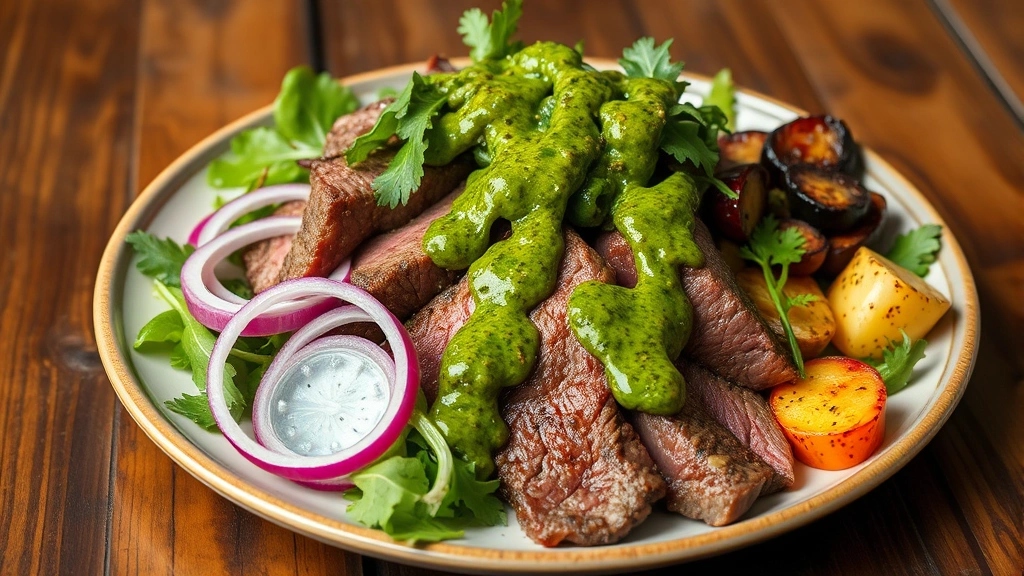
Chimichurri Preparation: While this Argentine sauce pairs traditionally with grilled steak, it’s equally exceptional on room-temperature sliced steak atop fresh greens. Combine 1 cup fresh parsley, ¼ cup fresh oregano, 4 minced garlic cloves, ½ cup extra-virgin olive oil, 3 tablespoons red wine vinegar, 1 teaspoon red pepper flakes, and salt and pepper to taste. Pulse in a food processor until you reach a chunky consistency—chimichurri should never become completely smooth. Taste and adjust vinegar and salt as needed.
Salad Assembly: Begin with a base of mixed greens or arugula, depending on your preference. Arugula’s peppery bite complements steak beautifully, while mixed greens offer more neutral support for the dressing. Arrange your sliced leftover steak on top, along with shaved radishes, thinly sliced red onion, charred or roasted vegetables (corn, bell peppers, or tomatoes work wonderfully), and crumbled cheese like cotija or feta.
Dress just before serving, using enough chimichurri to coat the greens and steak without creating a pool of liquid at the bottom of the bowl. The herbaceous, garlicky dressing transforms simple components into something that tastes like you spent hours preparing it. This approach demonstrates why understanding flavor layering matters—the steak isn’t the star here; it’s one voice in a symphony of complementary flavors.
Quick Steak Fried Rice
Fried rice represents perhaps the most efficient use of leftover steak because it accommodates small quantities while creating a complete meal. The high heat and quick cooking ensure every component reaches the table warm and flavorful.
Essential Technique: Success with fried rice depends on using cold, day-old rice. Fresh rice contains too much moisture and becomes mushy rather than achieving the desired separated, individual grain texture. If you don’t have leftover rice, cook it ahead and refrigerate before beginning this dish.
Heat a wok or large skillet over high heat until it’s nearly smoking. Add 2 tablespoons oil, then immediately add beaten eggs—allow them to set briefly before scrambling into small pieces, then transfer to a plate. Add more oil if needed, then add diced leftover steak along with minced garlic and ginger. Cook for 1-2 minutes until fragrant, then add your cold rice, breaking up any clumps and stirring constantly for 3-4 minutes.
Add soy sauce, a splash of sesame oil, and any vegetables you prefer—frozen peas and corn work wonderfully, as do diced bell peppers and sliced green onions added near the end. Return the scrambled egg to the pan, toss everything together, and finish with sesame seeds and fresh cilantro. The entire process takes under 15 minutes and produces a restaurant-quality dish that tastes nothing like “leftovers.”
Steak Sandwich Ideas
Sandwiches offer perhaps the most straightforward application for leftover steak, yet they deserve thoughtful consideration regarding bread selection, condiments, and supporting ingredients. A mediocre steak sandwich wastes good meat, while an exceptional one becomes craveable enough to intentionally cook extra steak for future sandwich-making.
Classic Philly-Style Approach: Warm your sliced leftover steak gently in a skillet with sautéed onions and bell peppers, adding a splash of beef broth to prevent drying. Toast a hoagie roll or sub roll, then layer the warm steak and vegetables inside, finishing with melted provolone or Cheez Whiz for authenticity. Some prefer additional toppings like pickled peppers or horseradish mayo.
French Dip Variation: Slice your steak thin and layer on a crusty baguette with caramelized onions and melted Swiss cheese. Serve alongside a small cup of warm beef broth for dipping. This approach works beautifully because the broth rehydrates the steak slightly while adding richness. The contrast between the crusty exterior of the bread and the tender interior creates textural interest.
Upscale Steakhouse Route: Use quality bread like ciabatta or a brioche bun. Layer thin steak with arugula, roasted red peppers, caramelized onions, and a generous spread of horseradish cream or herb aioli. This version transforms leftover steak into something you’d order at a fine-casual restaurant.
The sandwich format works because bread provides structure while allowing you to incorporate multiple flavor elements. Consider these sandwiches when you want something more substantial than a salad but less involved than a composed dinner plate.
Storage and Food Safety Tips
Maximizing your leftover steak’s potential begins with proper storage. Cooked steak keeps safely in the refrigerator for 3-4 days when stored correctly. Allow the meat to cool to room temperature before refrigerating—placing hot steak directly in the fridge increases the temperature of surrounding foods and creates an environment where harmful bacteria can thrive.
Storage Best Practices: Wrap cooled steak tightly in aluminum foil or store in an airtight container, ensuring minimal air exposure. This prevents oxidation, which causes discoloration and off-flavors. Label your container with the date to track freshness. Some home cooks prefer storing steak in a shallow container covered with a damp paper towel, which helps maintain moisture while preventing surface drying.
Freezing extends steak’s lifespan to 2-3 months. Wrap individual pieces tightly in plastic wrap, then place in a freezer bag, removing as much air as possible before sealing. When ready to use, thaw in the refrigerator overnight rather than at room temperature, which prevents bacterial growth.
Reheating Safely: When warming leftover steak, aim for a gentle approach that avoids overdrying. The gentlest method involves wrapping steak in foil and placing it in a 275°F oven for 10-15 minutes until warmed through. Alternatively, slice thinly and incorporate into dishes where the steak will be warmed through by surrounding components—sauces, broths, or other warm ingredients.
Never reuse leftover steak that’s been sitting at room temperature for more than 2 hours (1 hour if the room temperature exceeds 90°F). When in doubt about freshness—if the steak smells off or shows signs of discoloration—discard it. Food safety isn’t worth risking.
FAQ
Can I reheat leftover steak in the microwave?
While microwaves are convenient, they’re the least ideal method for reheating steak because they heat unevenly, often resulting in tough, rubbery texture. If you must use a microwave, cover the steak, use 50% power, and heat in 30-second intervals, checking frequently. Oven reheating or incorporating steak into composed dishes yields significantly better results.
How do I prevent leftover steak from drying out?
The primary prevention strategy involves slicing thin, which reduces the distance heat must travel. Additionally, incorporate steak into dishes with complementary sauces, broths, or oils. Avoid high-heat reheating methods that can evaporate remaining moisture. Gentle warming at lower temperatures preserves moisture better than aggressive high-heat approaches.
What’s the best way to slice leftover steak?
Always slice against the grain, which shortens muscle fibers and creates a more tender eating experience. If you’re unsure which direction the grain runs, look for visible lines in the meat. A sharp knife makes cleaner cuts—dull knives tear muscle fibers rather than slicing cleanly. For most applications, aim for slices ¼-inch thick or slightly thinner.
Can I freeze cooked steak?
Yes, cooked steak freezes well for 2-3 months when properly wrapped. Cool the steak completely, wrap tightly in plastic wrap to prevent freezer burn, then place in a freezer-safe container or bag. Thaw in the refrigerator overnight before using. Frozen steak works beautifully in all the recipes mentioned above.
What’s the difference between leftover steak recipes and fresh steak recipes?
Leftover steak recipes acknowledge that the meat has already undergone initial cooking, so they focus on flavor integration and textural contrast rather than achieving proper doneness. These recipes typically involve slicing thin, incorporating into composed dishes, or warming gently rather than cooking from raw. This approach prevents overcooking and drying while creating entirely different flavor profiles than you’d achieve with fresh steak.
Which leftover steak recipe is quickest?
Steak fried rice and lettuce wraps are among the fastest options, both coming together in under 20 minutes. If you have leftover rice prepared, fried rice requires only 15 minutes of active cooking. Lettuce wraps require no cooking at all—just slicing, sauce preparation, and assembly, making them ideal when you want something quick and light.
Can I use these recipes with other leftover proteins?
Absolutely. Most of these recipes adapt beautifully to leftover chicken, pork, or lamb. The fundamental principles—thin slicing, complementary sauces, and textural contrast—apply across protein types. You might adjust seasoning profiles based on the protein’s original preparation, but the structural approach remains consistent.
Transforming leftover steak into memorable meals represents an intersection of resourcefulness and culinary creativity. By understanding how to work with pre-cooked meat rather than against it, you unlock recipes that taste intentional and delicious rather than like attempts to hide yesterday’s dinner. These tested approaches have proven themselves in home kitchens across countless weeknights, weekend lunches, and entertaining occasions. The next time you find yourself with leftover steak, resist the urge to simply reheat and serve. Instead, embrace one of these recipes and experience how thoughtful preparation transforms already-good meat into something truly exceptional. Your palate—and your wallet—will thank you for the creativity.


