Limoncello Recipe: Italian Nonna’s Secrets for Perfect Homemade Liqueur
There’s something magical about limoncello—that vibrant golden-yellow Italian liqueur that captures the essence of sun-ripened lemons from the Amalfi Coast. This traditional digestivo has been a cornerstone of Italian hospitality for generations, served ice-cold as an after-dinner drink that cleanses the palate and aids digestion. What many don’t realize is that making authentic limoncello at home is remarkably simple, requiring just three basic ingredients and patience. The real secrets lie in selecting the right lemons, understanding the infusion process, and knowing the traditional techniques passed down through Italian families.
Learning to make limoncello like an Italian Nonna teaches you more than just a recipe—it teaches you about ingredient quality, timing, and the art of patience in the kitchen. Whether you’re planning a dinner party, looking to impress guests with homemade gifts, or simply want to capture the flavors of Italy in your home, this comprehensive guide will walk you through every step of the process, revealing the professional techniques that separate mediocre limoncello from extraordinary batches.
Understanding Limoncello: History and Tradition
Limoncello originated in Southern Italy, particularly in the Campania region around the Amalfi Coast and the island of Capri, where Sfusato lemons thrive in the Mediterranean climate. These lemons are prized for their thick skin, low acidity, and intense fragrance—characteristics that make them ideal for creating this sophisticated liqueur. The drink became popular in the 1950s and 1960s as a way for families to preserve their abundant lemon harvests while creating a luxurious digestivo to enjoy year-round.
The traditional method involves steeping lemon zest in pure alcohol, which extracts the essential oils and aromatic compounds that give limoncello its distinctive flavor. Unlike many modern commercial versions that use artificial flavoring or lower-quality spirits, authentic limoncello made the Nonna way relies entirely on the natural oils from premium lemons and high-quality alcohol. This makes homemade versions far superior to most store-bought alternatives, and understanding this distinction is crucial to appreciating why you should make your own.
Essential Ingredients for Authentic Limoncello
The beauty of limoncello lies in its simplicity—you need just three ingredients, but each one matters tremendously. Here’s what you’ll need:
- Lemons (8-10 organic Sicilian or Amalfi lemons): Choose lemons with thick, unblemished skin and a strong fragrance. Organic varieties are essential because you’ll be using the zest directly. The lemon oils in the peel are what create limoncello’s characteristic flavor, so quality is non-negotiable.
- Alcohol (750ml of 190-proof grain alcohol or high-quality vodka): Professional distillers use 190-proof grain alcohol for the most authentic results, though 80-proof vodka works acceptably for home versions. The alcohol percentage affects extraction speed and final strength.
- Water (mineral or filtered, 500ml): Pure water is essential for the final dilution step. Tap water with chlorine or minerals can negatively impact the delicate flavor profile.
- Sugar (700-800g): While optional in traditional preparations, most modern recipes include sugar to balance the intensity. Use fine granulated sugar for even dissolution.
The ingredient ratios matter significantly. A proper limoncello recipe maintains a balance where the lemon flavor shines without being overwhelmed by alcohol bite or excessive sweetness. Many healthy food recipes explore citrus applications, but limoncello represents the traditional Italian approach to preserving and celebrating these bright flavors.
Equipment and Preparation
Before you begin making your limoncello recipe, gather these essential tools:
- One large glass jar (2-liter capacity minimum) with an airtight lid
- Microplane zester or vegetable peeler for removing zest
- Fine mesh strainer or cheesecloth for filtering
- Glass bottles with tight-sealing caps for storage
- Funnel for transferring liquids
- Clean kitchen towels and paper towels
- Measuring cups and spoons
- Wooden spoon for stirring
Preparation is critical: wash all lemons thoroughly under running water, then dry them completely with clean towels. Any moisture on the lemon surface can introduce unwanted bacteria during the infusion process. Ensure all equipment—jars, bottles, and tools—is impeccably clean and completely dry before use. This attention to cleanliness is one of the secrets that separates Nonna’s successful batches from failed attempts.
Step-by-Step Limoncello Recipe
Yield: Approximately 1 liter of finished limoncello
Preparation Time: 30 minutes
Infusion Time: 14-30 days
Total Time: 4-6 weeks
Ingredients:
- 8-10 organic lemons (preferably Sicilian or Amalfi variety)
- 750ml high-proof alcohol (190-proof grain alcohol or quality vodka)
- 500ml filtered or mineral water
- 700g fine granulated sugar
Instructions:
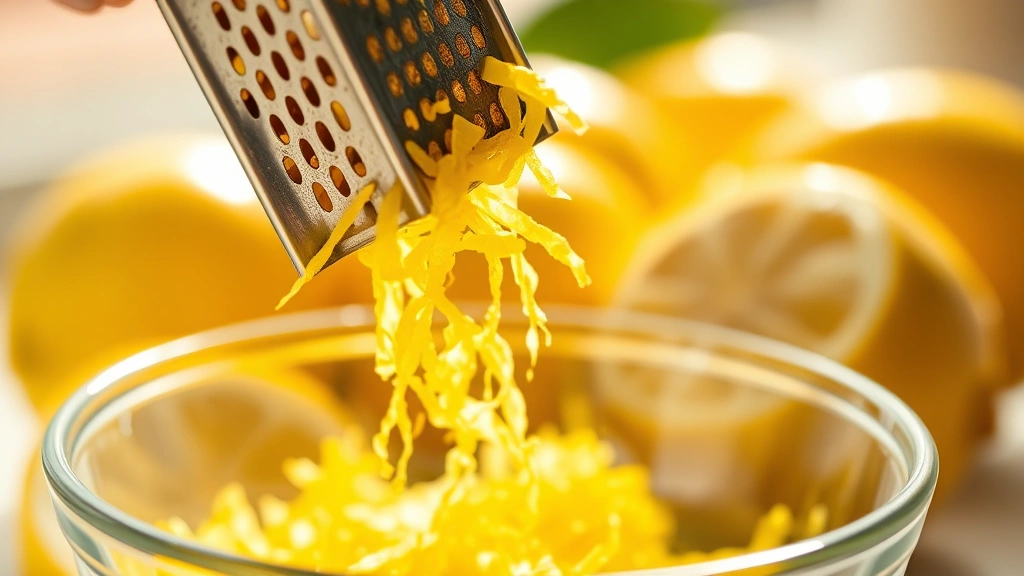
- Zest the lemons: Using a microplane zester, carefully remove only the yellow outer layer of the lemon skin, avoiding the white pith underneath. The pith contains bitter compounds that will ruin your limoncello recipe. Work methodically, rotating each lemon as you zest. This step typically takes 20-30 minutes for 8-10 lemons but is absolutely essential for quality results.
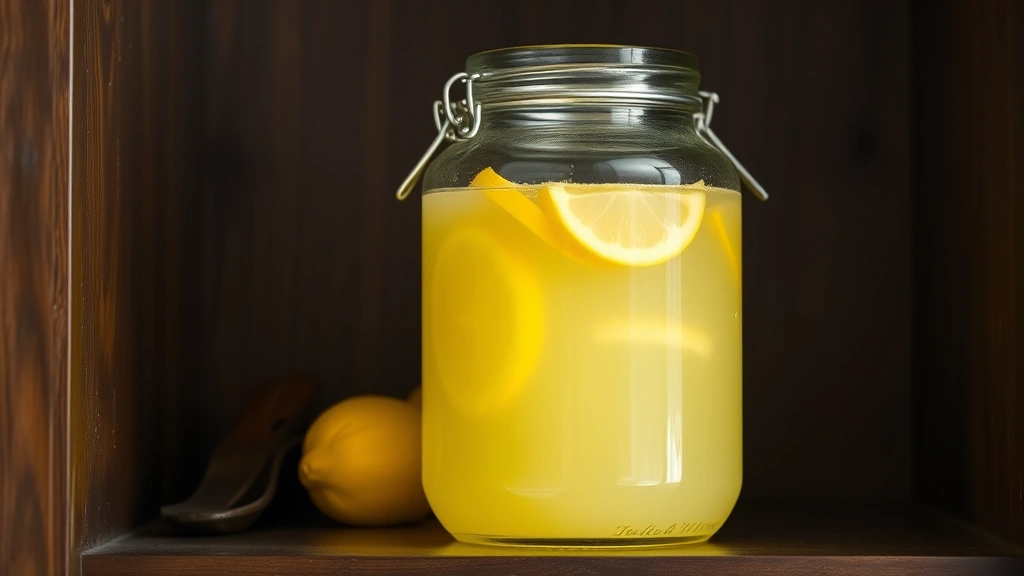
- Prepare the infusion jar: Place all the lemon zest into your clean, dry glass jar. Pour the entire 750ml of alcohol over the zest, ensuring all zest is submerged. The alcohol will immediately begin extracting the essential oils from the lemon peel.
- Seal and store: Cover the jar with an airtight lid and place it in a cool, dark location away from direct sunlight. A pantry, cabinet, or basement works perfectly. Temperature stability is more important than warmth—avoid areas near heaters or windows.
- Monitor the infusion: Over the next 2-4 weeks, the alcohol will gradually turn from clear to pale yellow, then to a rich golden-yellow color. This color change indicates successful extraction of the lemon oils. Some recipes suggest shaking the jar daily for the first week, though this is optional.
- Prepare the syrup: After the infusion period (14-30 days depending on your preferences and ambient temperature), prepare a simple syrup by combining 700g sugar with 500ml water in a saucepan. Heat gently, stirring until sugar completely dissolves, then allow it to cool completely to room temperature. Never add hot syrup to alcohol, as this can affect the final product’s clarity and flavor.
- Strain the infusion: Using a fine mesh strainer lined with cheesecloth, carefully strain the lemon zest from the alcohol. Press gently on the zest to extract maximum flavor, but avoid crushing the pith, which would introduce bitterness. Some traditions suggest straining through coffee filters for absolute clarity.
- Combine and bottle: Pour the strained lemon-infused alcohol into a clean container. Add the cooled simple syrup and stir gently but thoroughly to combine. Let this mixture rest for 24 hours before bottling, allowing flavors to meld.
- Final bottling: Pour the finished limoncello into clean glass bottles with tight-sealing caps. Store in the freezer until ready to serve.
The Infusion Process: Nonna’s Secrets
The infusion period is where magic happens, and this is where traditional techniques diverge from casual approaches. Italian Nonnas understand that successful extraction depends on several factors working in harmony.
Temperature and Light Exposure: Consistent, cool temperatures between 60-70°F (15-21°C) produce the best results. Warm temperatures accelerate extraction but can create harsh, alcoholic flavors. Direct sunlight degrades the delicate lemon oils and causes color fading. This is why traditional Italian kitchens use dark cupboards and cool cellars for their limoncello infusions.
Infusion Duration: The exact timing depends on several variables including lemon variety, alcohol proof, and ambient temperature. Lower-proof alcohol (like 80-proof vodka) requires longer infusion—typically 30 days—to fully extract lemon oils. Higher-proof grain alcohol (190-proof) accomplishes similar extraction in 14-20 days. The zest should turn pale and papery when extraction is complete, and the liquid should be a rich golden-yellow.
Zest Quality and Preparation: Only use the colored outer layer of the peel. The white pith contains limonin, a compound that develops bitter flavors over time. Microplane zesters are superior to vegetable peelers because they create finer zest with maximum surface area for alcohol contact. Some Nonnas prefer vegetable peelers followed by careful knife work to remove any remaining pith—this method takes longer but allows for better quality control.
Alcohol Selection: Professional limoncello makers prefer 190-proof grain alcohol because it extracts flavors efficiently and creates a final product with balanced alcohol content after dilution. If using vodka, choose premium brands with high alcohol content and neutral flavor profiles. Avoid flavored vodkas or lower-proof options, which compromise the final product’s quality.
Filtering and Bottling Techniques
Clear, bright limoncello is not just more visually appealing—it indicates proper technique and pure flavor. The filtering process requires patience and care to achieve professional results.
Multi-Stage Filtering: Rather than straining once, traditional methods employ multiple filtering stages. First, pour the infusion through a regular mesh strainer to remove large pieces of zest. Then, line a fine mesh strainer with cheesecloth and strain again, allowing the liquid to drip slowly—never squeeze or press the cheesecloth aggressively, as this forces small particles and bitter compounds through. Some producers even perform a third filtering through coffee filters for absolute clarity.
Settling Time: After combining the strained infusion with cooled simple syrup, allow the mixture to rest for 24-48 hours before bottling. During this time, any remaining fine particles will settle to the bottom. Pour carefully into bottles, leaving the sediment behind. This technique, used by Italian producers, ensures crystal-clear limoncello.
Bottling Best Practices: Use only glass bottles with tight-sealing caps—plastic can interact with the alcohol and affect flavor over time. Sterilize bottles by running them through a hot dishwasher cycle or boiling them for 10 minutes, then drying thoroughly. Fill bottles completely to minimize air exposure, which can cause oxidation. Label bottles with the date and contents for reference.
Aging and Storage Guidelines
Unlike wine or spirits that improve dramatically with age, limoncello reaches its peak flavor within 2-4 weeks of bottling and maintains quality for up to two years when properly stored. However, the aging period allows flavors to integrate and mellow slightly, creating a more refined final product.
Storage Conditions: Store finished limoncello in the freezer at 0°F (-18°C) or below. The high alcohol content prevents freezing, but cold temperatures preserve the delicate lemon flavors and create the ideal serving consistency. Avoid storing in regular refrigerators, where warmer temperatures accelerate flavor degradation. Never store at room temperature, as this dramatically shortens shelf life and degrades quality.
Light Protection: Keep bottles away from direct sunlight and fluorescent lighting, which can fade color and degrade flavor compounds. Dark glass bottles are preferable to clear ones. If using clear bottles, store them in a dark cabinet or pantry.
Shelf Life: Properly stored homemade limoncello remains excellent for 12-24 months. The high alcohol content acts as a preservative, but gradual oxidation and flavor evolution occur over time. Most Nonnas recommend consuming homemade limoncello within one year for optimal flavor, though it remains safe to drink longer if properly stored.
For those interested in understanding preservation techniques more broadly, exploring how to cook with cast iron provides insights into traditional kitchen methods that value longevity and quality. Similarly, understanding foods rich in antioxidants helps appreciate why fresh citrus carries such nutritional value.
Serving and Enjoying Your Limoncello
The serving ritual is an essential part of the limoncello experience, and traditional Italian customs enhance the enjoyment considerably.
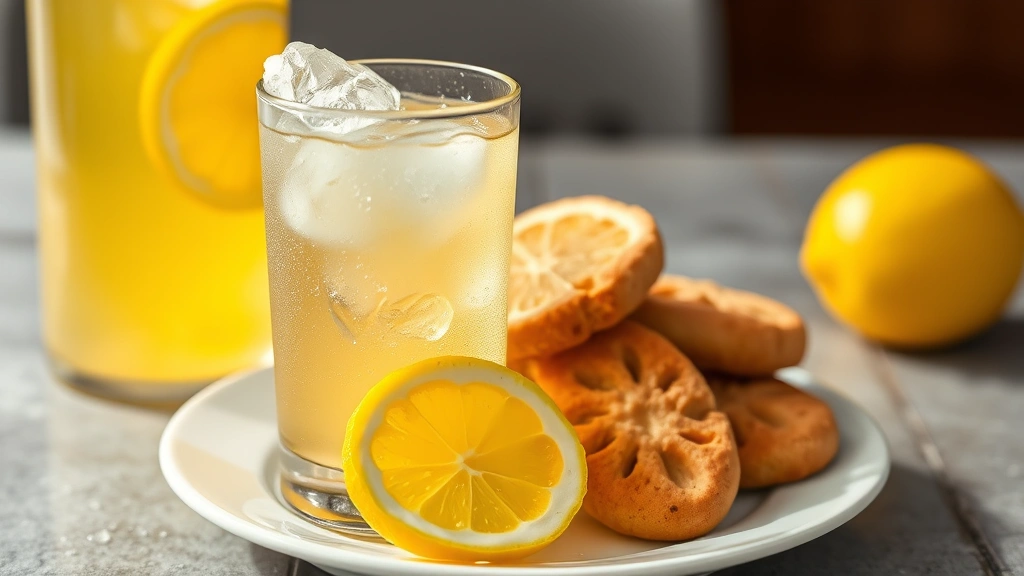
Temperature and Glassware: Serve limoncello directly from the freezer in small chilled glasses—shot glasses or small cordial glasses are traditional. The extreme cold thickens the liquid slightly and creates a pleasant, smooth texture on the palate. Never serve at room temperature, which allows harsh alcohol notes to dominate.
Traditional Serving Methods: In Italy, limoncello is served as a digestivo after meals, typically following dessert. Small 1-ounce servings are standard—this isn’t a casual sipping drink but rather a palate cleanser and digestive aid. Serve it alongside or after espresso for an authentic Italian conclusion to dinner.
Creative Applications: Beyond traditional serving, homemade limoncello enhances desserts and cocktails. Drizzle it over vanilla gelato, use it in cake glazes, or incorporate it into cocktails like the Limoncello Spritz. Some cooks even use small amounts in breakfast food recipes, adding depth to lemon pancakes or pastry glazes.
Pairing with Food: Limoncello pairs beautifully with light desserts, particularly those featuring citrus, vanilla, or almonds. Italian almond biscotti, panna cotta, and lemon cake are traditional pairings. The bright acidity and herbal notes also complement seafood-based meals.
Troubleshooting Common Issues
Cloudy or Hazy Appearance: This typically indicates incomplete filtering or particles suspended in the liquid. Solution: Strain through coffee filters or cheesecloth multiple times. Allow the mixture to settle for several days before final bottling.
Bitter or Harsh Flavors: Usually caused by including white pith during zesting or over-infusion. Solution: For future batches, zest more carefully and limit infusion to 20-25 days maximum. For current batches, unfortunately, the flavor cannot be corrected.
Weak Lemon Flavor: Results from insufficient infusion time, low-quality lemons, or lower-proof alcohol. Solution: Extended infusion (up to 30 days) and ensuring lemons are fragrant and high-quality. Higher-proof alcohol extracts more efficiently.
Crystallization in the Bottle: Sugar crystallization occurs in very cold freezers or when too much sugar is added. Solution: This is harmless but unattractive. Reduce sugar in future batches, or store at slightly warmer freezer temperatures (-4°F/-20°C rather than 0°F/-18°C).
Oxidation or Browning: Indicates light exposure or improper storage. Solution: Store in dark bottles away from light and heat. Transfer to smaller bottles as you use the limoncello to minimize air exposure in storage bottles.
If you’re interested in exploring more Italian culinary traditions, easy dinner recipes for beginners often incorporate Italian techniques and ingredients that share similar principles with limoncello-making: quality ingredients, proper technique, and respect for tradition.
FAQ
Can I use regular supermarket lemons instead of organic Sicilian lemons?
While regular lemons work, organic varieties are strongly recommended because you’ll be using the zest directly and want to avoid pesticide residues. Sicilian and Amalfi lemons are preferred for their thicker skin and more fragrant oils, but any organic lemon with a strong aroma will produce acceptable results. Avoid thin-skinned Meyer lemons.
What’s the difference between using 190-proof grain alcohol versus vodka?
190-proof grain alcohol extracts lemon oils more efficiently and creates a final product closer to traditional Italian limoncello. Vodka works but requires longer infusion times (30 days versus 14-20 days) and produces a slightly less intense flavor. The final alcohol content differs slightly, affecting the drinking experience. Choose based on availability and personal preference.
How long can I store homemade limoncello?
Properly stored limoncello remains excellent for 12-24 months in the freezer. The high alcohol content acts as a preservative, but gradual oxidation occurs over time. Most people consume homemade versions within one year for optimal flavor. Discard if you notice significant color changes, cloudiness, or off-flavors.
Can I reduce the sugar content for a less sweet version?
Absolutely. Sugar balances the intense lemon flavor and alcohol bite, but ratios are flexible. Try reducing sugar to 500-600g for a drier version, or omit it entirely for traditional unsweetened limoncello. Adjust based on personal preference, keeping in mind that less sugar means more prominent alcohol flavors.
Is homemade limoncello safe to drink?
Yes, when made with clean equipment and high-proof alcohol. The high alcohol content (typically 30-40% ABV) prevents bacterial growth. The main concern is using contaminated equipment or non-food-grade alcohol. Always use clean, sterilized bottles and food-grade alcohol from reputable sources.
Can I make limoncello with lemon juice instead of zest?
No. Lemon juice lacks the essential oils found in the peel and produces an inferior product with weak flavor and potential bitterness from juice acidity. The peel’s aromatic compounds are what make limoncello special—this is why zest is non-negotiable.
What should I do if my limoncello crystallizes in the freezer?
Sugar crystallization is harmless but cosmetically unappealing. Reduce sugar in future batches (try 600-700g instead of 800g), or store at slightly warmer freezer temperatures. Crystallized limoncello remains perfectly drinkable—simply enjoy it as-is or allow it to warm slightly before serving.


