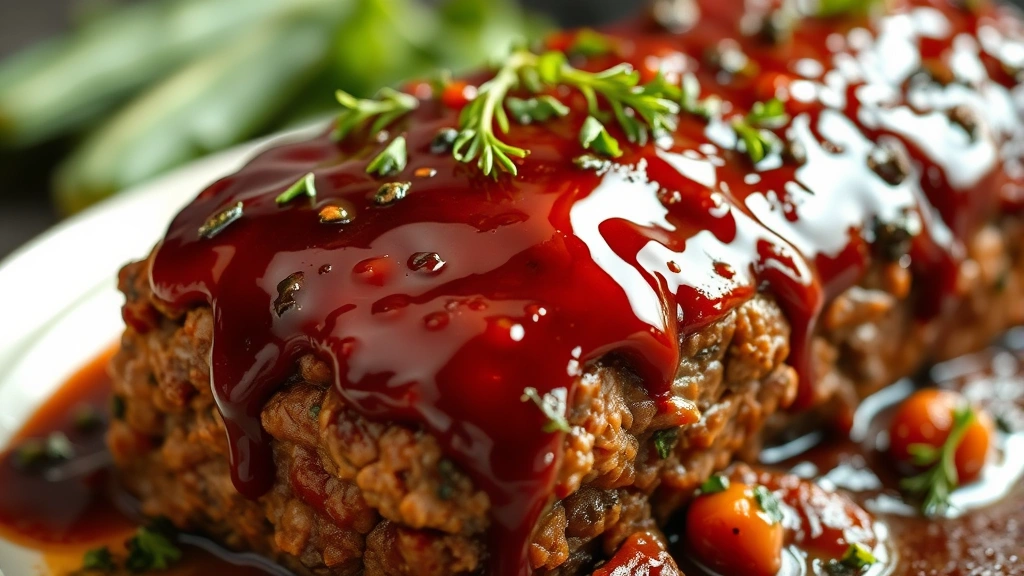
Best Meatloaf Glaze Recipe: Grandma’s Favorite
There’s something magical about a perfectly glazed meatloaf fresh from the oven—the caramelized exterior glistening under kitchen lights, the aroma filling your home with comfort and nostalgia. My grandmother’s meatloaf glaze recipe has been passed down through our family for generations, and it’s the secret behind the most tender, flavorful meatloaf that keeps everyone coming back for seconds. This isn’t just any glaze; it’s a carefully balanced combination of sweet, tangy, and savory flavors that transforms simple ground beef into a showstopping dinner centerpiece.
Whether you’re a seasoned home cook or just beginning your culinary journey, mastering the art of meatloaf glazing will elevate your weeknight dinners and impress your family. The beauty of a great glaze lies in its simplicity—just a handful of pantry staples combined in the right proportions creates something extraordinary. In this comprehensive guide, I’ll walk you through everything you need to know about creating the perfect meatloaf glaze, from ingredient selection to application techniques, plus variations and troubleshooting tips.
Understanding Meatloaf Glaze Fundamentals
Before diving into my grandmother’s legendary recipe, it’s essential to understand what makes a meatloaf glaze work. A proper glaze serves multiple purposes: it adds moisture to prevent the meat from drying out during cooking, it creates a flavorful crust through caramelization, and it provides visual appeal with its glossy, appetizing appearance. The magic happens when the glaze’s sugars caramelize in the oven’s heat, creating complex flavors that permeate the entire meatloaf.
The foundation of any great glaze rests on three key flavor components: sweetness, acidity, and depth. Sweetness typically comes from brown sugar, ketchup, or honey, which caramelize beautifully during cooking. Acidity—usually from vinegar or Worcestershire sauce—balances the sweetness and adds brightness to the final dish. Depth comes from savory elements like mustard, garlic, or spices that round out the flavor profile and prevent the glaze from tasting one-dimensional.
Understanding the science behind glazing helps you make informed adjustments. When you brush a glaze onto meatloaf during the final stages of cooking, the moisture in the glaze creates steam that keeps the exterior tender while the sugars brown and caramelize. This process, called the Maillard reaction, develops hundreds of new flavor compounds that make your meatloaf taste restaurant-quality. The key is timing—applying the glaze too early can cause it to burn, while applying it too late won’t allow proper caramelization.
Grandma’s Classic Meatloaf Glaze Recipe
Ingredients:
- 1 cup ketchup
- ½ cup brown sugar, packed
- ¼ cup apple cider vinegar
- 2 tablespoons Worcestershire sauce
- 1 tablespoon yellow mustard
- 2 cloves garlic, minced
- 1 teaspoon smoked paprika
- ½ teaspoon black pepper
- ¼ teaspoon cayenne pepper (optional, for heat)
- Salt to taste
Why These Ingredients Matter:
Ketchup serves as the glaze’s backbone, providing tomato flavor, natural sweetness, and acidity. Brown sugar adds depth and helps create that coveted caramelized crust—it caramelizes at a lower temperature than white sugar, making it ideal for glazing. Apple cider vinegar brings brightness and tang while its acidity helps break down the meat proteins, making them more tender. Worcestershire sauce adds umami and complexity, making people say “this tastes amazing” without knowing exactly why.
Mustard contributes subtle tanginess and acts as an emulsifier, helping the glaze stick to the meatloaf evenly. Garlic and smoked paprika add savory depth, while black pepper and optional cayenne provide subtle heat. This combination creates a glaze that’s neither too sweet nor too acidic—it’s perfectly balanced.
Basic Preparation:
- Combine ketchup and brown sugar in a small saucepan over medium heat
- Stir in apple cider vinegar, Worcestershire sauce, and mustard
- Add minced garlic, smoked paprika, black pepper, and cayenne (if using)
- Whisk until smooth, about 2-3 minutes
- Simmer for 5 minutes, stirring occasionally, until slightly thickened
- Remove from heat and let cool for 10 minutes before applying
The beauty of this recipe is its flexibility. You can make it ahead and store it in the refrigerator for up to two weeks, or prepare it fresh right before cooking. The flavors actually deepen if you let it sit for a few hours, allowing the garlic and spices to infuse fully into the ketchup and sugar base.
Step-by-Step Application Guide
Applying the glaze correctly is just as important as making it perfectly. Here’s the professional technique my grandmother taught me:
Preparation Phase:
- Preheat your oven to 350°F (175°C)
- Prepare your meatloaf in a 9×5 loaf pan or on a baking sheet lined with foil
- Allow the meatloaf mixture to rest for 10 minutes before placing in the oven
- Bake uncovered for 40 minutes
First Glaze Application:
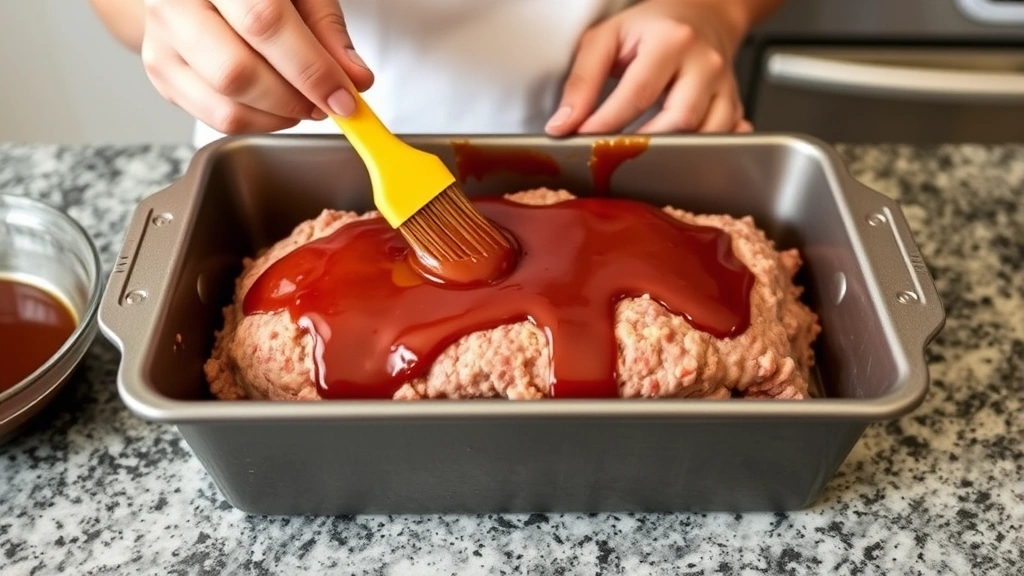
After 40 minutes of cooking, remove the meatloaf from the oven. Using a pastry brush or spoon, spread half of your prepared glaze evenly over the top and sides of the meatloaf. Return to the oven and bake for 10 more minutes. This first application allows the glaze to begin caramelizing while the meatloaf continues cooking internally.
Second Glaze Application:
Remove the meatloaf again and apply the remaining glaze in an even layer. Return to the oven for the final 10 minutes. This double-application technique creates layers of flavor and a more substantial caramelized crust. The total cooking time is approximately 60 minutes for a standard 2-pound meatloaf.
Final Steps:
- Check internal temperature: it should reach 160°F (71°C) when measured with a meat thermometer in the thickest part
- Remove from oven and let rest for 10 minutes before slicing
- This resting period allows juices to redistribute, keeping the meatloaf moist
- The glaze will continue to set as it cools, creating a beautiful glazed finish
One pro tip: if your glaze seems too thick, thin it with a tablespoon of water at a time. If it’s too thin, simmer it a bit longer to reduce and concentrate the flavors. The ideal consistency should coat the back of a spoon but still be pourable.
Creative Glaze Variations
While grandmother’s classic recipe is timeless, there’s room for creative experimentation. Here are some delicious variations that maintain the glaze’s fundamental balance:
Honey-Bourbon Glaze: Replace half the brown sugar with honey and add 2 tablespoons of bourbon whiskey. This creates a sophisticated, slightly smoky glaze perfect for dinner parties. The bourbon’s caramel notes complement the honey beautifully.
Spicy Sriracha Version: Reduce the ketchup to ¾ cup and add ¼ cup sriracha sauce. Add an extra teaspoon of brown sugar to balance the heat. This version works wonderfully if you enjoy heat and Asian-inspired flavors.
Maple-Dijon Glaze: Substitute ¼ cup of ketchup with pure maple syrup and increase the mustard to 2 tablespoons, using Dijon instead of yellow mustard. Add a pinch of thyme for herbaceous notes. This variation is particularly popular in autumn and winter months.
Asian-Inspired Glaze: Combine ½ cup ketchup, ¼ cup soy sauce, 3 tablespoons honey, 2 tablespoons rice vinegar, 1 tablespoon sesame oil, and minced fresh ginger. This creates an umami-rich glaze with Asian fusion appeal.
Barbecue-Style Glaze: Use ½ cup barbecue sauce instead of plain ketchup, reduce brown sugar to ¼ cup, and add 1 tablespoon of liquid smoke. Perfect for summer cookouts and those who love traditional BBQ flavors.
When experimenting with variations, remember to maintain the balance between sweet, acidic, and savory components. Too much of one element will throw off the glaze’s harmony, resulting in an unbalanced final product.
Ingredient Selection and Quality Tips
The quality of your ingredients directly impacts your final dish. Here’s what to look for when shopping:
Ketchup Selection: Use quality ketchup without high fructose corn syrup if possible. Organic ketchups often have a cleaner, more tomato-forward flavor. Some cooks prefer making their own ketchup-based glaze from scratch using tomato paste for even more control over sweetness and acidity levels.
Brown Sugar: Always use packed brown sugar for measuring consistency. Brown sugar contains molasses, which adds depth and moisture. If your brown sugar has hardened, soften it by placing it in a sealed bag with a slice of bread for a few hours.
Vinegar Choices: Apple cider vinegar is ideal because its milder acidity and subtle apple notes complement the meat without overpowering other flavors. White vinegar works but tastes harsher. Balsamic vinegar creates a richer, more complex glaze if you prefer deeper flavors.
Worcestershire Sauce: Look for a quality brand with natural ingredients. The umami compounds in Worcestershire—primarily from anchovies and fermented ingredients—are crucial for depth. Vegetarian versions exist if needed, though they may taste slightly different.
Mustard Quality: Yellow mustard is traditional, but don’t hesitate to experiment with whole-grain or spicy brown mustard for different flavor profiles. Avoid mustard powder for this application; liquid mustard provides better distribution and flavor integration.
Fresh Garlic: Always use fresh, minced garlic rather than garlic powder. Fresh garlic provides brightness and complexity that powder cannot match. Mince it finely so it distributes evenly throughout the glaze.
Cooking Techniques for Perfect Results
Beyond basic glazing, several techniques elevate your meatloaf game significantly. If you’re interested in expanding your cooking repertoire, exploring healthy crockpot recipes can introduce you to different cooking methods and flavor profiles that complement meatloaf preparation.
The Loaf Pan Method: Using a traditional loaf pan helps contain juices and create a uniform shape. However, the sides and bottom won’t develop the same caramelization as exposed surfaces. For maximum crust development, consider using a wire rack placed in a baking sheet.
The Wire Rack Method: Placing meatloaf on a wire rack suspended over a baking sheet allows air circulation on all sides, creating a more substantial crust and allowing fat to drain away. This method produces a lighter, less greasy final product.
Temperature Control: Use a meat thermometer inserted horizontally into the center of the meatloaf, avoiding the glaze. The internal temperature must reach 160°F (71°C) for food safety. Some cooks prefer pulling meatloaf at 155°F and allowing carryover cooking to reach 160°F, which can result in slightly moister meat.
Glazing Technique Refinement: For the most even glaze coverage, use a silicone pastry brush rather than a traditional bristle brush. Silicone brushes hold more glaze and distribute it more evenly. Apply glaze in thin, even layers rather than one thick coat.
Preventing Burning: If your glaze begins burning before the meatloaf reaches proper internal temperature, tent it loosely with foil. The foil reflects heat and prevents excessive browning while cooking continues. Remove foil for the final 5 minutes to achieve final caramelization.
Many home cooks find success with quick breakfast recipes that use similar glazing principles—the techniques transfer well across different proteins and meals.
Serving and Pairing Suggestions
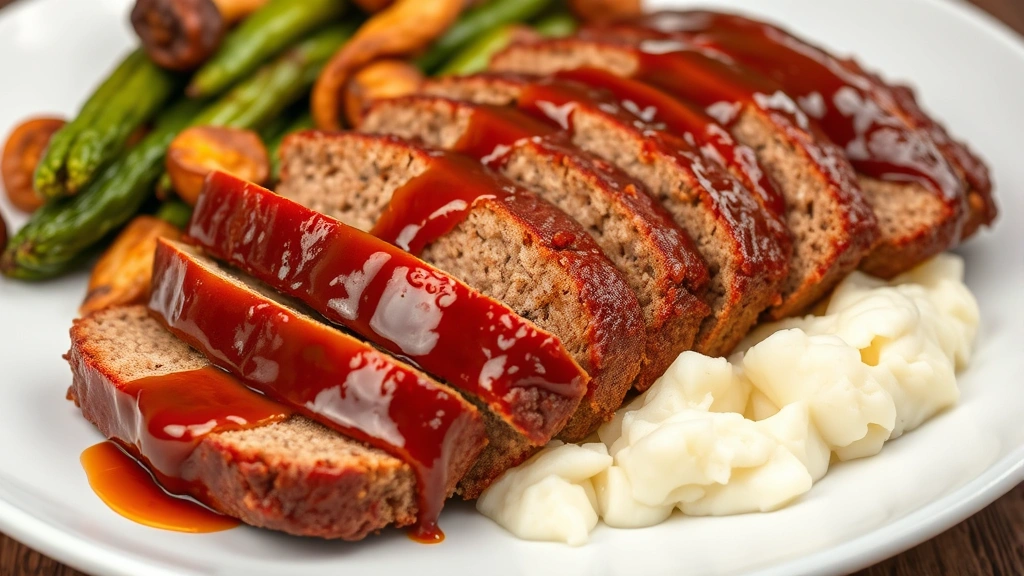
A perfectly glazed meatloaf deserves equally thoughtful side dishes and presentation. Slice the meatloaf with a sharp, thin-bladed knife dipped in hot water between cuts for clean edges. The glaze should shine on each slice, creating an appetizing presentation.
Classic Sides: Mashed potatoes are the traditional pairing, allowing you to enjoy the delicious meat juices. Glazed carrots, roasted Brussels sprouts, or buttered green beans complement the sweet-savory glaze beautifully. A simple garden salad provides fresh contrast to the rich, glazed meatloaf.
Bread Accompaniments: Crusty bread is essential for soaking up the glaze and any pan drippings. If you enjoy baking, how to make homemade bread offers excellent techniques for creating fresh rolls to serve alongside your meatloaf dinner.
Sauce Reduction: Don’t discard the pan drippings! Deglaze the pan with beef broth or wine, scraping up the browned bits. Simmer this mixture for a few minutes and strain it to create a rich pan sauce that amplifies the glaze flavors.
Leftover Applications: Glazed meatloaf makes excellent sandwiches the next day. Slice leftovers, layer between bread with lettuce and tomato, and enjoy. The glaze acts as a natural binder, preventing a dry sandwich.
Beverage Pairings: The sweet-savory glaze pairs well with medium-bodied red wines like Pinot Noir or Merlot. For non-alcoholic options, iced tea or lemonade provide refreshing contrast to the rich meatloaf.
If you’re expanding your dinner repertoire, healthy chicken recipes offer alternative protein options that benefit from similar glazing techniques and serving approaches.
Frequently Asked Questions
Can I prepare the meatloaf glaze ahead of time?
Absolutely! Prepare the glaze up to three days in advance and store it in an airtight container in the refrigerator. The flavors actually improve as the ingredients meld together. Simply reheat gently before applying to your meatloaf.
What if my glaze is too thin or too thick?
If too thick, add water one tablespoon at a time until you reach the desired consistency. If too thin, simmer uncovered for an additional 5-10 minutes to reduce and concentrate the mixture. The ideal consistency should coat the back of a spoon while still being pourable.
Can I freeze meatloaf with glaze already applied?
Yes, but it’s better to freeze the unglazed meatloaf and apply glaze during cooking. If you must freeze with glaze, wrap it well in plastic wrap and foil to prevent freezer burn. Thaw completely before cooking, which may add 10-15 minutes to your total cooking time.
Why is my glaze burning while the meatloaf is still cooking?
Your oven temperature may be too high, or you’re applying the glaze too early. Apply glaze only during the final 20-25 minutes of cooking. If burning occurs, tent with foil and reduce oven temperature by 25°F.
Can I use this glaze on other meats?
Definitely! This glaze works wonderfully on pork chops, ham, chicken breasts, and ribs. Adjust cooking times according to the protein—chicken and pork cook faster than beef meatloaf.
Is there a vegetarian version of this meatloaf glaze?
Yes! Use the same glaze recipe with vegetarian meatloaf made from lentils, mushrooms, or plant-based ground meat. The glaze works equally well and provides the same sweet-savory flavor profile.
How do I store leftover meatloaf with glaze?
Store in an airtight container in the refrigerator for up to four days. The glaze helps preserve the meatloaf and keeps it moist. Reheat gently in a 325°F oven for about 15 minutes until warmed through.
Can I double this glaze recipe?
Yes, doubling works perfectly if you’re making multiple meatloaves or prefer extra glaze for serving. The cooking time for the glaze may increase slightly, but the proportions remain the same. Extra glaze can be frozen for future use.
What’s the difference between this glaze and traditional meatloaf sauce?
A glaze is thicker and designed to caramelize on the meat’s surface, creating a crust. A sauce is thinner and served alongside or poured over the finished dish. This recipe creates a true glaze that browns and sets on the meatloaf during cooking.
Mastering this meatloaf glaze recipe transforms an ordinary weeknight dinner into something truly special. My grandmother’s formula has stood the test of time because it understands the fundamental balance of flavors that make people return to the table again and again. Whether you follow the classic version or experiment with creative variations, you now have the knowledge and techniques to create restaurant-quality meatloaf at home. Start with the traditional recipe to appreciate its perfection, then feel confident adapting it to your personal taste preferences and dietary needs.


