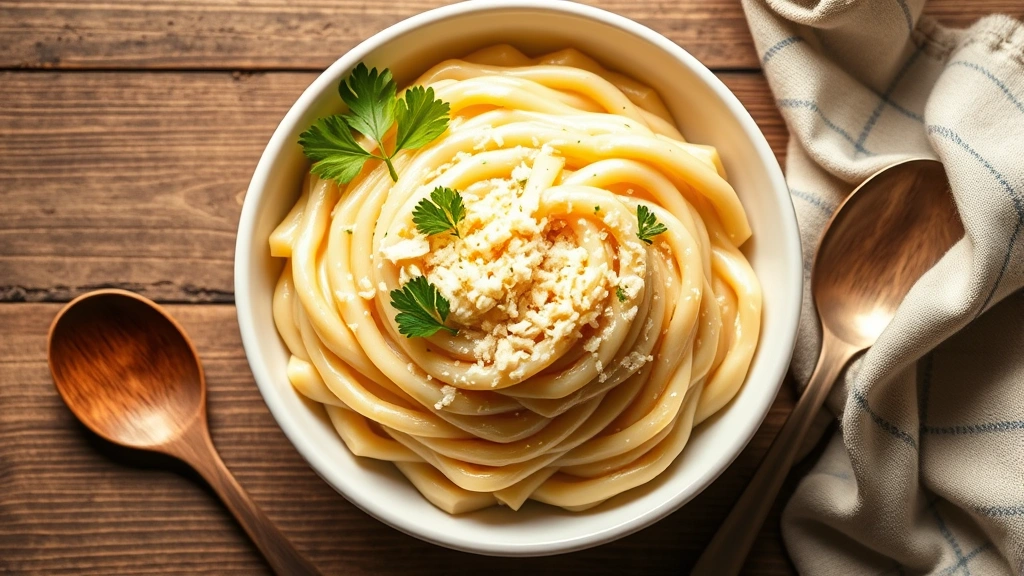
Easy Pastina Recipe: Italian Grandma Approved!
Pastina is one of those magical Italian dishes that brings comfort, simplicity, and authentic flavor to your dinner table in minutes. This tiny, rice-shaped pasta has been feeding Italian families for generations, and once you master the basics, you’ll understand why grandmothers across Italy swear by it. Whether you’re looking for a quick weeknight meal or a nostalgic dish that tastes like home, pastina delivers every single time.
What makes pastina so special isn’t just its delicate texture or mild flavor—it’s the versatility. You can prepare it as a simple broth-based dish, toss it with butter and cheese, or transform it into something more elaborate with vegetables and proteins. The beauty of pastina recipes lies in their adaptability to whatever ingredients you have on hand, making it perfect for busy families and home cooks seeking easy dinner recipes for beginners.
In this comprehensive guide, we’ll explore traditional pastina recipes, cooking techniques passed down through Italian families, and creative variations that honor the dish’s heritage while keeping preparation straightforward and achievable.
What Is Pastina and Why Italians Love It
Pastina translates to “little pasta” in Italian, and that’s exactly what you get—tiny, grain-like pieces of pasta that cook quickly and absorb flavors beautifully. Traditionally made from durum wheat semolina, pastina resembles risotto rice in size and appearance, though it’s unmistakably pasta in character and cooking behavior.
Italian grandmothers cherish pastina for several reasons. First, it cooks in just 5-8 minutes, making it ideal for weeknight dinners when time is precious. Second, its small size means it requires minimal effort to eat, making it perfect for children and elderly family members. Third, and perhaps most importantly, pastina has a subtle, delicate flavor that serves as a perfect canvas for the simple, quality ingredients that define Italian cooking philosophy.
The dish appears throughout Italian cuisine with regional variations. In some regions, you’ll find pastina served in rich broths; in others, it’s simply tossed with butter and Parmigiano-Reggiano cheese. Each preparation celebrates the ingredient quality rather than complexity, which is exactly why this humble pasta has endured for centuries.
Essential Ingredients for Perfect Pastina
The magic of pastina recipes lies in ingredient quality and simplicity. Here’s what you need to know about each component:
- Pastina pasta: Look for imported Italian brands like De Cecco or Rustichella d’Abruzzo. The quality difference is noticeable in both texture and flavor. Avoid generic grocery store brands when possible.
- Broth: Chicken, vegetable, or beef broth forms the cooking liquid. Homemade broth is ideal, but high-quality store-bought versions work well too. Avoid broth with excessive sodium that can overpower the delicate pasta.
- Butter: Use real, unsalted butter for authentic flavor. This isn’t a place to substitute; butter’s richness is essential to the dish.
- Parmigiano-Reggiano cheese: Freshly grated is non-negotiable. Pre-grated cheese contains anti-caking agents that affect texture and mouthfeel.
- Salt and pepper: Quality sea salt and freshly ground black pepper enhance the subtle flavors without overwhelming them.
- Optional additions: Fresh parsley, garlic, vegetables, or proteins can elevate your pastina based on what you’re creating.
For best healthy food recipes using pastina, consider sourcing organic options when possible. The organic vs non-organic food discussion applies here—organic pastina may offer superior flavor profiles and ingredient integrity.
Classic Pastina Recipe Step-by-Step
This traditional preparation serves 4 people and takes approximately 20 minutes from start to finish.
Ingredients:
- 2 cups whole milk or combination of milk and broth
- 2 cups chicken or vegetable broth
- 1 cup pastina pasta
- 4 tablespoons unsalted butter, divided
- ½ cup freshly grated Parmigiano-Reggiano cheese
- Salt and freshly ground black pepper to taste
- Fresh parsley for garnish (optional)
Instructions:
- Combine liquids: In a large saucepan, bring broth and milk to a gentle boil over medium-high heat. Avoid using high heat, which can scorch the milk and create unpleasant flavors.
- Add pastina: Once the liquid reaches a rolling boil, carefully add pastina pasta. Stir immediately to prevent sticking. The mixture will bubble vigorously—this is normal and expected.
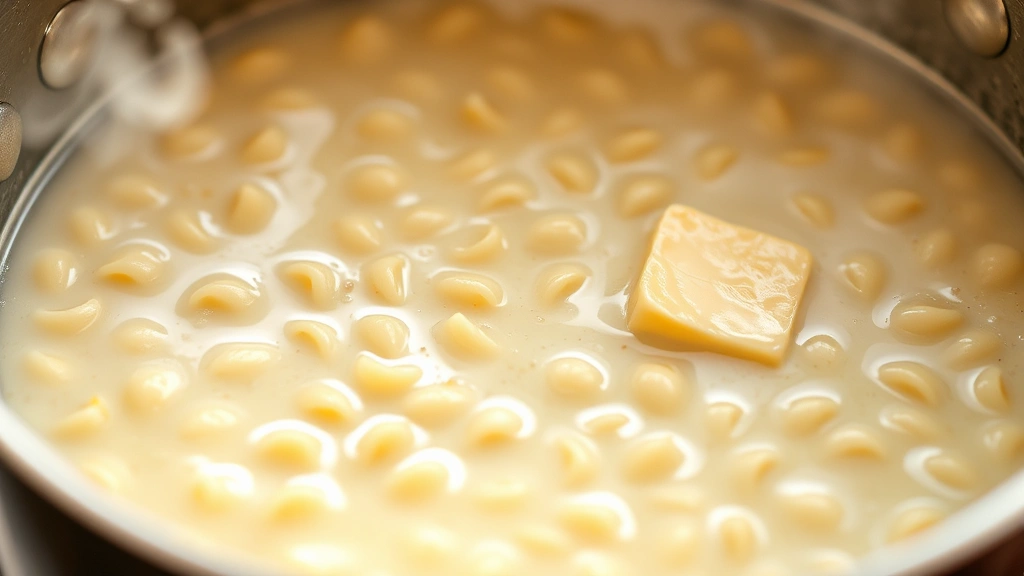
- Cook uncovered: Maintain a gentle boil and cook for 5-8 minutes, stirring occasionally. The pasta should become tender while the mixture develops a creamy consistency. Starch from the pasta naturally thickens the liquid.
- Check doneness: Taste a piece of pasta. It should be tender throughout with no chalky center. If needed, cook another minute and check again.
- Add butter: Remove from heat and stir in 3 tablespoons of butter, allowing it to melt completely into the creamy mixture. The butter enriches the dish and adds luxurious mouthfeel.
- Add cheese: Stir in Parmigiano-Reggiano cheese thoroughly. The residual heat will help it incorporate smoothly without creating clumps.
- Season and finish: Taste and adjust salt and pepper. Remember that the cheese is salty, so be conservative with additional salt. Finish with remaining butter for extra richness.
- Serve immediately: Pastina is best served hot in warm bowls. The creamy consistency sets as it cools, so prompt serving is important.
This straightforward method has fed Italian families for generations and remains the gold standard for pastina preparation.
Cooking Techniques and Pro Tips
Mastering pastina requires understanding a few key cooking principles that separate good dishes from exceptional ones:
Temperature control: The most common mistake home cooks make is cooking pastina at too high a temperature. Maintain a gentle boil, not a rolling boil. High heat causes the milk to scorch on the bottom of the pan and creates an unpleasant burnt flavor that’s impossible to remove. A gentle boil ensures even cooking and prevents this disaster.
Liquid consistency: Pastina should finish with a creamy, porridge-like consistency rather than soupy or dry. The starch released from the pasta during cooking naturally thickens the liquid. If your pastina seems too thin, you can cook it slightly longer to allow more starch to release. If it’s too thick, you can add small amounts of warm broth to adjust.
Timing matters: Pastina cooks quickly—usually 5-8 minutes depending on the brand and your altitude. Set a timer and taste-test frequently. Overcooked pastina becomes mushy and loses its delicate texture. Undercooked pastina remains slightly grainy and unpleasant.
Cheese incorporation: Add cheese off the heat to prevent it from becoming stringy or clumping. The residual heat of the pasta will melt it perfectly. Stir thoroughly to distribute evenly throughout the dish.
Broth quality: Use quality broth as the base of your pastina. Homemade broth, made from chicken bones or vegetable scraps, elevates the entire dish. If using store-bought, choose low-sodium versions so you can control the salt level.
Understanding how to make homemade pasta principles helps you appreciate why pastina cooks the way it does and why certain techniques matter more than others.
Creative Pastina Recipe Variations
Pastina with Vegetables: Transform basic pastina into a more substantial meal by adding finely diced vegetables. Sauté diced carrots, celery, and zucchini in butter before adding broth, or stir in frozen peas during the last minute of cooking. The vegetables add nutrition, color, and flavor complexity while maintaining the dish’s simplicity.
Pastina with Chicken: Shred cooked chicken and fold it into finished pastina for a complete protein. This variation works beautifully for using leftover rotisserie chicken and transforms pastina into a complete meal rather than a side dish.
Pastina with Fresh Herbs: Finish your pastina with fresh basil, parsley, or chives for bright, herbaceous notes. If you grow herbs at home, consider learning about how to preserve herbs so you can enjoy fresh flavors year-round.
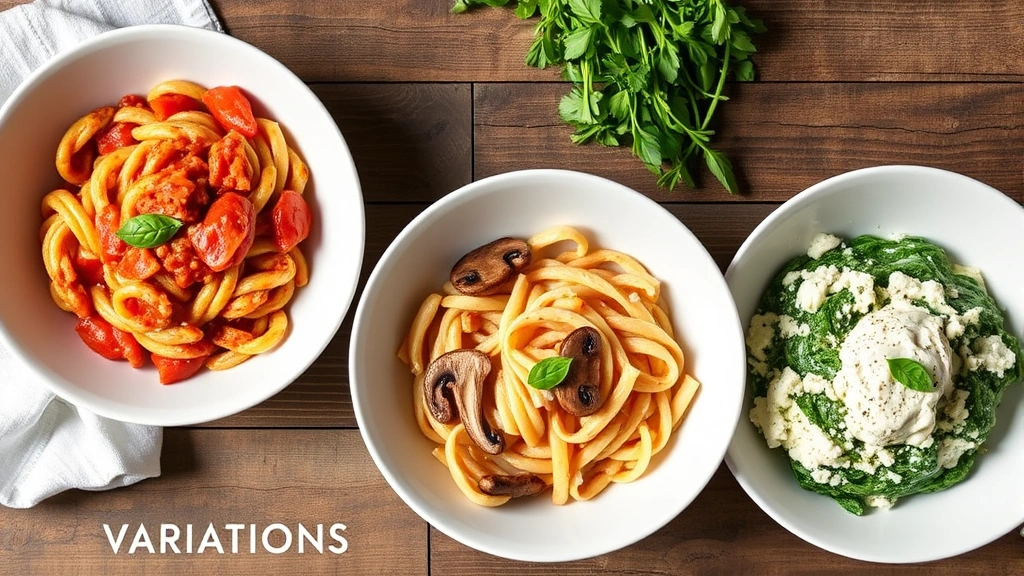
Creamy Tomato Pastina: Replace half the broth with crushed tomatoes and finish with a splash of heavy cream. This variation creates a light, comforting dish that tastes restaurant-quality but requires minimal effort.
Garlic and Oil Pastina: Sauté sliced garlic in olive oil, then add broth and pastina. This lighter variation celebrates garlic’s flavor and works beautifully as a side dish to roasted proteins.
Mushroom Pastina: Sauté sliced mushrooms (cremini, shiitake, or mixed varieties) in butter with garlic, then add broth and pastina. Mushrooms’ earthy umami flavor complements pastina’s delicate nature perfectly.
Spinach and Ricotta Pastina: Fold in wilted spinach and dollops of ricotta cheese for a more indulgent variation. This works beautifully as a vegetarian main course or elegant side dish.
Nutrition and Health Benefits
Pastina offers several nutritional benefits that make it an excellent choice for balanced eating. A single serving of cooked pastina provides complex carbohydrates for sustained energy, B vitamins essential for metabolism, and iron for blood health. The small portion size and quick cooking time make it easy to control portion sizes and nutritional content.
When prepared with broth-based cooking methods, pastina becomes a light yet satisfying dish that won’t leave you feeling overly full. The addition of vegetables increases fiber content and micronutrient density, while protein additions like chicken or legumes create complete meals.
For those seeking keto chicken recipes or lower-carbohydrate options, traditional pastina isn’t ideal due to its pasta base. However, the cooking method and flavor profiles can inspire similar dishes using alternative ingredients.
The simplicity of pastina recipes means you control every ingredient, making it easier to accommodate dietary preferences or restrictions. Dairy-free versions use olive oil instead of butter and skip the cheese. Gluten-free adaptations use gluten-free pastina pasta, which has improved significantly in quality over recent years.
Storage and Make-Ahead Instructions
Storing cooked pastina: Pastina is best served immediately, but leftovers can be refrigerated in airtight containers for up to 3 days. The dish will thicken significantly as it cools due to starch absorption. When reheating, add small amounts of warm broth to restore the creamy consistency. Reheat gently over low heat, stirring frequently to prevent scorching.
Freezing: While you can freeze pastina, the texture changes slightly upon thawing. If you must freeze, store in freezer-safe containers for up to 1 month. Thaw in the refrigerator overnight and reheat with additional broth as needed.
Make-ahead preparation: Prepare all ingredients in advance—measure pastina, grate cheese, and prepare broth. This mise en place approach means you can prepare pastina from start to finish in under 20 minutes whenever you need it.
Broth preparation: Make homemade broth in larger batches and freeze in ice cube trays or containers. Having quality broth ready means pastina is always an option for quick meals.
FAQ
What’s the difference between pastina and other small pastas?
Pastina is specifically rice-shaped, while orzo is larger and more oval, and ditalini is tube-shaped. These pastas have different cooking times and textures. Pastina’s small size and rapid cooking time make it unique and ideal for creamy, broth-based preparations.
Can I use water instead of broth?
While technically possible, water lacks the flavor depth that broth provides. Broth is essential for authentic pastina’s taste. If you don’t have broth available, make a quick vegetable broth by simmering vegetable scraps, or use quality store-bought versions.
Why does my pastina come out soupy?
This typically means you’re using too much liquid or cooking for insufficient time. Pastina releases starch that thickens the liquid naturally. Start with the recommended liquid amounts and cook until the pasta is tender and starch has released. You can always add more broth if needed, but you can’t remove excess liquid.
Is pastina suitable for babies and toddlers?
Yes, pastina is traditionally given to Italian babies and young children. Its small size, soft texture, and mild flavor make it ideal for developing palates. Prepare it with low-sodium broth and minimal salt for very young children.
What’s the best way to reheat leftover pastina?
Reheat gently over low heat, stirring frequently and adding warm broth gradually to restore creaminess. Avoid high heat, which can scorch the bottom. Alternatively, reheat in a microwave-safe bowl with a splash of broth, stirring every 30 seconds until warmed through.
Can I make pastina in a slow cooker?
Slow cookers aren’t ideal for pastina because the long cooking time causes the pasta to become mushy. Stick with stovetop cooking, which allows you to control the texture precisely.
What’s the best brand of pastina to buy?
Imported Italian brands like De Cecco, Rustichella d’Abruzzo, and Bionaturae offer superior quality compared to domestic options. These brands use traditional production methods and quality semolina, resulting in better flavor and texture.
How can I make pastina more filling?
Add proteins like cooked chicken, ground meat, or beans, or incorporate vegetables like spinach, peas, or roasted vegetables. You can also increase the proportion of cheese and butter, though this increases richness rather than satiation.


