
How to Cook Pork Adobo: Filipino Classic
Pork adobo stands as one of the Philippines’ most beloved and iconic dishes, representing centuries of culinary tradition and cultural heritage. This savory, slightly tangy braised pork dish combines tender meat with a rich, deeply flavored sauce that transforms simple ingredients into something extraordinary. The beauty of pork adobo lies not only in its incredible taste but also in its simplicity—requiring just a handful of pantry staples and basic cooking techniques that any home cook can master.
Whether you’re cooking for family dinner, hosting guests, or exploring Filipino cuisine for the first time, understanding how to make authentic pork adobo opens doors to one of Asia’s most rewarding cooking experiences. The dish’s versatility allows it to shine on its own with steamed rice or pair beautifully with other Filipino sides. This comprehensive guide walks you through every step, from ingredient selection through plating, ensuring your pork adobo turns out restaurant-quality every single time.
What Is Pork Adobo?
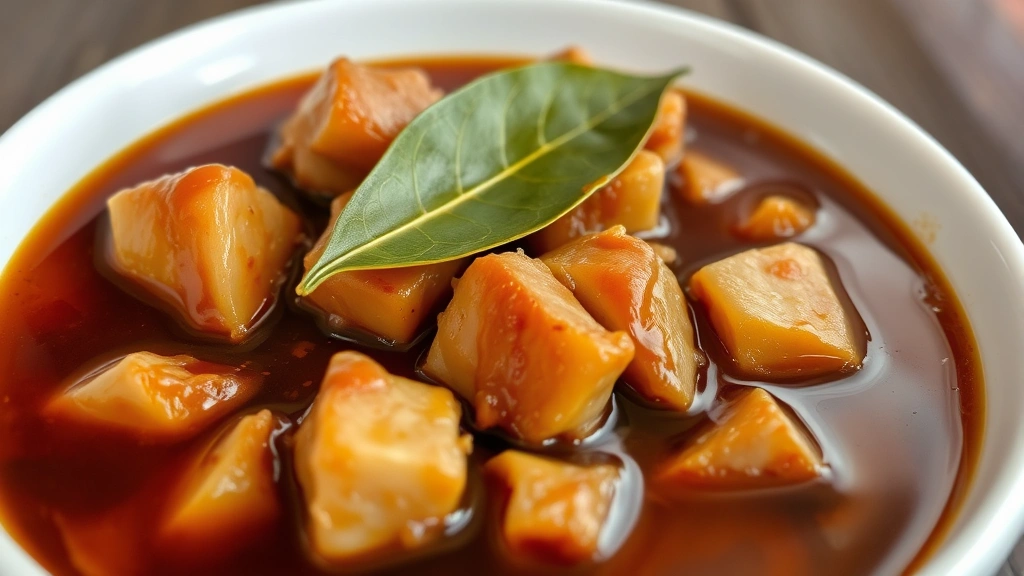
Pork adobo represents the quintessential Filipino comfort food, a dish so fundamental to Philippine cuisine that it’s often called the national dish. The word “adobo” comes from Spanish “adobar,” meaning to marinate or pickle, reflecting the country’s colonial history. However, Filipino adobo has evolved into its own distinct culinary treasure, vastly different from Spanish preparations.
The dish features tender pork chunks braised in a savory sauce built on vinegar, soy sauce, garlic, and bay leaves. What makes adobo special is the balance between salty, sour, and umami flavors—the vinegar provides brightness and preserves the meat, while soy sauce adds depth and saltiness. The long, slow cooking process allows these flavors to meld beautifully, creating a sauce that clings to each piece of meat. Unlike many Western braises, adobo doesn’t rely on cream or butter; instead, it achieves its rich quality through the natural gelatin from the pork and the concentrated flavors of the braising liquid.
This dish has fed Filipino families for generations and remains a staple at celebrations, family gatherings, and everyday dinners. Its popularity extends far beyond the Philippines, with Filipino diaspora communities worldwide keeping the tradition alive and introducing it to curious food lovers everywhere.
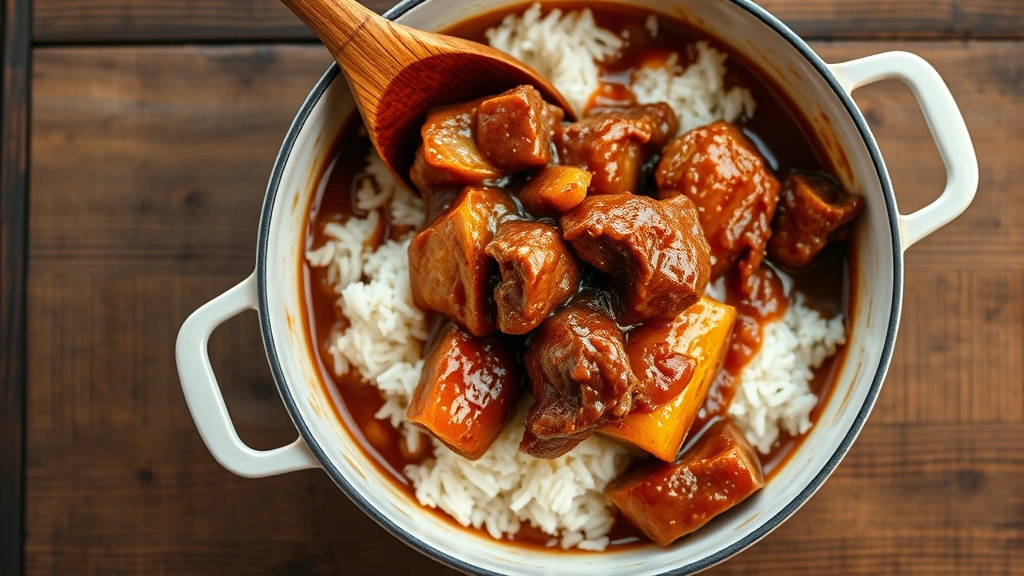
Essential Ingredients
Creating authentic pork adobo requires quality ingredients, though the list remains refreshingly short. This simplicity is part of what makes the dish so elegant and accessible.
- Pork shoulder or pork belly: 2-2.5 pounds, cut into 1.5-inch cubes. Choose meat with good marbling for tender, flavorful results. Pork shoulder provides leaner meat while belly offers richer, more succulent pieces.
- Soy sauce: ½ cup. Use high-quality soy sauce (not lite or low-sodium versions), as it’s crucial for depth and authentic flavor.
- White vinegar or calamansi vinegar: ⅓ cup. The vinegar is essential—it brightens the dish and acts as a natural preservative. Some cooks use a blend of vinegar types.
- Garlic: 8-10 cloves, minced. Fresh garlic provides aromatic complexity that powdered garlic cannot replicate.
- Bay leaves: 3-4 dried bay leaves. These add subtle herbal notes that define authentic adobo flavor.
- Black pepper: 1 teaspoon, freshly ground. Whole peppercorns toasted and cracked deliver superior flavor.
- Water: 1.5 cups. This dilutes the sauce to proper consistency and creates the braising liquid.
- Cooking oil: 2-3 tablespoons. Use neutral oil like vegetable or canola oil for searing the meat.
- Salt: To taste. Add judiciously since soy sauce contributes significant saltiness.
Some regional variations include homemade sauce additions or adjustments, but these core ingredients remain consistent across authentic recipes.
Ingredient Preparation
Proper preparation before cooking ensures smooth execution and optimal results. This mise en place approach prevents scrambling during cooking and allows you to focus on technique.
Preparing the pork: Pat the pork cubes dry with paper towels—this crucial step allows proper browning and prevents steaming. Wet meat won’t develop the flavorful crust essential to adobo. Cut the meat into uniform 1.5-inch pieces so everything cooks evenly. Irregular sizes result in some pieces overcooked while others remain tough.
Mincing the garlic: Mince garlic finely, as this increases surface area and allows better flavor distribution throughout the sauce. Alternatively, use a garlic press for more consistent results. Avoid pre-minced garlic from jars, which lacks the fresh, pungent quality that makes adobo special.
Measuring liquids: Use liquid measuring cups for precise soy sauce and vinegar quantities. These ratios matter—too much vinegar creates an overly sour dish, while insufficient vinegar won’t provide the characteristic brightness.
Preparing bay leaves and peppercorns: Keep bay leaves whole and peppercorns intact during cooking; you’ll remove them before serving. If using whole peppercorns instead of ground pepper, toast them lightly in a dry pan for 1-2 minutes before adding to release their oils.
Step-by-Step Cooking Instructions
Step 1: Sear the pork
Heat oil in a large, heavy-bottomed pot or Dutch oven over medium-high heat until shimmering. Working in batches to avoid overcrowding, add pork cubes in a single layer. Sear for 3-4 minutes per side until golden brown. Proper browning develops the Maillard reaction, creating complex flavors that elevate the entire dish. Don’t rush this step—resist the urge to stir constantly. Allow each side contact with the hot pan for color development. Transfer seared pork to a clean plate.
Step 2: Sauté aromatics
In the same pot with remaining oil and browned bits (fond), add minced garlic. Sauté for 1-2 minutes, stirring frequently, until fragrant but not browned. Burnt garlic becomes bitter and ruins the dish’s delicate balance. The goal is to coax out garlic’s sweet, aromatic qualities while maintaining its subtle heat.
Step 3: Deglaze and combine liquids
Pour soy sauce into the pot, using a wooden spoon to scrape up the flavorful fond stuck to the bottom. This fond contains concentrated pork and garlic flavors essential to sauce development. Add vinegar, followed by water. Stir well to combine all liquids.
Step 4: Return pork and add seasonings
Return all seared pork to the pot, including any accumulated juices on the plate. Add bay leaves and black pepper. Stir to coat meat evenly with the braising liquid. The liquid should come about three-quarters of the way up the pork; add more water if needed.
Step 5: Braise low and slow
Bring the mixture to a simmer, then reduce heat to low. Cover partially (leaving the lid slightly ajar) and simmer for 45-60 minutes, stirring occasionally. The partial cover allows some evaporation while preventing excessive drying. The meat should become fork-tender, and the sauce should reduce and concentrate. Test doneness by piercing a pork cube with a fork—it should yield easily without resistance.
Step 6: Adjust seasoning
After the meat reaches tender doneness, taste the sauce. Add salt if needed (remember, soy sauce is salty, so taste before adding). Some cooks prefer a tangier adobo and add a splash more vinegar; others prefer deeper soy flavor and add a tablespoon more soy sauce. This is where personal preference shines—adjust to your taste.
Step 7: Reduce sauce (optional but recommended)
For a thicker, more concentrated sauce, increase heat to medium and simmer uncovered for 5-10 minutes, stirring occasionally. This concentrates flavors and creates a glossy coating that clings beautifully to the meat. Don’t reduce too much—the sauce should remain pourable, not thick like gravy.
Step 8: Remove bay leaves and serve
Using a slotted spoon or fork, fish out and discard bay leaves. Taste one final time and adjust seasoning as needed. Transfer to a serving dish, ensuring each portion gets generous sauce.
Cooking Tips for Perfect Results
Choose the right pork cut: Pork shoulder (also called pork butt) and pork belly both work beautifully. Shoulder provides leaner meat that shreds slightly, while belly offers richer, more succulent pieces. Many Filipino cooks use a combination of both cuts.
Don’t skip the searing step: This crucial technique develops flavor through the Maillard reaction. Even though pork adobo is a braised dish, proper browning makes an enormous difference in the final result.
Use quality soy sauce: The difference between premium soy sauce and cheap versions is dramatic in a dish with so few ingredients. Splurge on good soy sauce—your adobo will thank you.
Balance vinegar carefully: Vinegar is essential but easily overdone. Start with the recommended amount; you can always add more but can’t remove it. The sauce should taste savory and complex, not aggressively sour.
Maintain proper heat: Once simmering, keep heat low. Vigorous boiling toughens the meat and causes excessive evaporation. A gentle simmer allows flavors to meld while keeping meat tender.
Stir occasionally: Regular stirring ensures even cooking and prevents sticking on the pot bottom. Aim for every 10-15 minutes.
Make it ahead: Pork adobo tastes even better the next day after flavors have fully melded overnight. This makes it perfect for meal prep.
Serving Suggestions
Pork adobo shines brightest when served simply with steamed white rice, allowing the rich sauce to soak into each grain. The combination is deeply satisfying and authentically Filipino.
For a more elaborate meal, complement adobo with traditional Filipino sides. Easy coleslaw provides fresh crunch that balances the rich, savory adobo. Pickled onions add brightness and acidity that refreshes the palate between bites. Both sides complement adobo’s flavors without competing for attention.
For those seeking heartier pairings, consider serving adobo alongside sandwiches as an unconventional but delicious combination, or explore Italian beef sandwich preparations that share similar braising techniques.
Vegetable options that work well include sautéed bok choy, steamed broccoli, or a simple green salad with vinaigrette. The key is choosing sides that won’t overpower adobo’s delicate balance.
For beverages, pair adobo with iced tea, calamansi juice, or light beer. The acidity and refreshment help cut through the rich, savory flavors.
Storage and Reheating
Refrigerator storage: Store leftover pork adobo in an airtight container for up to 4 days. The sauce protects the meat from oxidation, and flavors actually improve as they meld overnight.
Freezer storage: Pork adobo freezes beautifully for up to 3 months. Freeze in portion-sized containers for convenient future meals. Thaw overnight in the refrigerator before reheating.
Reheating methods: Reheat gently on the stovetop over medium-low heat, stirring occasionally, until warmed through (about 5-10 minutes). Alternatively, reheat in the microwave in a covered container, stirring halfway through. Avoid high heat, which can toughen the meat.
Sauce consistency after storage: Refrigerated adobo’s sauce may thicken due to gelatin from the pork. This is normal and desirable. If too thick when reheating, add a splash of water or broth to reach desired consistency.
FAQ
Can I use chicken instead of pork?
Yes, chicken adobo is equally authentic and popular. Use bone-in, skin-on chicken thighs for best results, reducing cooking time to 30-35 minutes since chicken cooks faster than pork.
What if I don’t have bay leaves?
Bay leaves add subtle herbal notes, but adobo is still delicious without them. Alternatively, use a small pinch of dried thyme or oregano, though these change the flavor profile slightly.
Can I make this in a slow cooker?
Absolutely. Sear the pork and sauté garlic using the stovetop method, then transfer everything to a slow cooker. Cook on low for 6-8 hours or high for 3-4 hours. Add bay leaves and peppercorns before cooking.
Is pork adobo spicy?
Traditional adobo isn’t spicy, though some regional variations include chili peppers. If you prefer heat, add sliced fresh chilies or a pinch of cayenne pepper during cooking.
What’s the difference between Filipino adobo and Spanish adobo?
Spanish adobo typically uses vinegar, garlic, and paprika as a dry rub or marinade for raw meat before cooking. Filipino adobo is a wet braise where meat cooks in a sauce made from vinegar, soy sauce, garlic, and bay leaves. The cooking methods and flavor profiles are quite different.
Can I reduce sodium in this recipe?
Use low-sodium soy sauce and reduce the amount slightly, though this affects authenticity. Alternatively, increase vinegar and add umami from a small amount of fish sauce or mushroom powder to maintain depth.
How do I know when the pork is done?
The meat should be fork-tender, yielding easily when pierced. It shouldn’t shred apart (which indicates overcooking) but should separate cleanly from the bone if using bone-in cuts. Typically, 45-60 minutes achieves perfect doneness.


