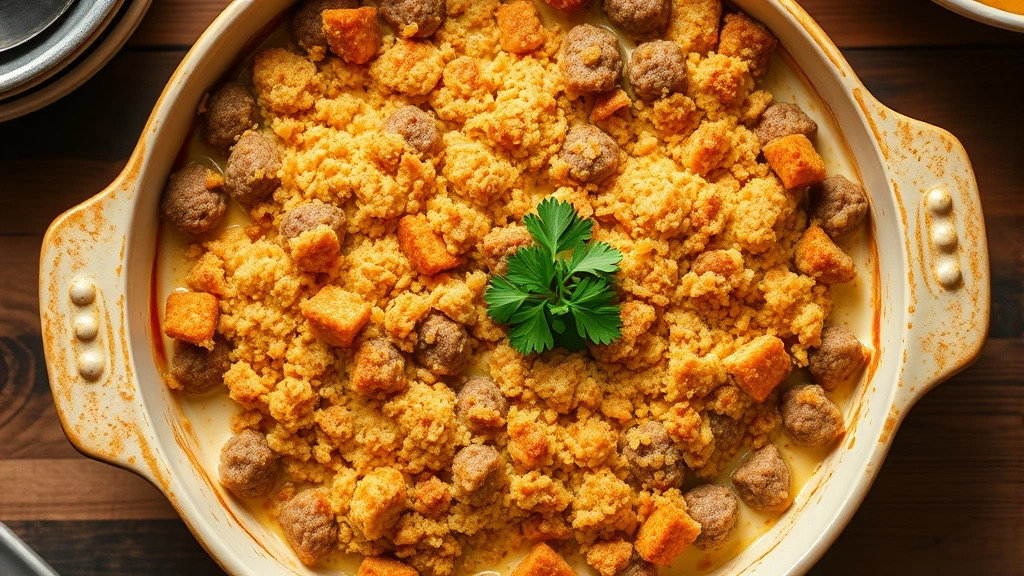
Delicious Hamburger Casserole: A Family Favorite Recipe
There’s something undeniably comforting about a hearty hamburger casserole bubbling in the oven. This classic dish combines ground beef, creamy layers, and savory seasonings into one complete meal that satisfies even the pickiest eaters at your dinner table. Whether you’re cooking for a weeknight family dinner or preparing something special for guests, hamburger casserole delivers consistent results and impressive flavor every single time.
What makes this hamburger casserole recipe truly special is its simplicity and versatility. You don’t need fancy ingredients or complicated techniques—just quality ground beef, pantry staples, and about an hour of your time. The beauty of casserole cooking lies in how all the flavors meld together as everything bakes, creating a unified, deeply satisfying dish that tastes even better the next day.
This family favorite has graced dinner tables for generations because it checks every box: it’s budget-friendly, easy to prepare, naturally filling, and absolutely delicious. Let’s explore everything you need to know to master this comfort food classic.
Ingredients You’ll Need
A successful hamburger casserole starts with quality ingredients, though nothing exotic or hard to find. Here’s exactly what you’ll need to gather from your pantry and refrigerator:
- 2 pounds ground beef – Choose 80/20 lean-to-fat ratio for best flavor and texture
- 2 cups egg noodles – Uncooked; you can substitute with elbow macaroni or any small pasta
- 1 large onion, diced – Yellow or white onions work perfectly
- 3 cloves garlic, minced – Fresh garlic makes a significant difference
- 2 tablespoons butter – For sautéing aromatics
- 2 tablespoons all-purpose flour – Creates a light roux for creaminess
- 2 cups beef broth – Low-sodium preferred for better seasoning control
- 1 cup heavy cream or sour cream – Adds richness and depth
- 1 cup shredded cheddar cheese – Sharp cheddar provides excellent flavor
- 1 teaspoon salt – Adjust to taste
- ½ teaspoon black pepper – Freshly ground if possible
- ½ teaspoon garlic powder – Enhances savory notes
- ½ teaspoon paprika – Optional but recommended for color and warmth
- ½ cup breadcrumbs – For the optional topping
- 2 tablespoons melted butter – For breadcrumb topping
- Fresh parsley – For garnish (optional but lovely)
If you’re looking to expand your recipes with hamburger, this casserole serves as an excellent foundation. You can incorporate elements from other beef dishes or experiment with complementary flavors like those found in our burger sauce recipe for added complexity.
Step-by-Step Preparation
Proper preparation ensures everything comes together smoothly during the cooking process. Taking time to prep ingredients beforehand is what separates a stressful cooking experience from an enjoyable one.
Step 1: Brown the Ground Beef
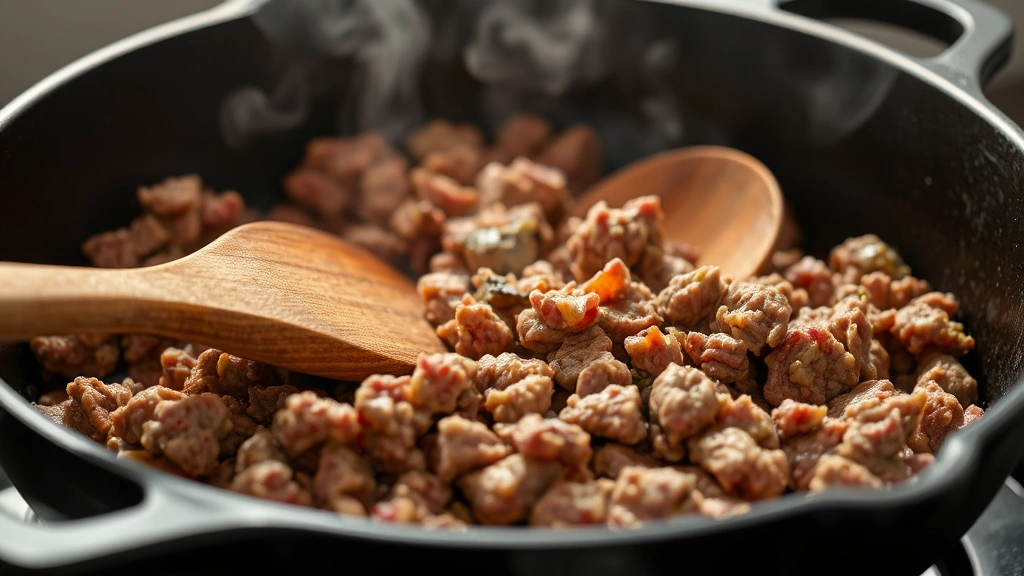
Heat a large skillet over medium-high heat. Once hot, add your ground beef, breaking it apart with a wooden spoon as it cooks. This step typically takes 8-10 minutes. You’re looking for the meat to lose its pink color completely and develop some light browning. As the beef releases fat, you’ll notice the pan will have accumulated grease—this is normal and flavorful. Once cooked through, transfer the browned beef to a paper towel-lined plate to drain excess fat, but don’t discard all the fat; you’ll use about 1 tablespoon for the next step.
Step 2: Sauté Aromatics
In the same skillet with the retained beef fat, melt your butter over medium heat. Add the diced onion and cook for about 5 minutes, stirring occasionally, until the onion becomes translucent and soft. Add your minced garlic and cook for another minute until fragrant. This aromatic base builds incredible depth of flavor that will permeate the entire casserole.
Step 3: Create the Cream Sauce
Sprinkle the flour over the onion-garlic mixture and stir constantly for about 2 minutes. This creates a roux that will thicken your sauce. Slowly pour in the beef broth while whisking continuously to prevent lumps from forming. Continue whisking until the mixture thickens slightly, about 3-4 minutes. Reduce heat to medium-low and stir in your cream or sour cream, salt, pepper, garlic powder, and paprika. Let this simmer gently for another 2-3 minutes, stirring occasionally.
Step 4: Combine All Components
Return the browned ground beef to the skillet with the cream sauce. Stir in the uncooked egg noodles and most of the shredded cheddar cheese, reserving about ¼ cup for topping. Mix everything thoroughly to ensure the noodles are coated and the cheese melts slightly into the sauce. The noodles will finish cooking in the oven, so don’t worry if they seem slightly firm at this stage.
Baking and Cooking
Now comes the magic—watching everything come together in your oven.
Preparing Your Baking Dish
Preheat your oven to 350°F (175°C). Lightly butter or spray a 9×13 inch baking dish with cooking spray. Pour the entire hamburger mixture into the prepared dish and spread it evenly. If you want a breadcrumb topping, mix your ½ cup breadcrumbs with 2 tablespoons melted butter and the reserved ¼ cup cheddar cheese. Sprinkle this mixture evenly over the top of the casserole.
Baking Process
Cover the baking dish loosely with aluminum foil and bake for 25 minutes. Remove the foil and continue baking for another 20-25 minutes until the top is golden brown and the casserole is bubbling around the edges. If you didn’t add the breadcrumb topping, the cheese layer on top should be melted and slightly browned. Let the casserole rest for 5 minutes after removing from the oven—this allows the structure to set slightly, making serving easier.
The total baking time of approximately 50 minutes ensures the egg noodles cook through completely while the cream sauce reduces and concentrates in flavor. The resting period is crucial for achieving clean, presentable portions rather than a soupy mess.
Variations and Pro Tips
Creative Variations
While the classic version is fantastic, hamburger casserole welcomes creativity. For a healthier version, check out our high protein recipes for weight loss for inspiration on incorporating vegetables and lean protein adjustments. Add diced bell peppers, mushrooms, peas, or corn to the mixture for extra nutrition and texture. Some families prefer substituting ground beef entirely—try our lamb burger recipe for a completely different flavor profile that works beautifully in casserole form.
For those who love bold flavors, mix in a few tablespoons of our burger sauce recipe for a unique twist. You could also add pickled jalapeños (see our pickled jalapenos recipe) for those who enjoy heat and tanginess, or try different cheeses like Swiss, Gruyère, or a blend.
Professional Tips for Success
- Don’t skip browning the meat properly – This develops crucial flavor compounds through the Maillard reaction, which can’t be replicated any other way
- Use fresh garlic instead of powder when possible – Fresh garlic provides brightness that powder cannot match
- Taste your cream sauce before adding noodles – Adjust seasonings at this stage when flavors are still distinct
- Stir the mixture occasionally during baking – If you notice it drying out, stir it once halfway through cooking
- Don’t overcrowd your baking dish – The casserole should come about three-quarters full for even cooking
- Consider a splash of Worcestershire sauce – Just ½ teaspoon adds incredible umami depth
- Let meat cool slightly before mixing – This prevents the cream from curdling when combined with hot beef
- Use quality beef broth, not bouillon cubes – The flavor difference is substantial and worth the small extra cost
Serving Suggestions
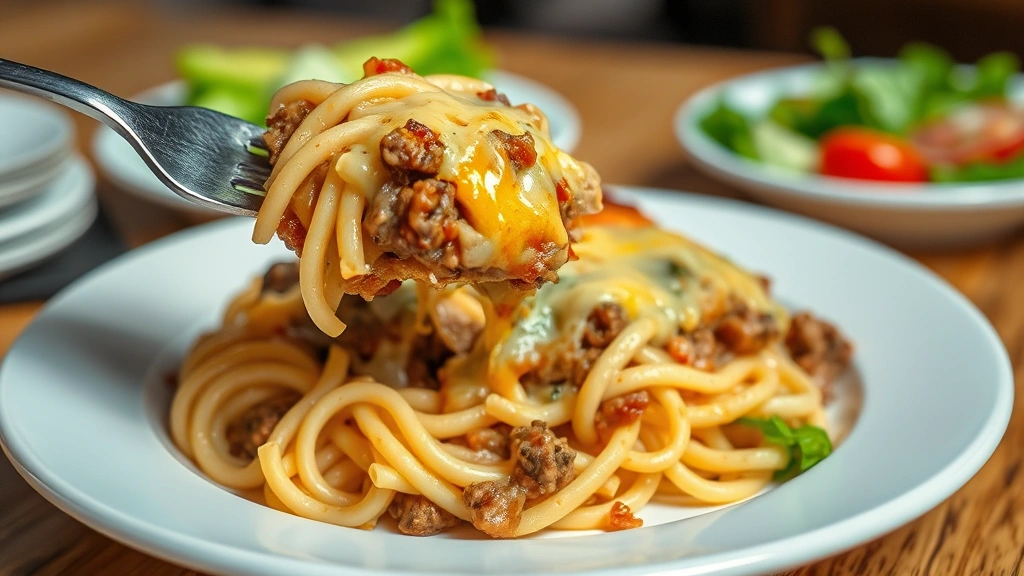
Hamburger casserole is a complete meal in itself, but thoughtful sides elevate the experience. Serve with a crisp green salad dressed in vinaigrette to cut through the richness. Steamed or roasted vegetables like broccoli, green beans, or asparagus add nutritional balance and textural contrast. Crusty bread for soaking up the creamy sauce is always welcome at our table.
For beverages, pair with a medium-bodied red wine like Pinot Noir or a simple beer. Iced tea or lemonade works perfectly for non-alcoholic options. If you’re serving this to guests, consider presenting it in the baking dish at the table for a homey, welcoming presentation that emphasizes the comfort food appeal.
For dessert after this rich main course, something light and refreshing works best. A lemon-forward dessert would complement beautifully—perhaps something with our lemon glaze recipe for a bright finish to the meal.
Storage and Reheating
Refrigerator Storage
Hamburger casserole keeps remarkably well in the refrigerator. Store leftovers in an airtight container for up to 4 days. The flavors actually improve slightly as everything sits together, allowing seasonings to meld more thoroughly. The casserole may seem firmer when cold due to the cream sauce setting—this is completely normal.
Freezer Storage
You can freeze this casserole for up to 3 months. Freeze it in the baking dish (after cooling completely) covered tightly with plastic wrap and then aluminum foil, or transfer cooled casserole to freezer-safe containers. For best results, thaw overnight in the refrigerator before reheating rather than thawing at room temperature.
Reheating Methods
Reheat in a 350°F oven, covered with foil, for about 25-30 minutes until heated through. Alternatively, reheat individual portions in the microwave in 2-3 minute intervals, stirring between intervals. If the casserole seems dry upon reheating, stir in a splash of beef broth or cream to restore moisture. The stovetop method works too—gently warm the casserole in a large skillet over medium-low heat, stirring frequently.
FAQ
Can I make hamburger casserole ahead of time?
Absolutely! Prepare the entire casserole through the point of adding it to the baking dish, then cover and refrigerate for up to 24 hours. Add 10-15 minutes to the baking time since you’re starting with a cold casserole. This makes it perfect for busy weeknights when you want to do prep work in advance.
What if I don’t have egg noodles?
Egg noodles are traditional, but elbow macaroni, penne, or any small pasta shape works wonderfully. Even rice works in a pinch, though the texture will be slightly different. Adjust the liquid ratio slightly if using rice, as it absorbs differently than pasta.
Can I use ground turkey or chicken instead?
Yes, ground turkey works well and creates a lighter version. Ground chicken can be used but tends to be less flavorful—consider adding extra seasonings or a tablespoon of soy sauce to compensate. Ground pork also makes an excellent variation with slightly different flavor notes.
Is this recipe kid-friendly?
Absolutely! The creamy, mild flavors appeal to children, and the soft pasta is easy to eat. You can reduce or omit the paprika if serving very young children. Let them help with mixing and watching the oven—kids love being involved in comfort food preparation.
How can I make this recipe healthier?
Use 93/7 lean ground beef, substitute sour cream with Greek yogurt, and use low-fat cream or milk instead of heavy cream. Add plenty of vegetables like diced zucchini, mushrooms, or spinach. Use whole wheat pasta instead of egg noodles for added fiber and nutrients.
What’s the best way to prevent the casserole from drying out?
Don’t overbake it—set a timer and check at the minimum time. Keep the foil cover on for the first half of baking. If you notice it drying during cooking, stir gently and add a splash more broth. The cream sauce should remain creamy throughout; if it looks thick before baking, thin it with a bit more broth.
Can I double this recipe?
Yes! Simply double all ingredients and use a 9×13 baking dish plus an 8×8 dish, or split between two 9×13 dishes. You may need to add 10-15 minutes to the baking time since you’re cooking a larger volume. Alternatively, freeze one prepared casserole for later.
What external resources can help me improve my casserole cooking?
The Serious Eats casserole guide provides excellent technical information about layering and cooking methods. Cook’s Illustrated offers thoroughly tested recipes and techniques for perfecting classic comfort foods. The American Cooking Classics resource explores the history and variations of traditional casserole dishes. Food Science Lounge explains the chemistry behind cream sauces and protein interactions during cooking. Finally, ChefSteps offers video demonstrations of proper sautéing and sauce-making techniques applicable to this dish.


