Ultimate Rice Bowl Ideas: Chef-Approved Guide
Rice bowls have become the gold standard for quick, nutritious, and customizable meals that satisfy both weeknight hunger and sophisticated palates. Whether you’re a busy professional looking for meal prep solutions or a home cook seeking inspiration, rice bowl recipes offer endless possibilities for creativity and flavor. The beauty of a well-constructed rice bowl lies in its simplicity: quality rice as the foundation, complemented by proteins, vegetables, and vibrant sauces that transform humble ingredients into restaurant-worthy dishes.
This comprehensive guide explores chef-approved rice bowl ideas that elevate your everyday cooking. From Asian-inspired combinations to fusion creations, you’ll discover how to build bowls that are visually stunning, nutritionally balanced, and absolutely delicious. We’ll walk through essential techniques, ingredient selection, and assembly methods that professional chefs use to create memorable rice bowls.
Foundation: Choosing and Cooking Perfect Rice
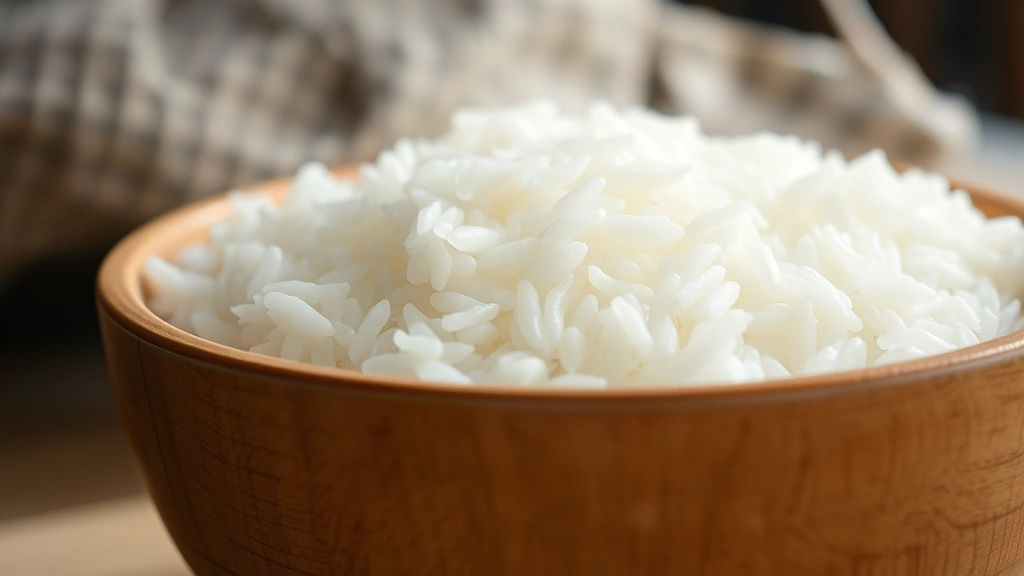
Every exceptional rice bowl starts with properly cooked rice. The grain you select dramatically influences texture, flavor, and how well your bowl holds together. Short-grain white rice offers a slightly sticky consistency that helps ingredients meld together, while jasmine rice provides delicate floral notes and moderate stickiness. Sushi rice is seasoned with vinegar, sugar, and salt, creating a tangy foundation perfect for sushi-style bowls. For health-conscious preparations, brown rice and black rice add nutty flavors and impressive nutritional profiles.
The cooking method matters significantly. The absorption method—using a 1:2 ratio of rice to water—yields consistently fluffy grains. Rinse your rice thoroughly under cold water until the water runs clear, removing excess starch that causes mushiness. Bring water to a boil, add rice, return to a boil, then reduce heat to low, cover, and simmer for 15-18 minutes depending on rice type. Let rice rest covered for 5 minutes after cooking, allowing residual steam to complete the cooking process.
For restaurant-quality results, consider investing in a rice cooker. This hands-off approach eliminates guesswork and produces consistent results batch after batch. Many professional kitchens rely on rice cookers for this exact reason—reliability and consistency matter when serving multiple bowls. Season your cooked rice lightly with salt, or use complementary flavor infusions like adding a piece of kombu seaweed during cooking for umami depth.
Temperature significantly affects the eating experience. Warm rice allows flavors to develop and blend harmoniously, while room-temperature or chilled rice works beautifully for summer bowls. Never serve rice straight from the refrigerator without warming—cold rice tastes starchy and uninviting. Gently reheat in the microwave with a splash of water, stirring occasionally to restore fluffiness.
[IMAGE_1]
Protein Powerhouses for Rice Bowls
Protein selection transforms rice bowls from side dishes into complete, satisfying meals. Grilled chicken remains the most versatile option, absorbing marinades while staying lean and flavorful. Marinate chicken breasts for 30 minutes to 2 hours in combinations like soy sauce, ginger, garlic, and sesame oil. Check out our keto chicken recipes for protein-forward bowl ideas that work for any dietary preference.
Beef offers rich, satisfying flavors ideal for Korean-inspired bowls. Thinly slice flank steak or ribeye against the grain, then quickly sear in a hot pan with soy sauce, brown sugar, and sesame oil. The quick cooking method preserves tenderness while developing a flavorful crust. Pork works exceptionally well when slow-cooked; pulled pork creates textural contrast against rice, while thin pork chops can be quickly pan-seared for weeknight meals.
Seafood brings elegance and lighter nutrition. Seared salmon develops a crispy exterior while maintaining a buttery interior—perfect for Asian bowls with wasabi mayo. Shrimp cooks in minutes and pairs beautifully with coconut-based sauces or citrus marinades. Fish like halibut or cod can be gently steamed or poached, then flaked over rice for delicate presentations.
Plant-based proteins deserve equal attention. Marinated tofu, when pressed properly to remove excess moisture, develops incredible texture and absorbs flavors beautifully. Tempeh offers a firmer texture and nutty flavor that stands up to bold seasonings. Chickpeas, lentils, and edamame provide budget-friendly protein options with satisfying substance. Roasting chickpeas with spices creates crunchy texture elements that elevate simple bowls.
For meal prep efficiency, cook proteins in batches. A single session cooking several pounds of chicken, beef, or tofu yields multiple bowl components throughout the week. Store cooked proteins in airtight containers for up to four days, allowing quick assembly when hunger strikes.
Vegetable Components and Seasonal Selections
Vegetables provide color, nutrition, and textural complexity that transform simple rice into memorable bowls. Raw vegetables contribute freshness and crunch—thinly sliced cucumbers, shredded carrots, julienned radishes, and microgreens add visual appeal and bright flavors. Cooked vegetables become tender and absorb surrounding flavors, creating unified dishes. Roasted broccoli, steamed bok choy, sautéed mushrooms, and grilled zucchini all work beautifully in rice bowls.
Seasonal selection ensures peak flavor and optimal pricing. Spring brings tender asparagus, snap peas, and fresh herbs. Summer offers abundance: zucchini, eggplant, bell peppers, and corn. Fall recipes incorporate roasted root vegetables, Brussels sprouts, and squash varieties. Winter calls for heartier vegetables like kale, carrots, and cabbage that store well and develop deeper flavors when roasted.
Preparation methods matter considerably. Toss vegetables with neutral oil, salt, and pepper before roasting at 425°F for 20-25 minutes, stirring halfway through. This approach caramelizes vegetables, intensifying natural sweetness. For quick weeknight bowls, use pre-cut vegetables or frozen options—modern freezing technology preserves nutrition and flavor remarkably well.
Consider textural variety within each bowl. Combine raw crunch with cooked softness, tender proteins with crispy elements. This interplay keeps each bite interesting and prevents monotony. A simple bowl becomes sophisticated when it includes multiple vegetable preparations and textures.

Sauces and Dressings That Transform Bowls
Sauces elevate rice bowls from adequate to extraordinary. A mediocre bowl with exceptional sauce tastes better than a perfect bowl with no sauce—this culinary truth guides professional chefs worldwide. Soy-based sauces form the backbone of Asian bowls. Combine soy sauce, rice vinegar, sesame oil, honey, and minced garlic for a balanced dressing that works with virtually any ingredient combination.
Spicy mayo adds richness and heat. Whisk together mayonnaise, sriracha, lime juice, and a pinch of salt for a versatile sauce perfect with seafood and vegetables. Adjust heat levels by controlling sriracha quantity—start conservatively and build up. Tahini-based dressings provide creamy texture and nutty depth, especially beautiful with roasted vegetables and chickpeas.
Coconut-based sauces bring tropical warmth ideal for Southeast Asian-inspired bowls. Combine coconut milk, red curry paste, lime juice, and fish sauce for aromatic complexity. Peanut sauce works universally—ground peanut butter mixed with soy sauce, lime juice, garlic, and a touch of honey creates addictive flavor that complements nearly every ingredient.
Vinegar-based dressings offer brightness without heaviness. Rice vinegar mixed with sesame oil, soy sauce, and a touch of sugar creates refreshing drizzles. Citrus marinades using lemon, lime, or orange juice with olive oil and fresh herbs work beautifully for lighter preparations, especially with seafood proteins.
Temperature considerations affect sauce application. Warm sauces meld beautifully with warm rice, while cool dressings work better with room-temperature components. Many chefs drizzle sauce directly over warm bowls, allowing it to seep into rice while coating proteins and vegetables. Others serve sauce on the side, allowing diners to control intensity—a considerate touch when serving guests with varying preferences.
Asian-Inspired Rice Bowl Recipes
Korean Bibimbap stands as the quintessential rice bowl, featuring warm rice topped with seasoned vegetables, protein, a fried egg, and spicy gochujang sauce. Prepare this bowl by arranging each component separately on rice, creating visual sections. The tradition involves mixing everything together before eating, combining flavors and textures in each spoonful. Gochujang sauce—Korean red chili paste mixed with sesame oil, garlic, and sugar—provides essential heat and umami.
Japanese Donburi encompasses various rice bowl styles, each with distinct characteristics. Katsudon features breaded, fried pork cutlet over rice, topped with a savory egg sauce. Gyudon presents thin-sliced beef simmered with onions in sweet-savory sauce. Oyakodon combines chicken and eggs in a silky preparation. These dishes demonstrate how proteins cooked directly in sauce create unified, cohesive flavors.
Thai Basil Chicken Bowl brings bright, herbaceous flavors. Ground or minced chicken stir-fried with Thai basil, chilies, garlic, and fish sauce creates aromatic, spicy-savory sauce. Top warm rice with this mixture, add a fried egg if desired, and finish with fresh lime and cilantro. The interplay between heat, umami, and herbaceous freshness creates addictive complexity.
Vietnamese Banh Mi Bowl deconstructs the famous sandwich into bowl form. Layer rice with pickled vegetables, Vietnamese cold cuts or slow-cooked proteins, fresh cilantro, and Vietnamese mayo. The pickled vegetables provide essential acidity and crunch, while mayo adds richness. This bowl works beautifully as a warm or room-temperature option.
Sushi Rice Bowls adapt sushi concepts into practical bowl format. Use seasoned sushi rice as your base, then add sashimi-grade fish, avocado, cucumber, and nori strips. Drizzle with soy sauce mixed with wasabi, or use spicy mayo for creamy heat. These bowls offer sushi’s sophisticated flavors without requiring specialized rolling skills.
Chinese Fried Rice Bowls transform leftover rice into exciting meals. Heat oil in a wok or large pan, add cooked rice, breaking up clumps, then quickly stir-fry with vegetables, protein, eggs, and soy sauce. The high-heat cooking develops wok flavor—a slightly smoky, caramelized taste professional chefs prize. This preparation method showcases why rice cooker-cooked rice works better than fresh rice for fried rice preparations.
Fusion and Global Rice Bowl Ideas
Mediterranean Rice Bowls blend Middle Eastern and Southern European flavors. Combine warm rice with roasted vegetables, grilled chicken or lamb, crumbled feta, Kalamata olives, and fresh herbs. Dress with lemon vinaigrette and tahini sauce for creamy richness. This bowl celebrates bright, herbaceous flavors and healthy fats from olives and tahini.
Mexican-Inspired Bowls adapt burrito components into rice-based formats. Layer cilantro-lime rice with seasoned ground beef or shredded chicken, black beans, roasted corn, diced tomatoes, avocado, and Mexican crema. Top with crispy tortilla strips for textural contrast. A squeeze of lime and fresh cilantro finish this vibrant, satisfying bowl.
Indian Biryani-Style Bowls feature fragrant basmati rice cooked with warm spices like cinnamon, cardamom, and cloves. Layer with tandoori chicken, caramelized onions, fresh cilantro, and cooling raita. This sophisticated bowl showcases how spice layering creates complex, memorable flavors. The contrast between warm spices and cool yogurt-based raita demonstrates professional technique.
Brazilian Poke Bowls combine Hawaiian poke traditions with Brazilian ingredients. Use sushi rice, top with seared ahi tuna, avocado, cucumber, and edamame. Drizzle with ponzu sauce mixed with lime juice and fresh cilantro. This fusion celebrates seafood while incorporating tropical and Asian elements.
Greek Salad Bowls transform the classic salad into warm rice format. Toss warm rice with cucumber, tomatoes, red onion, Kalamata olives, and crumbled feta. Dress with oregano-infused olive oil and red wine vinegar. Top with grilled chicken or shrimp for protein. This light, refreshing bowl works beautifully for summer meals.
African-Inspired Bowls showcase diverse cuisines across the continent. Ethiopian-style bowls feature spiced lentils, roasted vegetables, and injera-style flatbread alongside rice. West African peanut-based bowls combine rice with vegetable stews and grilled proteins. These bowls celebrate bold spicing and communal eating traditions.
Meal Prep Strategies for Rice Bowls
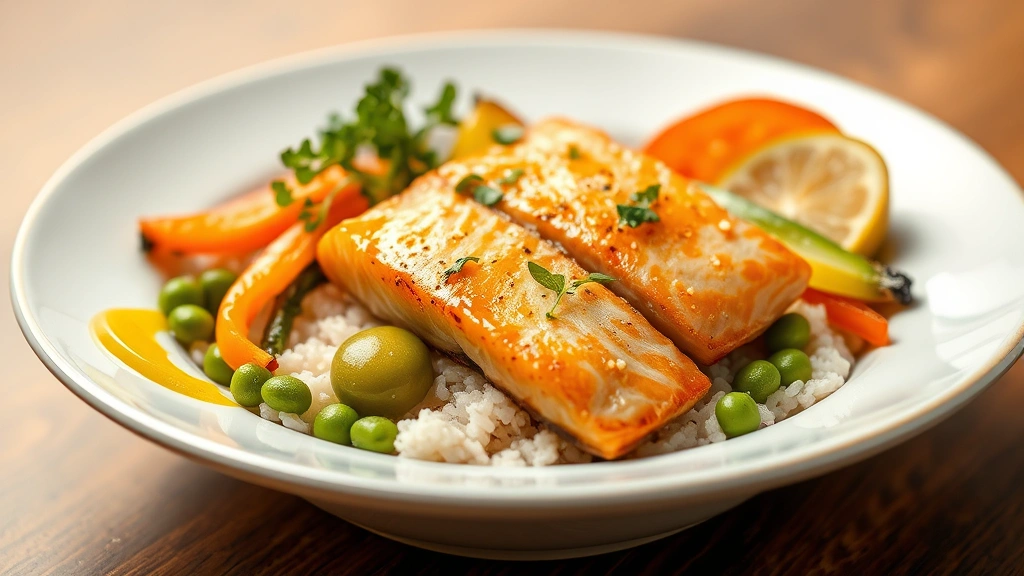
Rice bowls excel as meal prep vehicles, allowing batch cooking and component storage for easy weekday assembly. Sunday meal prep sessions become dramatically more efficient when focusing on rice bowls. Cook large batches of rice, proteins, and roasted vegetables, storing each component separately in airtight containers. This modular approach allows mixing and matching throughout the week, preventing flavor fatigue.
Storage guidelines ensure food safety and quality. Cooked rice keeps refrigerated for 3-4 days, though many chefs prefer using it within 2 days for optimal texture. Cooked proteins maintain quality for 3-4 days when properly stored. Raw vegetables last longer than cooked ones—store separately to prevent sogginess. Sauces and dressings keep for up to a week, allowing flavor development.
Assembly timing affects freshness significantly. Assemble bowls no more than a few hours before eating if using raw vegetables, as they’ll gradually soften from sauce moisture. For grab-and-go convenience, pack sauce separately and add just before eating. Many professionals layer components strategically—placing rice on the bottom, then proteins, cooked vegetables, raw vegetables on top, and sauce on the side.
Consider investing in quality glass containers with locking lids. Glass maintains food quality better than plastic, doesn’t absorb odors, and withstands repeated heating cycles. Portion individual bowls into containers for grab-and-go convenience, or store components separately for mixing flexibility.
Freezing strategies extend meal prep potential. Cooked rice freezes beautifully for up to three months. Portion into individual containers or freezer bags, then thaw overnight in the refrigerator before reheating. Most proteins freeze well, though texture changes slightly upon thawing. Vegetables generally freeze less successfully—cooked ones work better than raw. Sauces and dressings freeze adequately, though some emulsions may separate slightly upon thawing.
Reheating techniques preserve quality better than microwave nuking. Gently warm rice in a covered pot over low heat with a splash of water, stirring occasionally. This method restores fluffiness while preventing overcooking. Proteins reheat best in a low oven or on the stovetop rather than the microwave, which can dry them out. Vegetables tolerate microwaving well, though stovetop reheating develops better flavor.
Plan variety throughout your meal prep week. Monday’s Thai basil bowl becomes Friday’s Korean bibimbap through different proteins, vegetables, and sauces. This approach prevents boredom while maximizing ingredient efficiency. Consider preparing three or four distinct sauce options, then mixing components throughout the week for perceived variety from limited ingredients.
FAQ
What’s the best rice for rice bowls?
The ideal rice depends on your bowl style. Short-grain white or jasmine rice works beautifully for most Asian bowls, providing slight stickiness that helps ingredients cohere. Sushi rice works wonderfully for poke-style bowls. Brown rice offers nutty flavor and superior nutrition for health-focused bowls. Experiment with different varieties to discover personal preferences.
Can I make rice bowls ahead of time?
Absolutely! Rice bowls excel as meal prep vehicles. Cook rice and proteins in bulk, then store components separately. Assemble bowls up to a few hours before eating, or pack components separately and assemble fresh for maximum freshness. Keep sauces separate until serving to prevent sogginess.
How do I prevent mushy rice in meal prep bowls?
Store rice separately from wet ingredients until serving time. If assembling bowls ahead, place rice on the bottom, then cooked vegetables, proteins, and raw vegetables on top. Keep sauce completely separate, adding just before eating. This layering strategy prevents sauce from seeping into rice prematurely.
What proteins work best for rice bowls?
Virtually any protein works! Chicken remains the most versatile and budget-friendly option. Beef, pork, seafood, tofu, tempeh, and legumes all create delicious bowls. Choose proteins based on your sauce selection and desired flavor profile. Marinating or seasoning proteins ensures maximum flavor impact.
Can vegetarians and vegans enjoy rice bowls?
Absolutely! Rice bowls adapt beautifully to plant-based diets. Substitute proteins with tofu, tempeh, chickpeas, lentils, or edamame. Focus on diverse vegetables, nuts, seeds, and flavorful sauces to create satisfying meals. Many professional chefs now feature vegetarian and vegan rice bowls on restaurant menus, proving these options deserve equal attention.
How can I make my rice bowls more interesting?
Focus on textural variety and flavor layering. Combine raw and cooked vegetables, tender proteins with crispy elements, and multiple sauce components. Experiment with different cuisines and ingredients. Use quality, flavorful sauces that complement your chosen proteins and vegetables. Consider garnishes like toasted seeds, crispy onions, or fresh herbs for finishing touches.
What are good sauce options for rice bowls?
Soy-based sauces, spicy mayo, tahini dressing, coconut curry sauce, peanut sauce, and citrus vinaigrettes all work beautifully. The best sauce depends on your bowl’s other components. Match bold sauces with mild proteins and vegetables, and delicate sauces with flavorful ingredients. Consider offering sauce on the side to accommodate different preferences.
How long do rice bowls keep in the refrigerator?
Properly stored rice bowls keep for 3-4 days. Cooked rice lasts 3-4 days, proteins maintain quality for the same duration, and most vegetables last 3-5 days. Keep components separate until serving for maximum freshness. Always check for signs of spoilage before consuming—discard anything with off odors or unusual appearance.


