Shrimp Bisque Masterpiece? Chef’s Approved Recipe
Shrimp bisque represents the pinnacle of classical French cooking, a luxurious soup that transforms simple ingredients into something truly extraordinary. This velvety, aromatic creation has graced the tables of fine dining establishments for centuries, yet it remains entirely achievable in your home kitchen. The key to mastering this shrimp bisque recipe lies in understanding the fundamental techniques that professional chefs use to build deep flavor and achieve that signature silky texture.
Whether you’re preparing dinner for guests or simply craving restaurant-quality comfort food, this chef-approved shrimp bisque will impress even the most discerning palates. The process involves creating a flavorful shrimp stock, building a rich roux-based foundation, and carefully balancing cream and seasonings to create a balanced, sophisticated dish that tastes far more complicated than it actually is.
Understanding Shrimp Bisque Fundamentals
Bisque is a French culinary term referring to a smooth, creamy soup traditionally made from crustaceans. The term derives from Biscay, the Bay of Biscay between Spain and France, where these seafood soups originated. What distinguishes bisque from other cream soups is its intense flavor concentration and the technique of using the shellfish shells themselves to create an extraordinarily rich stock.
The fundamental difference between amateur and professional shrimp bisque comes down to three critical elements: the quality and depth of your shrimp stock, the proper technique for creating a blonde roux, and the careful incorporation of cream at the right temperature and speed. Many home cooks rush these steps, resulting in a soup that tastes flat or, worse, breaks when cream is added.
Professional chefs understand that shrimp bisque requires patience and attention to detail. You cannot shortcuts the stock-building phase, as this is where 70% of your final flavor develops. The shells contain compounds that dissolve into the liquid, creating umami-rich depth that no shortcut can replicate.

Essential Ingredients for Authentic Bisque
Creating an authentic shrimp bisque requires quality ingredients and proper proportions. Here’s what you’ll need for a bisque that serves 6-8 people:
- 2 pounds large shrimp (preferably shell-on, which provides superior stock)
- 4 tablespoons butter (divided into portions for different stages)
- 1 large onion (roughly chopped for stock, finely diced for roux)
- 3 celery stalks (chopped for stock building)
- 3 carrots (sliced for aromatics)
- 4 cloves garlic (minced for deeper flavor)
- 2 tablespoons tomato paste (adds color and umami)
- ¼ cup brandy or cognac (optional but recommended for authenticity)
- 1 cup dry white wine (Sauvignon Blanc or Pinot Grigio works well)
- 6 cups seafood or chicken stock (homemade preferred)
- 2 tablespoons all-purpose flour (for roux creation)
- 1 cup heavy cream (cold, added near the end)
- Salt and white pepper (to taste)
- Cayenne pepper (pinch for subtle heat)
- Fresh tarragon or thyme (for herbaceous notes)
The quality of your shrimp matters tremendously. If possible, source fresh shrimp from a reputable fishmonger rather than frozen. If using frozen shrimp, thaw them completely and pat dry before cooking. The shells should be vibrant and intact, as any damage allows flavor to escape during cooking.
Step-by-Step Cooking Instructions
Preparation Phase (15 minutes):
- Shell your shrimp, reserving all shells and keeping the shrimp meat separate and refrigerated
- Roughly chop onion, celery, and carrots into 1-2 inch pieces
- Mince garlic and finely dice the onion you’ll use for the roux
- Have all ingredients measured and ready before cooking begins
Stock Building Phase (30-35 minutes):
- Heat 2 tablespoons butter in a large, heavy-bottomed pot over medium-high heat
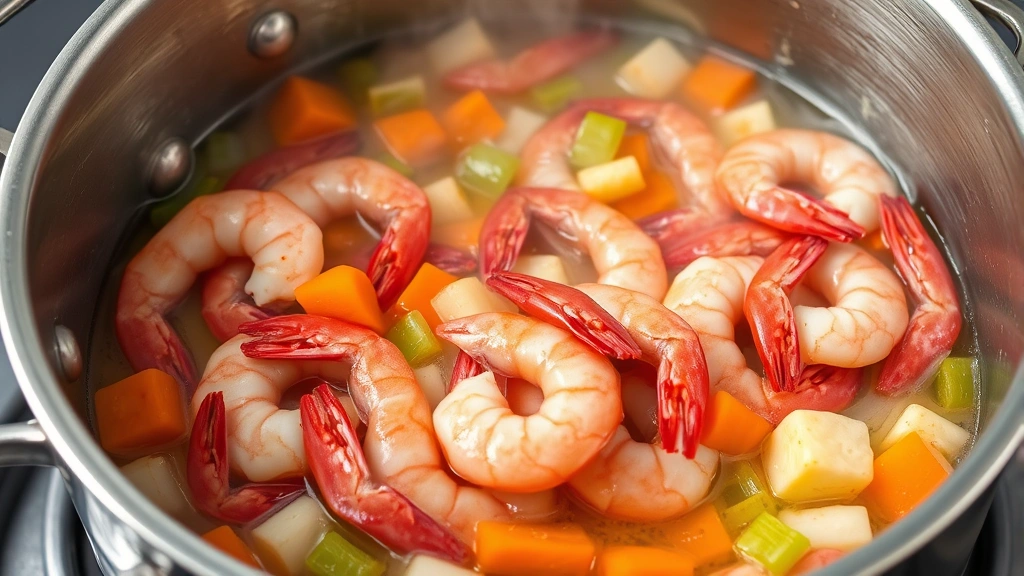
- Add shrimp shells and cook for 3-4 minutes, stirring occasionally, until shells turn pink and fragrant
- Add roughly chopped onion, celery, and carrots; cook for 5 minutes until vegetables begin to soften
- Stir in tomato paste and cook for 2 minutes, allowing it to caramelize slightly on the bottom of the pot
- If using brandy, carefully add it and let it reduce by half (about 3 minutes) to burn off the alcohol
- Pour in white wine and let it reduce by one-third
- Add your 6 cups of stock and bring to a boil, then immediately reduce to a gentle simmer
- Simmer for 25-30 minutes, skimming any foam that rises to the surface with a fine-mesh strainer
- Strain through a fine-mesh sieve, pressing gently on solids to extract all liquid; discard solids
Roux and Flavor Building Phase (10-12 minutes):
- In the same pot, melt remaining 2 tablespoons butter over medium heat
- Add finely diced onion and cook for 3-4 minutes until translucent but not browned
- Add minced garlic and cook for 30 seconds until fragrant
- Sprinkle flour over the butter and onions, stirring constantly for 2-3 minutes to create a blonde roux (it should smell nutty, not raw)
- Slowly pour in your strained shrimp stock while whisking continuously to prevent lumps
- Bring the mixture to a gentle boil, then reduce heat and simmer for 10 minutes, stirring occasionally
Mastering the Shrimp Stock Base
The shrimp stock is the foundation of your bisque, and this is where professional technique truly matters. Many home cooks make the mistake of boiling their stock vigorously, which causes the proteins to break down into small particles that cloud the liquid. Instead, you want a gentle simmer that extracts flavor without creating cloudiness.
The shells contain a compound called astaxanthin, which gives shrimp their pink color and contributes significantly to the soup’s flavor profile. When you cook the shells at the beginning with butter, you’re performing what chefs call “building a fond,” which creates caramelized flavor compounds that stick to the pot bottom. This fond is liquid gold for your bisque.
Many chefs recommend toasting the shells in a dry pan first before adding butter, which intensifies the flavor even further. However, this step adds another 10 minutes to your cooking time. The choice depends on whether you’re optimizing for speed or maximum flavor intensity.
Your stock should simmer for at least 25 minutes. Some professional chefs extend this to 45 minutes for even deeper flavor, though diminishing returns apply after about 30 minutes. The color should deepen from pale pink to a rich coral-orange hue.
Creating the Perfect Roux and Building Flavor
The roux serves two purposes: it thickens the bisque to the proper consistency and acts as a carrier for fat-soluble flavors. A blonde roux, which is what you want for bisque, cooks for just 2-3 minutes. If your roux browns beyond a light tan color, it will impart a nutty, slightly burnt flavor that overpowers the delicate shrimp taste.
When adding stock to your roux, the temperature differential matters. Hot stock added to hot roux creates less lumping than cold stock would. Whisk constantly and pour slowly, adding perhaps a quarter of your stock first while whisking vigorously, then add the remaining stock more confidently once a smooth paste forms.
After combining roux and stock, the mixture will be quite thin. This is correct. You’ll achieve proper thickness through two mechanisms: the roux thickens the base, and the cream added at the end further thickens while adding richness. If you add cream to a roux-thickened base that’s too thick already, your bisque becomes heavy and cloying rather than luxuriously creamy.
The 10-minute simmer after combining roux and stock allows the flour to fully hydrate and thicken the liquid. This is also when you add your herbs—fresh thyme or tarragon work beautifully. Dried herbs can be used, but reduce the quantity by two-thirds, as they’re more concentrated.
Finishing Touches and Serving Suggestions
Finishing the Bisque (5-7 minutes):
- Pat shrimp dry with paper towels and season lightly with salt and white pepper
- Heat 1 tablespoon butter in a separate skillet over medium-high heat
- Sauté shrimp for 2-3 minutes per side until pink and just cooked through (shrimp continues cooking residually)
- Remove shrimp and roughly chop or leave whole depending on your preference
- Slowly add cold heavy cream to your simmering bisque while stirring gently
- Never allow the bisque to boil after adding cream, as high heat can cause it to break
- Taste and adjust seasoning with salt, white pepper, and a pinch of cayenne
- Gently fold in cooked shrimp and cook for just 1-2 minutes to heat through
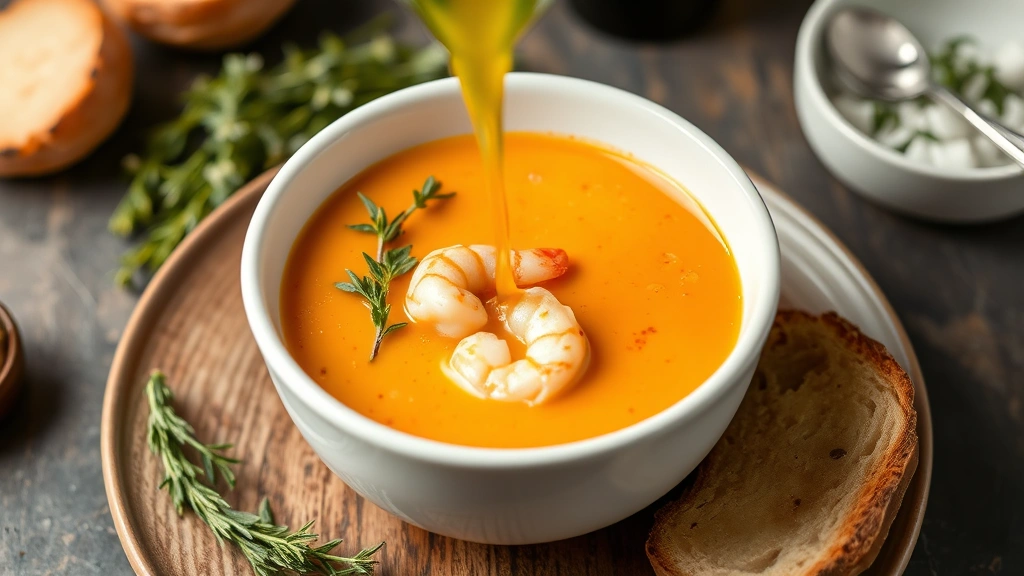
The presentation of your bisque matters as much as the taste. Serve in warmed bowls (warm them by filling with hot water 5 minutes before serving, then emptying). A drizzle of truffle oil, a dollop of crème fraîche, or some fresh chives add elegance without overwhelming the delicate flavor.
Complementary sides include pickled red onions for brightness, crusty bread for dipping, or a simple green salad dressed with vinaigrette. If you’re looking for textural contrast, consider pairing with toasted croutons or crispy shrimp crackers.
For an Asian-inspired twist on bisque service, explore Asian recipes that might incorporate ginger or lemongrass into your stock. This creates an interesting fusion that maintains the bisque’s elegance while adding unexpected depth.
Professional Tips from Executive Chefs
Temperature Control is Critical: Professional kitchens maintain precise temperatures throughout the cooking process. Your stock should never boil vigorously; a gentle simmer produces superior results. Similarly, after adding cream, keep your bisque below a simmer. If you see small bubbles forming around the edges, that’s the maximum heat you want.
According to Serious Eats’ culinary science resources, the proteins in cream denature and separate when exposed to prolonged high heat, causing the soup to break into an unappetizing, curdled appearance. This is the most common mistake home cooks make with cream-based soups.
Stock Quality Determines Success: If you can make your own seafood stock from fish bones and aromatics, do so. Store-bought stock often contains excessive sodium and lacks the subtle flavor that homemade provides. However, a good quality, low-sodium store-bought option beats poor homemade stock.
Straining Technique: Some chefs strain their bisque through cheesecloth for an ultra-smooth texture, though this is optional. Others use an immersion blender to puree the vegetables directly into the soup, creating a thicker, more rustic bisque. Both approaches are valid; choose based on your preferred texture.
Make-Ahead Considerations: You can prepare your shrimp stock and roux-based bisque base up to 24 hours ahead. Store separately in the refrigerator. When ready to serve, reheat the base gently, add cold cream slowly while stirring, and cook your shrimp fresh just before serving. This approach saves significant time when entertaining.
Flavor Building Layers: Professional chefs understand that flavor develops in layers. Your first layer comes from toasted shells, the second from caramelized aromatics, the third from wine reduction, and the fourth from the shrimp-infused stock itself. Never skip steps in pursuit of speed; each step builds complexity that creates the “wow” factor when guests taste your bisque.
For advanced techniques, explore The Spruce Eats’ detailed cooking guides, which cover advanced soup-making techniques used in professional kitchens.
Substitutions and Variations: While this recipe focuses on shrimp, the same technique applies to lobster bisque (use lobster shells and meat) or crab bisque (use crab shells and claw meat). You can also reduce the cream to 3/4 cup and add a splash of sherry or Madeira for additional complexity. Some chefs finish with a small amount of shrimp roe for textural interest, though this is an advanced technique.
If you’re interested in other preserved and prepared ingredients that pair well with bisque, check out this guide on how to make homemade pickles, which could lead to creating your own preserved vegetables as accompaniments.
FAQ
Can I make shrimp bisque ahead of time?
Yes, absolutely. Prepare your stock and the roux-based soup base up to 24 hours ahead. Store them separately in airtight containers in the refrigerator. When serving, reheat gently, add cold cream slowly while stirring, and cook fresh shrimp just before serving. Never refrigerate a finished bisque with cream already added, as the texture degrades.
My bisque broke and looks curdled. Can I fix it?
This happens when cream is exposed to temperatures above 160°F. You can sometimes salvage it by removing the pot from heat and whisking in a tablespoon of cold cream or crème fraîche. However, prevention is easier than correction. Always add cream to a gently simmering (not boiling) soup and keep temperatures moderate after cream is incorporated.
Is it necessary to use brandy or cognac?
No, it’s optional, though it adds sophistication and depth. If you prefer to omit alcohol entirely, simply skip the brandy step and proceed with white wine. The wine provides sufficient acidity and flavor. Some cooks use a splash of sherry instead for a different flavor profile.
Can I use frozen shrimp for this recipe?
Yes, but thaw them completely first and pat them thoroughly dry. Fresh shrimp produce slightly better results, but quality frozen shrimp work well. The shells from frozen shrimp are equally flavorful for stock-making.
What’s the difference between bisque and cream soup?
Bisque specifically uses crustacean shells to create an intensely flavored stock and traditionally contains rice or other thickeners ground into the mixture. Modern bisque often uses roux instead of rice. Cream soups are broader category that might use any protein and rely on cream for richness without necessarily featuring shellfish.
How long does homemade shrimp bisque keep?
Store finished bisque in an airtight container for up to 3 days. The stock base (without cream) keeps for 4-5 days. You can also freeze the stock base for up to 3 months, but freezing cream-based finished bisque is not recommended, as the texture separates upon thawing.
What wine should I use?
A dry white wine like Sauvignon Blanc, Pinot Grigio, or Chablis works perfectly. Avoid oaky wines or sweet wines, as they overpower the delicate shrimp flavor. The wine should be something you’d drink; never cook with wine you wouldn’t drink.
Can I reduce the cream content for a lighter version?
Absolutely. You can use 3/4 cup cream instead of 1 cup, or even substitute half the cream with crème fraîche or Greek yogurt for a tangier version. The bisque will be slightly less rich but still delicious. Adjust gradually and taste as you go.


