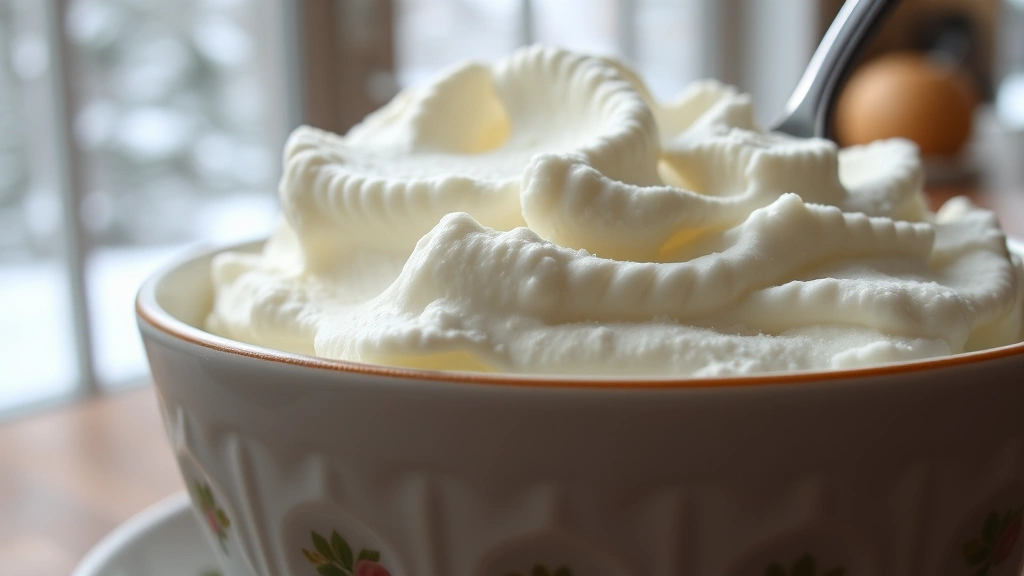
Snow Cream Delight: Grandma’s Secret Recipe
There’s something magical about snow cream that transports us back to simpler times, when homemade frozen treats were a winter tradition rather than a luxury. This delightful dessert, passed down through generations, requires just a handful of ingredients and a willingness to embrace the joy of creating something special from fresh, clean snow. Whether you’re introducing this nostalgic treat to your family for the first time or recreating a cherished memory, understanding the secrets behind grandma’s snow cream recipe will elevate your winter dessert game.
Snow cream stands apart from traditional ice cream because it captures the essence of winter magic without requiring an ice cream maker or hours of churning. The fluffy, delicate texture comes from the combination of fresh snow, sweetened condensed milk, vanilla extract, and a touch of cream. Many families have their own variations, but the fundamental technique remains unchanged: transform pristine snow into a cloud-like frozen dessert that tastes like winter itself. Learning this recipe means preserving culinary heritage while creating moments of pure joy with loved ones.
What Is Snow Cream and Why It’s Special
Snow cream is a nostalgic frozen dessert that transforms clean, fresh snow into a creamy treat using simple ingredients. Unlike regular ice cream, which requires churning and precise temperature control, snow cream comes together quickly through a straightforward mixing process. The texture is lighter and airier than traditional ice cream, with an almost ethereal quality that feels like eating flavored clouds.
What makes this dessert truly special is its connection to family traditions and simpler times. Before modern refrigeration and commercial ice cream became commonplace, families gathered snow during winter months to create this magical treat. The experience of making snow cream together—from collecting pristine snow to mixing the sweet custard base—creates lasting memories that store-bought ice cream simply cannot replicate. Many grandmothers have perfected their snow cream recipes over decades, tweaking ratios and experimenting with flavorings until achieving the perfect consistency and taste.
The science behind snow cream is fascinating. When you combine cold snow with sweetened condensed milk and cream, the mixture undergoes a transformation. The snow acts as a natural freezing agent while the milk and cream create a smooth, luxurious texture. The result is a dessert that’s both refreshingly cold and surprisingly creamy, with a delicate mouthfeel that melts on your tongue.
Essential Ingredients for Authentic Snow Cream
Creating grandma’s snow cream requires surprisingly few ingredients, which is part of its charm. The quality of each component matters tremendously, as there’s nowhere for inferior ingredients to hide in such a simple recipe.
Fresh, Clean Snow: This is non-negotiable. Use only snow that has fallen fresh, collected from a clean surface away from roads, pollution, and contaminants. Never use snow that’s been sitting for days or exposed to dirt. The best snow cream comes from the first clean snowfall of the season, collected early in the morning before it’s had time to accumulate dust and debris.
Sweetened Condensed Milk: This ingredient provides both sweetness and the creamy base that distinguishes snow cream from a frozen snow cone. The condensed milk’s thickness and richness transform plain snow into a luxurious treat. Don’t substitute evaporated milk or regular milk, as they won’t produce the same velvety texture.
Heavy Cream: Adding cream elevates the dessert from simple to sublime. The fat content creates that signature smooth mouthfeel and helps prevent the mixture from becoming too icy. Fresh, cold cream works best.
Vanilla Extract: Pure vanilla extract provides the classic flavor that makes snow cream instantly recognizable. Some grandmothers use double vanilla for extra depth, while others keep it minimal to let the snow’s natural delicacy shine through.
Optional Additions: Salt enhances the overall flavor profile, while sugar can be added if you prefer extra sweetness. Some families incorporate egg yolks for additional richness, though this requires using pasteurized eggs or heating the mixture to ensure food safety.
Step-by-Step Instructions for Perfect Snow Cream
Follow these detailed instructions to create snow cream that rivals grandma’s original recipe:
Step 1: Collect Your Snow
Begin by gathering fresh, clean snow in a large, clean bowl or container. You’ll need approximately 8 cups of loosely packed snow for a standard batch. Collect snow from areas away from roads and trees, and avoid any snow that appears discolored. Pack it loosely rather than compacting it, as you want to maintain the snow’s light, airy structure.
Step 2: Prepare Your Sweetened Mixture
In a separate bowl, combine one 14-ounce can of sweetened condensed milk with one cup of heavy cream. Add two teaspoons of pure vanilla extract and a pinch of salt. Whisk these ingredients together until well combined. Some cooks prefer to add one tablespoon of sugar at this stage for enhanced sweetness, though the condensed milk typically provides sufficient sweetness for most palates.
Step 3: Combine Snow and Mixture
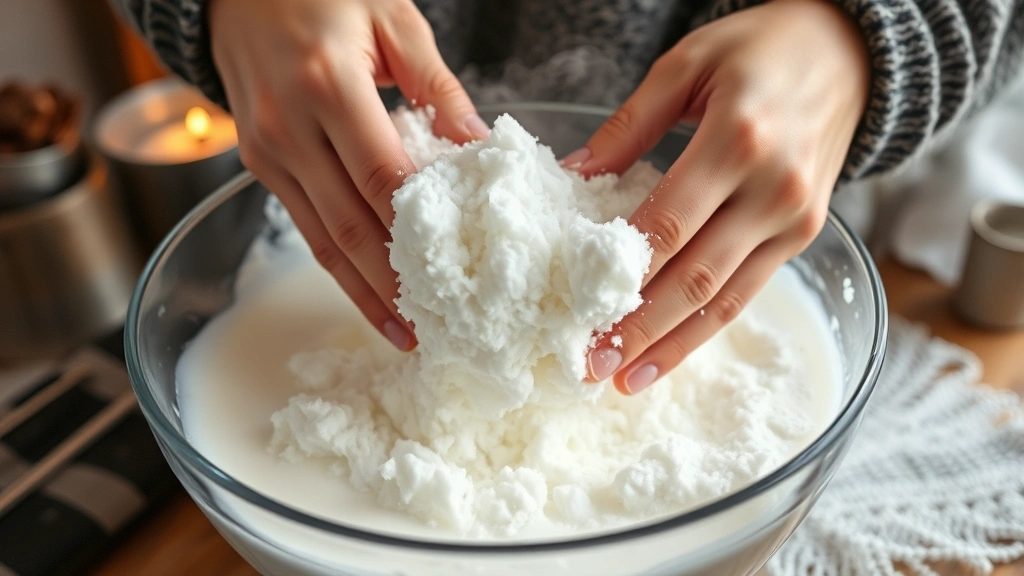
Working quickly to prevent the snow from melting, pour the sweetened cream mixture over the snow. Using a sturdy spoon or spatula, fold the mixture together gently but thoroughly. The key is combining the ingredients while maintaining the snow’s fluffy texture. Stir until the entire batch reaches a uniform consistency resembling soft-serve ice cream.
Step 4: Serve Immediately
Snow cream is best enjoyed immediately after preparation, while it maintains its perfect texture. Serve in chilled bowls or cones, and consider adding toppings like sprinkles, chocolate sauce, or crushed cookies if desired.
Pro Tips from Grandma’s Kitchen
Experienced cooks who’ve perfected classic family recipes share these invaluable tips for snow cream success:
Work Quickly: Time is your enemy when making snow cream. The warmer your kitchen, the faster the snow melts. Keep everything as cold as possible, and work with determination to combine ingredients before melting becomes problematic. Some grandmothers even chill their bowls and utensils in the freezer beforehand.
Use Quality Vanilla: Pure vanilla extract makes a noticeable difference compared to imitation vanilla. The superior flavor profile elevates the entire dessert, making it taste closer to what grandma created decades ago.
Don’t Overmix: While you want thorough combination, excessive stirring can break down the snow’s delicate structure, resulting in a denser, icier texture. Fold gently and stop as soon as the mixture reaches uniform consistency.
Adjust Sweetness to Preference: If you prefer a less sweet snow cream, reduce the condensed milk slightly or add an extra half-cup of cream. Conversely, if you like it sweeter, incorporate additional sugar gradually until reaching your desired taste.
Consider Temperature: The colder your ingredients and surroundings, the better. Make snow cream on the coldest days of winter, and keep your mixing bowl in the freezer for at least 30 minutes before use.
Experiment with Ratios: While the basic recipe is fairly standard, slight variations in the ratio of snow to cream mixture can significantly affect the final product. Some prefer a creamier version with more condensed milk, while others enjoy a lighter, snowier texture with less mixture.
Flavor Variations to Try
Once you’ve mastered the classic snow cream recipe, exploring variations keeps this winter tradition exciting. The beauty of snow cream lies in its versatility and ability to accept various flavor additions without compromising its essential character.
Strawberry Snow Cream: Add fresh strawberry puree or strawberry syrup to your sweetened milk mixture before combining with snow. Fresh berries create a more delicate flavor than artificial syrups, though both produce delicious results. This variation pairs beautifully with simple dessert preparations that balance rich and light components.
Chocolate Snow Cream: Incorporate cocoa powder and a touch of melted chocolate into your cream mixture. Some families add chocolate syrup instead, creating a richer, more indulgent version. The chocolate flavor complements the delicate snow beautifully.
Maple Snow Cream: Substitute pure maple syrup for some of the condensed milk, creating an earthy, sophisticated flavor profile. This variation resonates particularly well in northern regions where maple syrup production is part of local heritage.
Cinnamon Spice Snow Cream: Add ground cinnamon, nutmeg, and a hint of cloves to create a warming, spiced version perfect for cold winter evenings. This variation connects to traditions of hot spiced beverages enjoyed during winter months.
Peppermint Snow Cream: A few drops of peppermint extract combined with crushed candy canes creates a festive holiday version. The cooling sensation of peppermint contrasts beautifully with the frozen snow cream base.
Coffee Snow Cream: For adults, strong brewed coffee or espresso powder mixed into the cream mixture creates a sophisticated flavor. This variation appeals to coffee enthusiasts seeking an elegant frozen treat.
Storage and Serving Suggestions
While snow cream is ideally consumed immediately after preparation, understanding storage options ensures you can enjoy it throughout winter.
Immediate Serving: The optimal time to enjoy snow cream is within 15-30 minutes of preparation. At this point, the texture is perfect—creamy yet light, cold yet not rock-hard. Serve in chilled bowls to maintain temperature.
Temporary Storage: If you must delay serving, transfer your prepared snow cream to an airtight container and place it in your freezer. It will harden over time but remains enjoyable for several hours. Before serving frozen snow cream, allow it to soften slightly at room temperature for a few minutes to restore some of that signature creamy texture.
Topping Ideas: Enhance your snow cream with thoughtful toppings. Fresh whipped cream, chocolate sauce, caramel drizzle, crushed cookies, sprinkles, chopped nuts, and fresh fruit all complement the delicate base beautifully. Consider creating a topping bar where family members customize their bowls.
Serving Temperature: Snow cream should be served immediately after preparation when it’s at its optimal texture. If it begins to melt, return it to the freezer briefly to re-firm. The goal is achieving that perfect soft-serve consistency that characterizes grandma’s snow cream.
Pairing Suggestions: Snow cream pairs wonderfully with warm desserts like fresh-baked cookies, brownies, or warm fruit pies. The contrast between warm and cold creates a memorable eating experience. Some families enjoy serving snow cream alongside homemade dessert sauces for added elegance.

Understanding the science of freezing point depression helps explain why snow cream works so effectively. When you combine snow (frozen water at 32°F or below) with sweetened condensed milk and cream, the mixture’s freezing point lowers due to the dissolved solids in the milk and cream. This phenomenon, called freezing point depression, prevents the mixture from becoming solid while maintaining its frozen state. The result is that perfect soft-serve consistency that defines snow cream.
For those interested in the culinary science behind frozen desserts, resources like The Culinary Institute of America offer detailed information about ice cream production and freezing techniques. Understanding these principles helps home cooks optimize their snow cream results.
Making snow cream connects us to generations of cooks who created magic from simple ingredients and natural resources. This recipe represents more than just a dessert—it’s a celebration of winter, family tradition, and the joy of creating something special together. Whether you’re making snow cream for the first time or continuing a family tradition, approaching the process with care and attention honors the legacy of grandmothers everywhere who perfected this beloved recipe.
The beauty of snow cream lies in its simplicity, accessibility, and the memories it creates. Unlike elaborate desserts requiring specialized equipment or rare ingredients, snow cream asks only for fresh snow, basic pantry staples, and a willingness to embrace winter’s gifts. This accessibility makes it perfect for families of all backgrounds and cooking skill levels, ensuring that grandma’s snow cream tradition can continue for generations to come.
FAQ
Can I make snow cream with artificial snow or ice?
No, artificial snow often contains chemicals and additives unsafe for consumption. Additionally, ice lacks the light, airy structure that makes snow cream special. Always use fresh, clean natural snow from your environment.
What if I don’t have sweetened condensed milk?
While sweetened condensed milk is ideal, you can substitute with a mixture of regular milk and sugar, though the texture will be slightly different. Combine 3/4 cup regular milk with 1/4 cup sugar and whisk until the sugar dissolves, then proceed with the recipe.
Is snow cream safe to eat?
Snow cream made with fresh, clean snow and pasteurized dairy products is safe. However, if you’re concerned about raw eggs (if your recipe includes them), use pasteurized eggs or omit them entirely. Always collect snow from clean areas away from roads and pollution.
How long can I store homemade snow cream?
Snow cream is best enjoyed immediately but can be frozen for up to 24 hours in an airtight container. After that, it begins to crystallize and lose its characteristic texture. Thaw slightly before serving if frozen solid.
Can I make snow cream indoors without real snow?
Yes, you can create a similar dessert using crushed ice blended to a snow-like consistency, though the texture will differ slightly. Alternatively, make traditional ice cream using slow-cooked custard bases or no-churn methods that don’t require fresh snow.
What’s the difference between snow cream and shaved ice desserts?
Snow cream contains dairy products that create a creamy, smooth texture, while shaved ice remains light and icy. Snow cream is richer and more indulgent, whereas shaved ice offers a refreshing, lighter option.
Can I prepare the sweetened mixture ahead of time?
Yes, you can prepare the sweetened condensed milk and cream mixture several hours in advance and refrigerate it. When fresh snow becomes available, simply combine the chilled mixture with the snow for immediate snow cream preparation.


