
Steak Pasta Delight: Chef’s Favorite Recipe for Impressive Home Dinners
There’s something undeniably elegant about combining two culinary favorites into one spectacular dish. Steak pasta recipes have become a staple in restaurant kitchens and home cooking alike, offering a perfect marriage of tender, savory beef with silky pasta and rich sauces. This chef-approved steak pasta delight transforms simple ingredients into a restaurant-quality meal that will impress your family and guests.
Whether you’re planning a special date night or looking to elevate your weeknight dinner routine, this recipe delivers sophisticated flavors without requiring professional-level cooking skills. The key lies in understanding proper steak preparation, sauce development, and pasta cooking techniques that work together harmoniously. Let’s explore how to create this stunning dish in your own kitchen.
Selecting the Perfect Steak Cut
The foundation of any exceptional steak pasta recipe begins with choosing the right cut of beef. Not all steak cuts work equally well when combined with pasta, so understanding the characteristics of different options is crucial for success. The best cuts for this dish are those with excellent marbling and tenderness that can be cooked quickly without becoming tough.
Ribeye stands out as the premier choice for steak pasta dishes. This cut features abundant intramuscular fat that melts during cooking, creating incredibly tender, flavorful meat. The fat content also contributes rich, beefy notes that complement pasta sauces beautifully. When selecting a ribeye, look for steaks that are at least one inch thick, with good marbling throughout the meat.
New York strip offers another excellent option with a slightly leaner profile than ribeye but still delivering exceptional tenderness. This cut provides a cleaner, more pronounced beef flavor that works wonderfully in protein-rich pasta dishes. The strip’s structure makes it ideal for slicing after cooking, which works perfectly for combining with pasta.
Filet mignon, while luxuriously tender, tends to be less flavorful than ribeye or strip due to lower fat content. If you choose filet mignon for your steak pasta recipe, consider using a richer sauce or adding additional umami elements like aged balsamic vinegar or truffle oil to compensate.
Avoid thin steaks for this dish—aim for steaks that measure between one and one-and-a-half inches thick. Thicker cuts develop a beautiful crust while maintaining a perfectly pink interior. When purchasing, ask your butcher to cut steaks to your specifications and select pieces with consistent thickness for even cooking.
Essential Ingredients and Flavor Profile
Creating a memorable steak pasta dish requires quality ingredients that work in harmony. Beyond the steak itself, you’ll need carefully selected components that build layers of flavor throughout the cooking process. Understanding how each ingredient contributes to the final dish helps you make informed substitutions if necessary.
For the steak:
- 2 ribeye or New York strip steaks (8-10 ounces each)
- Kosher salt and freshly ground black pepper
- 2 tablespoons butter
- 4 cloves garlic, minced
- Fresh rosemary and thyme sprigs
For the pasta and sauce:
- 1 pound high-quality pasta (fettuccine or pappardelle recommended)
- 1 cup heavy cream
- ½ cup beef broth
- ¼ cup red wine (dry Cabernet or Merlot)
- 3 tablespoons extra-virgin olive oil
- 2 shallots, finely minced
- 8 ounces mushrooms, sliced
- 2 tablespoons balsamic vinegar
- 1 teaspoon Dijon mustard
- Parmesan cheese, freshly grated
- Fresh parsley for garnish
The flavor profile of this steak pasta recipe balances richness with brightness. The umami-forward beef combines with earthy mushrooms, while the cream sauce provides luxurious texture. Red wine adds acidity and complexity, while fresh herbs brighten the overall composition. This balance prevents the dish from feeling heavy despite its rich components.
Preparation and Cooking Techniques
Proper preparation determines the success of your steak pasta recipe. The cooking process requires attention to timing and temperature, particularly when working with expensive cuts of beef. Following these techniques ensures you achieve restaurant-quality results consistently.
Remove steaks from refrigeration approximately 30 minutes before cooking. This crucial step allows the meat to reach room temperature, ensuring even cooking throughout. Cold meat straight from the refrigerator will cook unevenly, with a overcooked exterior and undercooked center.
Pat steaks completely dry using paper towels. Moisture on the surface inhibits browning, a critical step for developing the flavorful crust that defines an excellent steak. Don’t skip this step—it makes a measurable difference in the final result.
Season generously with kosher salt and freshly ground black pepper just before cooking. Some cooks season earlier, but research suggests salt applied immediately before cooking creates the best crust. Season both sides evenly, and don’t be shy—kosher salt is larger and less dense than table salt, so you need more for proper seasoning.
Preheat your cooking surface until it’s smoking hot. Use a cast iron skillet or heavy stainless steel pan for optimal heat retention and browning. A properly preheated surface creates the Maillard reaction that produces the coveted brown crust.
Sear steaks for 3-4 minutes per side without moving them. Resist the temptation to flip frequently—undisturbed cooking creates better browning. After searing both sides, reduce heat to medium and add butter, garlic, and fresh herbs. Baste the steaks with the foaming butter for 2-3 minutes, which adds flavor and helps achieve perfect doneness.
Monitor internal temperature using an instant-read meat thermometer. For medium-rare, remove steaks when they reach 130-135°F (54-57°C). Remember that carryover cooking will raise the temperature 5-10 degrees as the meat rests, so remove steaks slightly before your target temperature.
Rest steaks for 5-10 minutes on a warm plate before slicing. Resting allows muscle fibers to relax and reabsorb juices, resulting in more tender, juicier meat. This step is non-negotiable for achieving the texture that makes steak pasta recipes so satisfying.

Creating the Perfect Sauce
The sauce transforms your steak pasta recipe from good to extraordinary. A well-constructed sauce coats the pasta beautifully and complements the beef without overwhelming its natural flavors. Understanding sauce construction principles helps you adjust the recipe based on your preferences.
Start with aromatics: Heat olive oil in a separate pan over medium heat and sauté minced shallots until softened and translucent, approximately 2-3 minutes. Shallots provide more subtle onion flavor than regular onions and dissolve into the sauce, creating a smooth texture. Add sliced mushrooms and cook until they release their moisture and begin to brown, about 5-7 minutes. This step develops deep, earthy flavors that ground the dish.
Deglaze the pan: Pour in red wine and use a wooden spoon to scrape up browned bits from the pan bottom—these concentrated flavors are called the fond and contain tremendous umami. Simmer the wine for 2-3 minutes to reduce by half and cook off harsh alcohol flavors, leaving behind complex wine notes.
Build the sauce body: Add beef broth and bring to a simmer. The broth contributes additional savory depth that complements the steak perfectly. Simmer for 5 minutes to allow flavors to meld. Whisk in balsamic vinegar and Dijon mustard—the vinegar adds brightness while the mustard provides subtle sharpness that enhances beef flavors without being obvious.
Add cream carefully: Reduce heat to low and slowly pour in heavy cream while stirring constantly. This prevents the cream from curdling, which happens when cream is exposed to high temperatures too quickly. Stir until fully incorporated and simmer for 2-3 minutes until the sauce reaches a silky consistency that coats the back of a spoon.
Season to taste: Add salt and pepper carefully—remember that you’ll be combining this sauce with salted pasta water and cheese, both of which add saltiness. Taste as you season to avoid over-salting the final dish.
The sauce should be rich but not heavy, with balanced acidity that prevents the cream from feeling cloying. If your sauce seems too thick, thin it with pasta water or broth. If too thin, simmer uncovered for a few additional minutes to reduce and concentrate flavors.
Pasta Selection and Cooking Methods
Choosing the right pasta shape for your steak pasta recipe affects how the sauce adheres to the noodles and how the dish feels when eaten. Wider, flatter pasta shapes work best with rich, chunky sauces like this one.
Fettuccine is the classic choice for steak pasta recipes. The wide ribbons catch and hold sauce beautifully, and the texture complements tender beef perfectly. Fresh fettuccine cooks in just 2-3 minutes and has a delicate texture that works well with cream sauces.
Pappardelle, an even wider ribbon pasta, creates an elegant presentation and accommodates the sauce generously. This rustic shape feels luxurious and works wonderfully in restaurant-style presentations. Pappardelle pairs particularly well with hearty, meat-based sauces.
Tagliatelle offers a middle ground between fettuccine and pappardelle, providing excellent sauce adhesion without being as wide as pappardelle. This versatile shape works beautifully in most steak pasta recipes.
Avoid thin, delicate shapes like angel hair or spaghetti for this dish—they can become lost in the rich sauce and don’t provide adequate structure for combining with steak. Similarly, small shapes like penne or rigatoni don’t showcase the sauce as elegantly.
Cooking pasta properly is essential for successful steak pasta recipes. Bring a large pot of salted water to a rolling boil—the water should taste like the sea. Add pasta and stir occasionally to prevent sticking. Fresh pasta cooks in 2-3 minutes, while dried pasta typically requires 8-12 minutes depending on thickness. Test for doneness by tasting—the pasta should be al dente, tender but with a slight resistance when bitten.
Reserve approximately one cup of pasta cooking water before draining. This starchy water is invaluable for adjusting sauce consistency and helps emulsify the sauce, creating a more cohesive dish. Many professional chefs consider pasta water as important as the other sauce ingredients.
Combine pasta and sauce in the pan with the sauce rather than on individual plates. This allows the pasta to absorb sauce flavors and helps achieve the silky texture characteristic of restaurant-quality pasta dishes. Add pasta to the sauce, toss gently, and add pasta water as needed to achieve a consistency where sauce lightly coats each strand.
Assembly and Plating Tips
The final assembly of your steak pasta recipe determines the visual appeal and eating experience. Professional plating techniques elevate home cooking and make the dish feel special.
Slice the rested steaks against the grain into ½-inch thick strips. Slicing against the grain shortens muscle fibers, making each bite more tender. Look at the steak’s muscle structure and cut perpendicular to the visible lines.
Warm serving plates in a 200°F oven for 5 minutes before plating. Hot plates keep the dish at optimal temperature longer and enhance the dining experience. Cold plates cool food too quickly and make the sauce congeal.
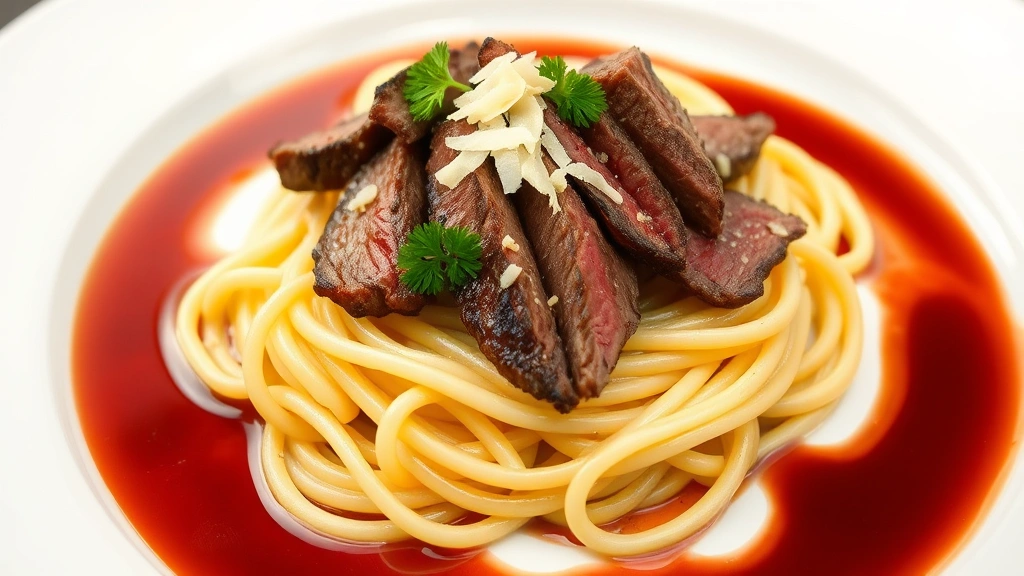
Create the base: Use tongs to twirl a portion of pasta into a nest and place it in the center of the warm plate. This technique looks professional and contains the pasta neatly. Alternatively, use a pasta fork to arrange noodles in a mound.
Top with steak: Arrange sliced steak strips on top of or alongside the pasta. Lean the strips slightly for visual interest and to showcase the beautiful color of the cooked meat. You can also nestle steak pieces within the pasta for a more integrated presentation.
Garnish thoughtfully: Sprinkle fresh grated Parmesan cheese over the top—use a microplane grater for fine, delicate shavings that melt slightly into the warm pasta. Add fresh parsley for color contrast and a hint of freshness. A crack of freshly ground black pepper adds visual appeal and flavor.
Spoon extra sauce around the plate’s edge rather than drowning the pasta. This technique showcases your plating skills and allows diners to add more sauce if desired. Remember that some sauce should remain on the pasta itself—aim for a balance between coverage and elegance.
Serve immediately while everything is at optimal temperature. Unlike some dishes that can sit briefly, steak pasta recipes are best enjoyed fresh from the pan.
Wine Pairing and Serving Suggestions
Selecting the right wine to serve alongside your steak pasta recipe enhances the entire dining experience. The wine you use in the sauce itself should also be the wine you serve with dinner—this creates flavor harmony throughout the meal.
Red wine pairings: Cabernet Sauvignon is the classic choice, offering bold tannins and dark fruit flavors that complement beef beautifully. Merlot provides softer tannins and slightly sweeter fruit notes. Malbec from Argentina offers excellent value and pairs wonderfully with rich pasta dishes. Avoid overly acidic or tannic wines that might clash with the cream sauce.
Consider the sauce composition: The cream in your steak pasta recipe calls for wines with enough structure to cut through richness. Avoid light, delicate wines that will be overwhelmed. The mushrooms and balsamic vinegar in the sauce work particularly well with wines that have earthy undertones.
Serving temperature matters: Serve red wines slightly cooler than room temperature—around 60-65°F (15-18°C). This temperature range allows flavor compounds to express themselves without alcohol becoming too prominent. If your wine is too warm, chill it for 15 minutes in the refrigerator before serving.
Complement your steak pasta recipe with simple side dishes that don’t compete for attention. A fresh green salad with simple vinaigrette cleanses the palate between bites. Crusty bread for soaking up sauce is always appreciated. Avoid heavy sides that would make the meal feel overly filling.
Dessert considerations: After a rich steak pasta dish, lighter desserts work best. Consider homemade ice cream for a refreshing finish, or explore options like peach ice cream for seasonal elegance. If you prefer something more indulgent, homemade cookies paired with coffee provide a satisfying conclusion.
FAQ
Can I make this steak pasta recipe ahead of time?
The sauce can be prepared several hours ahead and gently reheated before serving. However, steaks should be cooked fresh just before serving, and pasta should be cooked while the steak rests. Preparing sauce in advance actually improves flavors as ingredients have time to meld. Store sauce in an airtight container in the refrigerator for up to three days.
What if I don’t have heavy cream?
You can substitute with half-and-half, though the sauce will be less rich. Alternatively, use crème fraîche or sour cream, but add these at the end of cooking off-heat to prevent curdling. For a lighter version, reduce cream quantity by half and increase beef broth accordingly, though this changes the dish’s character significantly.
How do I know when my steak is done?
Use an instant-read meat thermometer inserted into the thickest part of the steak without touching bone. For medium-rare, target 130-135°F (54-57°C) before resting. Remember that temperature continues rising by 5-10 degrees during resting, so remove the steak slightly before your desired final temperature. Visual cues like color and firmness develop with experience but thermometers provide accuracy.
Can I use a different pasta shape?
While fettuccine and pappardelle are ideal, you can use other wide ribbon pastas successfully. Avoid thin shapes like spaghetti or angel hair, which don’t hold sauce well. Rigatoni or penne can work in a pinch, though the presentation differs from traditional steak pasta recipes.
What should I do if my sauce breaks or curdles?
If cream-based sauce curdles, remove it from heat immediately and whisk in a tablespoon of cold cream or milk. This often rescues the sauce. For future reference, always add cream to a warm (not hot) sauce off-heat, stirring constantly. If the sauce breaks irreparably, strain it through a fine-mesh sieve and start with a fresh cream addition.
Can I substitute beef with other proteins?
Absolutely. This recipe works beautifully with lamb, venison, or even duck breast. Cooking times may vary based on protein choice. Fish and lighter proteins would require sauce adjustments to avoid overpowering delicate flavors, so beef-forward sauces work best with beef, lamb, or game meats.
How far in advance can I prepare ingredients?
Slice mushrooms and mince shallots up to 8 hours ahead, storing in airtight containers in the refrigerator. Remove steaks from refrigeration only 30 minutes before cooking—don’t prepare them earlier. Pasta water should be brought to boil just before cooking pasta, as it loses its starchy quality as it cools.
Is this recipe suitable for meal prep?
The sauce freezes excellently for up to three months, making this recipe practical for batch cooking. Thaw sauce overnight in the refrigerator and reheat gently. However, steaks and pasta should always be prepared fresh for optimal quality. Consider this recipe ideal for special occasions rather than regular meal prep.


