
Sushi Bowl Recipe: Tested and Approved Method
A sushi bowl brings all the vibrant flavors and textures of traditional sushi without the rolling technique. This deconstructed approach makes sushi accessible to home cooks of any skill level, delivering restaurant-quality results in your own kitchen. Whether you’re meal prepping for the week or preparing a quick weeknight dinner, this tested sushi bowl recipe combines perfectly seasoned sushi rice, fresh vegetables, protein, and authentic toppings into one satisfying bowl.
What makes this method so reliable is the attention to detail at every step—from preparing properly seasoned rice to selecting the freshest ingredients and arranging them with care. You’ll discover that creating an impressive sushi bowl requires no special equipment, just quality ingredients and a straightforward technique that even beginners can master on their first attempt.
What You’ll Need for Your Sushi Bowl
Creating an excellent sushi bowl starts with gathering quality ingredients and understanding each component’s role. The foundation begins with short-grain sushi rice, which has the perfect starch content and texture to hold together while remaining distinct and flavorful. Unlike instant pot rice recipes that prioritize speed, sushi rice requires careful seasoning with rice vinegar, sugar, and salt to achieve authentic flavor.
Beyond rice, you’ll assemble fresh vegetables like cucumber, avocado, carrot, and leafy greens. Quality protein options include sushi-grade raw fish, cooked shrimp, or plant-based alternatives. Nori sheets (seaweed), sesame seeds, and wasabi round out your ingredient list. The beauty of this healthy food recipe lies in its flexibility—you control every element, ensuring nutritional balance and flavor preferences.
For equipment, you’ll need a rice cooker or pot, sharp knife, cutting board, small bowl for rice vinegar mixture, and serving bowls. A bamboo mat isn’t necessary for bowls, making this preparation significantly simpler than traditional sushi rolling.
Preparing Sushi Rice the Right Way
Sushi rice is the heart of your bowl, and proper preparation determines success. Begin with two cups of short-grain sushi rice, rinsing it thoroughly under cold water until the water runs clear. This removes excess starch that would otherwise make the rice gummy and unpleasant.
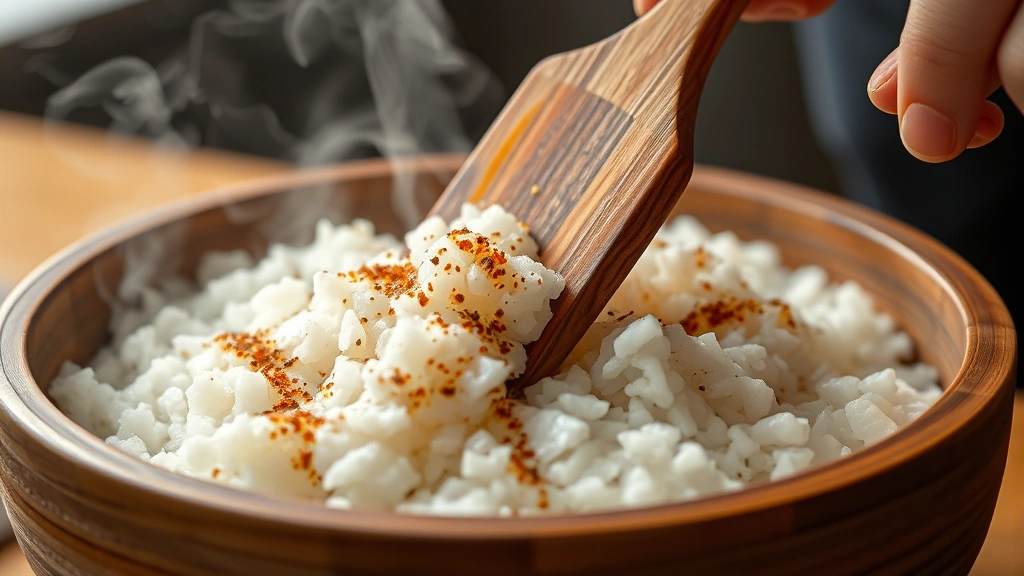
Cook the rice with two and one-quarter cups of water using your preferred method. Once cooked, transfer the hot rice to a large, shallow bowl—never a metal bowl, as the acid in the vinegar mixture can react with metal. While the rice is still steaming, prepare your seasoning mixture by combining three tablespoons of rice vinegar, two tablespoons of sugar, and one and one-half teaspoons of salt in a small saucepan. Heat gently until the sugar dissolves completely.
Pour the warm vinegar mixture over the hot rice and fold it in gently using a rice paddle or wooden spoon, using a cutting motion rather than stirring. This technique prevents crushing the individual grains. Fan the rice as you fold to help it cool and develop a slight shine. The entire process takes about ten minutes, and the rice must cool to room temperature before assembly. This careful approach differs from casual cooking methods but produces superior results that justify the minimal extra time invested.
Selecting and Prepping Fresh Ingredients
The quality of your vegetables directly impacts the final dish. Select firm cucumbers without soft spots, ripe but not overripe avocados, and vibrant orange carrots. For cucumbers, slice them lengthwise into thin strips, removing seeds if desired. Avocados should be sliced thinly and tossed lightly with lemon juice to prevent browning.
Carrots benefit from julienne cutting—thin matchstick pieces that add pleasant crunch. Many home cooks blanch carrots briefly to soften them slightly while maintaining crispness. Fresh greens like spinach, arugula, or mixed salad leaves provide nutritional value and textural contrast. If using raw spinach, consider wilting it slightly with a touch of sesame oil and soy sauce for added flavor complexity.
For protein preparation, sushi-grade fish requires sourcing from reputable fishmongers who specifically prepare fish for raw consumption. Ask your fishmonger about their sourcing and handling practices. Slice fish against the grain into half-inch pieces. If using cooked shrimp, ensure they’re high-quality and properly chilled. Vegetarian options like marinated tofu, tempeh, or roasted chickpeas work beautifully and align with best healthy recipes for plant-forward eating.
Assembling Your Perfect Sushi Bowl
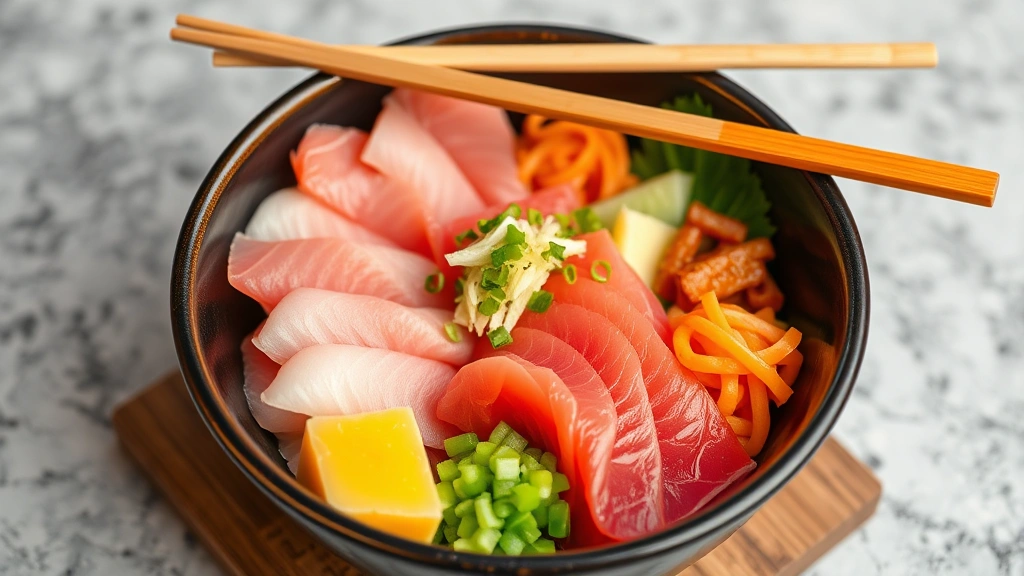
Assembly is where your sushi bowl comes together visually and functionally. Start with a base of cooled sushi rice in your serving bowl, pressing it gently to create an even foundation. Arrange your prepared ingredients in sections around the rice—this traditional presentation style makes the bowl visually appealing and allows diners to experience each flavor individually or combined.
Place cucumber slices in one section, avocado in another, and continue with remaining vegetables in a logical pattern. Position your protein prominently, as it’s often the most expensive component. Sprinkle sesame seeds across the top—use both white and black seeds for visual interest. Add nori strips by crumbling them gently or cutting them into thin ribbons just before serving.
The key to an impressive presentation is arranging ingredients in distinct sections rather than mixing them together. This approach mirrors authentic Japanese plating principles and allows diners to customize their bite ratios. The sushi bowl becomes both a meal and a visual experience.
Consider the color palette as you arrange ingredients. Vibrant greens, whites, oranges, and reds create an appetizing presentation that photographs beautifully. The arrangement takes just a few minutes but significantly elevates the dining experience.
Protein Options and Variations
While traditional sushi calls for raw fish, this sushi bowl recipe accommodates numerous protein preferences. Sushi-grade salmon offers rich flavor and beautiful color. Tuna provides a more delicate taste. If raw fish concerns you, cooked options deliver equally satisfying results.
Grilled shrimp adds sweetness and a pleasant textural contrast. Cooked crab meat or imitation crab provides accessibility and mild flavor. For those seeking warm proteins, consider adding ribeye roast sliced thinly and seared quickly, though this creates a fusion variation rather than traditional sushi.
Vegetarian preparations shine with marinated tofu, seasoned with soy sauce, mirin, and ginger. Roasted chickpeas seasoned with greek seasoning provide protein and interesting flavor. Tempeh, when properly prepared and marinated, offers a nutty complexity that complements sushi components beautifully.
The flexibility of this format means you can create different variations throughout the week. Monday might feature salmon, while Wednesday brings a vegetarian version, and Friday showcases shrimp. This adaptability makes sushi bowls perfect for meal planning and accommodating dietary preferences within a household.
Sauce and Condiment Guide
Sauces transform your sushi bowl from good to exceptional. Traditional wasabi provides heat and nasal-clearing intensity—use sparingly as a little goes far. Authentic wasabi root grated fresh offers superior flavor to powdered versions, though both work well.
Soy sauce remains the essential condiment, drizzled lightly over the assembled bowl. Low-sodium versions help control salt levels while maintaining umami depth. Tamari offers a gluten-free alternative with similar flavor profiles.
Sriracha mayo combines creamy richness with spicy kick—simply whisk together mayonnaise, sriracha sauce, and a squeeze of lime juice. Spicy mayo has become increasingly popular in modern sushi preparations and adds contemporary flair to traditional components.
Ginger, whether pickled or fresh, cleanses the palate between bites and aids digestion. A small pile of pickled ginger alongside your bowl provides both flavor and functional benefits. Sesame oil drizzled sparingly adds nutty depth without overwhelming delicate flavors.
For those seeking additional complexity, try ponzu sauce—a citrus-based mixture combining soy sauce, rice vinegar, and citrus juice. Eel sauce (unagi sauce) offers sweet and savory notes that complement many protein options. Experiment with different sauce combinations to discover your personal preferences.
Storage and Make-Ahead Tips
Sushi bowls offer excellent meal prep potential when stored properly. Cooked rice keeps refrigerated for up to four days, making it ideal for preparing multiple servings at once. Store rice in an airtight container, adding a small damp paper towel to maintain moisture without creating mushiness.
Prepare vegetables up to two days ahead, storing them in separate airtight containers to prevent flavor transfer and maintain individual textures. Keep avocado separate and add it just before serving to prevent browning. Raw fish should be stored in the coldest part of your refrigerator and used within one day of purchase.
When assembling bowls for meal prep, keep components separate until eating time. Transport rice in one container and arrange vegetables and protein just before consuming. This approach ensures optimal texture and flavor rather than creating a soggy, mixed bowl hours before eating.
If you have leftover proteins from other meals, repurposing them in sushi bowls extends their usefulness and reduces food waste. This flexibility makes sushi bowls economical and sustainable.
For freezing, cooked rice freezes well for up to three months in airtight containers. Thaw overnight in the refrigerator and gently reheat before serving. Vegetables don’t freeze well due to texture changes, so stick to fresh preparation for optimal results.
FAQ
Can I use regular white rice instead of sushi rice?
While possible, regular white rice won’t provide the same texture and flavor. Sushi rice’s short grain and higher starch content create the characteristic sticky yet distinct grain structure. The vinegar seasoning also absorbs differently, affecting the final taste. Investing in proper sushi rice significantly improves results.
Is sushi-grade fish necessary for raw fish bowls?
Yes, absolutely. Sushi-grade designation means the fish has been frozen at specific temperatures to eliminate parasites and is handled according to strict food safety standards. Never use regular grocery store fish for raw consumption. Purchase from reputable fishmongers who specialize in sushi-grade products.
How long do sushi bowls stay fresh?
Properly stored components last varying lengths: rice keeps four days, vegetables keep two to three days, and raw fish lasts one day maximum. Assemble bowls just before eating for best quality. Cooked proteins last three to four days when refrigerated properly.
Can I make this recipe vegan?
Absolutely. Use sushi rice and vegetables as your base, add marinated tofu or roasted chickpeas for protein, and prepare plant-based versions of traditional condiments. Nutritional yeast adds umami depth similar to traditional sauces.
What’s the best way to reheat leftover sushi rice?
Add a small amount of water (about one tablespoon per cup of rice) and microwave in thirty-second intervals, stirring between rounds. Alternatively, reheat gently in a pot over low heat, stirring frequently. Avoid high heat, which hardens the rice.
Can I prepare sushi rice the night before?
Yes. Prepare rice, cool it completely, and store in an airtight container refrigerated overnight. The flavor actually develops slightly as it sits. Bring to room temperature before assembling, or reheat gently if preferred warm.


