
Fresh Tomato Soup Recipe: Home Cook Approved
There’s nothing quite like a bowl of homemade tomato soup made from fresh, ripe tomatoes picked at peak season. This classic comfort dish transcends simple cooking—it’s about capturing the essence of summer in a warm, velvety bowl. Unlike canned soup varieties, fresh tomato soup delivers vibrant flavor, natural sweetness, and a texture that makes you feel like you’re eating something truly special. Whether you’re preparing this for a quiet weeknight dinner or serving it to guests, this recipe proves that the best soups start with quality ingredients and straightforward technique.
What makes this fresh tomato soup recipe so beloved by home cooks is its versatility and simplicity. You don’t need fancy equipment or obscure ingredients—just fresh tomatoes, aromatic vegetables, and a few pantry staples. The cooking process is forgiving, allowing you to adjust seasonings and consistency to match your preferences perfectly. Once you master this foundational recipe, you’ll discover endless variations and serving options that make it appropriate for any meal occasion.
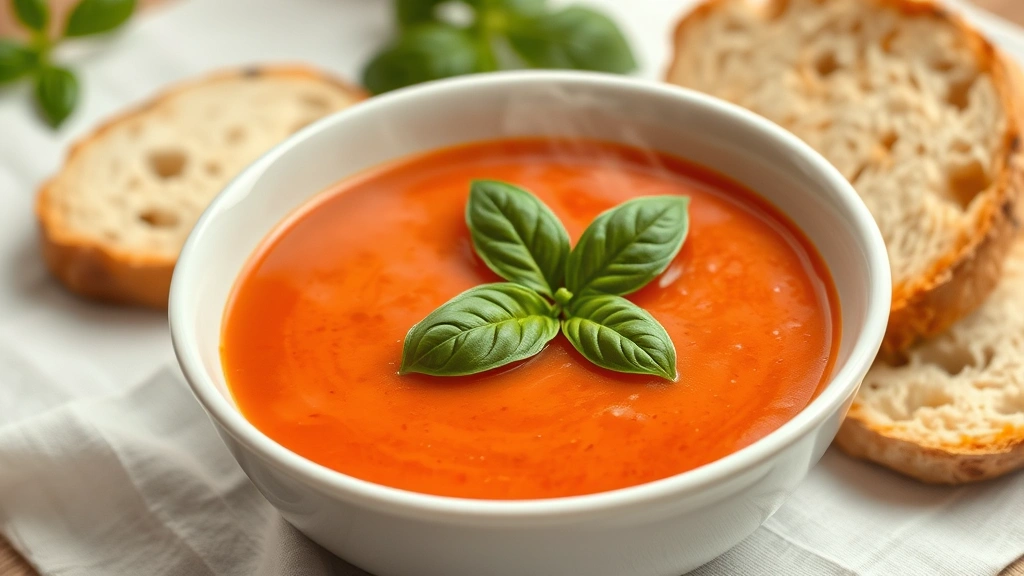
Selecting and Preparing Your Fresh Tomatoes
The foundation of exceptional tomato soup starts in the produce section. You’ll want to choose tomatoes that are ripe, fragrant, and heavy for their size—indicators of high water content and developed flavor. Beefsteak tomatoes, Roma tomatoes, and heirloom varieties all work wonderfully, though a combination yields the most complex taste profile. Avoid tomatoes that are pale, lightweight, or have soft spots, as these won’t deliver the vibrant flavor your soup deserves.
When you bring your tomatoes home, let them sit at room temperature for a day or two if they’re not perfectly ripe. This allows their flavors to fully develop and sugars to concentrate. Never refrigerate fresh tomatoes before cooking, as cold temperatures suppress their natural sweetness and aromatic compounds. You’ll need approximately 2 to 2.5 pounds of fresh tomatoes for this recipe, which yields about 4 to 6 servings depending on portion size.
Preparation is straightforward but important. Wash your tomatoes thoroughly under cool running water, then pat them dry. Using a sharp knife, remove the core and any blemished areas. If you prefer a smoother soup without tomato skins, blanch your tomatoes in boiling water for 30 to 45 seconds, then transfer them to an ice bath. The skins will slip off easily, revealing the beautiful flesh beneath. For a more rustic texture, you can skip this step and let the blending process handle skin incorporation.
Roughly chop your prepared tomatoes into quarters or eighths, depending on their size. This size allows them to cook evenly and blend more efficiently later. Reserve any juices that accumulate during chopping—these contain valuable flavor compounds you’ll want in your finished soup. Working with fresh tomatoes requires patience, but the reward is a soup that tastes nothing like its canned counterparts.
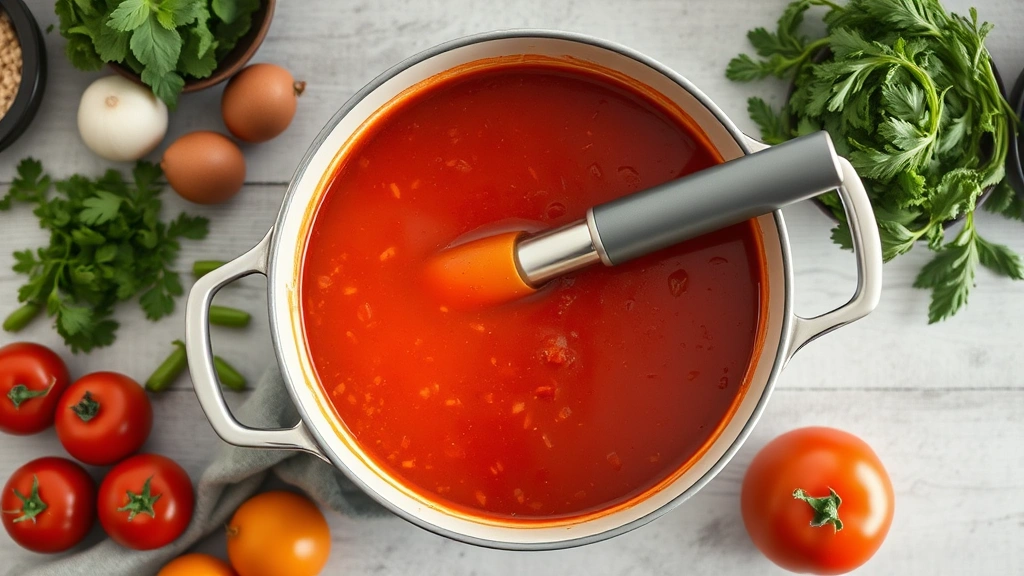
Essential Ingredients for Maximum Flavor
Beyond tomatoes, several key ingredients build the flavor foundation of exceptional soup. Yellow onions provide sweetness and depth when caramelized, while garlic adds savory complexity. Fresh basil, either added during cooking or as a finishing touch, brings brightness and herbaceous notes that elevate the entire dish. Quality olive oil helps extract and carry flavor compounds, creating a luxurious mouthfeel.
You’ll also need vegetable or chicken broth—about 2 to 3 cups depending on your desired consistency. Some home cooks prefer using water instead, which allows the pure tomato flavor to shine through without competition. Heavy cream or whole milk can be added at the end for richness, though this is entirely optional and varies by preference. A splash of balsamic vinegar or red wine vinegar brightens the flavor and balances acidity naturally present in tomatoes.
Salt and freshly ground black pepper are non-negotiable for proper seasoning. Don’t underestimate these humble ingredients—proper seasoning makes the difference between good soup and memorable soup. A pinch of sugar can balance acidity if your tomatoes are particularly tart, though this should be used sparingly and adjusted to taste.
Optional but recommended additions include fresh thyme, a bay leaf, or a pinch of red pepper flakes for subtle heat. Some cooks add a small splash of balsamic vinegar or a touch of honey for complexity. The beauty of homemade soup is that you control every element, making it easy to adjust based on your tomato variety and personal preferences.
Step-by-Step Cooking Instructions
Begin by heating 2 tablespoons of olive oil in a large, heavy-bottomed pot or Dutch oven over medium heat. Once the oil shimmers, add 1 large diced yellow onion and cook for 5 to 7 minutes, stirring occasionally, until the onion becomes translucent and begins to soften. The goal is to develop sweetness without browning at this stage. Add 4 to 5 minced garlic cloves and cook for another minute, stirring constantly to prevent burning, until fragrant.
Pour in your prepared fresh tomatoes along with any accumulated juices. If you’ve blanched and peeled them, add them now; if using whole chopped tomatoes with skins, add those instead. Add 2 to 3 cups of vegetable or chicken broth, depending on whether you prefer a thicker or brothier soup. Bring the mixture to a gentle simmer, then reduce heat to medium-low. Allow the soup to simmer uncovered for 20 to 30 minutes, stirring occasionally. This simmering time allows flavors to meld and tomatoes to break down completely.
While the soup simmers, prepare your aromatics and seasonings. Tear or chop fresh basil leaves, keeping them separate from any stems. Have your salt, pepper, and any acid (vinegar or lemon juice) measured and ready. If you’re planning to add cream, have that measured as well.
After simmering, the tomatoes should be very soft and beginning to break apart. This is when you’ll blend the soup to your desired consistency. For a completely smooth soup, use an immersion blender, working in batches if necessary, until no visible tomato pieces remain. For a rustic texture, blend only partially, leaving some tomato chunks intact. Alternatively, you can transfer the soup to a regular blender in batches, but exercise caution with hot liquids—fill the blender only halfway and remove the center cap from the lid to allow steam to escape.
Return the blended soup to the pot and adjust consistency with additional broth or water if needed. Stir in your chopped fresh basil, a pinch of salt, and freshly ground black pepper. Taste the soup carefully and adjust seasonings as needed. If the soup tastes acidic, add a small pinch of sugar and stir well. If it lacks depth, add a splash of balsamic vinegar or lemon juice. If you’re adding cream, do so now, stirring gently until fully incorporated.
Achieving the Perfect Soup Texture
Texture is what separates good tomato soup from great tomato soup. Some home cooks prefer a completely smooth, velvety consistency that coats the spoon, while others enjoy a chunkier, more rustic version with visible tomato pieces. Your preference depends entirely on personal taste and the occasion.
For silky-smooth soup, use an immersion blender for 2 to 3 minutes, working systematically through the pot. If any visible particles remain, you can strain the soup through a fine-mesh sieve, pressing gently with the back of a spoon to push puree through while catching solids. This creates restaurant-quality smoothness but requires extra effort.
For rustic texture, blend only until the soup reaches a consistency you prefer—perhaps 30 to 45 seconds with an immersion blender, leaving small tomato chunks visible. This approach maintains more nutritional value and creates interesting texture variation with each spoonful.
If your soup is too thick, thin it with additional broth, water, or milk, adding small amounts and stirring between additions until the desired consistency is reached. If it’s too thin, you can simmer it uncovered for an additional 10 to 15 minutes to reduce and concentrate flavors, or stir in a slurry made from 1 tablespoon cornstarch mixed with 2 tablespoons water, bringing the soup back to a simmer while stirring to thicken.
Flavor Customization and Variations
Once you’ve mastered the basic fresh tomato soup recipe, you can explore countless variations that transform it into entirely new dishes. Adding roasted red peppers creates a sweeter, slightly smoky version perfect for pairing with grilled cheese. Incorporating a tablespoon of tomato paste intensifies tomato flavor for those who want maximum impact.
For a Mediterranean twist, add 1/2 teaspoon of dried oregano and a pinch of fennel seeds during the simmering stage. A splash of white wine added with the broth introduces subtle complexity. Some cooks add a small can of white beans near the end of cooking for added protein and heartiness, making it substantial enough for a complete meal.
If you enjoy heat, add fresh diced jalapeños with the onion, or stir in 1/4 teaspoon of cayenne pepper after blending. For richness beyond cream, try swirling in a spoonful of mascarpone or crème fraîche just before serving. Those exploring best healthy food recipes for nutritious meals can skip the cream entirely and add a handful of fresh spinach instead, which wilts into the hot soup and adds nutrition.
Roasting your tomatoes before cooking creates deeper, more caramelized flavor. Toss chopped tomatoes with olive oil, salt, and pepper, then roast at 400°F for 20 to 25 minutes until the edges begin to brown. Use these roasted tomatoes in place of fresh raw tomatoes for an entirely different flavor profile that’s earthier and more concentrated.
Serving Suggestions and Pairings
Fresh tomato soup is incredibly versatile and works well in numerous contexts. As an appetizer before a main course, serve it in small bowls or mugs with an elegant garnish. For lunch, pair it with a grilled cheese sandwich, crusty bread, or a simple green salad for a satisfying meal. As a light dinner, serve it alongside roasted vegetables or a protein-focused side dish.
Garnishing options elevate the presentation and add textural interest. Fresh basil leaves, a drizzle of good olive oil, a dollop of sour cream or crème fraîche, crispy croutons, and freshly grated Parmesan cheese all work beautifully. For something unexpected, top with crispy bacon bits, a fried egg, or a sprinkle of pumpkin seeds. A grind of black pepper or a pinch of smoked paprika adds visual appeal and flavor dimension.
This soup pairs wonderfully with other homemade dishes. If you’re planning a complete meal, consider pairing it with low carb chicken recipes for a lighter entrée, or serve it before a more substantial main course. For special occasions, it works as part of a multi-course menu that also includes top round roast recipe or other hearty proteins.
Bread pairings are essential. Serve with warm crusty bread, focaccia, garlic bread, or breadsticks for dunking. Homemade croutons made from day-old bread add wonderful crunch and absorb the soup’s flavors beautifully.
Storage and Make-Ahead Tips
One of the greatest advantages of homemade tomato soup is its excellent keeping quality. The soup stores beautifully in the refrigerator for 4 to 5 days in an airtight container. This makes it perfect for meal prep—make a large batch early in the week and enjoy portions throughout your busy days.
For freezing, allow the soup to cool completely to room temperature, then transfer to freezer-safe containers, leaving about 1 inch of headspace to allow for expansion. Frozen soup keeps for up to 3 months. When ready to use, thaw overnight in the refrigerator, then reheat gently in a pot over medium heat, stirring occasionally. If you’ve added cream to the soup before freezing, it may separate slightly upon thawing—simply stir well while reheating and it will come back together.
Pro tip: Consider freezing the soup before adding cream, then adding fresh cream when reheating. This prevents any potential separation issues and allows you to adjust richness based on how you’re serving it on any given day. You can also freeze the soup in ice cube trays for convenient single-serving portions that thaw quickly.
Make-ahead preparation is straightforward. You can prep all vegetables the day before, storing them in airtight containers in the refrigerator. You can even get through the initial cooking stage (onions and garlic sautéed, tomatoes added and simmering) several hours ahead, then finish the recipe when you’re ready to serve. This flexibility makes fresh tomato soup perfect for entertaining.
FAQ
Can I use canned tomatoes if fresh ones aren’t available?
Yes, though the flavor profile will differ. Use high-quality canned San Marzano tomatoes (about 28 ounces) instead of fresh, and reduce simmering time to 10 to 15 minutes since canned tomatoes are already cooked. The soup won’t have the bright, fresh taste of the original recipe, but it will still be delicious and satisfying.
What’s the best way to remove tomato skins?
Blanching is most effective: Score the bottom of each tomato with an X, place in boiling water for 30 to 45 seconds, then transfer immediately to an ice bath. The skins slip off easily once cooled. Alternatively, simply blend the soup completely—immersion blending breaks down skins into fine particles that become undetectable in the final texture.
How do I fix soup that’s too acidic?
Add a small pinch of sugar and stir well—even 1/4 teaspoon can make a noticeable difference. Alternatively, add a splash of cream or butter, which rounds out sharp acidity. You can also simmer the soup uncovered for an additional 10 minutes, which reduces acidity naturally as water evaporates.
Can I make this soup without cream?
Absolutely. The soup is delicious on its own without any dairy. If you want added richness without cream, try swirling in a spoonful of mascarpone, Greek yogurt, or even a bit of pesto just before serving.
What’s the ideal serving temperature?
Fresh tomato soup should be served hot, around 160 to 170°F. However, it’s also delicious served chilled as gazpacho during summer months—simply cool completely, refrigerate, and serve in chilled bowls with ice if desired.
How can I add more protein to this soup?
Stir in white beans, chickpeas, or lentils during the final minutes of cooking. You can also top individual servings with grilled chicken, crispy bacon, a fried egg, or crumbled tofu. For substantial meals, serve alongside Trader Joe’s recipes that include protein components.
Is this recipe suitable for dietary restrictions?
Yes. The base recipe is naturally vegan and dairy-free if you skip the cream—simply use vegetable broth and don’t add dairy. It’s naturally gluten-free as well. For keto diets, reduce the portion size and pair with protein-focused sides rather than bread.
Can I double this recipe?
Yes, easily. Simply double all ingredient quantities and use a larger pot to prevent overflow during simmering. Cooking time remains approximately the same. This makes it perfect for batch cooking and freezing multiple portions for future meals.


