
Tinola Recipe: Family Favorite Secrets Revealed
Tinola is one of the Philippines’ most beloved comfort foods, a warming ginger-infused soup that brings families together around the dinner table. This traditional dish, pronounced “tee-NO-lah,” combines tender chicken or seafood with leafy greens and aromatic ginger in a light, savory broth that soothes the soul and satisfies the appetite. Whether you’re cooking for a weeknight dinner or preparing a special family meal, mastering the tinola recipe opens doors to authentic Filipino cuisine that’s both accessible and deeply meaningful.
What makes tinola truly special isn’t just the combination of ingredients—it’s the technique and care that goes into building layers of flavor. The ginger provides a distinctive warmth and subtle spice, while the broth develops a clean, comforting taste that keeps people coming back for seconds. Unlike heavier stews, tinola remains light enough for any occasion, making it perfect for sick days, family gatherings, or simply when you crave something homemade and authentic. The beauty of this dish lies in its simplicity and versatility, allowing cooks to adapt it based on available ingredients while maintaining its essential character.
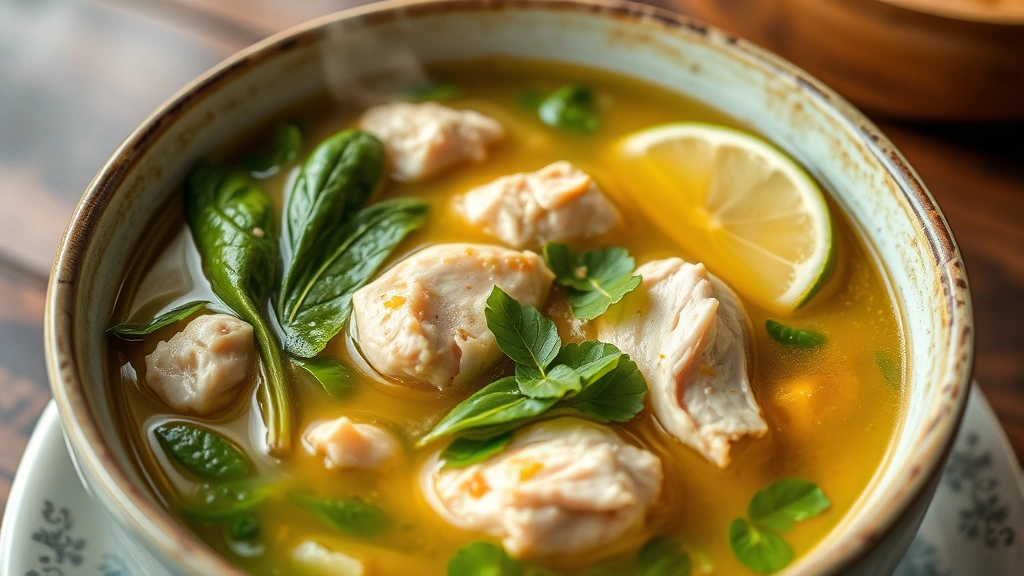
Understanding Tinola: History and Cultural Significance
Tinola represents the heart of Filipino home cooking, a dish that appears on tables across the archipelago from Luzon to Mindanao. The word “tinola” comes from the verb “tinola,” meaning to stew or simmer, and this cooking method has been passed down through generations of Filipino families. This soup holds special importance in Filipino culture, often served to new mothers as part of postpartum recovery rituals, believed to provide warmth and nourishment during the healing period.
The origins of tinola trace back to pre-colonial Filipino cooking traditions, where indigenous ingredients like ginger, leafy greens, and locally-sourced proteins were combined in simple yet flavorful ways. When Spanish colonizers arrived, they brought new ingredients and cooking techniques, but tinola remained distinctly Filipino in its essence. Today, this dish bridges generational gaps, with grandmothers teaching mothers and mothers teaching their children the proper way to prepare this family staple.
Understanding tinola’s cultural context enhances appreciation for the dish. It’s not merely food; it’s a connection to heritage, a way of expressing care and love through cooking. Many Filipinos have memories of coming home to the aroma of tinola simmering on the stove, a sensory reminder of family and belonging. This emotional connection is why chicken preparations hold such importance in Filipino households—they’re vessels for tradition and affection.
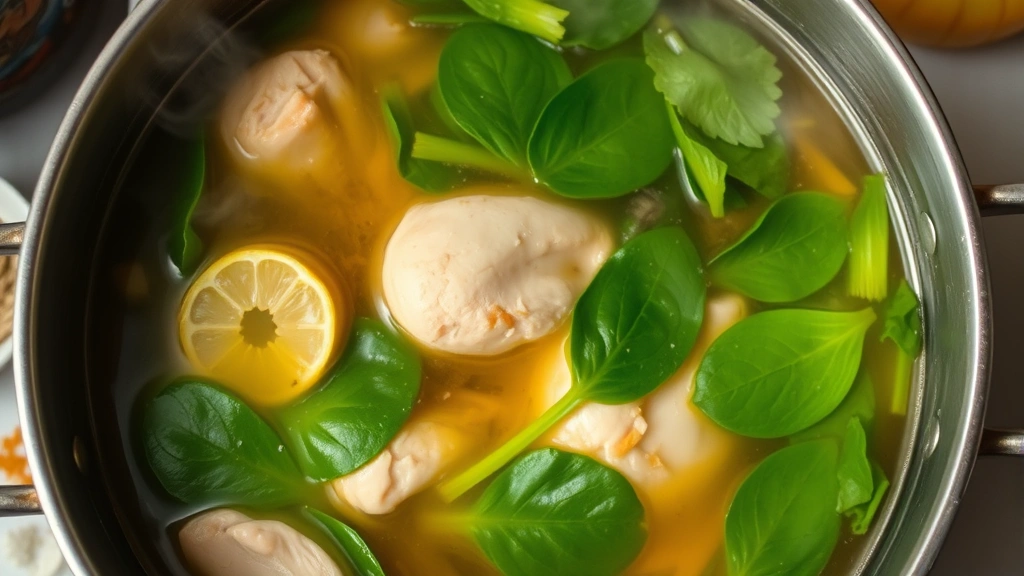
Essential Ingredients for Authentic Tinola
Creating an authentic tinola recipe begins with understanding each ingredient’s role in the final dish. The foundation starts with quality ginger, the soul of tinola. Unlike other soups where ginger plays a supporting role, in tinola it’s the star. You’ll need about 3-4 ounces of fresh ginger root, preferably young ginger with thin skin that’s easier to peel and slightly milder than mature ginger.
The protein typically consists of 2-2.5 pounds of chicken—either a whole chicken cut into pieces or chicken parts like thighs and drumsticks. Thighs are preferred because they stay moist during cooking, unlike breast meat which can become dry. Some cooks use fish or shrimp for variation, making tinola incredibly adaptable to your protein preferences.
The broth requires 6-8 cups of good quality chicken stock or water. Using homemade stock elevates the dish, but quality store-bought versions work perfectly well. Garlic—about 6-8 cloves—adds aromatic depth, while onions (typically 1-2 medium onions) provide sweetness and body.
Leafy greens are essential to tinola’s character. Traditional choices include:
- Malunggay (moringa leaves)—the most authentic choice with a slightly peppery flavor
- Spinach—readily available and mild
- Pechay (bok choy)—tender and slightly sweet
- Radish leaves—if you have them available
- Kangkong (water spinach)—authentic but harder to find outside Asia
Additional ingredients include fish sauce (patis)—about 2-3 tablespoons—which provides umami depth and authentic Filipino flavor. Olive oil or cooking oil (2-3 tablespoons) helps develop initial flavors through sautéing. Salt and black pepper adjust seasoning to taste. Some families add a small amount of turmeric for color and additional warmth.
Unlike shredded beef recipes that require specific cuts, tinola’s flexibility allows you to work with what you have available. The magic comes from technique and the ginger-forward approach rather than ingredient exclusivity.
Step-by-Step Cooking Instructions
Preparation Phase (10 minutes):
Begin by preparing your ingredients—this mise en place approach ensures smooth cooking. Peel and slice your ginger into thin coins or matchsticks, depending on your preference. Thin coins infuse flavor gradually, while matchsticks release flavor more quickly. Don’t peel the ginger completely; leaving some skin adds nutritional value and authentic texture. Mince your garlic, dice your onions into roughly quarter-inch pieces, and cut your chicken into uniform portions. Uniform sizes ensure even cooking—avoid leaving large bone-in pieces alongside smaller boneless pieces.
Wash your leafy greens thoroughly and set them aside. If using malunggay, remove the leaves from woody stems. For spinach or pechay, chop into bite-sized pieces. Have your broth ready and measured.
Building Flavor (5 minutes):
Heat your oil in a large pot over medium-high heat. Once shimmering, add minced garlic and cook for about 30 seconds until fragrant. The goal is to release garlic’s aromatic compounds without browning it—browning creates bitter notes you don’t want in tinola. Add diced onions and cook for 2-3 minutes, stirring occasionally, until they become translucent and soft.
This is the critical moment: add your sliced ginger. Stir constantly for 2-3 minutes, allowing the ginger to release its oils and fragrance into the pot. You’ll notice the kitchen filling with that distinctive warm, spicy aroma—this is tinola’s signature scent developing. The ginger should become slightly softened but not browned.
Cooking the Protein (15-20 minutes):
Add your chicken pieces to the pot, stirring to coat with the ginger-garlic-onion mixture. Cook for 2-3 minutes, allowing the chicken to begin browning slightly. This browning isn’t essential but adds depth to the broth. Pour in your prepared broth or water and bring to a boil over high heat.
Once boiling, reduce heat to medium or medium-low, maintaining a gentle simmer. Skim any foam or impurities that rise to the surface during the first few minutes—this produces a clearer, cleaner-tasting broth. Cover partially and simmer for 15-20 minutes until the chicken is cooked through. Chicken thighs take slightly longer than breasts, typically reaching doneness around 18-20 minutes. Pierce the thickest part with a knife; juices should run clear with no pink.
Adding the Greens and Final Seasoning (5 minutes):
When the chicken is nearly cooked, add your fish sauce—this is where tinola’s authentic Filipino character truly emerges. Fish sauce might smell pungent in the bottle, but it becomes subtle and savory in the finished dish, adding umami depth. Stir well and taste the broth. It should be flavorful and slightly salty.
Add your prepared leafy greens and stir gently. Delicate greens like spinach and malunggay require only 2-3 minutes of cooking—you want them bright green and tender, not gray and mushy. Hardier greens like pechay might need 4-5 minutes. The greens should retain some structure and color, contributing visual appeal and nutritional value.
Taste and adjust seasoning. Add more fish sauce for deeper umami, salt for overall seasoning, or black pepper for subtle heat. Some families add a pinch of turmeric here for color and additional warming spice. The broth should taste balanced—not too salty, with ginger warmth present but not overwhelming.
Pro Tips for Perfect Tinola Every Time
Ginger Selection and Preparation: Young ginger, available in spring and early summer, has thinner skin and milder flavor—ideal for tinola. If using mature ginger, peel more generously and use slightly less. The thickness of your ginger slices affects flavor intensity: thinner slices for milder flavor, thicker coins for more pronounced ginger character. Some cooks bruise ginger lightly with the side of a knife before adding it, which releases more flavor compounds.
Broth Quality Matters: If possible, make your own chicken stock by simmering chicken bones with aromatics for 2-3 hours. Homemade stock creates noticeably superior tinola. If using store-bought broth, choose low-sodium versions so you can control salt levels—commercial broths often contain surprising amounts of sodium.
Chicken Preparation: Bone-in, skin-on chicken pieces develop better flavor than boneless, skinless breasts. The bones contribute gelatin and minerals to the broth, creating richer mouthfeel. If using a whole chicken, ask your butcher to cut it into 8-10 pieces. Pat the chicken dry before cooking—this helps with browning and prevents excessive splashing.
Timing for Greens: Adding greens too early results in mushy, discolored vegetables. Add them in the final 3-5 minutes of cooking. If cooking for a crowd and timing is uncertain, add greens just before serving, allowing residual heat to wilt them slightly while maintaining their vibrant color and nutritional content.
Fish Sauce Technique: Rather than dumping all fish sauce at once, add it gradually while tasting. This prevents oversalting and allows you to achieve the perfect balance. Fish sauce should enhance, not dominate. If you’ve added too much, a squeeze of fresh lemon or lime juice can balance the intensity.
Make-Ahead Strategy: Tinola actually improves after sitting overnight as flavors meld and deepen. Prepare it through the chicken-cooking stage, cool completely, refrigerate, then reheat gently and add greens fresh. This approach makes tinola perfect for meal prep—cook on Sunday for weeknight dinners.
Scaling the Recipe: Tinola scales beautifully. Double the recipe for larger families or freezing portions. The flavors remain balanced because the ratio of ginger to broth stays consistent. Store in airtight containers for up to 3 days refrigerated or 2 months frozen.
Variations and Creative Adaptations
Seafood Tinola: Replace chicken with firm white fish (halibut, cod, or mahi-mahi) or large shrimp. Fish requires less cooking time—add it in the final 8-10 minutes to prevent overcooking. Shrimp cooks even faster, needing only 3-4 minutes. The ginger-forward profile pairs beautifully with seafood’s delicate flavors. Some cooks add a splash of white wine or fish stock for additional complexity.
Vegetarian Tinola: Create a plant-based version by replacing chicken with firm tofu cubes, mushrooms, or chickpeas. Use vegetable broth instead of chicken stock. The ginger-garlic-onion base remains the foundation, creating a warming, satisfying soup that works for any dietary preference. Add protein-rich legumes like white beans for substance.
Turmeric-Enhanced Version: Some regional variations include turmeric, adding golden color and earthy warmth. Add ½-1 teaspoon of turmeric with the ginger for a version that’s more healing and slightly more complex. This variation is particularly popular in Visayan regions of the Philippines.
Coconut Milk Tinola: While non-traditional, adding ½-1 cup of coconut milk at the end creates a creamier version that appeals to those seeking richer texture. Add it after the chicken is cooked but before the greens, stirring well to incorporate. This adaptation bridges tinola and other Filipino coconut-based soups.
Spiced Variations: Some families add star anise, black cardamom, or a single bay leaf for additional aromatic complexity. These additions should be subtle—tinola’s ginger character should remain prominent. Use ½ star anise or one cardamom pod per batch to avoid overpowering the dish.
These adaptations show tinola’s versatility while maintaining its essential character. The ginger-forward approach and simple cooking method remain constant; only the proteins and supporting ingredients change.
Serving Suggestions and Pairings
Tinola traditionally serves as a complete meal rather than just a soup course. Serve it in large bowls with generous portions of chicken, broth, and greens. The typical Filipino table includes white rice on the side, allowing diners to adjust soup-to-rice ratios according to preference. Some families serve tinola over rice, creating a more substantial dish.
Accompany tinola with calamansi (Filipino lime) or regular lime wedges. A squeeze of citrus brightens the broth and adds fresh acidity that balances the ginger’s warmth. This citrus element is essential to the tinola experience—don’t skip it.
For a complete meal, pair tinola with low carb dinner alternatives if you’re watching carbohydrate intake, or serve with crusty bread for soaking up the delicious broth. Fresh spring rolls or lumpia make excellent appetizers before tinola, creating an authentic Filipino dining experience.
Tinola works wonderfully for chicken preparations on lighter days when heavier sauces don’t appeal. The broth’s lightness makes it appropriate for any time of year, though it’s particularly comforting during cooler months. Many Filipinos serve tinola at room temperature during hot weather, though warm is traditional.
For special occasions, elevate tinola by using higher-quality chicken, homemade stock, and premium ginger. Serve in beautiful bowls with fresh herb garnishes. The simplicity of tinola makes presentation straightforward—the beautiful green vegetables and golden broth are naturally appealing.
Consider tinola when planning homemade sauces menus; the soup’s delicate flavor profile complements rather than competes with other dishes. It works as a first course before heavier mains or as the main event itself.
FAQ
What’s the difference between tinola and other Filipino soups?
Tinola’s defining characteristic is its prominent ginger flavor and light, clean broth. Unlike nilaga (which includes potatoes and carrots) or sinigang (which features sour tamarind), tinola remains ginger-forward and vegetable-light. The cooking method also differs—tinola simmers briefly (20-30 minutes total), while other soups often cook longer.
Can I use chicken breast instead of thighs?
While possible, thighs are strongly preferred because they remain moist and flavorful during cooking. Breast meat tends to dry out, resulting in stringy, less pleasant texture. If using breast, reduce cooking time to 12-15 minutes and check for doneness carefully. Consider mixing thighs and breasts, using breasts only for the last half of cooking time.
What if I can’t find malunggay or pechay?
Spinach is an excellent substitute, providing similar nutritional benefits and mild flavor. Bok choy, kale, or even collard greens work well, though they may require slightly longer cooking. Avoid delicate greens like arugula that become mushy. The key is choosing tender greens that wilt quickly without becoming unpalatable.
How do I reduce the ginger flavor if it’s too strong?
Add more broth to dilute the ginger intensity. A squeeze of calamansi or lime juice also balances strong ginger with fresh acidity. For future batches, use thinner ginger slices or less total ginger. Some cooks remove ginger slices before serving if the flavor becomes overwhelming.
Is fish sauce absolutely necessary?
Fish sauce provides authentic Filipino flavor and umami depth, but it’s not absolutely essential. If you’re unable or unwilling to use it, add extra salt gradually while tasting, or use soy sauce as a substitute. The tinola will be slightly different but still delicious. However, trying fish sauce at least once is recommended—most people find it pleasant in the finished dish despite its pungent bottle aroma.
Can I make tinola in a slow cooker?
Yes, though results differ slightly. Sauté ginger, garlic, and onions on the stovetop for flavor development, then transfer everything to a slow cooker with broth and chicken. Cook on low for 4-5 hours or high for 2-3 hours. Add greens in the final 15 minutes of cooking. The extended cooking time may result in slightly softer chicken and more muted ginger flavor, but it’s convenient for busy schedules.
How long does tinola last in the refrigerator?
Properly stored tinola keeps for 3-4 days in airtight containers. The flavors actually improve as they meld. Freeze tinola for up to 2-3 months, though freeze greens separately if possible—they become mushy when thawed. Reheat gently on the stovetop, adding fresh greens if necessary for best texture and color.
What’s the best oil to use for tinola?
Any neutral cooking oil works—vegetable, canola, or peanut oil. Some cooks prefer olive oil for its flavor, though this is non-traditional. The oil’s primary role is preventing sticking and conducting heat; it’s not a major flavor component. Use about 2-3 tablespoons for a standard batch.
Can I add other vegetables to tinola?
Traditional tinola keeps vegetables minimal, but you can add others if desired. Small radishes, green beans, or thinly sliced cabbage work well. Add harder vegetables earlier so they cook through, and tender vegetables near the end. Keep additions subtle so ginger remains the dominant flavor.
Why is tinola served to postpartum mothers in Filipino culture?
Ginger is traditionally believed to provide warmth and aid recovery in Filipino postpartum practices. The light broth provides nourishment without being heavy on the digestive system. The warming properties of ginger are valued in traditional medicine, making tinola a comforting, culturally significant choice during recovery periods. This practice reflects how food and medicine intersect in Filipino wellness traditions.


