
When my abuela first taught me her torta recipe, I realized this wasn’t just another sandwich—it was a carefully guarded family tradition passed down through generations. A true torta represents the heart of Mexican and Latin American cuisine, where simple ingredients transform into something extraordinary through technique and love. This authentic method has been perfected over decades, and I’m excited to share her secrets with you today.
The beauty of making an authentic torta recipe lies in understanding that each component matters equally. From selecting the perfect bread to layering ingredients with intention, every step contributes to the final masterpiece. Whether you’re preparing this for a weeknight dinner or a special gathering, this guide will walk you through abuela’s time-tested method that never fails to impress.

Understanding Authentic Torta Basics
A torta is far more than a simple sandwich—it’s a culinary expression that combines fresh ingredients, bold flavors, and textural contrasts. The word “torta” itself comes from Latin and has been adopted across Spanish-speaking countries, each region adding its own distinctive twist. What makes abuela’s method authentic is her insistence on quality ingredients and proper technique rather than shortcuts.
The foundation of any great torta begins with understanding its core purpose: to create a handheld meal that’s satisfying, flavorful, and balanced. Unlike American sandwiches that often focus on meat as the star, traditional tortas celebrate the interplay between bread, proteins, vegetables, and condiments. This philosophy has guided my family’s approach for generations, and it’s what sets these sandwiches apart from ordinary lunch fare.
When preparing comfort food recipes like tortas, understanding the cultural context enriches your appreciation and execution. My abuela always said that cooking is about respect—respect for ingredients, respect for tradition, and respect for those you’re feeding. This mindset transforms the cooking process from mere mechanics into something meaningful.
Essential Ingredients for the Perfect Torta
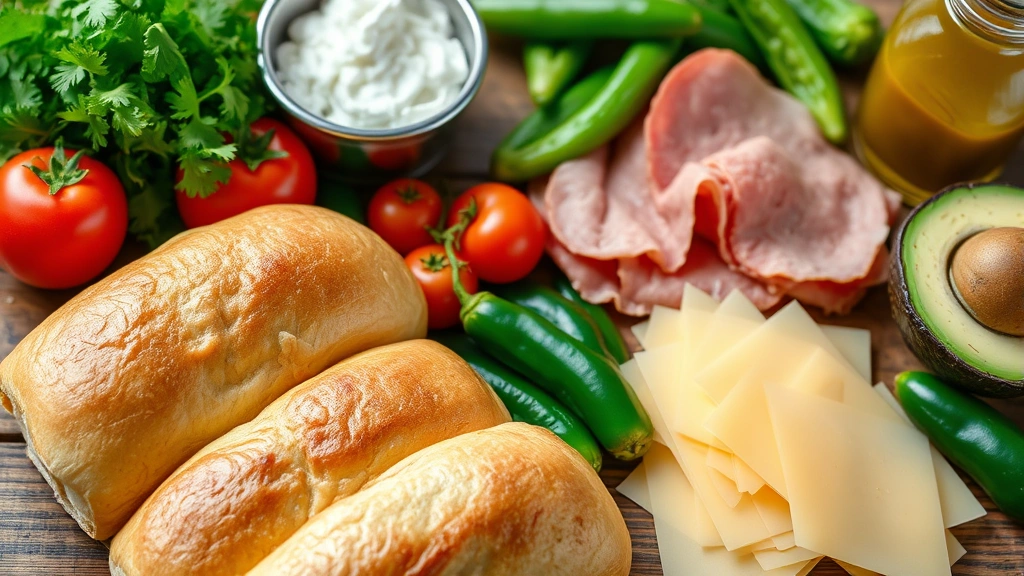
The magic of abuela’s torta recipe lies in ingredient quality and freshness. Here are the components you’ll need:
- Bread: Bolillo rolls or telera bread (the traditional choice)
- Proteins: Sliced deli meats (chorizo, jamón, turkey, or chicken)
- Cheese: Oaxaca, Chihuahua, or mozzarella
- Vegetables: Ripe tomatoes, crisp lettuce, onions, jalapeños
- Spreads: Mayonnaise, avocado, or refried beans
- Seasonings: Salt, pepper, and fresh cilantro
- Optional additions: Sliced ham, salami, or grilled chicken
The selection process matters tremendously. When choosing your proteins, visit a quality butcher or Latin market rather than settling for pre-packaged options. Fresh deli meats have superior flavor and texture. For vegetables, select items at peak ripeness—a mealy tomato or wilted lettuce will compromise your entire torta. This attention to detail is what separates abuela’s tortas from mediocre versions.
If you’re interested in exploring gluten and dairy free recipes, you can adapt this torta recipe using gluten-free bread and dairy-free cheese alternatives, though abuela would insist the traditional version is incomparable.
Bread Selection and Preparation
The bread is arguably the most critical component of any torta. Abuela taught me that the bread must have structural integrity to hold all the fillings without falling apart, yet remain soft enough to bite through easily. Bolillo rolls are traditional for good reason—they’re sturdy, have a slight crust, and possess an airy interior that won’t become soggy even with moist fillings.
When selecting your bread, look for rolls baked that same day if possible. The crust should be slightly crispy but not hard, and the interior should be pale and fluffy. Avoid bread that’s dense or has been sitting for days. If you can’t find authentic bolillo rolls, telera bread serves as an excellent substitute, though some regions prefer using a larger torta bread cut in half.
Here’s abuela’s preparation method that makes all the difference:
- Slice your bolillo rolls lengthwise, being careful not to cut all the way through
- Gently open the roll and remove some of the interior crumb (about a tablespoon) to create space for fillings
- Lightly toast the cut sides in a dry skillet over medium heat for 30-45 seconds per side
- This toasting step is crucial—it creates a slight barrier preventing the bread from absorbing too much moisture
- Allow the bread to cool slightly before adding your fillings
This seemingly simple step is where many home cooks fail. The toasting creates a protective layer while adding subtle flavor depth. Abuela never rushed this process, and neither should you.
Preparing Your Protein Components
The protein selection in your torta recipe depends on personal preference and regional tradition. Common choices include chorizo, jamón serrano, turkey, chicken, and various deli meats. What matters is that proteins should be sliced thinly (about 1/8 inch) and at room temperature before assembly.
If you’re using chorizo, cook it properly first:
- Remove chorizo from its casing
- Crumble into a skillet over medium heat
- Cook for 5-7 minutes, stirring frequently until it reaches a deep red-brown color
- Transfer to paper towels to drain excess fat
- Allow to cool to room temperature before adding to your torta
For fresh meats like chicken or turkey, consider preparing them fresh rather than using pre-packaged deli meat. Abuela’s secret was poaching chicken breast in seasoned broth, then slicing it thinly. This approach ensures superior flavor and texture compared to processed alternatives. If you’re exploring easy chicken casserole recipes, you’ll appreciate how quality chicken preparation enhances any dish.
The cheese selection is equally important. Oaxaca cheese, with its stringy texture, is traditional and creates a wonderful eating experience. If unavailable, fresh mozzarella works well. Avoid pre-sliced cheese when possible—freshly sliced cheese from your butcher counter has superior melting qualities and flavor.
Building Your Torta Layer by Layer
Now comes the assembly, where technique and order matter significantly. Abuela always emphasized that layering isn’t random—it’s strategic. Here’s her method:
- Start with your spread: Apply a thin layer of mayonnaise or refried beans to the bottom half of your toasted bread. This creates flavor and acts as a moisture barrier.
- Add your base vegetables: Layer thin slices of tomato first, then add crisp lettuce. These vegetables should be patted dry to prevent excess moisture.
- Layer proteins: Add your sliced meats next, distributing them evenly across the bread. If using multiple proteins, alternate them for balanced flavor distribution.
- Add cheese: Place your cheese slices on top of the warm proteins. The residual heat will slightly soften the cheese without fully melting it.
- Include fresh elements: Add sliced jalapeños, onions, cilantro, and avocado now. These fresh elements should be added close to eating time to maintain their texture and flavor.
- Final touches: A light sprinkle of salt and fresh ground black pepper finishes the layers.
- Close and press: Gently press the top half of the bread onto the filled bottom half. Don’t squash it aggressively—gentle pressure distributes flavors and helps ingredients meld.
The layering order is crucial because it affects how flavors distribute when you bite into your torta. Placing vegetables between proteins and bread prevents the bread from absorbing meat juices too quickly, while positioning cheese near the top ensures you experience its flavor with each bite.
Traditional Condiments and Spreads
Abuela’s condiment selection elevated every torta from good to exceptional. While many recipes call for standard mayonnaise, she prepared a special spread that became legendary in our family.
Abuela’s Special Mayo Base:
- 1 cup quality mayonnaise
- 2 tablespoons fresh lime juice
- 1 tablespoon minced fresh cilantro
- 1 minced garlic clove
- Pinch of cumin
- Salt and pepper to taste
Mix these ingredients together and allow flavors to meld for at least 30 minutes before using. This simple enhancement transforms ordinary mayonnaise into something extraordinary. The lime juice adds brightness, while the cilantro and cumin provide authentic Mexican flavor notes.
Alternative spread options include:
- Refried beans: Spread thinly on bread for earthiness and substance
- Avocado: Mash with lime juice and salt for creamy richness
- Chipotle aioli: Mayo mixed with chipotle peppers in adobo sauce for smoky heat
- Mexican crema: Thin layer for tangy richness
Never use spreads directly from the refrigerator—allow them to reach room temperature so they distribute evenly without tearing your bread. This small detail prevents the bread from becoming damaged during assembly.
For those interested in discard recipes, leftover spread components can be used in other dishes, making this approach economical and practical.
Pro Tips from Abuela’s Kitchen
Beyond the basic recipe, abuela shared numerous techniques that transformed torta preparation from adequate to masterful:
Temperature Management: All ingredients should be at or near room temperature when assembling. Cold ingredients don’t meld flavors as effectively, and they can make the bread cold and less enjoyable. Remove ingredients from refrigeration 15-20 minutes before assembly.
Vegetable Preparation: Pat all vegetables dry with paper towels after slicing. Excess moisture is the enemy of a good torta—it makes the bread soggy and dilutes flavors. This simple step dramatically improves texture and eating experience.
Bread Freshness: Use bread within 4-6 hours of purchase for optimal results. Day-old bread becomes stale and loses its pleasant texture. If you must use older bread, lightly dampen your fingers and rub the crust before toasting to restore some freshness.
Pressing and Resting: After assembling your torta, wrap it tightly in parchment paper or foil and allow it to rest for 5-10 minutes. This resting period allows flavors to meld and helps the bread absorb some moisture from the fillings, creating better cohesion.
Cutting and Serving: When ready to eat, cut your torta diagonally. This creates a more elegant presentation and makes the sandwich easier to handle. The diagonal cut also helps distribute fillings more evenly across each half.
Ingredient Quality Over Quantity: Abuela always said a torta with five quality ingredients beats one with ten mediocre ingredients. Don’t overstuff—restraint creates better flavor balance and easier eating.
Variations and Regional Styles
While abuela’s method is her authentic version, different regions have developed their own torta traditions worth exploring. Understanding these variations helps you appreciate the broader torta tradition and potentially develop your own signature style.
Torta Ahogada (Drowned Torta): Popular in Jalisco, this style involves dipping the entire assembled torta in a spicy tomato or chile sauce. It’s messy, flavorful, and typically eaten with a fork and knife. The bread becomes soft and absorbs the sauce completely.
Torta de Milanesa: Features a breaded and fried thin cutlet of meat (usually chicken or beef) as the main protein. The crispy exterior contrasts beautifully with fresh vegetables and creamy spreads. This style emphasizes textural contrast.
Torta Cubana: A Cuban variation that includes ham, roasted pork, salami, cheese, pickles, and mustard. It’s more substantial than traditional Mexican tortas and reflects Caribbean flavor influences.
Torta Campesina: A rustic country-style torta featuring simple ingredients like cheese, tomato, onion, and avocado. It celebrates ingredient quality over complexity, aligning closely with abuela’s philosophy.
Each variation teaches us something about adapting the basic torta concept while maintaining its essential character. The beauty of this sandwich type is its flexibility—you can honor tradition while making it your own.
FAQ
What’s the difference between a torta and a sandwich?
While both are handheld meals, tortas typically feature Latin American ingredients, emphasis on fresh vegetables, and often use bolillo or telera bread. Traditional sandwiches rely more on processed meats and structured spreads. Tortas celebrate ingredient quality and balance, making them fundamentally different in philosophy and execution.
Can I make tortas ahead of time?
Tortas are best assembled 30 minutes to 2 hours before eating. Assembling too far ahead allows the bread to absorb moisture and become soggy. If you must prepare ahead, keep components separate and assemble just before serving. However, abuela always insisted on fresh assembly for optimal quality.
What bread can I use if I can’t find bolillo rolls?
Telera bread is the best substitute, followed by ciabatta rolls or even a halved sub roll. Avoid soft sandwich bread or brioche, which lack the structural integrity needed. Portuguese rolls work reasonably well if nothing else is available.
Are tortas healthy?
Tortas can be quite healthy when prepared with quality proteins, plenty of fresh vegetables, and proper portions. The bread provides carbohydrates, proteins offer nutrition, and fresh vegetables add vitamins and fiber. Unlike many sandwiches loaded with processed meats and excessive mayo, traditional tortas can be balanced meals.
How do I prevent my torta from falling apart?
Proper layering is key—place vegetables between proteins and bread to create structure. Don’t overstuff your torta, and ensure your bread is sturdy enough. Toasting the bread creates a protective barrier. Finally, pat vegetables dry to minimize moisture that weakens bread structure.
Can I customize a torta recipe for dietary restrictions?
Absolutely. For keto adaptations, use lettuce wraps instead of bread. For vegetarian versions, feature grilled vegetables, beans, and multiple cheese varieties. Gluten-free bread works well for those with celiac concerns. The torta concept is flexible enough to accommodate various dietary needs while maintaining its essential character.


