
Master the Vodka Gimlet: A Bartender-Approved Classic Cocktail Recipe
The vodka gimlet stands as one of the most elegant and refreshing cocktails in any bartender’s repertoire. This deceptively simple drink combines just three ingredients—vodka, fresh lime juice, and a touch of sweetness—yet requires precision and technique to execute flawlessly. Whether you’re crafting cocktails at home for friends or looking to impress guests with your mixology skills, mastering the vodka gimlet opens doors to understanding fundamental cocktail principles that elevate your entire bartending game.
What makes the vodka gimlet so special isn’t complexity; it’s purity. The drink represents the essence of cocktail culture—taking quality ingredients and combining them with intention. Unlike elaborate tiki drinks or multi-layered concoctions, the gimlet rewards precision in measurement, ingredient quality, and technique. A perfectly executed vodka gimlet showcases the spirit’s character while balancing bright citrus notes with subtle sweetness, creating a harmonious sip that keeps you coming back for more.
In this comprehensive guide, we’ll explore everything you need to know about crafting the perfect vodka gimlet, from ingredient selection to professional techniques used by award-winning bartenders. You’ll discover the history behind this iconic drink, learn precise ratios, understand the science of proper dilution, and master variations that will make you the star of any gathering.
History and Origins of the Gimlet
The gimlet’s origins trace back to the late 19th century, born from practical necessity aboard British naval vessels. The drink emerged as a solution to a pressing problem: preventing scurvy among sailors during long voyages. British Navy ships carried lime juice as a vitamin C source, and sailors mixed this precious commodity with their daily rum ration. This combination created what became known as the original gimlet—a drink that was both medicinal and refreshing.
The term “gimlet” itself derives from the small tool used to bore holes, likely referencing the drink’s ability to pierce through thirst and fatigue. By the early 1900s, the gimlet had transitioned from a naval necessity to a sophisticated cocktail served in London’s finest establishments. The original recipe called for gin, not vodka, and this gin version remains the traditional standard among cocktail purists and classic gin cocktail enthusiasts.
The vodka gimlet emerged later as bartenders experimented with spirit substitutions, creating a lighter, more neutral canvas for the lime’s brightness. This variation gained tremendous popularity in the mid-20th century, particularly in America, where vodka was becoming increasingly fashionable. Today, both versions coexist in the cocktail world, with passionate advocates on each side of the spirits debate.
Essential Ingredients for the Perfect Gimlet
Success with any cocktail begins with understanding your ingredients. The vodka gimlet’s simplicity means every component matters profoundly. Let’s break down what you need to craft this drink at professional standards.
Premium Vodka: Your vodka selection directly impacts the final product. While vodka is traditionally considered a neutral spirit, quality variations exist significantly. Look for vodkas that are distilled multiple times (ideally four or more) and filtered through activated charcoal or similar methods. Brands like Tito’s, Ketel One, or Grey Goose offer excellent consistency and smoothness. Avoid bottom-shelf options that might contain harsh congeners or off-flavors. The vodka should taste clean and crisp, with minimal burn or chemical notes.
Fresh Lime Juice: This ingredient cannot be compromised under any circumstances. Fresh-squeezed lime juice is absolutely essential—bottled lime juice, even premium versions, contains preservatives that alter the gimlet’s delicate flavor profile. The difference between fresh and bottled is dramatic and immediately noticeable. Select firm, bright green limes that feel heavy for their size, indicating high juice content. One medium lime typically yields about half an ounce of juice. Invest in a quality citrus juicer or reamer to extract maximum juice efficiently.
Sweetening Agent: Traditional gimlets use simple syrup, which dissolves instantly in cold spirits unlike granulated sugar. Simple syrup is remarkably easy to prepare: combine equal parts sugar and hot water, stir until dissolved, and cool completely. Some bartenders prefer rich simple syrup (two parts sugar to one part water) for gimlets, as it adds body and slightly enhances the drink’s mouthfeel. Fresh lime cordial, the original gimlet sweetener, offers another authentic option, though it’s less common in modern bars.
Ice: Often overlooked, ice quality profoundly affects cocktail quality. Large, dense ice cubes melt more slowly than standard ice, maintaining proper dilution without over-watering your drink. If your freezer doesn’t produce quality ice, invest in silicone molds or purchase clear ice from specialty cocktail suppliers.
Required Equipment and Tools
Professional bartenders emphasize that proper tools separate mediocre cocktails from exceptional ones. Here’s what you’ll need for gimlet mastery:
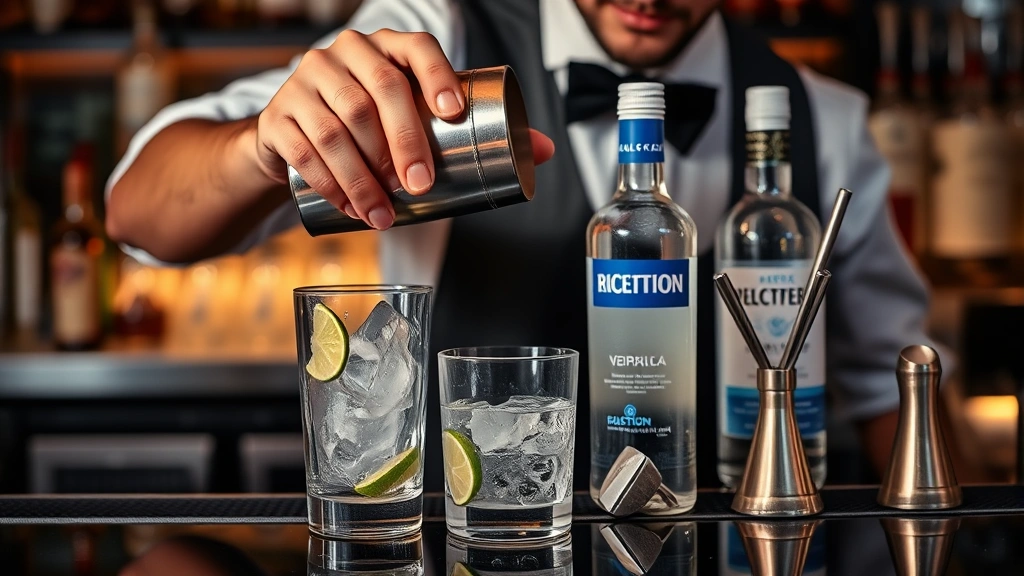
- Cocktail Shaker: A Boston shaker (two-part metal shaker) represents the gold standard. This consists of a larger mixing glass and a metal tin that fits snugly on top, allowing you to shake with confidence and control.
- Jigger: A precise measuring tool with typically 1.5-ounce and 0.75-ounce sides. Accurate measurement is non-negotiable in cocktail preparation. Never free-pour when precision matters.
- Mixing Glass: A sturdy, weighted glass designed for stirring cocktails. This tool helps you properly dilute and chill your drink before serving.
- Bar Spoon: A long-handled spoon specifically designed for stirring cocktails, allowing you to reach the bottom of mixing glasses and control dilution precisely.
- Citrus Juicer: Either a handheld reamer or electric juicer ensures you extract maximum juice from your limes with minimal effort.
- Strainer: A Hawthorne strainer (metal spring-rimmed strainer) fits into your shaker and prevents ice from entering your finished cocktail.
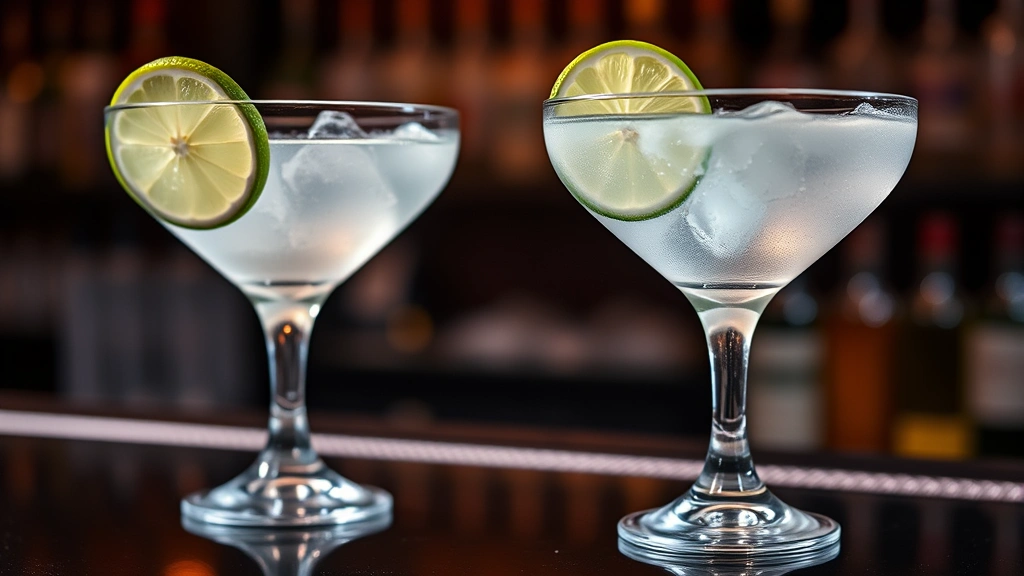
- Coupes or Martini Glasses: Traditional gimlets are served in chilled coupe or martini glasses, which showcase the drink’s clarity and allow aromatic elements to shine.
” alt=”Professional bartender using Boston shaker with ice, lime wedges, and vodka bottle visible on polished bar counter with stainless steel tools”>
Step-by-Step Vodka Gimlet Recipe
Now let’s craft your perfect vodka gimlet using professional bartending techniques. This recipe serves one and represents the standard 2:1 spirit-to-citrus ratio favored by experienced bartenders.
Ingredients:
- 2 ounces premium vodka
- 1 ounce fresh lime juice
- 0.5 ounces simple syrup
- Large ice cube
- Lime wheel for garnish (optional)
Instructions:
- Prepare Your Glass: Place your coupe or martini glass in the freezer at least 15 minutes before serving. A properly chilled glass maintains your cocktail’s temperature longer and enhances the drinking experience significantly. Cold glassware prevents premature dilution and keeps flavors crisp.
- Juice Your Limes: Prepare your fresh lime juice immediately before mixing. Lime juice oxidizes quickly, so don’t prepare it more than 30 minutes in advance. Roll your limes firmly on a hard surface before juicing to break down internal membranes and maximize juice extraction.
- Measure Precisely: Using your jigger, measure exactly 2 ounces of vodka into your Boston shaker. Then measure 1 ounce of fresh lime juice. Finally, measure 0.5 ounces of simple syrup. Precision here determines consistency and quality.
- Add Ice: Fill your shaker about three-quarters full with large ice cubes. The ice should be cold and preferably freshly made. Avoid using ice that’s been sitting in your freezer for extended periods, as it may absorb freezer odors.
- Shake Vigorously: Close your shaker securely and shake with purpose for 10-12 seconds. Professional bartenders emphasize that adequate shaking is crucial—you’re not gently combining ingredients but rather vigorously mixing, chilling, and diluting the cocktail to perfection. The shaker should feel cold to the touch, and you should hear the ice moving actively.
- Strain Carefully: Place your Hawthorne strainer on top of the shaker, holding it steady with one hand while pouring with the other. Pour smoothly into your pre-chilled glass, leaving ice behind in the shaker. The finished cocktail should be crystal clear and properly chilled.
- Garnish and Serve: If desired, express a lime wheel’s oils over the drink’s surface by twisting it firmly, then drop it in as garnish. Some bartenders prefer simply leaving the drink unadorned to showcase its clarity and simplicity. Serve immediately while the drink is at peak temperature.
This classic preparation method produces a gimlet that’s properly diluted, precisely balanced, and served at the ideal temperature. The shaking process is essential—it chills the ingredients, combines them thoroughly, and adds the controlled dilution that makes the gimlet so refreshing.
Professional Bartender Techniques
Award-winning bartenders employ specific techniques that elevate gimlets from good to exceptional. Understanding these methods allows you to replicate professional results at home.
Temperature Control: Professional bartenders obsess over temperature because it dramatically affects taste perception and drink longevity. Spirits taste smoother when properly chilled. The ideal serving temperature for a gimlet is between 28-32 degrees Fahrenheit. Pre-chilling your glassware and shaking with large ice cubes ensures your finished drink maintains this temperature for several minutes, allowing you to savor every sip without the flavor profile degrading as it warms.
Dilution Science: Proper dilution is where amateur and professional cocktails diverge most noticeably. Shaking for the correct duration (10-12 seconds) adds approximately 0.5 to 0.75 ounces of water to your cocktail through ice melt. This dilution is essential—it opens up flavors, smooths harsh edges, and creates the refreshing quality that defines great gimlets. Under-diluted gimlets taste harsh and spirit-forward; over-diluted ones become watery and lose character.
Ingredient Integration: When you shake your gimlet, you’re not just combining liquid ingredients—you’re creating an emulsion where flavors integrate at a molecular level. This is why shaking matters more than stirring for this particular drink. The vigorous motion ensures complete integration of vodka, lime juice, and simple syrup, creating a harmonious final product where no single element dominates.
Precision Measurement: Professional bartenders never estimate measurements. Using a jigger consistently produces identical results, whether you’re making one gimlet or fifty. This consistency is what separates professional bars from amateur setups. When guests order the same drink twice, they should taste virtually identical.
For deeper understanding of cocktail science and technique, explore Imbibe Magazine’s comprehensive cocktail resources, which regularly features articles from leading mixologists and spirits experts.
Exciting Variations and Twists
Once you’ve mastered the classic vodka gimlet, creative variations offer opportunities for experimentation. These twists maintain the gimlet’s essential character while introducing new flavor dimensions.
Elderflower Gimlet: Replace half the simple syrup with elderflower liqueur (like St-Germain) for a floral, more sophisticated variation. The elderflower adds complexity without overwhelming the lime’s brightness. This variation pairs beautifully with spring and summer occasions.
Spiced Gimlet: Infuse your simple syrup with fresh ginger, cinnamon, or cardamom by steeping these ingredients in warm syrup for 30 minutes, then straining. The spice adds warmth and depth, creating a gimlet that’s more contemplative than the original.
Cucumber Gimlet: Muddle a few cucumber slices gently in your shaker before adding other ingredients. Cucumber adds subtle vegetal notes that complement lime beautifully. Strain carefully to prevent cucumber pulp from entering your final drink.
Herbal Gimlet: Infuse vodka with fresh herbs like basil, mint, or rosemary by steeping them in vodka for 2-3 days, then straining. These herbal infusions create complex flavor profiles that transform the basic gimlet into something entirely new.
Tropical Gimlet: Substitute half the lime juice with passion fruit juice or pineapple juice for a tropical variation. This works particularly well at summer gatherings or tropical-themed events.
When creating variations, remember that the gimlet’s essential balance—spirit, citrus, and sweetness—should remain intact. Additions should enhance rather than mask these core elements.
Common Mistakes to Avoid
Even experienced home bartenders occasionally make errors that compromise their gimlets. Being aware of these common pitfalls helps you avoid them:
- Using Bottled Lime Juice: This is the most frequent mistake. Bottled juice contains preservatives and lacks the brightness of fresh lime. No shortcut replaces fresh juice in a gimlet.
- Insufficient Shaking: Shaking for only 5-6 seconds leaves your gimlet under-diluted and too cold. Shake for the full 10-12 seconds to achieve proper dilution and integration.
- Warm Glassware: Serving your gimlet in room-temperature glassware causes rapid warming and flavor degradation. Always pre-chill your glass.
- Poor Quality Vodka: While vodka is neutral, quality variations exist significantly. Bottom-shelf options can impart unpleasant flavors that dominate the finished drink.
- Incorrect Ratios: Deviating from the 2:1 spirit-to-citrus ratio creates imbalance. Too much lime juice makes the drink sour; too little makes it spirit-forward and harsh.
- Over-Garnishing: While garnishes add visual appeal, excessive garnishing can dominate the drink’s aroma and flavor. A simple lime wheel or even no garnish is often best.
- Stale Simple Syrup: Simple syrup lasts about 3-4 weeks refrigerated. Stale syrup develops off-flavors that compromise your gimlet’s quality.
” alt=”Two perfectly chilled vodka gimlets in coupe glasses with lime wheels, condensation on glass, professional bar setting with dim lighting”>
Pairing and Serving Suggestions
The vodka gimlet’s bright, refreshing character makes it exceptionally versatile for entertaining. Understanding proper serving contexts and food pairings maximizes enjoyment.
Optimal Serving Occasions: Gimlets shine as aperitifs before meals, when their crisp acidity stimulates appetite and palate. They’re equally excellent as refreshment during warm weather gatherings or sophisticated dinner parties. The drink’s clarity and elegance make it appropriate for formal occasions, while its simplicity suits casual settings.
Food Pairings: The gimlet’s bright lime and clean vodka pair beautifully with seafood—particularly oysters, shrimp, and white fish. The acidity complements rich, buttery dishes while cutting through fatty elements. For summer potluck gatherings, gimlets pair wonderfully with light salads, grilled vegetables, and fresh appetizers. The drink also complements spicy foods, as its sweetness and citrus balance heat effectively.
Batch Preparation: When entertaining larger groups, prepare gimlets in batches. Multiply the recipe by the number of servings needed, combine all ingredients in a large pitcher with ice, stir well, and strain into chilled glasses. This approach maintains consistency while allowing you to focus on guests.
Hosting Tips: Set up a gimlet station where guests can watch their drinks being prepared. Pre-chill all glassware and prepare fresh lime juice in advance. Keep vodka and simple syrup chilled or readily accessible. Having quality ice in abundant supply prevents delays when making multiple drinks.
FAQ
What’s the difference between a gimlet and a daiquiri?
While both are citrus-forward cocktails, gimlets and daiquiris differ fundamentally. Gimlets use a 2:1 spirit-to-citrus ratio with added sweetness via simple syrup, creating a balanced, slightly sweet profile. Daiquiris typically employ a 2:1:0.75 ratio (spirit-to-citrus-to-sweetener) with the citrus more prominent. Gimlets are shaken; daiquiris are traditionally stirred. The drinks occupy different flavor territories, with gimlets being more spirit-forward and refined, while daiquiris emphasize citrus brightness.
Can I make gimlets ahead of time?
Cocktails are best consumed immediately after preparation. However, you can prepare the individual components in advance—fresh lime juice (up to 30 minutes ahead), simple syrup (several days ahead when refrigerated), and chilled glassware. When guests arrive, shake and serve fresh gimlets. This approach maintains quality while allowing advance preparation.
Should gimlets be shaken or stirred?
Gimlets should be shaken. The vigorous motion properly dilutes the drink, chills it adequately, and integrates flavors thoroughly. Stirring produces a different result—less dilution, different temperature, and separation of flavors. Shaking is essential for proper gimlet preparation.
What vodka brands work best for gimlets?
Premium vodkas like Ketel One, Tito’s, Grey Goose, and Belvedere offer excellent results. These brands are distilled multiple times and filtered thoroughly, producing smooth, clean spirits that don’t overpower the gimlet’s delicate balance. Mid-range options work adequately; avoid bottom-shelf vodka that may contain harsh flavors or congeners.
Can I use lime cordial instead of fresh lime juice?
Lime cordial offers historical authenticity—the original gimlet used lime cordial rather than fresh juice. However, modern fresh lime juice produces superior results. If using cordial, reduce the simple syrup quantity slightly, as cordial already contains sweetness. The flavor profile will differ noticeably from a fresh-juice gimlet.
How can I make my gimlet less sweet?
Reduce the simple syrup to 0.25 ounces or eliminate it entirely, relying on the lime juice’s natural sweetness. Alternatively, use less-sweet simple syrup (equal parts sugar and water rather than 2:1). Some bartenders prefer gimlets with minimal sweetness, letting the vodka and lime dominate. Experiment to find your preferred balance.
What’s the best glassware for gimlets?
Coupe glasses (also called champagne coupes) and martini glasses are traditional choices, offering elegance while showcasing the drink’s clarity. Both must be pre-chilled. Some bartenders serve gimlets in Nick and Nora glasses, which are smaller and more refined. Avoid casual glassware like rocks glasses, which don’t suit the gimlet’s sophisticated character.
Can I batch-prepare gimlets for parties?
Yes, absolutely. Multiply the recipe by the number of guests, combine all ingredients in a large pitcher with ice, stir well for 30-45 seconds, and strain into chilled glasses. This approach maintains consistency and allows you to focus on entertaining. Prepare batches no more than an hour before serving to maintain optimal temperature and flavor.
Mastering the vodka gimlet represents an important milestone in home bartending. This elegant cocktail teaches fundamental principles—precision measurement, proper technique, ingredient quality, and balance—that transfer to every other cocktail you’ll make. Whether you’re preparing gimlets for a sophisticated dinner party or enjoying one quietly after work, the care and attention you invest in preparation directly reflects in the finished drink.
The beauty of the vodka gimlet lies in its simplicity and purity. There’s nowhere to hide with just three ingredients; each element must be exceptional. This constraint actually liberates creativity—once you master the classic, variations emerge naturally. Explore different vodkas, experiment with infusions, and discover garnish possibilities that excite your palate.
For additional inspiration, explore mocktail variations that capture similar flavor profiles, or visit the Fresh Plated Daily blog for more entertaining and mixology content. Remember that every great bartender started exactly where you are now—committed to learning, willing to practice, and dedicated to creating drinks that bring joy to others. Your gimlet journey has just begun.


