
Wacky Cake Recipe: The Tried and True Method That Never Fails
If you’ve never heard of wacky cake, you’re in for a delightful surprise. This unconventional dessert has been a staple in American kitchens since the Great Depression, and it remains one of the most reliable, foolproof cakes you can bake today. What makes this cake truly “wacky” isn’t just its unusual name—it’s the complete absence of eggs, milk, and butter in the batter. Despite these missing traditional baking ingredients, wacky cake produces a moist, tender crumb that rivals any conventional cake recipe.
The beauty of wacky cake lies in its simplicity and reliability. Whether you’re dealing with dietary restrictions, unexpected guests, or simply want to try something different, this recipe delivers consistent results every single time. The chemical reaction between vinegar and baking soda creates lift and structure, while oil keeps the cake incredibly moist. This is the cake that has stood the test of time, and once you master it, you’ll understand why bakers have been passing this recipe down through generations.
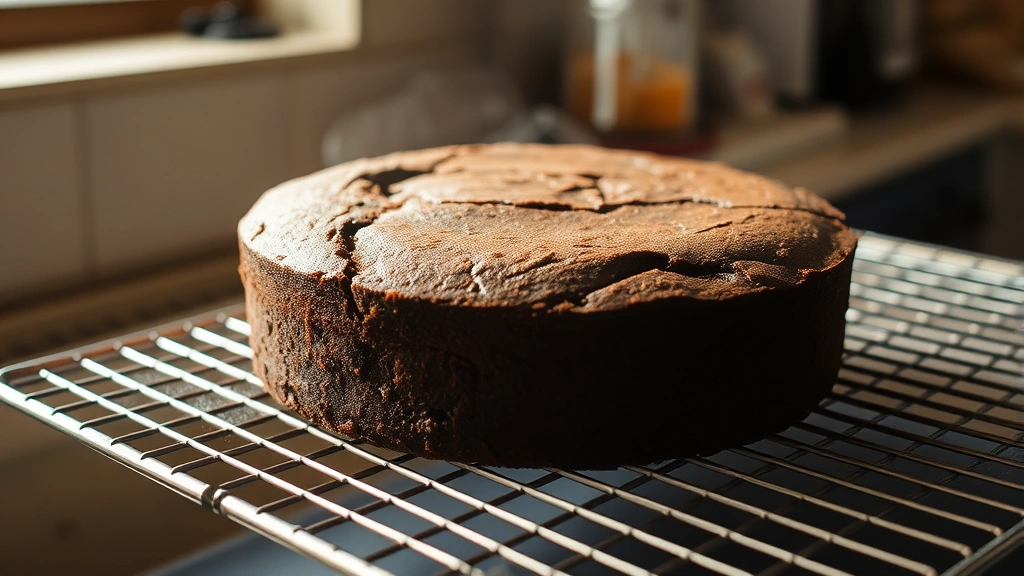
What is Wacky Cake and Why It Works
Wacky cake, also known as “depression cake” or “crazy cake,” emerged during the 1930s when ingredients like eggs, dairy, and butter were either scarce or too expensive for everyday baking. Resourceful home cooks developed this recipe as a solution, and it became so beloved that it has persisted long after the economic crisis ended. The cake’s success wasn’t accidental—it’s built on solid baking science.
The magic happens through a simple acid-base reaction. When vinegar (an acid) meets baking soda (a base), it creates carbon dioxide gas bubbles that provide leavening throughout the batter. This is the same principle that makes baking science fascinating to home cooks. The oil in the batter replaces the fat from butter and eggs, creating a tender crumb while keeping the cake moist for days. Vegetable oil is particularly effective because it distributes evenly throughout the batter, unlike solid butter which can create dense pockets.
What makes wacky cake truly reliable is that it doesn’t depend on emulsification (the process of binding fat and water together) the way traditional cakes do. Instead, the oil simply coats the flour particles, creating a tender structure. This means fewer things can go wrong during mixing and baking. You don’t have to worry about curdled eggs or overbeaten whites—because there are none. This simplicity is precisely why wacky cake has remained a trusted recipe for nearly a century.

Essential Ingredients for Success
Understanding each ingredient’s role helps you appreciate why wacky cake works so well and allows you to make intelligent substitutions when necessary. Here’s what you’ll need for a standard 9-inch round cake:
- All-purpose flour (1½ cups): Provides structure and gluten development. Don’t sift unless your recipe specifically calls for it—modern flour is already sifted during processing.
- Granulated sugar (1 cup): Sweetens the cake and helps retain moisture. Sugar also contributes to browning and creates a tender crumb when properly creamed or mixed.
- Unsweetened cocoa powder (3 tablespoons): While traditional wacky cake is chocolate, you can omit this for vanilla. The cocoa adds richness and depth.
- Baking soda (½ teaspoon): The leavening agent that reacts with vinegar. Don’t skip this or substitute baking powder—the chemistry won’t work the same way.
- Salt (½ teaspoon): Enhances flavor and controls fermentation. It’s not optional, even though it seems small.
- Vegetable oil (⅓ cup): Creates moisture and tenderness. Avoid olive oil, which will impart unwanted flavor. Neutral oils like canola or sunflower work perfectly.
- Apple cider vinegar or white vinegar (1 tablespoon): The acid that reacts with baking soda. This creates the lift that makes wacky cake so reliable.
- Vanilla extract (1 teaspoon): Enhances overall flavor complexity. Pure vanilla is worth the investment over imitation.
- Hot water or coffee (½ cup): Activates the cocoa and helps create a more tender crumb. Coffee intensifies chocolate flavor without making it taste like coffee.
The ratio of these ingredients has been tested and refined over decades. While small variations won’t ruin your cake, keeping proportions accurate ensures the best results. This is especially true for the acid and base ingredients—vinegar and baking soda must be balanced for proper leavening.
Step-by-Step Instructions
The beauty of wacky cake is that the method is straightforward and forgiving. Follow these steps carefully, and you’ll have a moist, delicious cake every time.
Preparation (5 minutes): Preheat your oven to 350°F. Grease a 9-inch round cake pan thoroughly with butter or cooking spray, then dust it lightly with flour. Tap out excess flour. If you prefer, line the bottom with parchment paper for easier removal. This step prevents sticking and ensures clean cake edges.
Dry Ingredients (3 minutes): In a medium mixing bowl, whisk together flour, sugar, cocoa powder, baking soda, and salt. Whisking combines ingredients evenly and aerates the flour slightly. Make sure there are no lumps of cocoa powder or baking soda—these can create dense spots in your finished cake. If you find lumps, press them against the bowl with the back of a spoon.
Wet Ingredients (2 minutes): In a small bowl, whisk together oil, vinegar, vanilla extract, and hot water. The hot water should be just shy of boiling but not scalding. This temperature helps bloom the cocoa flavor and ensures even distribution throughout the batter. Whisking these together ensures the vinegar distributes evenly—this is important for consistent leavening.
Combining (2 minutes): Pour the wet ingredients into the dry ingredients and stir with a spatula or wooden spoon until just combined. Don’t overmix. A few small lumps are okay and actually preferable to overmixing, which develops too much gluten and creates a tough cake. Stir for about 15-20 strokes, until you see no dry flour streaks. The batter should be smooth but not glossy.
Baking (30-35 minutes): Pour the batter into your prepared pan and smooth the top with a spatula. Place in the preheated oven on the middle rack. Bake for 30-35 minutes, until a toothpick inserted in the center comes out with just a few moist crumbs (not wet batter). Oven temperatures vary, so start checking at 28 minutes. The top should spring back when lightly touched, and the cake should smell deeply chocolatey.
Cooling (essential step): Remove the cake from the oven and let it cool in the pan for 10 minutes. This allows the structure to set enough for safe removal. Then turn it out onto a wire rack and cool completely before frosting. Frosting a warm cake causes melting and sliding.
Pro Tips for Perfect Results
These professional techniques elevate your wacky cake from good to exceptional. When you’re ready to expand your baking repertoire, you might also enjoy exploring sweet potato souffle recipe techniques, which share similar moisture-management principles.
- Room temperature ingredients: While wacky cake is forgiving, ingredients closer to room temperature mix more evenly. Take oil and eggs out 30 minutes before baking if your kitchen is particularly cold.
- Use fresh baking soda: Baking soda loses potency over time. If your box is more than 6 months old, replace it. Old baking soda means less lift and a denser cake.
- Don’t skip the hot water: This isn’t just for thinning the batter. Hot liquid blooms cocoa powder, releasing its flavor compounds. It also helps create a more tender crumb by partially gelatinizing the starch.
- Measure flour correctly: Spoon flour into your measuring cup and level it off with a knife—don’t scoop directly from the bag. Scooping compacts flour and can add up to 25% more than intended.
- Test for doneness accurately: Use a toothpick or thin knife. Insert it into the center and withdraw it. A few moist crumbs are ideal; wet batter means more baking is needed. If you see mostly moist crumbs and the cake jiggles slightly when you gently shake the pan, give it another 2-3 minutes.
- Cool completely before frosting: Warm cake melts frosting and creates a sloppy appearance. Complete cooling takes about 90 minutes on a wire rack.
- Use an oven thermometer: Many home ovens run hot or cold. An inexpensive oven thermometer ensures accurate temperatures, which directly affects baking time and cake texture.
If you’re interested in other tried-and-true baking methods, exploring how to cook with cast iron techniques can teach you about heat distribution and consistent results in the kitchen.
Frosting and Serving Ideas
A wacky cake deserves equally delicious frosting. The tender crumb pairs beautifully with rich, creamy frostings.
Classic Chocolate Buttercream: Cream together 4 tablespoons softened butter with ⅔ cup unsweetened cocoa powder and 3 cups powdered sugar. Add 4-5 tablespoons milk and 1 teaspoon vanilla extract. Beat until fluffy and spreadable. This frosting is rich, smooth, and complements the cake’s tenderness perfectly.
Cream Cheese Frosting: Beat 8 ounces cream cheese with 4 tablespoons butter until smooth. Gradually add 2 cups powdered sugar and 1 teaspoon vanilla. This provides a tangy contrast to the sweet cake and adds richness without heaviness.
Fudgy Frosting: In a saucepan, melt 4 tablespoons butter with 2 ounces unsweetened chocolate over low heat. Remove from heat and whisk in 3 tablespoons milk, 1 tablespoon cocoa powder, and 1½ cups powdered sugar. This frosting has a deeper, more intense chocolate flavor.
Serving Suggestions: Serve wacky cake at room temperature for the best flavor and texture. Pair with cold milk, coffee, or hot tea. A scoop of vanilla ice cream on warm cake creates a simple but elegant dessert. For special occasions, consider layering two cakes with frosting between them, similar to how you might approach candied sweet potato recipes for holiday gatherings.
Wacky cake also works beautifully as a base for creative presentations. Top with fresh berries, dust with powdered sugar, or drizzle with chocolate ganache. The mild, tender crumb lets other flavors shine, making it endlessly versatile for entertaining.
Storage and Make-Ahead Options
One of wacky cake’s greatest advantages is how well it stores. The oil in the batter keeps it moist for days, unlike many traditional cakes that dry out quickly.
Room Temperature Storage: Keep unfrosted cake covered with plastic wrap or in an airtight container for up to 3 days. The cake actually improves slightly as it sits, with flavors melding and the crumb becoming even more tender. Frosted cake also keeps for 3 days when stored in a cool kitchen or cake box.
Refrigerator Storage: If your kitchen is warm or humid, store frosted cake in the refrigerator for up to 5 days. Let it come to room temperature for 30 minutes before serving for optimal flavor and texture. Unfrosted cake keeps for up to a week refrigerated.
Freezing Unfrosted Cake: Wrap cooled, unfrosted cake tightly in plastic wrap and aluminum foil. Freeze for up to 3 months. Thaw at room temperature for about 2 hours before frosting. This is an excellent make-ahead strategy for busy weeks.
Freezing Frosted Cake: Freeze unfrosted layers, then assemble and frost after thawing. If you must freeze frosted cake, wrap it well and use within 2 months. Frosting texture may change slightly after freezing, so refrosting with fresh frosting is often preferable.
Batter Storage: Unlike some batters, wacky cake batter doesn’t improve with sitting and can begin to separate. Make and bake immediately after mixing. The acid-base reaction works best when components are fresh and properly combined.
For entertaining, you might pair your wacky cake with other make-ahead dishes. Consider preparing easy chicken casserole recipe with Ritz as a main course, then serving cake for dessert. Both store and reheat beautifully. Or start your meal with creamy tomato soup recipe before bringing out your chocolate cake for a well-rounded meal.
FAQ
Can I make wacky cake without eggs?
Yes! That’s the entire point of wacky cake. It contains no eggs whatsoever. The baking soda and vinegar provide all the leavening, while oil creates tenderness and moisture. This makes it naturally suitable for vegan diets when using vegan-friendly frosting.
What can I substitute for vinegar?
Apple cider vinegar and white vinegar work equally well. Lemon juice can substitute in a pinch, though the flavor will be slightly different. The key is the acidity—aim for about 1 tablespoon of acidic liquid. Avoid specialty vinegars like balsamic or rice vinegar, which will affect flavor.
Can I use oil other than vegetable oil?
Canola oil, sunflower oil, and grapeseed oil all work beautifully. Coconut oil can work but may create a slightly different texture. Avoid strongly flavored oils like walnut or sesame oil. Never use olive oil, which creates an unpleasant flavor in cake.
Why is my wacky cake dense?
Overmixing is the most common culprit. Stir just until combined—don’t beat the batter. Overmixing develops gluten, which creates a tough, dense cake. Additionally, old baking soda won’t provide enough lift. Finally, measuring flour by scooping (rather than spooning and leveling) can compact too much flour into the pan, creating density.
Can I make this as cupcakes?
Absolutely. Divide batter among lined muffin cups, filling each about two-thirds full. Bake at 350°F for 18-22 minutes. Cupcakes actually cool faster than a layer cake, making them convenient for individual servings.
Is wacky cake truly vegan?
The cake itself is vegan, but traditional frostings aren’t. Use vegan butter and plant-based alternatives for a fully vegan frosting. Alternatively, dust the cake with powdered sugar or serve unfrosted with fresh berries.
How does wacky cake compare to regular chocolate cake?
Wacky cake is notably more tender and moist than many traditional cakes. It has a slightly more delicate crumb. Some people find it less rich than butter-based cakes, though quality frosting balances this beautifully. The simplicity of ingredients means fewer potential failure points.
Can I add mix-ins like nuts or chocolate chips?
Yes. Fold in up to ½ cup of chopped nuts, chocolate chips, or shredded coconut after combining wet and dry ingredients. Don’t overmix when adding these—stir gently just until distributed. Chopped walnuts or pecans complement chocolate beautifully.
What’s the difference between baking soda and baking powder?
Baking soda requires an acid (vinegar) to activate. Baking powder contains baking soda plus acid already built in. For wacky cake, you must use baking soda and vinegar—the combination is essential to the recipe’s success. Don’t substitute baking powder.


