
Walnut Pesto Recipe: Chef’s Secret Sauce for Elevated Cooking
Walnut pesto is the sophisticated cousin of traditional basil pesto that every home cook should master. Unlike the pine nut version most people know, this nutty variation delivers incredible depth of flavor while being more budget-friendly and accessible year-round. Whether you’re tossing it with pasta, spreading it on sandwiches, or using it as a finishing sauce for proteins, walnut pesto transforms ordinary dishes into restaurant-quality meals in minutes.
What makes walnut pesto truly special is its versatility and the way toasted walnuts create a rich, earthy backbone that complements both light and hearty dishes. Professional chefs have long kept this recipe close to their chest because it’s so simple yet so effective. The beauty lies in understanding the balance between the nuttiness of walnuts, the brightness of fresh basil, and the sharpness of garlic and cheese. This guide will walk you through everything you need to know to create this chef’s secret sauce in your own kitchen.

Why Walnut Pesto Beats Traditional Pesto
Traditional pine nut pesto is delicious, but walnut pesto offers several compelling advantages that professional chefs prefer. First, walnuts are significantly more affordable than pine nuts, which can cost three to four times as much per pound. This means you can make larger batches without guilt and keep your pantry stocked with this versatile sauce.
Beyond economics, walnut pesto delivers superior nutritional benefits. Walnuts are packed with omega-3 fatty acids, making this sauce not just delicious but genuinely good for your heart health. They also contain polyphenols and antioxidants that pine nuts simply don’t match in concentration. When you’re creating low-carb dinner recipes, walnut pesto becomes an excellent protein-rich component that keeps you satisfied.
The flavor profile of walnut pesto is distinctly different and arguably more interesting than pine nut versions. Toasted walnuts bring an almost buttery, slightly sweet undertone that pairs beautifully with aged cheeses and fresh herbs. This complexity makes walnut pesto work brilliantly in high-protein slow cooker recipes where you want layers of flavor to develop throughout cooking.
Another significant advantage is consistency and availability. Walnuts are harvested reliably year-round and available everywhere, while pine nuts can be seasonal and sometimes difficult to source. This means you can make walnut pesto whenever inspiration strikes, not just when specialty ingredients appear at your market.
Essential Ingredients Breakdown
Creating authentic walnut pesto requires understanding each ingredient’s role in the final sauce. While the ingredient list is short, quality matters tremendously because these components can’t hide behind complexity.
Walnuts: Use raw, unsalted walnuts for maximum control over your final product. Raw walnuts provide a cleaner taste that allows other ingredients to shine. You’ll need about one cup of raw walnuts for a standard batch. Before processing, lightly toast your walnuts in a dry skillet over medium heat for three to four minutes. This step is crucial—toasting awakens the nuts’ natural oils and develops their rich, complex flavor. You’ll know they’re ready when they become fragrant and darken slightly.
Fresh Basil: Use only fresh, vibrant basil leaves—dried basil simply won’t work in this recipe. Plan on two cups of loosely packed basil leaves. The best basil for pesto is young and tender, picked in the morning after the dew dries but before the heat of the day intensifies. If you’re using basil from your garden, choose leaves from the top of the plant for the most delicate flavor.
Garlic: Two to three cloves of fresh garlic provide the pungent backbone. Don’t skip fresh garlic for powdered versions—the difference is dramatic. Choose firm garlic bulbs with unblemished skin. If your garlic has begun to sprout, remove the green germ before processing, as it can taste bitter.
Cheese: Aged Parmigiano-Reggiano is the traditional choice, and its crystalline texture and complex umami notes elevate the entire sauce. Use about three-quarters cup of freshly grated cheese. If you can’t find Parmigiano-Reggiano, aged Pecorino Romano works beautifully and adds a slightly sharper edge. Always grate cheese fresh—pre-grated versions contain anti-caking agents that affect texture.
Olive Oil: Choose extra-virgin olive oil with a flavor profile you enjoy. You’ll need approximately one-third to one-half cup. Some cooks prefer a more robust, peppery oil, while others choose milder varieties. This is where you can personalize your pesto. Avoid heat-processed oils, as they lack the nuanced flavors that make walnut pesto special.
Lemon Juice: Two tablespoons of fresh lemon juice brighten the sauce and prevent oxidation. Always use fresh lemons—bottled juice lacks the vitality needed. The acidity also helps preserve your pesto if you’re making it ahead.
Salt and Pepper: Sea salt and freshly ground black pepper are your final seasoning adjustments. These humble ingredients balance all the bold flavors and should be added gradually, tasting as you go.
Step-by-Step Preparation Method
Creating walnut pesto is straightforward when you follow proper technique. The method differs slightly from traditional pesto-making because walnuts require different handling than pine nuts.
Step One: Toast the Walnuts Place your raw walnuts in a dry skillet over medium heat. Stir frequently for three to four minutes until they become fragrant and slightly darker. Transfer them immediately to a plate to cool—residual heat can cause overcooking. This toasting step is non-negotiable for developing the deep, complex flavor that distinguishes exceptional walnut pesto.
Step Two: Prepare Your Basil Wash your basil leaves gently and pat completely dry with paper towels. Moisture is the enemy of vibrant green pesto. Remove leaves from stems and discard any yellowed or damaged leaves. Having your basil completely dry prevents it from turning black during processing.
Step Three: Combine in Food Processor Add your cooled toasted walnuts to a food processor fitted with the metal blade. Pulse until roughly chopped—you want some texture remaining, not walnut butter. Add your garlic cloves and pulse a few more times. Add your basil in two batches, pulsing between additions until the leaves are broken down but still visible as small pieces.
Step Four: Add Cheese and Liquids Add your freshly grated Parmigiano-Reggiano and pulse to combine. Slowly drizzle your olive oil through the feed tube while pulsing. Add your lemon juice and pulse again. The mixture should be thick and chunky with visible basil and walnut pieces—not a smooth puree.
Step Five: Season and Taste Add salt and pepper gradually, pulsing and tasting after each addition. Remember that Parmigiano-Reggiano is already salty, so be conservative. The finished pesto should taste bright, nutty, and herbaceous with no single ingredient overpowering the others.
Pro Tips for Perfect Results
Professional chefs have refined walnut pesto-making into an art form. These techniques will elevate your results significantly.
Temperature Control: Keep everything cool before processing. Chill your food processor bowl in the freezer for ten minutes before starting. Warm equipment can cause the basil to darken and the pesto to become gummy. Professional kitchens maintain cold prep stations specifically for this reason.
Pulse, Don’t Blend: This is crucial. Using a continuous blend setting creates heat through friction and oxidizes your beautiful green basil into an unappetizing brown. Pulsing keeps temperatures lower and gives you better control over texture. Your goal is a sauce with character and texture, not baby food.
Walnut Size Matters: Use uniformly sized walnut pieces. Smaller pieces break down faster during processing, while larger ones remain chunky. If you have a mix of sizes, chop larger pieces before toasting to ensure even cooking and consistent texture in your final pesto.
Basil Selection: Genovese basil is the traditional choice for pesto and offers the most classic flavor. However, Thai basil creates an interesting variation with subtle anise notes, and African Blue basil brings peppery complexity. Experiment to find your preference, but use only one type per batch for consistency.
Cheese Balance: While Parmigiano-Reggiano is traditional, adding a small amount of Pecorino Romano (about one-quarter cup mixed with three-quarters cup Parmigiano-Reggiano) adds interesting sharpness that cuts through the richness of walnuts beautifully.
Oil Emulsification: Don’t add all your oil at once at the end. Instead, drizzle it slowly while pulsing to create an emulsion that’s more stable and better integrated. This technique is what separates restaurant-quality pesto from home versions.
Storage and Make-Ahead Strategies
Understanding proper storage extends your walnut pesto’s life and keeps it tasting fresh. These techniques are essential for meal prep and entertaining.
Refrigerator Storage: Transfer your finished pesto to a clean glass jar and smooth the surface. Cover with a thin layer of olive oil to prevent oxidation and browning. This creates an airtight seal that keeps your pesto vibrant green for up to five days. The oil layer also tastes wonderful when you use the last of your pesto.
Freezing Method: Walnut pesto freezes beautifully for up to three months. Divide into ice cube trays for portion control, freeze solid, then transfer cubes to freezer bags. This method lets you use exactly what you need without thawing the entire batch. Frozen pesto is perfect for carnivore recipes where you want quick, nutrient-dense sauce additions.
Make-Ahead Technique: You can prepare everything except the cheese and oil up to one day ahead. Keep the walnut, basil, and garlic mixture in an airtight container in the refrigerator. Add cheese and oil just before serving for maximum freshness and vibrancy.
Preventing Browning: The enemy of pesto is oxidation. Always use fresh lemon juice (the acid prevents browning), keep your pesto covered, and store in glass rather than plastic. Glass doesn’t interact with the oils and keeps pesto fresher longer.
Creative Uses Beyond Pasta
While walnut pesto is magnificent on pasta, its versatility extends far beyond this classic application. Professional chefs use pesto in countless creative ways.
Protein Finishing Sauce: Spread walnut pesto on salmon, chicken breast, or lamb chops just before serving. The nutty richness complements all proteins beautifully. For foods to avoid for weight loss considerations, using pesto as a flavorful sauce means you need less oil or butter to achieve satisfaction.
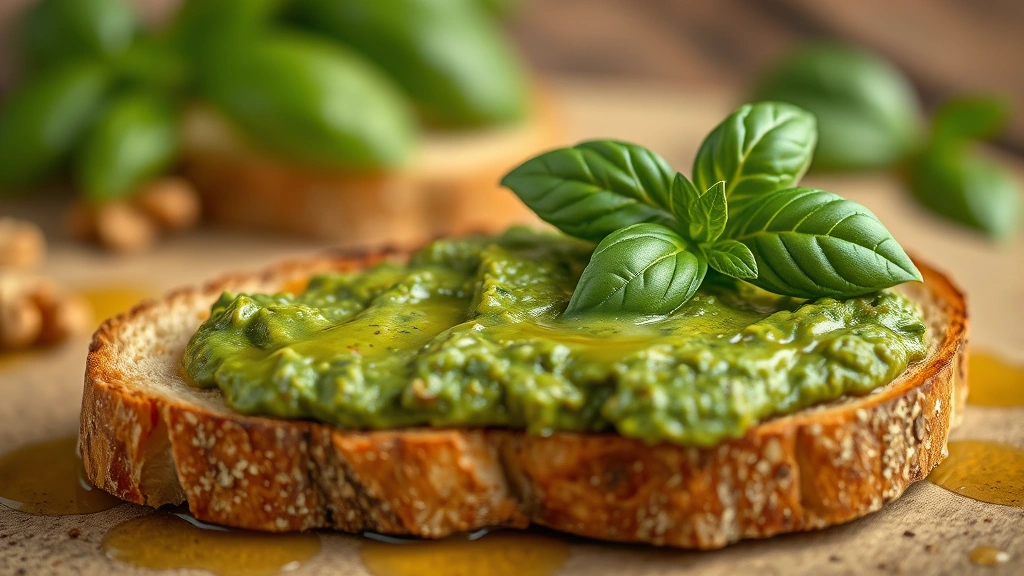
Sandwich and Bread Spreads: Replace mayonnaise with walnut pesto on sandwiches and wraps. Layer it with roasted vegetables, fresh mozzarella, and prosciutto for a sophisticated lunch. Spread it on toasted bread as an appetizer base.
Vegetable Coating: Toss roasted vegetables—zucchini, bell peppers, eggplant, or tomatoes—with walnut pesto immediately after roasting while they’re still warm. The heat helps the pesto coat the vegetables evenly and flavors integrate beautifully.
Soup Garnish: Float a generous dollop of walnut pesto on creamy soups, vegetable soups, or even tomato bisque. The contrast of temperatures and the burst of fresh flavor elevates simple soups into restaurant-worthy dishes.
Cheese and Charcuterie Boards: Serve walnut pesto in a small bowl alongside cheeses, cured meats, and bread. Guests can spread it on crackers or use it as a dip. It’s an elegant addition that shows thoughtful entertaining.
Grain Bowls: Mix walnut pesto into grain bowls with quinoa, farro, or brown rice. Add roasted vegetables, legumes, and a protein for a complete, delicious meal that tastes like restaurant food.
Eggs and Breakfast: Swirl walnut pesto into scrambled eggs or omelets for an upscale breakfast. Mix it into Greek yogurt for a protein-rich breakfast spread on whole grain toast.
Dressing Base: Thin walnut pesto with additional olive oil and lemon juice to create a unique salad dressing. This works particularly well on hearty green salads with roasted vegetables and nuts.
FAQ
Can I make walnut pesto without a food processor?
Yes, though the texture will be different. Use a mortar and pestle, working in stages. Start with garlic and salt, grinding into a paste. Add walnuts gradually, grinding until broken down. Add basil in batches, then fold in cheese and oil by hand. This method takes longer but produces a more rustic, textured pesto that many cooks prefer.
Why did my pesto turn brown?
Browning occurs from oxidation, usually caused by overprocessing, warm equipment, or insufficient acid. Always use fresh lemon juice, keep everything cold, pulse rather than blend continuously, and work quickly. If browning happens, add more fresh lemon juice and use immediately or freeze to preserve color.
Can I substitute walnuts with other nuts?
Absolutely. Almonds create a milder, slightly sweeter pesto. Pecans add buttery richness. Hazelnuts bring interesting earthiness. Pine nuts, of course, create traditional pesto. Use the same quantity of whatever nut you choose, but toast all nuts before processing to develop their best flavors.
Is walnut pesto suitable for dairy-free diets?
Yes. Omit the Parmigiano-Reggiano or replace it with nutritional yeast for a similar umami quality. The pesto will taste slightly different but remains delicious. Use the same quantity of nutritional yeast as you would cheese.
How much walnut pesto should I use per serving?
For pasta, use two to three tablespoons per serving, mixed with the hot pasta and a splash of pasta water to create a light coating. For other applications, use one to two tablespoons as a condiment or finishing sauce. Remember that pesto is intensely flavored, so a little goes a long way.
Can I make walnut pesto without garlic?
You can, but garlic provides essential pungency that balances the richness of walnuts and cheese. If you must omit it, increase lemon juice slightly and consider adding a tiny pinch of red pepper flakes for complexity. The result will be milder but still delicious.
What’s the best pasta to pair with walnut pesto?
Short, chunky pasta like penne, fusilli, or farfalle works beautifully because pesto clings to the shapes. Delicate pasta like angel hair or linguine can get overwhelmed by walnut pesto’s richness. Whole grain or legume-based pastas pair particularly well, adding nutritional depth.


