Murgh curry, derived from the Hindi word “murgh” meaning chicken, represents one of India’s most beloved comfort dishes. This aromatic, deeply flavored curry has graced dinner tables across the Indian subcontinent for centuries, with each region boasting its own distinctive preparation method. The beauty of murgh curry lies in its versatility—whether you prefer a creamy tomato-based sauce, a coconut-infused version, or a spiced dry preparation, this dish adapts beautifully to your preferences and available ingredients.
What makes a truly chef-approved murgh curry is the careful balance of spices, the quality of your base ingredients, and understanding the fundamental cooking techniques that transform simple chicken into something extraordinary. Professional chefs emphasize that this dish is not about rushing; it’s about allowing flavors to develop and meld together into a harmonious, restaurant-quality result. In this comprehensive guide, we’ll walk through every step of creating an authentic murgh curry that rivals your favorite Indian restaurant, complete with chef-tested tips and variations to suit any dietary preference.
Essential Ingredients for Authentic Murgh Curry
The foundation of any exceptional murgh curry recipe begins with quality ingredients. Unlike many Western dishes, Indian cooking relies heavily on whole spices that you toast and grind fresh, though pre-ground spices work perfectly well for home cooks. The primary spices you’ll need include cumin seeds, coriander seeds, fenugreek, mustard seeds, and dried red chilies. These aromatic foundations create the depth that separates a mediocre curry from a chef-approved masterpiece.
For your protein, select chicken pieces that are relatively uniform in size—either boneless, skinless chicken breasts cut into chunks, or bone-in thighs for maximum flavor. Many professional chefs prefer thighs because they remain tender during the cooking process and contribute more flavor to the sauce. Fresh ginger-garlic paste serves as another crucial component; while you can purchase pre-made versions, freshly made paste delivers superior flavor and aroma that truly elevates your final dish.
Your aromatics include yellow onions, which should be sliced thinly for proper caramelization, and fresh tomatoes or good-quality canned tomatoes if fresh ones aren’t available. The tomatoes provide acidity that balances the richness of the spices and any cream or coconut milk you might add. Don’t overlook fresh cilantro and mint, which provide brightness and freshness to counterbalance the warm spices. If you’re exploring keto chicken recipes, this murgh curry adapts beautifully by omitting any added sugar and using full-fat coconut milk.
Essential ingredient checklist:
- 2 pounds boneless chicken (thighs preferred) or bone-in pieces
- 3 large onions, sliced
- 4 tablespoons ginger-garlic paste
- 4-5 medium tomatoes, chopped (or 1 can crushed tomatoes)
- 2 teaspoons cumin seeds
- 1 teaspoon coriander seeds
- 4-5 dried red chilies
- 1 teaspoon turmeric powder
- 2 teaspoons garam masala
- 1 teaspoon kasuri methi (dried fenugreek leaves)
- 3/4 cup yogurt or coconut milk
- 3 tablespoons vegetable oil or ghee
- Salt and black pepper to taste
- Fresh cilantro and mint for garnish
Preparing Your Chicken and Aromatics
Proper preparation sets the stage for cooking success. Begin by patting your chicken pieces completely dry with paper towels—moisture prevents proper browning and affects the texture of your final dish. Season the chicken generously with salt and black pepper at least 15 minutes before cooking; this allows the seasoning to penetrate the meat rather than simply sitting on the surface. Some chefs prefer marinating chicken in yogurt mixed with ginger-garlic paste for 30 minutes to an hour, which tenderizes the meat and infuses it with flavor.
While your chicken sits, prepare your aromatics by slicing onions into thin, uniform pieces. Uniform thickness ensures even cooking and consistent caramelization. Mince your ginger-garlic paste finely, or if making fresh, blend equal parts ginger and garlic into a smooth paste using a food processor or traditional mortar and pestle. Chop your tomatoes into small pieces, removing excess seeds and juice if using fresh tomatoes, as excess liquid can thin your sauce.
Toast your whole spices in a dry pan over medium heat for 2-3 minutes until fragrant, stirring constantly to prevent burning. This crucial step awakens the essential oils in the spices and intensifies their flavors dramatically. Once toasted and cooled slightly, grind them into a coarse powder using a spice grinder or coffee grinder reserved for spices. This fresh spice blend outperforms pre-ground versions significantly.
Building the Curry Base
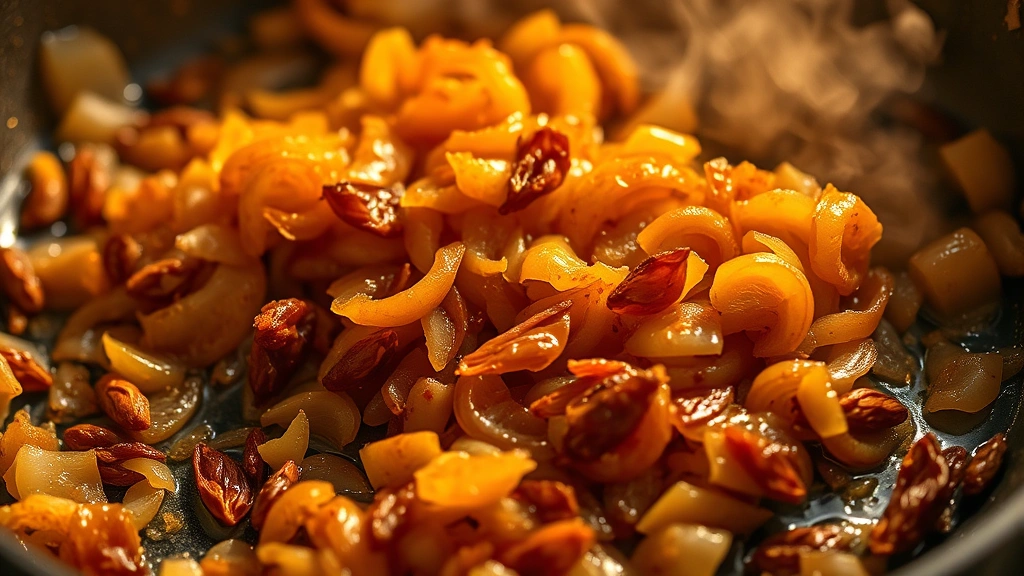
The curry base represents the soul of your murgh curry, and building it properly requires patience and attention. Heat your oil or ghee in a large, heavy-bottomed pan or Dutch oven over medium-high heat. Once shimmering, add your sliced onions and cook for 8-10 minutes, stirring frequently, until they turn golden brown. This caramelization develops sweetness and depth; resist the urge to rush this step, as properly caramelized onions are essential to restaurant-quality results.
Once onions reach a beautiful golden hue, add your ginger-garlic paste and cook for 2-3 minutes, stirring constantly. The mixture should become fragrant and slightly darker. This step cooks out the raw flavors of the ginger and garlic, allowing them to meld seamlessly into your base. Add your toasted and ground spices at this point, stirring constantly for 1-2 minutes. The spices will coat the onion mixture and bloom in the hot oil, releasing their aromatic compounds.
Add your chopped tomatoes and cook for 5-7 minutes, stirring occasionally, until they break down and the mixture becomes a cohesive paste. You’ll notice the oil beginning to separate slightly from the spice mixture—this is the desired consistency. At this point, your base is ready to receive the chicken. If you’re looking for healthy crockpot recipes, you can transfer this base and chicken to a slow cooker for a hands-off cooking method.
Cooking Techniques Chefs Use
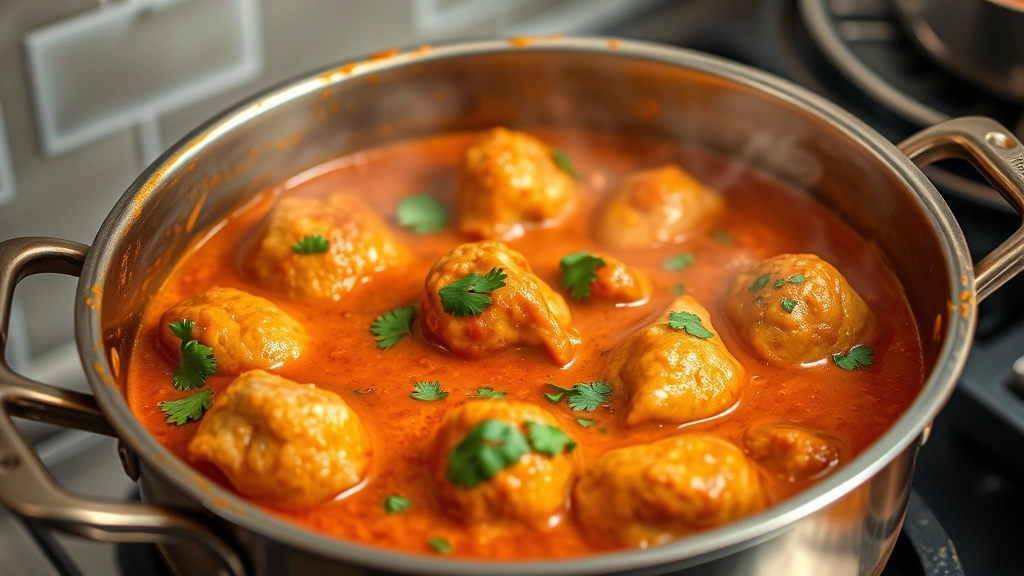
Professional chefs employ specific techniques to ensure your murgh curry achieves that coveted restaurant quality. First, when adding chicken to your curry base, arrange it in a single layer and allow it to sear for 2-3 minutes per side before stirring. This develops a flavorful crust through the Maillard reaction, adding complexity to your final dish. Only after searing should you stir the chicken into the curry base and sauce.
The cooking time depends on your chicken pieces’ size, but generally 15-20 minutes of simmering will cook boneless chicken through, while bone-in pieces may require 25-30 minutes. The sauce should reduce and thicken naturally as the chicken cooks and releases its juices. If your sauce seems too thin after cooking, increase heat slightly and simmer uncovered for additional minutes, stirring occasionally to prevent sticking.
Temperature control proves crucial throughout cooking. Maintain a gentle simmer rather than a rolling boil, which can toughen the chicken and cause the sauce to reduce too quickly, concentrating flavors unevenly. Use a meat thermometer to verify doneness—chicken should reach an internal temperature of 165°F (74°C). This ensures food safety while preventing overcooking.
Adding your yogurt or coconut milk requires a gentle hand. If using yogurt, temper it first by whisking a small amount of the hot curry sauce into the yogurt before adding it back to the pan. This prevents curdling and ensures a smooth, creamy consistency. Stir in the tempering liquid slowly and continuously for 2-3 minutes. If using coconut milk, add it gradually while stirring and simmer for an additional 5-10 minutes to allow flavors to marry.
Many chefs add a finishing touch of kasuri methi (dried fenugreek leaves) crushed between their palms just before serving. This aromatic herb adds an intriguing earthiness and complexity that elevates the dish noticeably. Similarly, a squeeze of fresh lemon juice brightens the flavors and adds necessary acidity to balance the richness.
Variations and Dietary Adaptations
The beauty of murgh curry lies in its adaptability. The classic version described above forms the foundation for countless variations. For a creamier curry, increase your yogurt or coconut milk to 1 full cup and reduce the tomatoes to 3 medium ones. This creates a silkier sauce that clings beautifully to rice or bread. Some regional variations incorporate cashew paste ground from soaked cashews, which adds richness and subtle sweetness.
For those following keto chicken recipes, omit any added sugar and rely on the natural sweetness of caramelized onions and tomatoes. Use full-fat coconut milk or heavy cream instead of yogurt, and ensure your spice blends contain no added sugars. This version remains deeply satisfying and delicious.
A dry murgh curry preparation, popular in certain Indian regions, follows the same base-building process but uses less liquid. Instead of adding yogurt or coconut milk, you reduce the sauce until it clings to each piece of chicken in a thick, concentrated coating. This version showcases the spices more prominently and pairs beautifully with flatbreads for scooping.
For those seeking lighter options, you can reduce the oil to 2 tablespoons and use Greek yogurt or a combination of yogurt and broth instead of cream-based additions. The flavors remain bold and authentic while reducing overall fat content. Vegetarian adaptations simply replace chicken with paneer (Indian cheese) cubes, chickpeas, or cauliflower florets, adjusting cooking times accordingly.
Regional variations worth exploring include Butter Chicken (murgh makhani), which incorporates tomato sauce and butter for a sweeter, more indulgent curry, and Chettinad Chicken, which uses coconut and more assertive spicing. Each variation teaches valuable lessons about how different ingredients interact with your base.
Serving Suggestions and Pairings
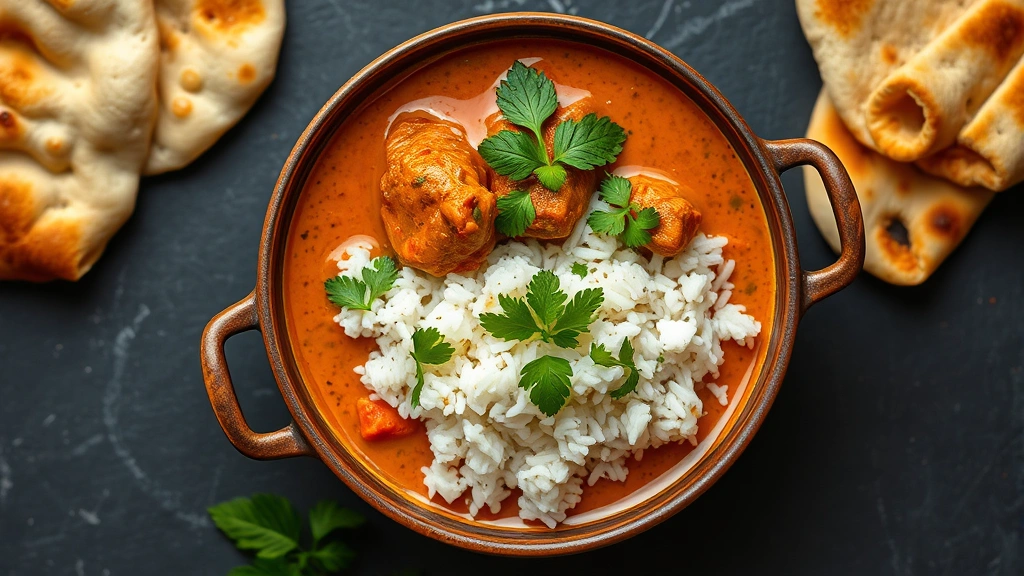
A perfectly executed murgh curry deserves equally thoughtful serving suggestions. Basmati rice stands as the traditional accompaniment, its delicate flavor providing a neutral canvas that allows your curry’s complex spices to shine. For a complete meal, consider pairing with naan bread, roti, or paratha—the bread’s mild flavor and texture create a satisfying eating experience.
For presentation, transfer your murgh curry to a serving dish and garnish generously with fresh cilantro and mint. A dollop of yogurt on the side adds cooling contrast, while a squeeze of fresh lemon juice brightens the flavors just before eating. Some chefs garnish with fried onions for textural contrast and visual appeal.
If you’re planning a larger meal, murgh curry pairs beautifully with cooling raita (yogurt-based side dish), pickled vegetables, or a simple cucumber and tomato salad. These accompaniments provide textural variety and help balance the richness and spice of the curry. For those exploring fall recipes, murgh curry works beautifully during cooler months when you crave warming, spiced dishes.
Wine pairings, though not traditional, can enhance the dining experience. A lightly sweet white wine like Riesling or Gewürztraminer complements the spices without overwhelming them. For beer lovers, a crisp lager or a wheat beer provides refreshing contrast to the curry’s richness.
Storage and reheating ensure your murgh curry maintains quality. Refrigerate in an airtight container for up to 4 days, or freeze for up to 3 months. When reheating, add a splash of water or broth to restore the sauce’s consistency, and warm gently over medium heat, stirring occasionally. The flavors actually deepen after a day or two as ingredients continue melding together.
FAQ
Can I make murgh curry without yogurt or coconut milk?
Absolutely. While these additions create creaminess, traditional murgh curry relies primarily on tomatoes and spices for its sauce. Simply omit the yogurt or coconut milk and allow your sauce to reduce to your desired consistency. The curry will be lighter but still deeply flavorful. You can add a tablespoon of butter at the end for richness if desired.
How do I prevent my curry from being too spicy?
Control spice levels by reducing the number of dried red chilies and removing their seeds before grinding. The seeds contain the most heat. You can also add spice gradually, tasting as you go. Adding yogurt or coconut milk helps temper spiciness by providing cooling richness. A squeeze of lemon juice also reduces the perception of heat by adding brightness.
What’s the difference between murgh curry and butter chicken?
Butter chicken (murgh makhani) specifically includes butter and cream, resulting in a sweeter, richer sauce with a characteristic reddish hue. Traditional murgh curry is more straightforward, featuring tomatoes, yogurt, and spices without the added butter and cream. Butter chicken tends toward sweeter flavor profiles, while murgh curry emphasizes spice complexity.
Can I use boneless chicken breasts instead of thighs?
Yes, boneless chicken breasts work, though thighs remain the professional preference due to their superior flavor and tendency to remain moist during cooking. If using breasts, reduce cooking time to 12-15 minutes to prevent drying them out. Pound them to uniform thickness before cooking for even cooking throughout.
How can I make my curry taste more restaurant-quality?
Several factors elevate home curry to restaurant standards: toast whole spices fresh rather than using pre-ground, properly caramelize your onions without rushing, use bone-in chicken or thighs for maximum flavor, allow adequate simmering time for flavors to develop, and finish with fresh herbs and a squeeze of lemon juice. These details compound to create noticeably superior results.
Is murgh curry suitable for meal prep?
Excellent question. Murgh curry actually improves with time as flavors meld, making it ideal for meal prep. Prepare a large batch on Sunday, portion into containers, and refrigerate for convenient weekday meals. Reheat gently with a splash of water to restore sauce consistency. The dish maintains quality for 4 days refrigerated or 3 months frozen.
What external resources can deepen my curry knowledge?
For comprehensive curry education, explore The Institute of Culinary Education, which offers detailed courses on Indian cooking techniques. Serious Eats provides scientifically-backed explanations of cooking methods and ingredient interactions. The Indian Food Company offers authentic ingredient sourcing and educational content. For spice science specifically, The Flavor Chemist explains how spices interact in dishes. Finally, Indian Cooking Videos provides step-by-step visual guides from experienced home cooks and chefs.


