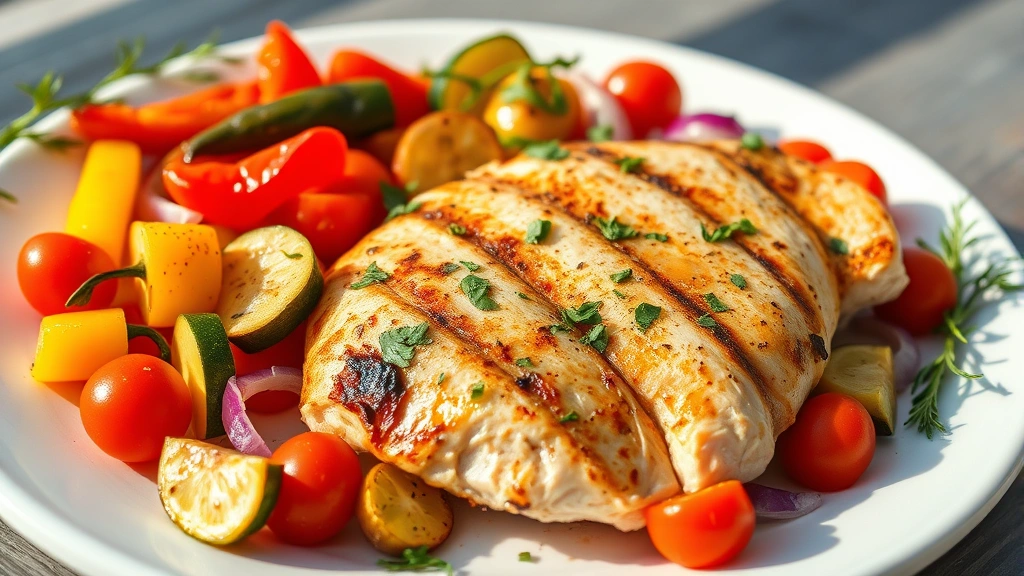
Healthy Chicken Breast Dishes: Nutrition Expert Tips for Delicious Meals
Chicken breast stands as one of the most versatile and nutritious proteins available to home cooks. With its lean composition, high protein content, and minimal saturated fat, it’s a cornerstone ingredient for anyone seeking to maintain a balanced diet without sacrificing flavor. Whether you’re meal prepping for the week or planning a weeknight dinner, understanding how to prepare chicken breast properly transforms it from a bland staple into genuinely exciting cuisine.
This comprehensive guide explores evidence-based techniques from nutrition experts and professional chefs to help you create healthy food recipes with chicken breast that satisfy both your taste buds and your wellness goals. You’ll discover cooking methods that preserve nutrients, seasoning strategies that add complexity without excess sodium, and practical approaches to building balanced meals around this powerhouse protein.
Why Chicken Breast Deserves a Place in Your Healthy Kitchen
Chicken breast has earned its reputation as a nutritional powerhouse for good reason. Unlike darker poultry meat, the white breast meat contains significantly less fat while maintaining exceptional protein density. This makes it particularly valuable for individuals focused on weight management, muscle development, or simply maintaining steady energy levels throughout the day.
The beauty of chicken breast extends beyond its nutritional profile. Its neutral flavor profile serves as a blank canvas for virtually any cuisine—from Mediterranean herb preparations to Asian-inspired glazes, Indian spice combinations to Mexican-style preparations. This adaptability means you’ll never tire of eating it, addressing one of the primary challenges people face when trying to maintain consistent healthy eating habits.
Moreover, chicken breast is economical. When purchased in bulk or during sales, it becomes one of the most affordable proteins available, making healthy eating accessible to various budgets. Its extended shelf life in the freezer allows for strategic purchasing and reduces food waste, connecting directly to broader sustainability goals in your kitchen.
Nutritional Profile and Health Benefits
A typical 100-gram serving of skinless, boneless chicken breast contains approximately 31 grams of protein, 3.6 grams of fat, and zero carbohydrates. This macronutrient distribution makes it particularly beneficial for several dietary approaches, from low-carb to high-protein meal plans. The calorie density sits around 165 calories per 100 grams—relatively low while providing substantial satiety.
Beyond basic macronutrients, chicken breast supplies essential micronutrients often overlooked in casual discussions. It’s an excellent source of B vitamins, particularly niacin and B6, which support energy metabolism and nervous system function. The selenium content contributes to thyroid health and antioxidant defense, while phosphorus supports bone health alongside calcium.
The amino acid profile deserves particular attention. Chicken breast contains all nine essential amino acids in optimal ratios, making it a complete protein. This is especially important for individuals following vegetarian diets who may combine chicken with plant proteins, or anyone seeking to maximize muscle protein synthesis through strategic nutrition.
Research from The Academy of Nutrition and Dietetics consistently demonstrates that including lean poultry in balanced diets supports cardiovascular health, particularly when prepared without added saturated fats. The high protein content also supports metabolic health by increasing thermogenesis—the calories your body burns during digestion.
Selecting and Storing Quality Chicken Breast
Quality selection begins at the grocery store. Look for chicken breasts that are pale pink with a firm texture and no liquid pooling in the package. Avoid meat with gray discoloration, which indicates oxidation and reduced freshness. If possible, purchase from butcher counters where you can request specific cuts and ask about sourcing practices.
Consider the distinction between conventional and pasture-raised chicken breast. While both are nutritionally complete, pasture-raised birds typically have slightly higher omega-3 fatty acid content and lower omega-6 ratios due to their diet and living conditions. The flavor difference is often noticeable, though the premium price may not align with everyone’s budget.
Proper storage is critical for both safety and quality. Fresh chicken breast should be used within two days of purchase when stored on the lowest shelf of your refrigerator to prevent cross-contamination. For longer storage, freeze immediately in airtight containers or vacuum-sealed bags, where it maintains quality for three to four months.
Thawing requires patience. The safest method involves transferring frozen chicken to the refrigerator 24 hours before cooking, allowing gradual temperature equalization. This prevents bacterial proliferation in the danger zone between 40-140°F (4-60°C). If time-pressed, use the cold water method: submerge sealed chicken in cold water, changing the water every 30 minutes, completing thaw in one to two hours.
Cooking Methods That Preserve Nutrients
Not all cooking methods equally preserve chicken breast’s nutritional value. Temperature control, duration, and added fats significantly influence the final nutritional profile. Understanding these variables allows you to select preparation methods aligned with your health goals.
Poaching ranks among the gentlest cooking methods. Simmering chicken breast in broth or water at 160-165°F (71-74°C) internal temperature maintains moisture while minimizing nutrient loss. This method works exceptionally well for shredded chicken applications and produces tender meat perfect for salads and grain bowls. The resulting cooking liquid becomes a nutrient-rich broth suitable for soups.
Steaming offers similar benefits with even less direct heat. Using a bamboo steamer, metal steamer basket, or silicone steamer allows chicken to cook gently above boiling water, preserving water-soluble vitamins better than immersion cooking. Steamed chicken pairs beautifully with fresh vegetables and light sauces.
Grilling provides exceptional flavor development through the Maillard reaction while maintaining a relatively low-fat preparation. The key involves controlling temperature to avoid charring, which creates potentially harmful compounds. Medium-high heat (around 375°F/190°C) allows thorough cooking without excessive exterior browning. Marinating before grilling not only enhances flavor but research suggests it may reduce heterocyclic amine formation.
Baking at 375-400°F (190-204°C) offers convenience and consistency. Placing seasoned chicken breasts on parchment paper with vegetables creates complete one-pan meals while preventing moisture loss. The moderate temperature ensures even cooking without nutrient degradation.
Pan-searing followed by oven finishing represents a hybrid approach preferred by many chefs. A quick sear in a minimal amount of oil develops flavor and crust, then finishing in a 375°F (190°C) oven ensures even, gentle cooking through the center. This method produces restaurant-quality results with minimal added fat.
Avoid deep-frying and high-temperature cooking methods exceeding 400°F (204°C) for extended periods, as these increase unhealthy compound formation and nutrient loss. When using any cooking method, aim for an internal temperature of 165°F (74°C) measured with an instant-read thermometer at the thickest point.
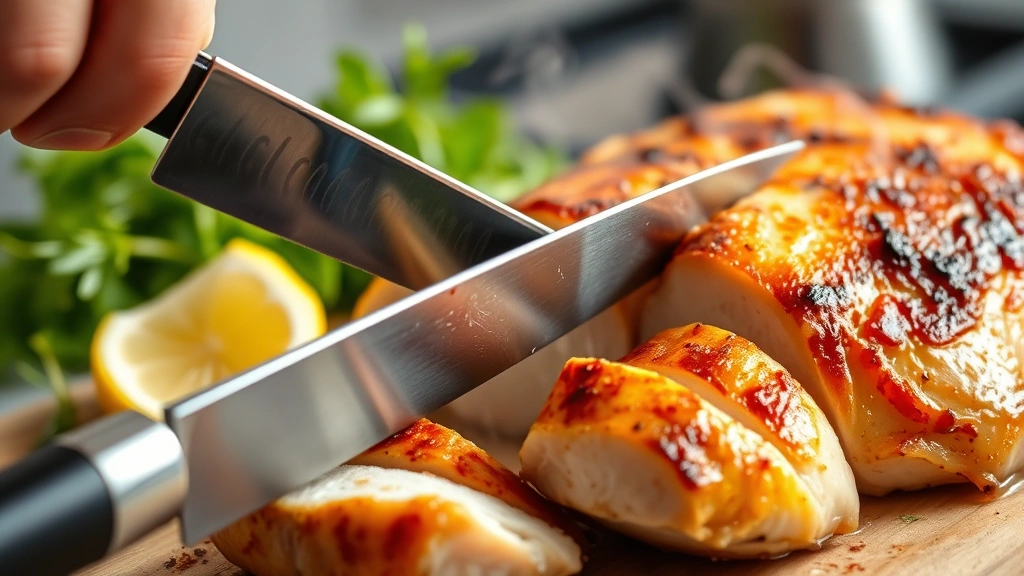
Seasoning Strategies for Maximum Flavor
One primary reason people abandon healthy eating involves bland food. Chicken breast’s neutral flavor requires intentional seasoning to achieve genuinely delicious results. The good news: building exceptional flavor doesn’t require excess salt, sugar, or unhealthy fats.
Dry rubs offer the simplest approach. Combine dried herbs, spices, and minimal salt to create flavor-packed coatings. A Mediterranean blend might include oregano, thyme, garlic powder, and lemon zest. An Indian-inspired rub could feature turmeric, cumin, coriander, and ginger. Apply rubs at least 30 minutes before cooking, allowing flavors to penetrate the meat.
Marinades add complexity while tenderizing the meat. Effective marinades combine acid (citrus juice, vinegar, yogurt), oil, and seasonings. The acid breaks down surface proteins, allowing deeper flavor penetration while promoting tenderness. Marinate for 30 minutes to overnight depending on intensity desired. Avoid excessive salt in marinades, as it can draw out moisture if marinating extends beyond four hours.
Fresh herb applications provide bright, vibrant flavors without processing. Basil, cilantro, parsley, and dill add nutritional value alongside flavor. Apply fresh herbs just before serving or during the final cooking minutes to preserve volatile compounds responsible for their distinctive tastes.
Acid incorporation through citrus, vinegar, or wine brightens flavors significantly while adding negligible calories. A squeeze of fresh lemon juice over finished chicken elevates the entire dish. Vinegar-based sauces add complexity without relying on cream or excessive oil.
Rather than relying on salt for flavor depth, build umami through ingredients like soy sauce (used judiciously), Worcestershire sauce, miso paste, or tomato products. These ingredients provide satisfying savory notes that make dishes feel complete and indulgent despite their healthy profile.
Five Essential Healthy Chicken Breast Recipes
Mediterranean Herb-Roasted Chicken with Roasted Vegetables combines simplicity with sophisticated flavor. Season chicken breasts with oregano, thyme, garlic, and lemon zest. Arrange on a sheet pan with colorful vegetables—bell peppers, zucchini, cherry tomatoes, and red onions. Drizzle lightly with olive oil, roast at 400°F (204°C) for 20-25 minutes. The vegetables caramelize while chicken stays moist, creating a complete balanced meal with minimal cleanup.
Asian-Inspired Ginger-Soy Chicken delivers restaurant-quality results at home. Marinate chicken in a mixture of low-sodium soy sauce, fresh ginger, garlic, rice vinegar, and sesame oil for 30 minutes. Pan-sear briefly, then finish in the oven. Serve over brown rice or quinoa with steamed bok choy. The combination provides complete protein, complex carbohydrates, and micronutrient-dense vegetables.
Spiced Yogurt-Marinated Chicken draws inspiration from Indian cuisine. Combine Greek yogurt with garam masala, turmeric, cumin, garlic, and ginger to create a marinade. The yogurt’s lactic acid tenderizes while probiotics support digestive health. Grill or bake the marinated chicken, serving with cilantro-lime cauliflower rice for a lower-carb option or traditional basmati rice for traditional presentation.
Tomato-Basil Poached Chicken creates tender, flavorful meat perfect for multiple applications. Poach chicken breasts in a sauce of crushed tomatoes, fresh basil, garlic, and a touch of olive oil. The resulting tender chicken works beautifully in salads, over zucchini noodles, or paired with whole grain pasta. Prepare a large batch for multiple meal applications throughout the week.
Herb-Crusted Baked Chicken with Mustard combines texture with nutrition. Mix panko breadcrumbs with dried herbs, garlic powder, and minimal salt. Brush chicken breasts with Dijon mustard, then coat with the herb mixture. Bake at 375°F (190°C) for 22-25 minutes. The mustard adds tangy flavor while the herb crust provides satisfying texture without deep frying.
Building Complete Meals Around Chicken
Chicken breast provides exceptional protein, but complete nutrition requires thoughtful vegetable and carbohydrate pairings. A balanced plate contains approximately one-quarter protein, one-quarter whole grains or starchy vegetables, and one-half non-starchy vegetables.
Carbohydrate selections significantly impact overall meal quality. Whole grains like quinoa, farro, and brown rice provide fiber, minerals, and sustained energy. Sweet potatoes offer beta-carotene alongside complex carbohydrates. Legumes paired with chicken create complete amino acid profiles while adding fiber for digestive health. Refer to our guide on grandma-approved dinner recipes for traditional approaches to balanced plate composition.
Vegetable abundance provides micronutrients, fiber, and phytonutrients supporting overall health. Aim for variety across the color spectrum: dark leafy greens for iron and folate, orange vegetables for beta-carotene, cruciferous vegetables for cancer-fighting compounds, and colorful vegetables for diverse antioxidants. Roasting, steaming, or sautéing vegetables with minimal oil preserves nutritional value while developing satisfying flavors.
Healthy fat incorporation supports nutrient absorption and satiety. Use olive oil sparingly for cooking, or incorporate healthy fats through avocado, nuts, or seeds. These additions provide fat-soluble vitamin absorption while adding nutritional complexity.
For those seeking easy chicken casserole recipes, remember that traditional versions often contain excessive sodium and saturated fat. Modify recipes by reducing processed ingredients, increasing vegetable content, and using Greek yogurt or broth-based sauces instead of cream.
Meal Prep Strategies for Busy Weeks
Consistency in healthy eating requires removing barriers to preparation. Strategic meal prep transforms busy weeks into opportunities for nutritious eating rather than fast-food temptation.
Batch cooking represents the foundation of successful meal prep. Dedicate two to three hours weekly to cooking multiple chicken breast preparations. Poach a large batch for shredding, grill several breasts for slicing, and bake herb-seasoned portions for direct consumption. Store in airtight containers, refrigerated for up to four days or frozen for three months.
Component preparation involves cooking elements separately for flexible meal assembly. Prepare roasted vegetables, cooked grains, and prepared proteins independently. This approach accommodates varying preferences throughout the week and prevents flavor fatigue from eating identical meals daily.
Freezer-friendly sauces maintain variety with minimal effort. Prepare tomato-based sauces, herb marinades, and yogurt-based dressings in batches. Freeze in ice cube trays for portioned control, then thaw as needed to coat prepared chicken.
Consider implementing food waste reduction strategies by utilizing chicken skin and bones for homemade broth. This maximizes nutritional value while reducing waste and saving money.
For those with sweet cravings between meals, explore healthy dessert recipes that complement your overall nutritional goals without derailing progress. Similarly, those with specific dietary restrictions might investigate gluten-free dessert recipes for complete meal planning.
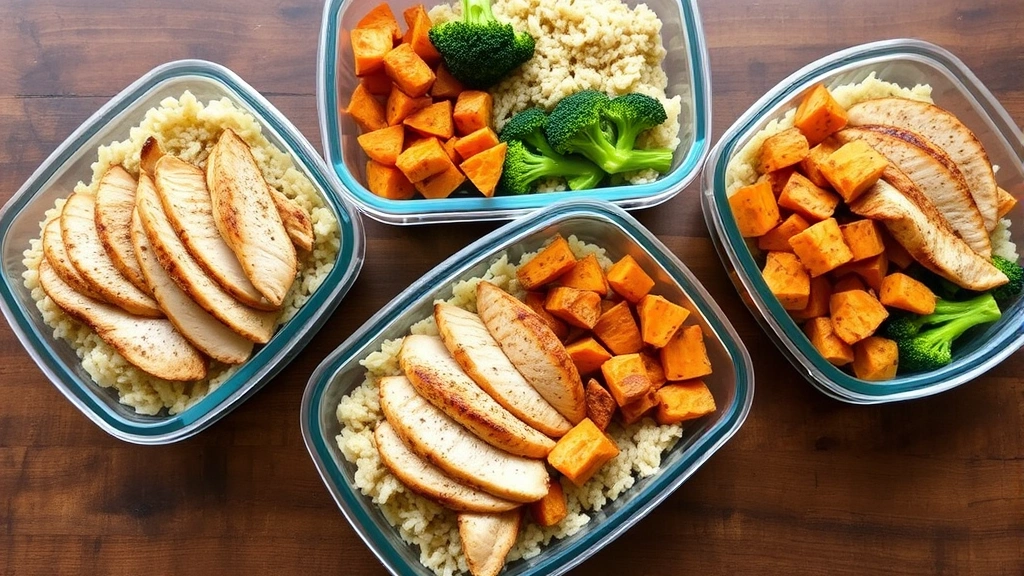
Professional nutrition experts recommend planning meals weekly, considering your schedule, available ingredients, and nutritional goals. This intentional approach prevents impulsive, less healthy choices while ensuring you maintain variety and enjoyment in your eating patterns.
FAQ
How much chicken breast should I eat daily for optimal health?
General recommendations suggest 3-4 ounces (85-113 grams) of protein per meal, which corresponds to one medium chicken breast. Total daily protein intake depends on individual factors including body weight, activity level, and health goals. Most adults benefit from 0.8-1.0 grams per kilogram of body weight, though active individuals may require more. Consult with a registered dietitian for personalized recommendations.
Can I eat chicken breast every day without health concerns?
Yes, consuming chicken breast daily is safe and can be part of a healthy diet. However, nutritional variety remains important. Rotate between different proteins—fish, legumes, turkey, and other sources—to ensure diverse micronutrient intake. Varying your preparation methods and accompanying vegetables maintains both nutritional completeness and enjoyment.
What’s the difference between air-fried and traditionally cooked chicken breast?
Air-frying circulates hot air at high speeds, creating crispy exteriors with minimal added oil. Nutritionally, it’s superior to deep-frying but comparable to traditional baking or grilling. The advantage lies in texture and convenience rather than nutritional superiority. Both methods produce healthy results when temperature is controlled appropriately.
How can I prevent chicken breast from becoming dry during cooking?
Overcooking causes dryness. Use an instant-read thermometer, removing chicken when internal temperature reaches 165°F (74°C)—not higher. Brining (soaking in saltwater) 4-8 hours before cooking helps retain moisture by allowing salt to denature muscle proteins. Marinade acidic components also tenderize tissue. Finally, allowing cooked chicken to rest 5-10 minutes before cutting allows juices to redistribute throughout the meat.
Are there significant nutritional differences between chicken breast cooking methods?
Cooking methods minimally affect protein content but significantly influence other nutrients and added fat. Poaching and steaming preserve water-soluble vitamins better than high-heat methods. Grilling and baking with minimal added fat maintain the leanness advantage. Pan-frying with oil increases calorie and fat content. Choose methods based on your specific nutritional priorities and flavor preferences.


