Ultimate Street Taco Recipe: Chef’s Favorite Authentic Method
Street tacos represent the pinnacle of casual Mexican cuisine, where simplicity meets extraordinary flavor. These handheld masterpieces have captivated food lovers worldwide, and for good reason. A perfectly executed street taco combines tender, seasoned meat, warm tortillas, and vibrant toppings in a symphony of tastes and textures that can be consumed in just two or three bites.
What makes street tacos truly special is their accessibility and versatility. Unlike elaborate restaurant dishes requiring expensive equipment and complex techniques, authentic street tacos rely on fundamental cooking principles and quality ingredients. Whether you’re preparing them for a casual weeknight dinner or impressing guests at a gathering, this comprehensive guide will walk you through every step of creating restaurant-quality street tacos at home.
The beauty of mastering this street taco recipe lies in understanding that excellence comes from respecting tradition while allowing room for personal creativity. From selecting the right meat to crafting the perfect seasoning blend, each component plays a crucial role in the final result.
Choosing Your Protein
The protein selection forms the foundation of your street taco experience. Traditional street tacos showcase various meats, each bringing distinct characteristics to the table. Carne asada, marinated grilled beef, represents the most iconic choice, offering rich, charred flavors. Al pastor, inspired by Lebanese shawarma traditions, features pork with distinctive spice profiles. Carnitas, slow-cooked pork that becomes incredibly tender, provide luxurious texture and depth.
For beef options, choose cuts with adequate fat content to ensure juiciness during cooking. Skirt steak and flank steak are traditional choices offering optimal flavor and texture. These cuts develop beautiful char while remaining tender when sliced properly against the grain. If using chicken, opt for thighs rather than breasts, as dark meat retains moisture better and delivers superior taste.
Quality matters tremendously when selecting your protein. Visit a butcher if possible, requesting cuts specifically suited for street tacos. They can trim excess fat appropriately and slice meat to optimal thickness, typically between one-quarter and one-half inch for most applications.
Essential Ingredients and Seasonings
Creating an authentic street taco seasoning blend requires understanding how spices work together harmoniously. The foundation includes cumin, providing earthy warmth, combined with chili powder for subtle heat and complexity. Fresh garlic and onion contribute aromatic depth, while lime juice adds brightness and acidity that cuts through richness.
Here’s the comprehensive ingredient list for an exceptional street taco marinade:
- Two pounds quality beef, pork, or chicken
- One-quarter cup fresh lime juice
- Three tablespoons olive oil
- Six garlic cloves, minced
- Two teaspoons ground cumin
- One teaspoon dried oregano
- One teaspoon chili powder
- One-half teaspoon smoked paprika
- One-quarter teaspoon cayenne pepper
- Salt and black pepper to taste
- One tablespoon soy sauce (optional, adds umami depth)
The beauty of this seasoning approach lies in its balance. Each ingredient serves a specific purpose: cumin and oregano create authentic Mexican flavor profiles, while lime juice acts as both marinade acid and flavor enhancer. Garlic and onion provide essential aromatic components that develop during cooking, becoming deeply caramelized and complex.
For vegetarian options, consider marinating portobello mushrooms or extra-firm tofu using the same seasoning blend. These alternatives develop wonderful depth and satisfy guests with dietary preferences while maintaining authentic flavor profiles.
Preparation and Marinating
Proper preparation begins with ensuring your protein reaches room temperature before marinating. This allows seasonings to penetrate more effectively and promotes even cooking later. Pat meat dry with paper towels, removing excess surface moisture that inhibits proper seasoning absorption.
Combine all marinade ingredients in a bowl, whisking thoroughly to ensure spices distribute evenly. Place your prepared protein in a large zip-lock bag or shallow dish, pouring marinade over completely. Ensure all surfaces contact the seasoning mixture. Massage the bag gently, working marinade into every crevice.
Marinating duration depends on your protein choice and thickness. For optimal results, marinate beef for four to eight hours, allowing sufficient time for flavors to develop without over-marinating, which can create mushy texture. Chicken requires two to four hours, while pork benefits from four to six hours. If time is limited, even thirty minutes provides noticeable improvement over unmarinated meat.
For enhanced flavor development, remove your protein from refrigeration thirty minutes before cooking. This allows it to reach closer to room temperature, promoting even cooking and better browning. Reserve approximately two tablespoons of marinade for basting during cooking, which builds additional flavor layers.
Cooking Methods and Techniques
Street tacos traditionally cook over open flame or on flat griddles, developing characteristic charred edges and caramelized surfaces. However, home cooks can achieve excellent results using various methods.
Grilling Method: Preheat your grill to high heat, approximately 450-500°F. Once grates are hot, place marinated protein directly on grill, maintaining steady heat. Cook beef for three to four minutes per side for medium-rare, chicken for six to seven minutes per side ensuring internal temperature reaches 165°F, and pork for five to six minutes per side. Resist the urge to move meat constantly; allow it to develop proper crust before flipping. Use reserved marinade for occasional basting, brushing meat during final minute of cooking.
IMAGE_2
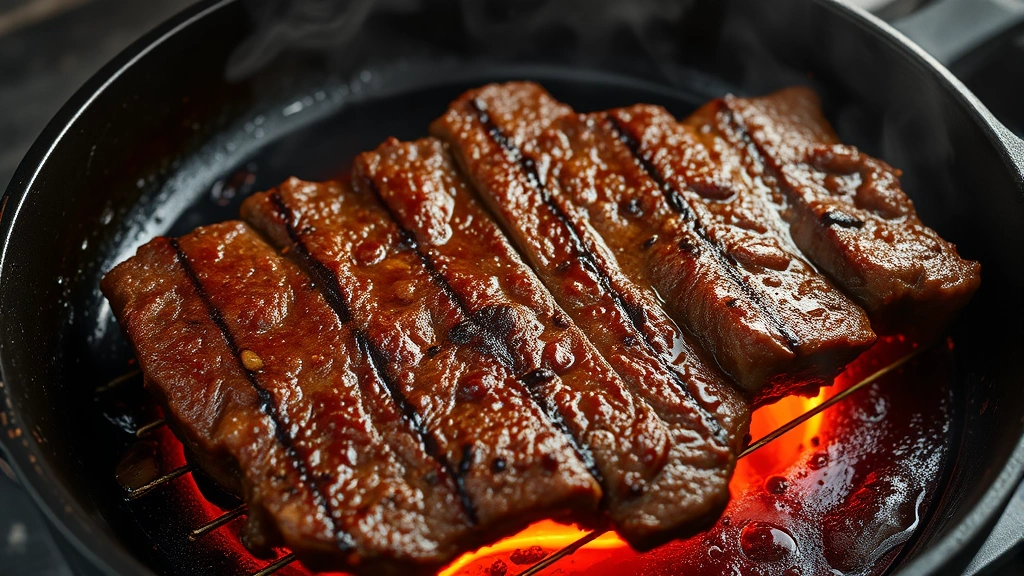
Cast Iron Skillet Method: Heat your cast iron skillet over high heat until smoking slightly. Working in batches to avoid crowding, sear protein for three to four minutes per side, allowing proper browning without steaming. Cast iron retains heat beautifully, creating restaurant-quality crust in home kitchens. This method works excellently for indoor cooking or when grilling isn’t available.
Stovetop Griddle Method: Similar to cast iron, preheat a griddle or flat skillet until very hot. Sear protein in batches, maintaining high heat throughout cooking. This method allows cooking larger quantities simultaneously while maintaining quality control.
Slow Cooker Method for Carnitas: For authentic carnitas, combine pork shoulder with garlic, bay leaves, cumin, and salt in a slow cooker. Cook on low for eight to ten hours until meat shreds easily. Drain excess fat, then crisp the meat in a hot skillet just before serving, developing that signature crunchy exterior while maintaining tender interior.
The key to perfect cooking involves using a meat thermometer. For beef, aim for 130-135°F (medium-rare), chicken 165°F, and pork 145°F. These temperatures ensure food safety while maintaining optimal juiciness and texture.
Tortilla Selection and Warming
Tortillas form the essential wrapper holding your carefully prepared components together. Traditional street tacos use corn tortillas, approximately five to six inches in diameter. Corn tortillas offer authentic flavor, superior texture, and better structural integrity than flour alternatives. However, flour tortillas work well for those preferring different taste profiles.
For optimal results, purchase fresh tortillas from local Mexican markets or bakeries rather than supermarket packages. Fresh tortillas taste dramatically superior and warm more evenly. If fresh tortillas aren’t available, purchase the highest-quality packaged options, checking expiration dates carefully.
Warming tortillas properly transforms them from ordinary to extraordinary. Never microwave tortillas directly, as this creates tough, rubbery results. Instead, use one of these superior methods:
- Place tortillas directly over a gas flame for fifteen to thirty seconds per side, allowing slight charring and puffing
- Warm in a dry skillet over medium heat for approximately thirty seconds per side until pliable and heated through
- Wrap tortillas in foil and place in a 350°F oven for five minutes
- Use a tortilla warmer, a specialized device that maintains perfect temperature and moisture
Warmed tortillas should remain pliable and warm throughout serving. Keep them wrapped in a clean kitchen towel to maintain heat and moisture. This simple step dramatically improves the overall eating experience, preventing tortillas from cracking or tearing when filled.
Toppings and Garnishes
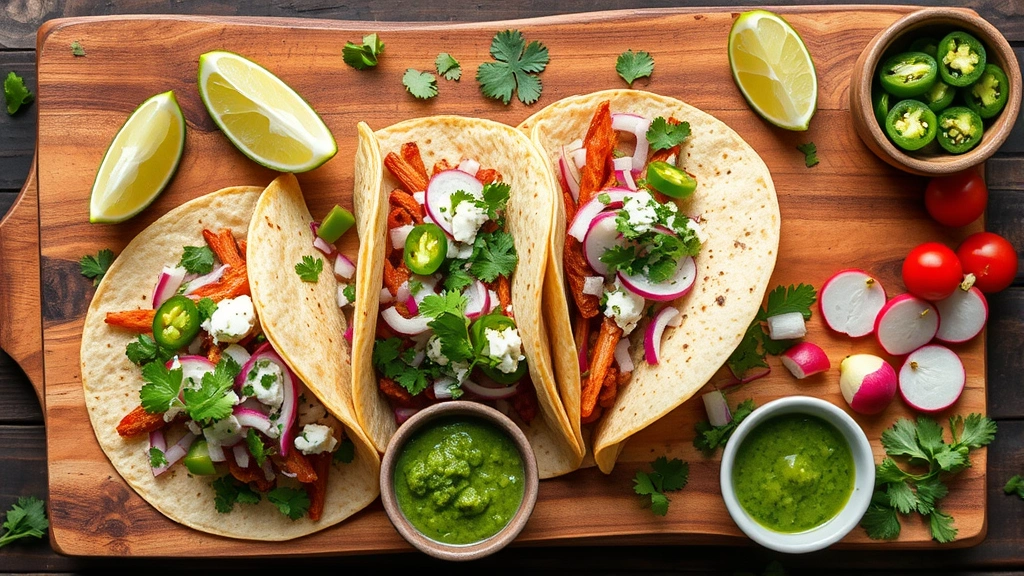
While protein and tortillas form the foundation, toppings elevate street tacos from simple to spectacular. Traditional toppings include finely diced white onion, providing sharp, fresh contrast to rich meat. Fresh cilantro adds herbaceous brightness, while lime wedges offer acidic punch that enhances all flavors.
Consider these classic topping options:
- White onion: Finely diced, provides sharp, crisp texture
- Fresh cilantro: Chopped, adds herbaceous complexity
- Jalapeños: Sliced or diced, deliver customizable heat
- Radishes: Thinly sliced, offer peppery crunch
- Pico de gallo: Fresh tomato salsa with onion, cilantro, and lime
- Salsa verde: Tangy tomatillo-based sauce
- Guacamole: Creamy richness balancing spicy elements
- Lime wedges: Essential for final flavor adjustment
Prepare all toppings in advance, arranging them in small bowls for easy access during assembly. This buffet-style approach allows guests to customize their tacos according to personal preferences. Fresh ingredients maintain quality better when added immediately before eating rather than sitting assembled.
For those interested in complementary desserts, consider preparing strawberry pie recipe or exploring how to make homemade ice cream for refreshing finales after your taco feast.
Assembly and Serving
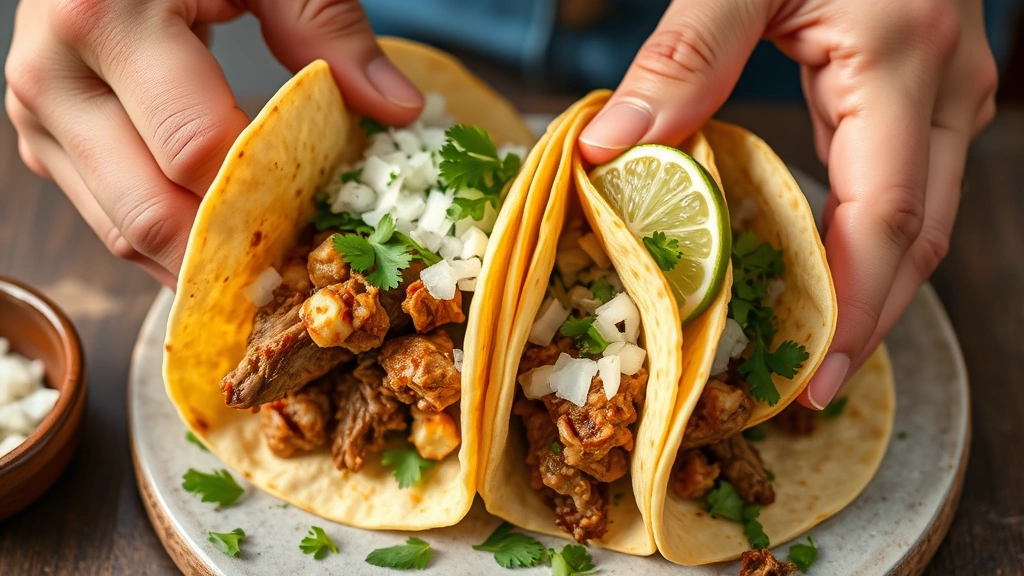
Proper assembly technique ensures each taco delivers maximum flavor in every bite. Place a warm tortilla in your palm, adding approximately two ounces of cooked meat slightly off-center. This positioning allows space for toppings without overstuffing.
Layer toppings strategically: place diced onion directly on meat, followed by cilantro, then jalapeños if desired. This layering approach ensures balanced flavor distribution. Add pico de gallo or salsa last, preventing excessive moisture from softening the tortilla prematurely.
Squeeze fresh lime juice over assembled taco immediately before eating. This final acidic element brightens all flavors and prevents them from feeling heavy. The lime juice should be generous but not excessive, creating a balance that enhances rather than overwhelms.
For serving gatherings, establish a taco assembly station where guests create their own. Arrange cooked meat in a warm container, tortillas in a basket wrapped with towels, and all toppings in separate bowls. This interactive approach creates memorable experiences while accommodating individual preferences.
IMAGE_3
Street tacos pair beautifully with Mexican beverages like agua fresca, cerveza, or traditional horchata. For dessert options, explore ice cream recipe variations or Creami recipes for frozen treats. Those seeking richer options might enjoy coconut pie recipe with cream of coconut or creme fraiche recipe for sophisticated accompaniments.
FAQ
Can I prepare street tacos in advance?
Yes, marinate your protein up to eight hours ahead. Cook meat shortly before serving to maintain optimal texture and temperature. Prepare toppings several hours in advance, storing them separately in covered containers. Assemble tacos immediately before eating for best results.
What’s the difference between street tacos and regular tacos?
Street tacos emphasize simplicity, using minimal toppings and focusing on quality meat and authentic flavors. They’re typically smaller, served on corn tortillas, and designed for quick consumption. Regular tacos often include more elaborate toppings and use larger flour tortillas.
How do I achieve proper crust on my meat?
Use high heat and avoid moving meat frequently. Pat meat dry before cooking, ensure your cooking surface is very hot, and resist crowding the pan. These factors combine to develop that desirable caramelized exterior.
Can I use different proteins?
Absolutely. Fish, shrimp, mushrooms, and tofu all work wonderfully with the same seasoning profile. Adjust cooking times accordingly based on protein thickness and type.
Where can I find authentic Mexican ingredients?
Visit local Mexican markets for fresh tortillas, specialty spices, and authentic ingredients. Many mainstream supermarkets now carry adequate selections. Online retailers also provide convenient access to specialty items.
How should I store leftover cooked meat?
Refrigerate cooked meat in an airtight container for up to three days. Reheat gently in a skillet over medium heat, adding a splash of water or marinade to prevent drying. Frozen cooked meat keeps for up to three months.


