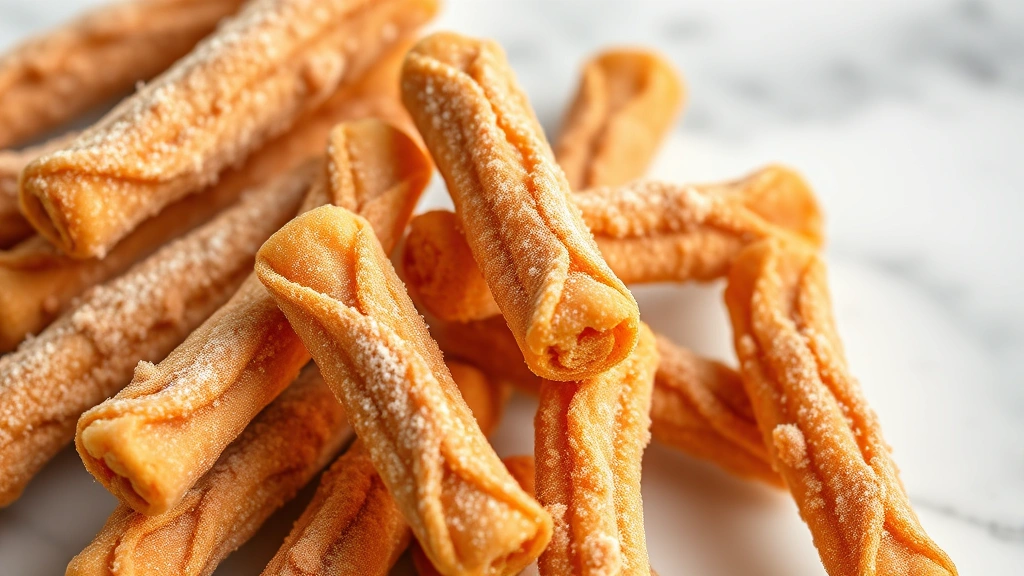
Churro Cheesecake Delight: Grandma’s Secret Recipe
There’s something magical about the combination of crispy churros and creamy cheesecake that transforms an ordinary dessert into an unforgettable experience. This churro cheesecake recipe has been passed down through generations, perfected by my grandmother who understood the delicate balance between texture and flavor. The result is a dessert that captures the essence of Spanish-inspired churros while delivering the luxurious creaminess of a classic New York-style cheesecake.
What makes this recipe truly special is the layering technique and the careful attention to ingredient quality. Unlike typical cheesecake recipes, this version incorporates cinnamon-sugar elements reminiscent of authentic churros, creating a harmonious blend that appeals to both traditionalists and modern dessert enthusiasts. Whether you’re preparing this for a special occasion or simply craving something extraordinary, this churro cheesecake will impress even the most discerning palate.
My grandmother always believed that great desserts tell stories. This particular recipe tells the story of her travels through Spain, her experiments in the kitchen, and her dedication to creating dishes that bring joy to the table. Now, I’m sharing her secrets with you so you can create this masterpiece in your own kitchen.
Essential Ingredients
Creating an exceptional churro cheesecake begins with understanding each ingredient’s role. The foundation relies on quality cream cheese, which provides the rich, velvety texture that defines great cheesecake. I recommend using full-fat cream cheese that’s been softened to room temperature, as this ensures smooth mixing and prevents lumps in your filling.
For the crust, you’ll need crushed churros or crispy fried dough pieces combined with butter and cinnamon sugar. If you can’t find pre-made churros, you can prepare them fresh using a churrera (a special churro-making tool) or purchase them from local bakeries. The crust should be sturdy enough to hold the filling while maintaining the authentic churro flavor profile.
Here’s the complete ingredient list:
- For the Crust: 2 cups crushed churros, ½ cup unsalted butter (melted), ¼ cup granulated sugar, 2 tablespoons ground cinnamon, ¼ teaspoon sea salt
- For the Filling: 32 oz cream cheese (softened), 1 cup granulated sugar, ½ cup sour cream, ¼ cup all-purpose flour, 3 large eggs, 2 tablespoons vanilla extract, 1 tablespoon ground cinnamon, ½ teaspoon salt, ½ cup dulce de leche
- For the Topping: 6-8 whole churros (fried), 3 tablespoons cinnamon sugar mixture, ¾ cup dulce de leche (for drizzling), ¼ cup chocolate sauce (optional)
- Equipment: 9-inch springform pan, water bath pan, aluminum foil, electric mixer
The dulce de leche is particularly important—this caramelized milk product adds depth and authentic Spanish flavor. You can make it from scratch or purchase it from specialty food stores or international sections of supermarkets.
Preparation Steps
Success with this churro cheesecake recipe depends heavily on proper preparation. Begin by preheating your oven to 325°F (160°C). This moderate temperature is crucial because it allows the cheesecake to bake evenly without developing cracks or a rubbery texture. Position your oven rack in the lower-middle position for optimal heat distribution.
Prepare your 9-inch springform pan by wrapping the exterior completely with heavy-duty aluminum foil. This prevents water from seeping into the pan during the water bath process, which is essential for achieving that signature creamy texture. Make sure all seams are sealed tightly.
Remove your cream cheese from the refrigerator at least 30 minutes before mixing. Room temperature cream cheese is absolutely non-negotiable for a smooth, lump-free filling. While the cream cheese softens, gather all remaining ingredients and measure them precisely. Cheesecake baking requires accuracy—unlike some other recipes, approximations can lead to disappointing results.
Prepare a water bath by setting your foil-wrapped springform pan inside a larger roasting pan. You’ll add hot water to this roasting pan during baking, creating a gentle, humid baking environment that produces the most luxurious cheesecake texture.
Making the Churro Crust
The crust serves as both structural foundation and flavor foundation for your churro cheesecake. Begin by crushing your churros into medium-sized crumbs—you want texture, not powder. Place the crushed churros in a medium bowl and add melted butter, granulated sugar, cinnamon, and sea salt.
Mix these ingredients thoroughly using a fork until the mixture resembles wet sand. The butter should coat every churro crumb, and the cinnamon-sugar should be evenly distributed. This step is crucial because uneven distribution results in bland spots in your crust.
Press this mixture firmly into the bottom of your prepared springform pan, creating an even, compact layer. Use the bottom of a measuring cup to compress the crust, ensuring it holds together during baking. The crust should be about ½-inch thick and cover the entire bottom surface.
Bake this crust alone for 8-10 minutes at 325°F until it becomes slightly firmer and the aroma of toasted cinnamon fills your kitchen. Remove it from the oven and let it cool briefly while you prepare the filling. This pre-baking step prevents a soggy crust, a common cheesecake pitfall.
Creating the Cheesecake Filling
This is where the magic happens. Using an electric mixer on low speed, beat the softened cream cheese for about 2-3 minutes until it becomes completely smooth and creamy. Scrape down the bowl frequently to ensure no lumps remain. This initial beating is gentler than subsequent steps because aggressive mixing incorporates air, which can cause cracks during baking.
Gradually add the granulated sugar while continuing to beat on low speed. Mix for another 2 minutes until well combined. The sugar should dissolve into the cream cheese, creating a uniform texture. Next, add the sour cream and vanilla extract, beating until just combined. Don’t overmix at this stage—you’re looking for incorporation, not volume increase.
In a small bowl, whisk together the flour, cinnamon, and salt. Add this dry mixture to the cream cheese mixture and beat on low speed for about 1 minute until just incorporated. These dry ingredients help stabilize the filling and add subtle cinnamon flavor throughout.
Add the eggs one at a time, beating on the lowest speed after each addition. This is critical—overmixing eggs into cheesecake batter incorporates excess air, which expands during baking and contracts during cooling, creating cracks. After the final egg, beat for just 30 seconds more.
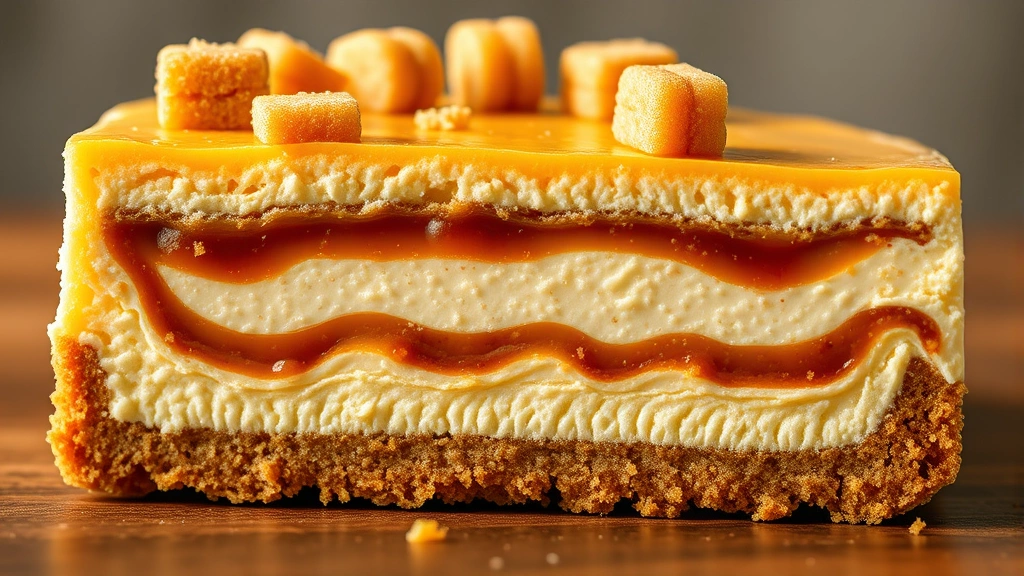
Finally, gently fold in the dulce de leche using a rubber spatula. Don’t fully incorporate it—you want beautiful swirls of caramelized milk throughout the filling. This creates visual interest and flavor pockets that surprise your palate with each bite.
Pour this filling over your pre-baked crust, smoothing the top with a spatula. Try to eliminate major air bubbles by tapping the pan gently on the counter, but don’t obsess—small bubbles are normal and won’t ruin your cheesecake.
Baking and Cooling
Now comes the water bath—this technique is non-negotiable for exceptional cheesecake. Pour hot water into the roasting pan surrounding your springform pan until it reaches about halfway up the sides of the springform. The water should be hot enough to steam gently throughout baking.
Carefully transfer the water bath setup to your preheated oven. Bake for 55-65 minutes. The cheesecake is done when the edges are set but the center still jiggles slightly when gently shaken—about a 2-inch diameter circle in the middle should wobble. A meat thermometer inserted into the center should read 150°F (65°C). Don’t overbake; a slightly underbaked cheesecake is preferable to an overbaked one.
Turn off the oven and crack the door open about 4 inches. Let the cheesecake sit in the cooling oven for 1 hour. This gradual temperature change prevents the dramatic contraction that causes cracks. After 1 hour, remove the cheesecake from the oven and let it cool to room temperature for another hour on the counter.
Once cooled, refrigerate the cheesecake for at least 8 hours, preferably overnight. This resting period allows the flavors to meld and the texture to set properly. During this time, the cheesecake develops its signature creamy consistency.
Churro Topping and Caramel Drizzle
Just before serving, prepare your churro topping. If using fresh churros, fry them according to their instructions until golden and crispy. If using store-bought churros, you can serve them as-is or refresh them briefly in a 300°F oven for 3-4 minutes.
Warm your dulce de leche in a small saucepan over low heat, stirring occasionally. You want it pourable but not scorching hot. Some cooks add a splash of heavy cream to thin the dulce de leche slightly, making it easier to drizzle artistically over the cheesecake.
Remove your cheesecake from the refrigerator about 15 minutes before serving—this allows it to reach the perfect serving temperature. Using a hot, wet knife (wipe it clean between cuts), slice the cheesecake into 8-10 portions. Run the knife under hot water and wipe it dry before each cut for clean, beautiful slices.
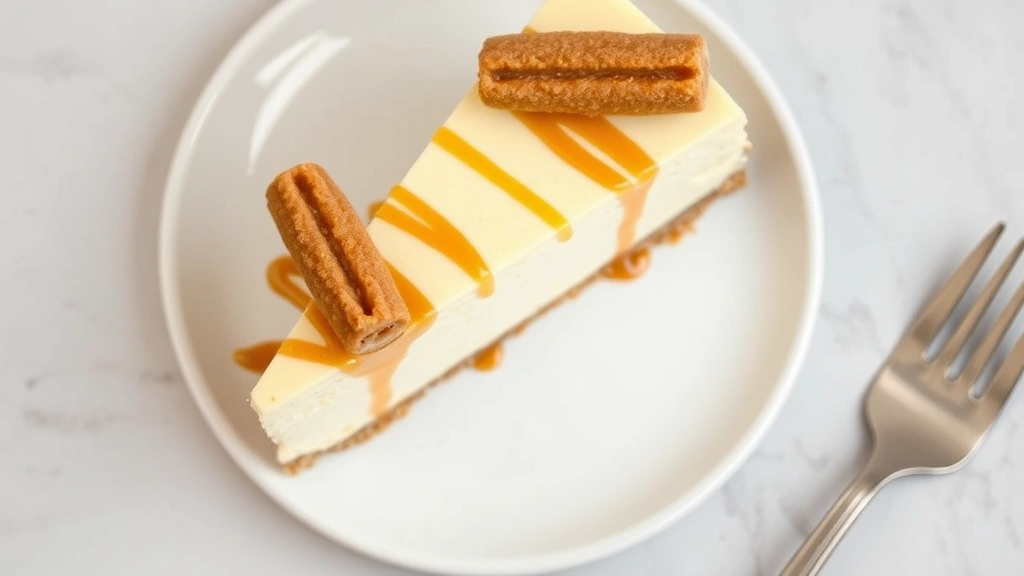
Arrange whole churros on top of each slice or around the entire cheesecake presentation. Dust the churros with cinnamon sugar, then drizzle the warm dulce de leche in artistic patterns over both the cheesecake and churros. If desired, add a drizzle of chocolate sauce for additional elegance.
For an extra-special presentation, consider placing a small dollop of whipped cream beside each slice and garnishing with a sprinkle of crushed churro crumbs and a light dusting of cinnamon.
Storage and Serving Tips
This churro cheesecake recipe produces generous servings that store beautifully. Keep the cheesecake covered in the refrigerator for up to 5 days. For longer storage, you can freeze individual slices wrapped in plastic wrap and aluminum foil for up to 2 months. Thaw frozen slices in the refrigerator for 4-6 hours before serving.
The cheesecake tastes best when served chilled or at cool room temperature, never warm. The contrast between the cool, creamy filling and the warm churro topping creates an exceptional eating experience. Some people enjoy pairing slices with strong espresso or hot chocolate, which complements the cinnamon and caramel flavors beautifully.
If you’re hosting a dinner party and want to serve this dessert, you can prepare the entire cheesecake up to 2 days in advance. Add the churro topping and caramel drizzle just before serving for maximum visual appeal and texture contrast. This preparation strategy reduces last-minute stress while ensuring impressive presentation.
For those interested in exploring grandma-approved dinner recipes, this dessert pairs wonderfully with lighter main courses. Consider serving it after a meal featuring chicken and gravy or other traditional comfort foods that won’t overwhelm the palate before dessert.
Creative Variations
Once you’ve mastered the classic version, experimentation opens wonderful possibilities. For a spiced churro cheesecake, add nutmeg, cardamom, or cloves to the filling—these warm spices enhance the cinnamon notes and create sophisticated complexity. Start with just ¼ teaspoon of additional spices to avoid overpowering the delicate cheesecake flavor.
For a chocolate churro cheesecake, melt 4 ounces of high-quality dark chocolate and fold it into the filling along with the dulce de leche. This creates a luxurious, decadent version that appeals to chocolate lovers. You might also drizzle the finished cheesecake with melted chocolate instead of additional dulce de leche.
A salted caramel churro cheesecake variation involves replacing some dulce de leche with homemade salted caramel sauce. The salt cuts through the sweetness and adds sophisticated balance. This version pairs beautifully with sea salt flakes sprinkled on top.
For those following keto dietary approaches, a modified version using sugar substitutes like erythritol or monk fruit can work, though the texture may be slightly different. The baking process and technique remain identical.
Consider a mini churro cheesecake cups variation using muffin tins. Reduce baking time to 20-25 minutes and prepare individual portions perfect for parties or meal prep. These individual servings are also ideal for portion control and elegant plating.
An no-bake churro cheesecake version uses whipped cream and gelatin instead of eggs, creating a lighter mousse-like texture. While different from the traditional baked version, it offers a refreshing alternative during warm months and requires no oven time.
Common Challenges and Solutions
Cracks in cheesecake often result from overbaking or rapid temperature changes. Remember the gradual cooling process—don’t skip it. If cracks do appear, they’re easily hidden by the churro topping and caramel drizzle, so don’t stress. Slight imperfections add homemade charm.
A dense, heavy cheesecake usually indicates overmixing, particularly when adding eggs. Use the lowest mixer speed and beat minimally after each egg addition. The filling should look relatively thick but smooth—not light and fluffy.
Watery or weeping cheesecake suggests underbaking or inadequate cooling time. Ensure your oven temperature is accurate using an oven thermometer. Some ovens run hot or cold, affecting bake time. The gradual cooling process is equally important—rushing this step compromises texture.
If your crust is soggy, the water bath water likely seeped in. Verify your foil wrapping is complete and secure. Some bakers use springform pan liners or plastic bags as additional protection against water intrusion.
Lumpy filling indicates insufficiently softened cream cheese or inadequate initial beating. Always allow cream cheese to reach room temperature and beat it thoroughly before adding other ingredients. A small kitchen sieve can strain out any remaining lumps before baking.
The Science Behind the Perfection
Understanding the chemistry behind this churro cheesecake recipe elevates your baking skills. Cream cheese contains whey and casein proteins that, when gently beaten, create a smooth emulsion. Overmixing denatures these proteins, resulting in a grainy texture. This is why restraint during mixing is crucial.
The water bath creates a humid baking environment that prevents the edges from setting too quickly relative to the center. This allows the cheesecake to bake evenly, producing the characteristic creamy texture. Without a water bath, the edges overcook while the center remains underbaked, creating an undesirable texture gradient.
Eggs provide structure and richness. Their proteins denature and coagulate during baking, helping the cheesecake set. However, excess egg incorporation traps air, which expands during baking and contracts during cooling, creating cracks. This is why minimal mixing after egg addition is essential.
The gradual cooling process allows the cheesecake to contract slowly and evenly. Rapid cooling causes the exterior to contract faster than the interior, creating stress that manifests as cracks. The 1-hour oven cooling followed by room temperature cooling distributes this stress gradually, preventing damage.
Dulce de leche adds not just flavor but also moisture and fat, which enhance creaminess. The caramelized milk proteins also add depth and complexity that simple sugar cannot provide. This is why dulce de leche is superior to sweetened condensed milk or simple caramel sauce in this application.
For those interested in understanding professional baking techniques, resources like the ChefSteps culinary education platform offer in-depth explanations of baking science. Additionally, the Institute of Food Technologists provides scientific research on food chemistry and cooking techniques.
Perfect Beverage and Food Pairings
This churro cheesecake recipe deserves thoughtful beverage pairing. Strong espresso or dark roast coffee complements the cinnamon and caramel beautifully, cutting through the richness while enhancing the warm spice notes. Some prefer it with café con leche—espresso with hot milk—for a creamier experience.
For non-coffee drinkers, hot chocolate offers wonderful compatibility. The chocolate and cinnamon combination is classic for good reason. Alternatively, Spanish hot chocolate—thicker and richer than American versions—creates an indulgent pairing that feels appropriately decadent.
Dessert wines like Moscato d’Asti or a sweet sherry complement the caramel and cinnamon notes. The slight effervescence of Moscato cuts through sweetness while its floral notes add complexity. These wine pairings are ideal for elegant dinner parties.
For meal planning, this dessert works best after lighter main courses. If you’ve served jasmine rice as a side dish with lighter proteins, the churro cheesecake provides a satisfying, indulgent finish. The floral notes of jasmine rice don’t compete with the cheesecake’s warm spices.
Those preparing complete meal plans might reference healthy crockpot recipes for main courses, allowing oven space for cheesecake preparation. Slow-cooker meals free your oven for baking this impressive dessert.
FAQ
Can I make this churro cheesecake without a water bath?
While technically possible, a water bath is strongly recommended. It creates the humidity necessary for even baking and the signature creamy texture. Without it, you’ll likely experience cracks and a less-creamy interior. If you absolutely must skip the water bath, reduce oven temperature to 300°F and extend baking time by 10-15 minutes, but results won’t be optimal.
How far in advance can I prepare this recipe?
Prepare the complete cheesecake up to 2 days in advance. Store it covered in the refrigerator. Add the churro topping and caramel drizzle within 2 hours of serving for optimal texture and presentation. This advance preparation is perfect for entertaining.
What if I can’t find fresh churros?
Store-bought frozen or shelf-stable churros work perfectly. You can fry them fresh if desired, or refresh them in a 300°F oven for 3-4 minutes. Some grocery stores sell pre-made churros in the bakery section, which are convenient and reliable.
Can I use a different type of cheese instead of cream cheese?
Cream cheese is essential for this recipe’s texture. Substitutes like ricotta or mascarpone produce different results—ricotta creates a grainier texture, while mascarpone is too soft. For authentic churro cheesecake, stick with traditional Philadelphia or similar full-fat cream cheese.
Why does my cheesecake have cracks despite following the recipe?
Cracks typically result from overbaking, rapid cooling, or overmixing. Verify your oven temperature with a thermometer—many ovens are inaccurate. Ensure you follow the gradual cooling process completely. Additionally, beat ingredients minimally, especially after adding eggs. If cracks still appear, the churro topping and caramel drizzle effectively hide them.
Can I freeze this churro cheesecake?
Yes! Freeze whole cheesecake wrapped in plastic wrap and aluminum foil for up to 2 months, or freeze individual slices for easier portioning. Thaw in the refrigerator for 4-6 hours before serving. Add fresh churro topping and caramel after thawing for best results.
Is there a dairy-free version of this recipe?
Dairy-free cream cheese substitutes exist but produce noticeably different textures and flavors. For best results with this traditional recipe, use regular cream cheese. Attempting dairy-free versions requires significant recipe adaptation beyond the scope of this guide.
How many servings does this churro cheesecake make?
A 9-inch cheesecake yields 8-10 generous slices, depending on portion size. For smaller servings or dessert tastings, you can cut 12 pieces. Each slice should be substantial enough to satisfy without feeling excessive.
What’s the best way to cut clean slices?
Use a long, thin-bladed knife dipped in hot water and wiped dry between each cut. Some bakers use dental floss—slip it under the cheesecake and pull upward for perfectly clean cuts. Chill the knife frequently for best results.
Can I make mini churro cheesecakes in a muffin tin?
Absolutely! Reduce baking time to 20-25 minutes and prepare individual portions. This variation is perfect for entertaining and allows for elegant individual plating. The preparation method remains identical; only portion size and baking time change.


