
Tonkatsu Sauce Recipe: Tried and True Method
Tonkatsu sauce is the soul of Japanese breaded pork cutlet dishes, delivering a perfect balance of sweet, savory, and tangy flavors that elevate simple fried meat into restaurant-quality cuisine. This iconic condiment has been a staple in Japanese households and eateries for generations, and learning to make it from scratch opens up an entirely new dimension of homemade cooking. Unlike store-bought versions laden with preservatives, a homemade tonkatsu sauce recipe allows you to control every ingredient and adjust flavors to match your personal preferences.
The beauty of tonkatsu sauce lies in its simplicity and versatility. With just a handful of pantry staples, you can create a sauce that rivals any Japanese restaurant version. Whether you’re preparing crispy tonkatsu for weeknight dinner or impressing guests at a dinner party, mastering this recipe ensures consistent, delicious results every time. The sauce works beautifully with pork cutlets, chicken, beef, and even vegetables, making it an invaluable addition to your culinary repertoire.
What is Tonkatsu Sauce?
Tonkatsu sauce is a Japanese condiment that translates to “pork cutlet sauce,” though its applications extend far beyond breaded pork. This thick, glossy sauce features a distinctive umami-rich profile with pronounced sweetness and subtle acidity. The sauce sits somewhere between Worcestershire sauce and barbecue sauce in terms of flavor complexity, but with distinctly Japanese characteristics that make it unique.
The origins of tonkatsu sauce trace back to Japanese adaptations of Western Worcestershire sauce, which arrived in Japan during the Meiji period. Japanese cooks innovated by adding their own ingredients like mirin, soy sauce, and various spices to create something entirely new. Today, tonkatsu sauce is found in virtually every Japanese kitchen and restaurant, served alongside fried foods, grilled meats, and even as a dipping sauce for appetizers.
What distinguishes tonkatsu sauce from other condiments is its particular balance of flavors. The sweetness comes from both sugar and fruit components, creating depth that simple sweetness cannot achieve. The umami foundation provides savory complexity, while vinegar and spices add brightness and character. When properly made, the sauce coats food beautifully without being overly thick or runny, clinging to every surface of your tonkatsu.
Essential Ingredients
Creating an authentic tonkatsu sauce recipe requires understanding each ingredient’s role in the final product. Unlike many Asian sauces that demand hard-to-find specialty items, tonkatsu sauce uses mostly accessible pantry ingredients available at any grocery store.
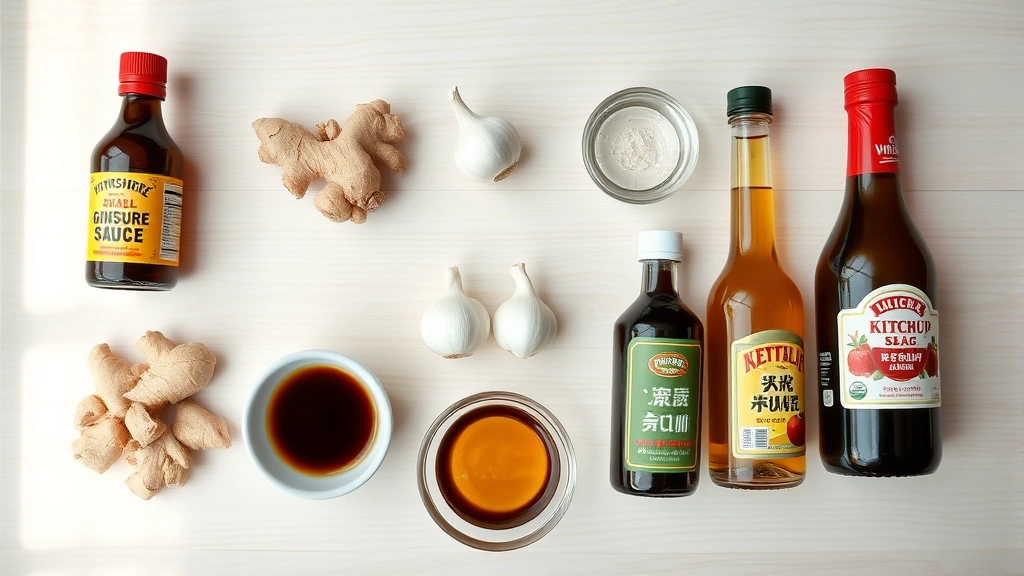
- Worcestershire Sauce: This is the backbone of tonkatsu sauce, providing the initial umami and complexity. Use a quality brand like Lea & Perrins for best results. The fermented anchovies and spices in Worcestershire create the sauce’s distinctive character.
- Ketchup: Don’t overlook this humble ingredient. Ketchup provides natural sweetness, tomato umami, and helps achieve the sauce’s characteristic color and consistency. Use tomato ketchup, not fancy gourmet versions.
- Soy Sauce: This adds salty umami depth and a distinctly Japanese element. Use regular soy sauce rather than tamari or reduced-sodium versions for authentic flavor.
- Sugar: Balances the sauce’s acidity and saltiness while adding subtle sweetness. White granulated sugar works perfectly.
- Mirin: This sweet rice wine adds delicate sweetness and a subtle depth that plain sugar cannot provide. Sweet mirin (ama-mirin) is ideal, though you can substitute with a mixture of sugar and water if necessary.
- Apple or Pear Juice: Many traditional recipes include fruit juice for natural sweetness and subtle complexity. Apple juice adds brightness; pear juice adds sophistication. Some recipes use fruit purée instead.
- Garlic and Ginger: Fresh minced garlic and ginger add aromatic spice and prevent the sauce from becoming one-dimensional.
- Vinegar: A small amount of rice vinegar or apple cider vinegar brightens the sauce and adds subtle tang.
- Mustard Powder: Just a pinch adds complexity and helps preserve the sauce naturally.
- Sesame Oil: A tiny amount adds nutty aroma and richness to the finish.
Step-by-Step Preparation
Making tonkatsu sauce is straightforward enough for beginners yet rewarding enough for experienced cooks. The entire process takes roughly 15-20 minutes from start to finish.
- Gather and Measure Ingredients: Assemble all ingredients before beginning. Measure out 1/2 cup ketchup, 1/4 cup Worcestershire sauce, 2 tablespoons soy sauce, 3 tablespoons mirin, 2 tablespoons apple juice, 1 tablespoon sugar, 2 cloves minced garlic, 1 teaspoon fresh minced ginger, 1 teaspoon rice vinegar, 1/4 teaspoon mustard powder, and 2-3 drops sesame oil.
- Combine Wet Ingredients: Pour ketchup, Worcestershire sauce, soy sauce, mirin, and apple juice into a medium saucepan. Whisk these together until fully combined. The mixture should be smooth with no lumps.
- Add Aromatics and Spices: Stir in the minced garlic and ginger, ensuring they’re evenly distributed throughout the sauce. Add the sugar, mustard powder, and rice vinegar. Mix thoroughly until sugar dissolves completely.
- Heat and Simmer: Place the saucepan over medium heat. Bring the mixture to a gentle simmer, stirring occasionally. Do not boil vigorously, as this can cause the sauce to reduce too quickly and become overly concentrated.
- Simmer for Flavor Development: Once simmering, reduce heat to medium-low and maintain a gentle bubble for 5-8 minutes. This allows flavors to meld and mellows any harsh edges. Stir occasionally to prevent sticking.
- Finish with Sesame Oil: Remove from heat and stir in the sesame oil. This final addition adds aroma and richness without overwhelming the other flavors.
- Cool and Taste: Allow the sauce to cool to room temperature. Taste and adjust seasonings as needed. Add more sugar if you prefer additional sweetness, more vinegar for tang, or more soy sauce for saltiness.
- Strain (Optional): For a completely smooth sauce, pour through a fine-mesh strainer to remove garlic and ginger pieces. Many prefer to leave these in for texture and additional flavor.
Pro Tips for Perfect Results
Achieving restaurant-quality tonkatsu sauce at home requires attention to detail and understanding the science behind flavor development. These professional techniques will elevate your sauce game significantly.
Balance is Everything: Tonkatsu sauce succeeds through careful balance rather than any single dominant flavor. If your sauce tastes too sweet, add vinegar or Worcestershire sauce in small increments. If too acidic, add a touch more sugar or mirin. The goal is harmony where no single note overwhelms the others.
Use Fresh Aromatics: Fresh garlic and ginger make a dramatic difference compared to powdered versions. Mince them finely so they distribute evenly and won’t create unpleasant chunks. If you prefer a completely smooth sauce, mince even more finely or use a microplane.
Don’t Skip the Simmering Stage: Many home cooks rush this step, but simmering allows flavors to marry and develop depth. The gentle heat also helps the sauce thicken slightly through evaporation, achieving the ideal consistency.
Quality Ingredients Matter: Since tonkatsu sauce contains relatively few ingredients, each one’s quality directly impacts the final product. Invest in good Worcestershire sauce, fresh soy sauce, and real mirin rather than imitation versions. The difference is noticeable.
Temperature Control: Excessive heat can cause the sauce to separate or develop a bitter taste. Maintain a gentle simmer rather than a rolling boil. If you accidentally overheat it, remove from heat immediately and whisk in a tablespoon of water to cool it down.
Consistency Adjustment: If your sauce is too thin, simmer an additional 2-3 minutes to reduce it further. If it’s too thick, whisk in water one teaspoon at a time until you achieve the desired consistency. The sauce should coat a spoon but still flow smoothly.
Taste as You Go: Don’t wait until the end to taste. Sample your sauce at the simmering stage so you have time to adjust flavors. This prevents over-correction and ensures you achieve your desired taste profile.
Variations and Adaptations
While the classic tonkatsu sauce recipe is excellent, creative cooks often develop personal variations based on available ingredients and flavor preferences. These adaptations maintain the sauce’s essential character while adding individual flair.
Spicy Version: Add 1/4 to 1/2 teaspoon of cayenne pepper or red pepper flakes during simmering for a kick of heat. This works beautifully with fried chicken or beef. Alternatively, add a teaspoon of sriracha or sambal oelek for a different spicy profile.
Fruity Variation: Replace apple juice with pear juice, plum juice, or even a small amount of pineapple juice for different flavor dimensions. Pear juice creates a more refined, sophisticated sauce, while pineapple adds tropical brightness.
Umami-Forward Version: Increase Worcestershire sauce to 1/3 cup and add 1 teaspoon of fish sauce or a small amount of dashi powder for extra umami depth. This version pairs exceptionally well with grilled meats.
Lighter Interpretation: Reduce sugar and mirin by half and increase vinegar to 1.5 teaspoons for a tangier, less sweet version. This appeals to those who find traditional tonkatsu sauce overly sweet.
Asian-Fusion Blend: Add 1/4 teaspoon of five-spice powder and a tiny pinch of star anise for complex spice notes. This creates an interesting fusion sauce that bridges Japanese and Chinese flavors.
When making tonkatsu for special occasions, consider preparing multiple sauce variations and letting guests choose their preference. This approach works wonderfully when you’re also serving instant pot chicken breast recipes or other protein preparations.
Storage and Shelf Life
Properly stored tonkatsu sauce lasts significantly longer than many homemade condiments, making it worthwhile to prepare larger batches for future use.
Refrigerator Storage: Pour cooled sauce into a clean glass jar with an airtight lid. Refrigerated tonkatsu sauce keeps for 2-3 weeks without quality degradation. The cool temperature slows bacterial growth and preserves flavor integrity.
Freezer Storage: For longer storage, freeze tonkatsu sauce in ice cube trays. Once frozen solid, transfer cubes to freezer bags and label with the date. Frozen sauce keeps for up to three months. This approach is perfect for portion control, allowing you to thaw exactly the amount needed.
Container Recommendations: Glass jars are ideal as they don’t absorb flavors or odors and don’t react with the sauce’s acidic components. Avoid plastic containers for extended storage, as they may absorb the sauce’s color and smell.
Signs of Spoilage: Discard sauce if you notice mold, off-odors, or unusual discoloration. Any signs of fermentation or bubbling beyond initial settling indicate bacterial growth and the sauce should be discarded.
Room Temperature Consideration: While traditional Worcestershire sauce and ketchup are shelf-stable, homemade tonkatsu sauce contains fresh garlic and ginger, making it less stable at room temperature. Always refrigerate after cooling.
Serving Suggestions
Tonkatsu sauce’s versatility extends far beyond traditional tonkatsu preparations. Understanding optimal serving methods maximizes your sauce’s potential.
Classic Tonkatsu: Serve alongside crispy breaded pork cutlets, allowing diners to drizzle sauce directly onto the meat. The contrast between the crunchy coating and the glossy sauce creates textural interest and flavor complexity.
Fried Chicken: Japanese-style fried chicken (karaage) benefits tremendously from tonkatsu sauce. The sauce’s sweetness complements the savory, umami-rich fried chicken beautifully. This pairing rivals traditional chicken and gravy combinations.
Grilled Meats: Brush tonkatsu sauce onto grilled beef, chicken, or pork during the final minutes of cooking. The sauce caramelizes slightly, creating a glossy exterior with concentrated flavor.
Vegetable Dishes: Don’t limit this sauce to meat preparations. Drizzle it over fried eggplant, okra, or root vegetables. The sauce adds depth to vegetable dishes that might otherwise taste one-dimensional. Consider pairing it with your healthy crock pot recipes for interesting vegetable sides.
Dipping Sauce: Use tonkatsu sauce as a dipping sauce for gyoza, spring rolls, tempura, or vegetable fritters. The sauce’s consistency and flavor profile work equally well as a dip or drizzle.
Rice Bowls: Spoon tonkatsu sauce over steamed rice topped with your protein of choice to create a quick donburi-style bowl. This application is perfect for leftover cooked meat or vegetables.
Sandwich Spread: For adventurous cooks, tonkatsu sauce works as a condiment on sandwiches and burgers, particularly those featuring Asian-inspired ingredients. Try it on a pork belly sandwich for exciting flavor combinations.
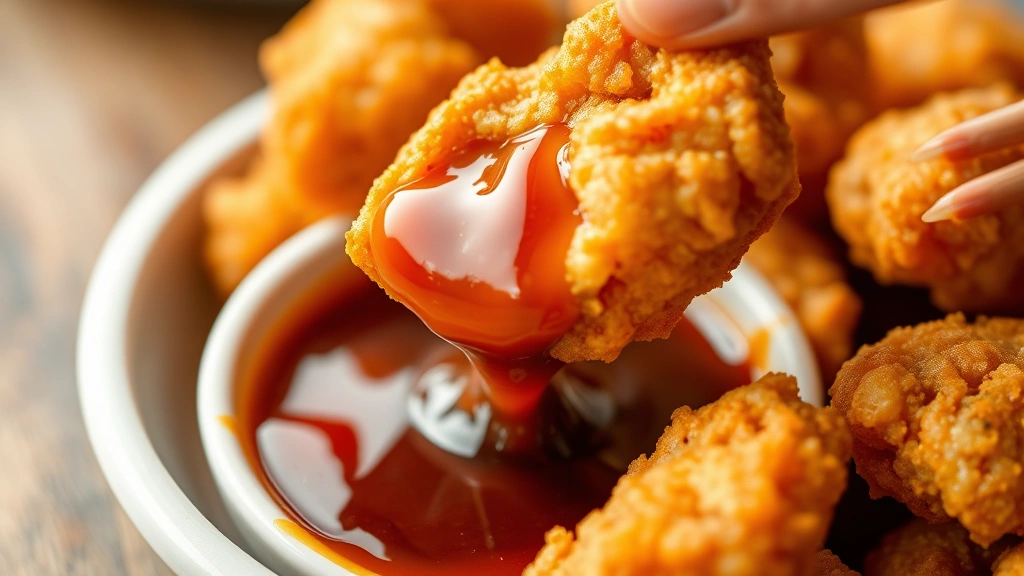
Temperature Serving: Tonkatsu sauce can be served at room temperature or gently warmed. Some prefer it warm, particularly when serving with hot dishes, as the warmth enhances aroma and flavor perception. Never boil reheated sauce, as high heat can alter flavor.
Quantity Guidelines: A little tonkatsu sauce goes a long way due to its concentrated flavors. Start with 1-2 tablespoons per serving and add more as desired. Many people find 1 tablespoon per tonkatsu cutlet is ideal, though personal preference varies.
When planning meals featuring tonkatsu sauce, consider preparing complementary dishes. You might serve tonkatsu alongside traditional Japanese sides, or create fusion meals combining Japanese sauce with Western preparations. The sauce’s versatility makes it a valuable pantry staple for cooks interested in exploring how to cook with cast iron for various proteins.
FAQ
Can I make tonkatsu sauce without Worcestershire sauce?
While Worcestershire sauce is traditional, you can create a substitute by combining soy sauce, vinegar, and a touch of anchovy paste or fish sauce. However, the flavor profile will differ noticeably. For best results, try to source Worcestershire sauce, as it’s widely available and inexpensive.
Is tonkatsu sauce the same as okonomiyaki sauce?
These sauces are similar but not identical. Okonomiyaki sauce (savory Japanese pancake sauce) typically contains more Worcestershire sauce and is thinner in consistency. Tonkatsu sauce is thicker and contains more ketchup. While they share ingredients, their proportions and intended uses differ.
Can I use bottled apple juice concentrate?
Yes, but dilute it according to package directions before using. Concentrated juice is too strong and will overwhelm other flavors. Regular bottled apple juice works best for consistent results.
How do I make tonkatsu sauce less sweet?
Reduce mirin and sugar by 25-50% depending on your preference. Increase Worcestershire sauce and vinegar proportionally to maintain balance. Taste frequently while adjusting to find your ideal sweetness level.
What’s the difference between mirin and sugar?
While both add sweetness, mirin provides subtle umami and depth that plain sugar cannot achieve. Mirin’s fermented rice base creates complexity, making it superior for Japanese sauces. However, if unavailable, you can substitute with equal parts sugar and water, though the final sauce will lack mirin’s subtle sophistication.
Can tonkatsu sauce be made in large batches?
Absolutely. Simply multiply all ingredient quantities by the desired factor. Increase simmering time slightly if making significantly larger batches to ensure proper flavor development. Store excess sauce in the freezer for months of convenient use.
Is homemade tonkatsu sauce spicier than store-bought versions?
Homemade sauce is typically milder than many commercial versions, which contain additional spices and preservatives. You can adjust heat levels by adding spices to match your preference or commercial brands’ profiles.
Can I use this sauce on desserts or sweet applications?
Tonkatsu sauce is savory-sweet and pairs poorly with most desserts. However, some adventurous cooks have used it as a glaze for certain sweet-savory preparations. Stick with traditional savory applications for best results.
What external resources help master Japanese sauce-making?
Check out Serious Eats’ Japanese cooking section for detailed sauce techniques and ingredient information. Just One Cookbook offers authentic Japanese recipes with thorough explanations. The International Association of Culinary Professionals provides resources for understanding global cooking techniques and ingredient sourcing.


