
Top 5 Vegan Soups? Dietitian Approved
Finding satisfying vegan soup recipes that deliver on nutrition and flavor can feel challenging, but it doesn’t have to be. As a registered dietitian, I’ve spent years helping clients discover plant-based soups that are not only delicious but also packed with essential vitamins, minerals, and protein. Whether you’re fully vegan or simply exploring meatless meals, these five soup recipes have earned my professional stamp of approval for their balanced nutrition profiles and incredible taste.
The beauty of vegan soups lies in their versatility and accessibility. You can prepare them on the stovetop, use a slow cooker for hands-off cooking, or batch-prepare them for the week ahead. Each of these recipes focuses on whole food ingredients that work together to create complete meals rather than simple side dishes. Let’s explore five exceptional vegan soups that will transform your weeknight dinners and meal prep routine.
1. Creamy Coconut Lentil Soup
This creamy coconut lentil soup represents one of my top recommendations for anyone seeking a protein-rich vegan meal. Red lentils break down during cooking, creating a naturally creamy texture without requiring any dairy products. A single serving delivers approximately 18 grams of plant-based protein and 10 grams of fiber, making it exceptionally satiating.
Key ingredients include:
- 1 cup red lentils (rinsed thoroughly)
- 1 can (14 oz) full-fat coconut milk
- 4 cups vegetable broth
- 2 medium carrots (diced)
- 1 medium yellow onion (diced)
- 3 cloves garlic (minced)
- 1 teaspoon ground cumin
- 1 teaspoon turmeric powder
- Salt and black pepper to taste
- 2 tablespoons olive oil
- Fresh cilantro for garnish
Preparation method: Heat olive oil in a large pot over medium heat. Add diced onions and carrots, sautéing for 5-7 minutes until softened. Stir in minced garlic, cumin, and turmeric, cooking for an additional minute until fragrant. Pour in rinsed lentils, vegetable broth, and coconut milk. Bring the mixture to a boil, then reduce heat and simmer for 20-25 minutes until lentils are completely tender. For a smoother consistency, use an immersion blender to puree approximately half the soup, leaving some texture. Season with salt and pepper, then serve hot with fresh cilantro and crusty bread.
This soup pairs beautifully with quick and easy pasta recipes for a complete meal. The natural creaminess eliminates the need for heavy cream, and the spices provide anti-inflammatory benefits that make this particularly valuable for your overall health.
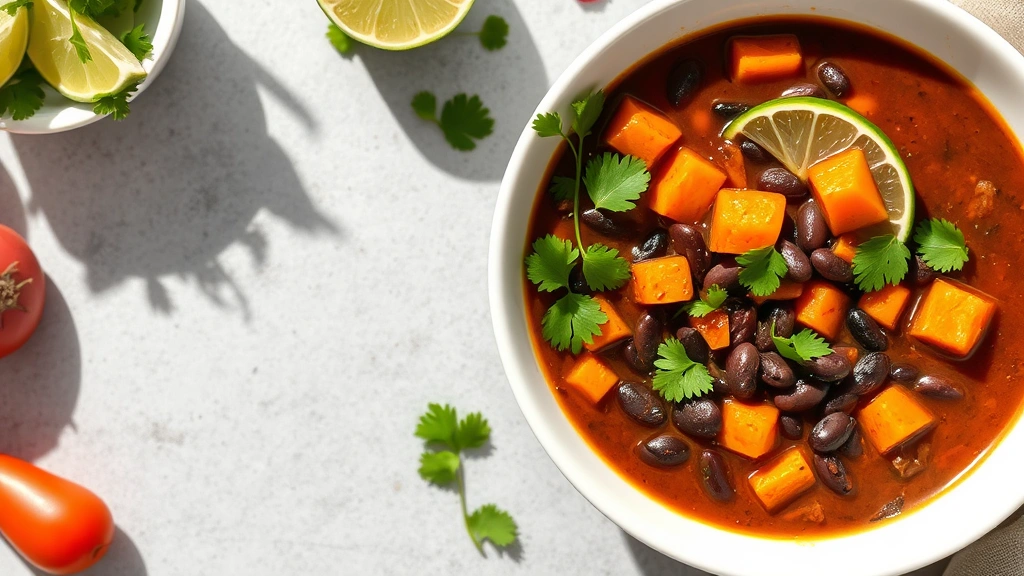
2. Spicy Black Bean and Sweet Potato Soup
Black beans and sweet potatoes create a dynamic nutritional duo in this vibrant soup. Black beans provide anthocyanins and resistant starch, while sweet potatoes contribute beta-carotene and additional fiber. Together, they create a soup with approximately 12 grams of protein and exceptional micronutrient density per serving.
Essential ingredients:
- 2 cans (15 oz each) black beans (drained and rinsed)
- 2 medium sweet potatoes (cubed)
- 1 can (14.5 oz) diced tomatoes
- 1 medium red bell pepper (diced)
- 1 medium yellow onion (diced)
- 4 cloves garlic (minced)
- 5 cups vegetable broth
- 2 teaspoons ground cumin
- 1 teaspoon smoked paprika
- ½ teaspoon cayenne pepper (adjust to taste)
- 2 tablespoons olive oil
- Lime juice and cilantro for finishing
Start by heating olive oil in your pot and sautéing diced onions and red bell pepper for 6-8 minutes. Add minced garlic, cumin, smoked paprika, and cayenne pepper, stirring constantly for one minute. Add cubed sweet potatoes, drained black beans, diced tomatoes with their juice, and vegetable broth. Bring to a boil, then reduce heat and simmer for 25-30 minutes until sweet potatoes are fork-tender. The sweet potatoes will partially break down, thickening the soup naturally. Finish with fresh lime juice and cilantro for brightness. This recipe makes an excellent candidate for healthy crockpot recipes – simply combine all ingredients in your slow cooker and cook on low for 6-8 hours.
The combination of legumes and root vegetables provides sustained energy, making this particularly valuable for active individuals or those managing blood sugar levels.
3. Mediterranean Chickpea Vegetable Soup
Mediterranean cuisine naturally aligns with plant-based eating, and this chickpea soup captures those authentic flavors beautifully. Chickpeas contain polyphenols and resistant starch, supporting digestive health and stable energy levels. This soup delivers approximately 11 grams of protein per serving along with substantial amounts of iron and magnesium.
Ingredient list:
- 2 cans (15 oz each) chickpeas (drained and rinsed)
- 1 medium zucchini (diced)
- 2 medium carrots (diced)
- 1 red bell pepper (diced)
- 1 can (14.5 oz) diced tomatoes
- 6 cups vegetable broth
- 1 medium yellow onion (diced)
- 4 cloves garlic (minced)
- 1 teaspoon dried oregano
- 1 teaspoon dried basil
- ½ teaspoon fennel seeds (optional)
- 2 tablespoons olive oil
- Fresh parsley and lemon juice for serving
- Sea salt and pepper
Heat olive oil in a large pot and sauté diced onions, carrots, and red bell pepper for 8 minutes until beginning to soften. Add minced garlic, oregano, basil, and fennel seeds if using, cooking for one minute. Stir in diced zucchini, chickpeas, tomatoes with their juice, and vegetable broth. Bring to a boil, then reduce heat and simmer for 20-25 minutes until vegetables are tender. Season with sea salt and pepper. Serve with fresh parsley, a squeeze of lemon juice, and crusty whole grain bread. The herbs provide polyphenols with antioxidant and anti-inflammatory properties that support long-term health outcomes.
4. Thai Green Curry Soup with Tofu
This Thai-inspired soup incorporates silken tofu as its primary protein source, offering all nine essential amino acids in a complete protein package. The green curry paste provides capsaicin from Thai chilies, which supports metabolism and anti-inflammatory processes. Each serving contains approximately 14 grams of protein with minimal saturated fat.
Ingredients needed:
- 1 block (14 oz) extra-firm tofu (pressed and cubed)
- 1 can (14 oz) full-fat coconut milk
- 4 cups vegetable broth
- 3-4 tablespoons green curry paste
- 2 cups fresh spinach
- 1 cup snap peas
- 8 oz mushrooms (sliced)
- 1 red bell pepper (sliced)
- 3 cloves garlic (minced)
- 1 tablespoon fresh lime juice
- 1 tablespoon low-sodium tamari or soy sauce
- 1 tablespoon coconut oil
- Fresh basil and lime wedges for serving
Heat coconut oil in a large pot over medium-high heat. Add minced garlic and green curry paste, stirring for 1-2 minutes until fragrant. Pour in coconut milk and vegetable broth, stirring well to combine. Add sliced mushrooms and red bell pepper, bringing the mixture to a simmer. Cook for 8 minutes, then add snap peas and pressed tofu cubes. Simmer for an additional 5 minutes. Remove from heat and stir in fresh spinach until wilted. Finish with lime juice and tamari. Serve immediately with fresh basil and lime wedges. This soup demonstrates how gluten free dairy free recipes can deliver restaurant-quality results at home.
The combination of tofu’s complete protein and the polyphenol-rich curry paste creates a nutritionally dense meal that supports sustained satiety and muscle maintenance.
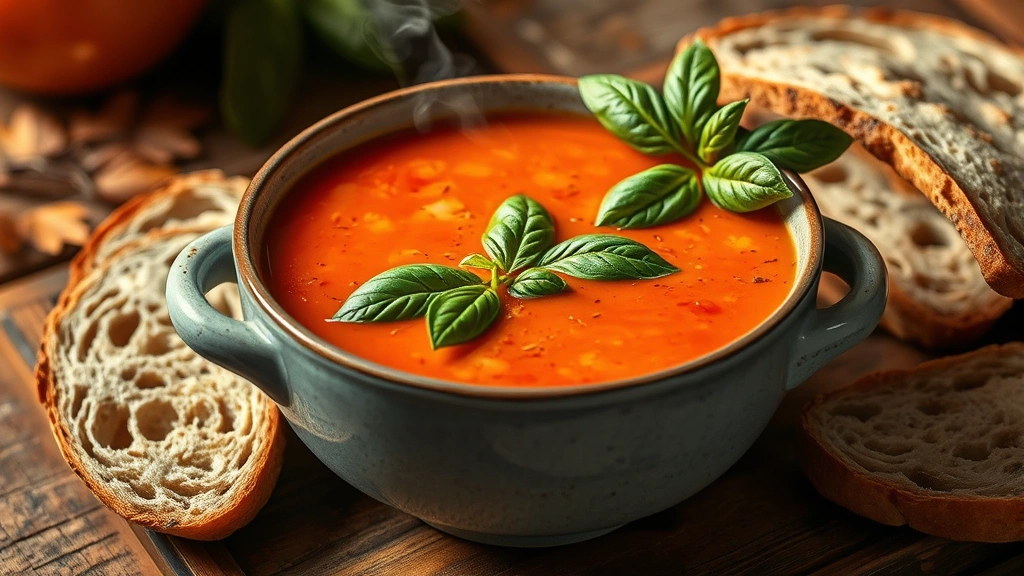
5. Roasted Tomato and Basil Soup
This classic vegan soup celebrates the natural sweetness of roasted tomatoes while delivering lycopene, a powerful antioxidant with documented cardiovascular benefits. Roasting concentrates the tomatoes’ natural sugars and creates deeper, more complex flavors than raw tomato soups. While lighter in protein than bean-based soups, this recipe pairs perfectly with protein-rich sides.
Key ingredients:
- 3 lbs fresh tomatoes (halved) or 3 cans (28 oz total) crushed tomatoes
- 1 large yellow onion (quartered)
- 6 cloves garlic (unpeeled)
- 4 cups vegetable broth
- ¾ cup unsweetened plant-based milk
- 1 cup fresh basil leaves
- 3 tablespoons olive oil
- 1 teaspoon balsamic vinegar
- Salt and pepper to taste
- Red pepper flakes (optional)
Roasting method: Preheat oven to 425°F. Place halved tomatoes cut-side down on a baking sheet along with quartered onion and unpeeled garlic cloves. Drizzle with 2 tablespoons olive oil, then roast for 35-40 minutes until tomatoes are caramelized and garlic is soft. Transfer roasted vegetables to a large pot, squeeze roasted garlic cloves from their skins into the pot, and add vegetable broth. Bring to a simmer and cook for 10 minutes. Use an immersion blender to puree the soup until completely smooth. Stir in plant-based milk and fresh basil, cooking for 2 additional minutes. Finish with balsamic vinegar, salt, and pepper. Serve with crusty bread or pair with quick and easy pasta recipes for a complete meal.
The roasting process creates Maillard reaction compounds that provide depth and umami satisfaction, making this soup feel indulgent despite its simple ingredient list.
Nutritional Benefits of Plant-Based Soups
As a registered dietitian, I recommend vegan soups for several evidence-based nutritional reasons. Plant-based soups inherently focus on whole foods rather than processed ingredients, providing superior micronutrient density compared to conventional broths. The combination of legumes (beans, lentils, chickpeas) with vegetables creates complete or complementary protein profiles when consumed throughout the day.
Key nutritional advantages include:
- Fiber content: Plant-based soups typically contain 8-12 grams of fiber per serving, supporting digestive health and stable blood sugar levels
- Polyphenol diversity: Vegetables, herbs, and spices provide thousands of bioactive compounds with antioxidant and anti-inflammatory properties
- Mineral absorption: The acidic environment created by tomatoes and lemon juice enhances mineral bioavailability
- Sustained satiety: Legume-based soups provide resistant starch and soluble fiber, promoting lasting fullness
- Cardiovascular support: Plant-based soups are naturally low in saturated fat while providing cholesterol-lowering compounds
Research from Harvard School of Public Health demonstrates that plant-based diets rich in legumes and vegetables significantly reduce risk of chronic diseases including type 2 diabetes, heart disease, and certain cancers. Soups represent an efficient delivery method for these protective foods because the cooking process breaks down cell walls, increasing nutrient bioavailability.
When preparing soups for meal prep, store them in glass containers in the refrigerator for up to 5 days, or freeze them in individual portions for up to 3 months. This approach eliminates excuses for skipping nutritious meals during busy weeks.
Cooking Techniques for Optimal Results
Mastering a few key techniques elevates your vegan soup preparation. Serious Eats’ guide to vegan soup techniques provides detailed instruction on building flavor through proper sautéing. Always sauté aromatics (onions, garlic, celery) before adding broth – this develops complex flavors through the Maillard reaction that cannot be achieved by simply boiling everything together.
Roasting vegetables before adding them to soup concentrates their natural sugars and creates caramelization that deepens the overall flavor profile. This technique works particularly well for tomatoes, carrots, bell peppers, and root vegetables. The small time investment pays dividends in the finished product’s complexity and satisfaction level.
Season your soups in layers rather than all at once. Add salt and acid (lemon juice or vinegar) near the end of cooking, allowing you to adjust to your preference. This approach prevents over-salting and ensures bright, fresh flavors in the finished dish.
For those seeking convenience, these recipes work beautifully in slow cookers. Simply skip the sautéing step, combine all ingredients, and cook on low for 6-8 hours. This method is perfect for healthy crockpot recipes that require minimal active time. The extended cooking time allows flavors to develop fully while your busy schedule continues uninterrupted.
Protein Pairing Strategies
While these soups provide varying amounts of plant-based protein, combining them with complementary foods ensures complete amino acid profiles. Serve any of these soups alongside whole grain bread, quinoa, or brown rice to create complete proteins. Adding seeds like pumpkin or sunflower seeds provides additional protein, healthy fats, and minerals.
For a grandma approved dinner recipes approach, serve soup with hearty bread or alongside a simple grain salad. This combination provides approximately 20-25 grams of total protein per meal while maintaining the comfort-food appeal that makes soups so satisfying.
FAQ
Can I freeze these vegan soups?
Absolutely. All five soups freeze beautifully for up to three months. Cool completely before freezing in portion-sized containers or freezer bags, leaving room for expansion. Thaw overnight in the refrigerator and reheat gently on the stovetop, adding extra broth if needed to restore the desired consistency.
How can I increase the protein content of these soups?
Add cooked grains like quinoa or farro, incorporate additional legumes, or stir in seeds such as hemp, pumpkin, or sunflower seeds. Nutritional yeast provides 8 grams of protein and B vitamins per 2-tablespoon serving. Tempeh or additional tofu cubes also boost protein substantially.
Are these soups suitable for meal prep?
Yes, all these recipes are ideal for meal prep. Prepare a large batch on Sunday and portion into containers for five days of lunches or dinners. The flavors actually develop and deepen over 2-3 days as ingredients continue to infuse together. Refrigerate up to five days or freeze for longer storage.
Can I make these soups without a slow cooker?
All recipes are designed for stovetop preparation. If you prefer slow cooker versions, simply combine all ingredients and cook on low for 6-8 hours, omitting the sautéing step. The extended cooking time develops flavors beautifully.
What vegetables can I substitute in these recipes?
Soups offer tremendous flexibility. Substitute any vegetables based on availability and preference. For example, replace zucchini with yellow squash, swap bell peppers for fresh tomatoes, or use kale instead of spinach. Root vegetables like parsnips and celery root add earthiness. Adjust cooking times based on vegetable density.
Are these recipes low in sodium?
These recipes use vegetable broth as the primary sodium source. Use low-sodium broth and add salt to taste for complete control. A single serving contains approximately 600-800 mg sodium, which is reasonable for a complete meal. Those following sodium-restricted diets can use homemade broth or additional water with increased seasonings.
Can I make these soups nut-free?
Yes, all five recipes are naturally nut-free. The coconut milk in two recipes may concern those with tree nut allergies, but coconut is botanically a drupe, not a true nut. Check with your healthcare provider regarding individual tolerance. Substitute coconut milk with oat milk or cashew cream if desired, though this may affect richness slightly.


