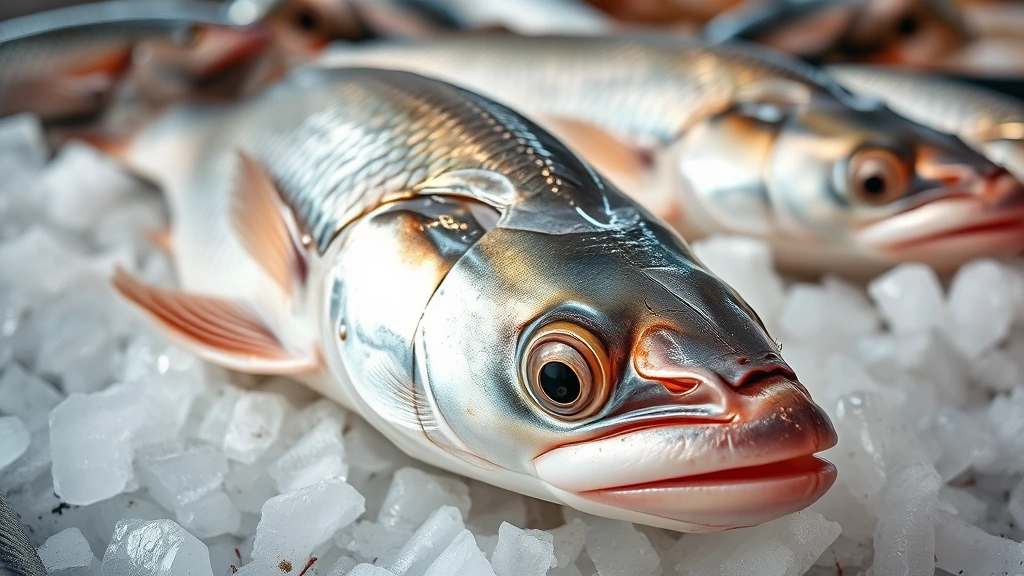
Delicious Catfish? Southern Chef’s Favorite Recipe
Catfish holds a special place in Southern cuisine, and for good reason. This freshwater fish has a mild, slightly sweet flavor that takes beautifully to bold seasonings and traditional cooking methods. Whether you’re a seasoned cook or just beginning your culinary journey, catfish recipes offer versatility, affordability, and genuine satisfaction. The Southern tradition of preparing catfish has been passed down through generations, evolving from riverside fishing camps to celebrated restaurant menus.
What makes catfish such a beloved ingredient in Southern kitchens? The answer lies in its accessibility and forgiving nature. Unlike delicate white fish that can easily overcook, catfish maintains its tender texture and develops rich, complex flavors when prepared with care. From crispy pan-fried preparations to slow-cooked stews, catfish adapts to nearly any cooking technique. This guide will walk you through mastering the art of cooking catfish the way Southern chefs have perfected it over decades.
Selecting Quality Catfish
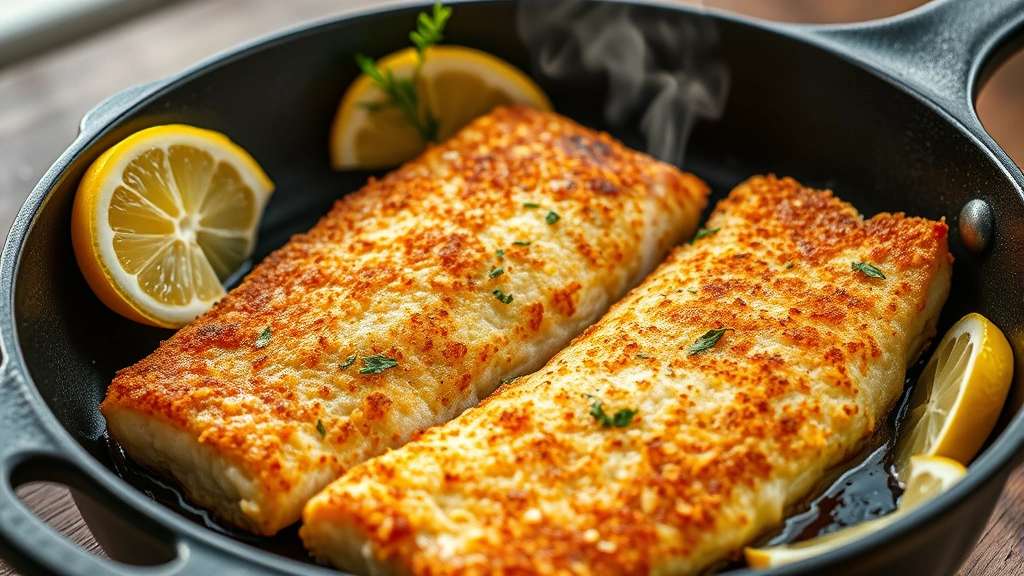
The foundation of any exceptional catfish dish begins at the market. Southern chefs understand that quality ingredients make all the difference, and selecting the right fish sets the tone for your entire cooking experience. When shopping for catfish, look for fish with firm, unblemished flesh and a fresh, mild ocean-like smell. Avoid any specimens with a strong ammonia odor, which indicates age and poor handling.
Fresh catfish should have bright, clear eyes and gills that are red or pink in color. The skin should feel smooth and slightly slimy to the touch—this protective coating indicates freshness. If you have access to a fishmonger, don’t hesitate to ask questions about sourcing and handling. Many Southern markets offer farm-raised catfish, which is sustainable, consistently good quality, and often fresher than wild-caught varieties. Frozen catfish is also an excellent option; quality frozen fish maintains its nutritional value and flavor profile when properly thawed.
When selecting fillets versus whole fish, consider your comfort level and intended preparation. Whole catfish allows you to control the cooking process completely and often provides more flavor, as the bones and skin contribute to the final taste. Fillets offer convenience and require minimal prep work. For beginners, fillets are forgiving and cook quickly. For a more authentic Southern experience, whole catfish or steaks deliver superior results.
Preparation and Cleaning Basics
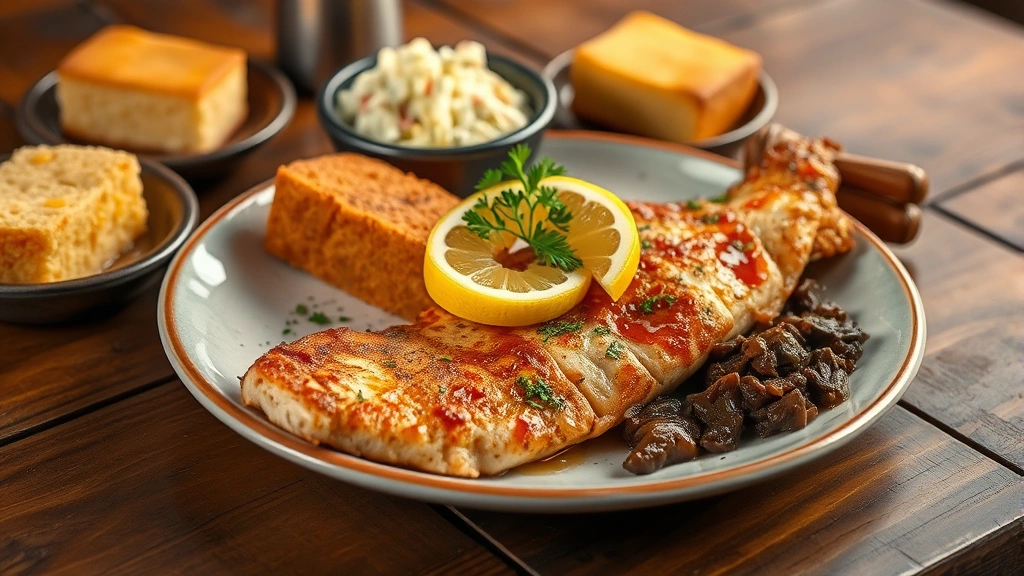
Proper preparation is crucial for developing the best flavors in your catfish dish. If you’ve purchased whole fish, you’ll need to clean it thoroughly. Start by rinsing the catfish under cold running water, using your fingers to remove any scales or debris. Pat the fish dry with paper towels—this step is essential for achieving crispy skin when pan-frying.
For whole catfish, you have two options: filet the fish yourself or ask your fishmonger to do it. If filleting at home, use a sharp, flexible filleting knife. Position the knife just behind the head and gills, angling it slightly toward the backbone. Make a long, smooth cut from head to tail, following the natural contours of the fish. Repeat on the other side, then carefully remove any remaining pin bones using tweezers or needle-nose pliers.
Pat your fillets completely dry before cooking—moisture is the enemy of crispiness. This is especially important if you’re planning to pan-fry your catfish. Many Southern cooks pat their fillets with paper towels multiple times to ensure maximum dryness. If preparing catfish ahead of time, store fillets on a plate lined with paper towels, covered loosely with plastic wrap, in the coldest part of your refrigerator.
Classic Pan-Fried Catfish
Pan-frying is the quintessential Southern method for preparing catfish, and it’s the technique that delivers the most satisfying results. This method creates a golden, crispy exterior while keeping the interior moist and tender. The beauty of pan-fried catfish lies in its simplicity—you need only a few quality ingredients and proper technique to create restaurant-worthy results.
Classic Pan-Fried Catfish Recipe:
- 4 catfish fillets (6-8 ounces each)
- 1 cup cornmeal
- ½ cup all-purpose flour
- 2 teaspoons salt
- 1 teaspoon black pepper
- ½ teaspoon cayenne pepper
- ½ teaspoon garlic powder
- ¼ cup buttermilk
- 2 cups vegetable oil for frying
- Lemon wedges for serving
Begin by patting your catfish fillets completely dry. This step cannot be overstated—any moisture on the surface will create steam during cooking, preventing the development of that coveted crispy crust. In a shallow bowl, whisk together the cornmeal, flour, salt, black pepper, cayenne pepper, and garlic powder. Pour buttermilk into another shallow bowl.
Heat your oil in a large cast-iron skillet or heavy-bottomed frying pan over medium-high heat. The temperature is critical—aim for 350-375°F. If you don’t have a thermometer, test the oil by dropping a small piece of cornmeal mixture into it. If it sizzles immediately and turns golden, the oil is ready. Dip each catfish fillet into the buttermilk, coating both sides thoroughly, then dredge in the cornmeal mixture, pressing gently to ensure the coating adheres.
Carefully place the coated fillets into the hot oil, working in batches to avoid overcrowding the pan. Overcrowding drops the oil temperature and results in greasy, soggy fish. Fry for 4-5 minutes per side, until the coating is deep golden brown and crispy. The fish should flake easily when tested with a fork. Remove the fillets with a slotted spatula and place them on a paper towel-lined plate to drain excess oil.
For an even more authentic Southern experience, consider using cast iron cookware for your pan-frying. Cast iron distributes heat evenly and develops a natural non-stick surface over time, creating superior crust development. Serve your catfish immediately while it’s still hot and crispy, with fresh lemon wedges and your favorite accompaniments.
Southern Seasoning Secrets
The magic behind memorable catfish dishes lies in the seasoning strategy. Southern chefs layer flavors carefully, building complexity without overwhelming the delicate fish. The key is balance—you want bold flavors that complement rather than mask the natural taste of the catfish.
Cornmeal-based coatings are traditional for good reason. Cornmeal provides texture and develops a distinctive golden crust when fried. Adding spices to the cornmeal mixture creates flavor throughout the coating. Cayenne pepper adds subtle heat, while garlic powder and paprika contribute depth. Some Southern chefs add a pinch of Old Bay seasoning for a coastal influence, or white pepper for a more delicate heat profile.
Buttermilk serves multiple purposes in catfish preparation. Beyond helping the coating adhere, buttermilk’s acidity tenderizes the fish and adds subtle tang that enhances the overall flavor profile. If you don’t have buttermilk, you can create a substitute by mixing regular milk with lemon juice or white vinegar—let it sit for five minutes before using.
Consider preparing a compound butter or sauce to accompany your fried catfish. A simple homemade sauce made with lemon juice, butter, and fresh herbs elevates the dish significantly. Tartar sauce is the traditional pairing, but don’t overlook remoulade, which adds Creole flair with its combination of mayo, mustard, and pickled ingredients.
Alternative Cooking Methods
While pan-frying dominates Southern catfish tradition, other cooking methods offer excellent results with different flavor profiles and nutritional benefits. Baking catfish is an excellent option for health-conscious cooks or when feeding larger groups. Preheat your oven to 400°F, season your fillets with salt, pepper, and your choice of herbs, then bake for 12-15 minutes until the fish flakes easily with a fork.
Grilling catfish develops wonderful smoky flavors and creates beautiful char marks. Use medium heat and oil your grill grates well to prevent sticking. Whole catfish or thick fillets work best for grilling—they’re less likely to fall apart. Grill for 4-5 minutes per side, depending on thickness, and serve with fresh herbs and citrus.
Poaching catfish in a flavorful broth creates tender, moist fish perfect for incorporating into stews or composed plates. This gentle cooking method is ideal if you’re preparing catfish for someone with delicate taste preferences or dietary restrictions. Slow-cooking catfish in crockpot recipes with vegetables, tomatoes, and spices creates warming, soul-satisfying dishes.
Blackening is another popular Southern technique that creates a flavorful crust while keeping the interior moist. Coat your catfish with a blackening spice mixture (paprika, cayenne, thyme, oregano, garlic, onion powder, salt, and pepper), then sear in a screaming hot cast-iron skillet without oil. The spices create a dark, flavorful crust in just 2-3 minutes per side.
Perfect Side Dish Pairings
Southern catfish deserves equally compelling side dishes that complement its subtle flavor and crispy texture. Traditional pairings have evolved over generations, creating the perfect balance of flavors and textures on the plate.
Cornbread is perhaps the most iconic accompaniment to catfish. Its slightly sweet flavor and crumbly texture provide wonderful contrast to crispy fried fish. Consider baking easy homemade bread recipes specifically designed for cornbread to elevate your meal. Serve warm with butter and honey for a complete Southern experience.
Coleslaw offers refreshing crunch and acidity that cuts through the richness of fried catfish. A simple vinegar-based slaw with cabbage, carrots, and a touch of sugar provides the perfect balance. Creamy slaws work too, but the tangy varieties are more traditional and aid digestion of fried foods.
Collard greens, mustard greens, or other Southern vegetables bring authentic regional flavor to your plate. These hearty greens, often cooked with bacon or smoked meat, provide nutritional balance and traditional flavor that honors catfish’s cultural heritage. Okra, either fried or stewed, pairs beautifully with catfish and offers interesting textural contrast.
For starch options, consider creamy grits, which have a special affinity with catfish. The mild, buttery flavor of grits complements catfish without competing. Mac and cheese, either traditional or elevated with creative additions, works wonderfully. Fried catfish with crispy hushpuppies—fried cornmeal dough balls—creates an authentically Southern meal experience.
Don’t overlook simple, elegant sides like roasted vegetables, rice pilaf, or fresh salads. While less traditional, these options provide lighter balance and allow the quality of your catfish preparation to shine. Lemon-herb rice or wild rice pilaf adds sophistication while remaining accessible.
FAQ
How long does catfish take to cook?
Pan-fried catfish fillets typically cook in 8-10 minutes total (4-5 minutes per side). Baked catfish requires 12-15 minutes at 400°F. Grilled catfish takes 8-10 minutes depending on thickness. Always cook until the fish flakes easily with a fork and reaches an internal temperature of 145°F.
Can I use frozen catfish?
Yes, frozen catfish works excellently. Thaw it completely in the refrigerator overnight before cooking. Pat dry thoroughly before cooking to achieve proper crust development. Frozen catfish maintains quality and nutritional value when properly handled, making it a convenient, reliable option for weeknight dinners.
What’s the difference between farm-raised and wild catfish?
Farm-raised catfish is more consistent in size and quality, cooks more predictably, and is generally more sustainable. Wild catfish has slightly different flavor characteristics but can be muddier in taste depending on water conditions. For most home cooks, farm-raised catfish offers superior reliability and accessibility.
Should I remove the skin before cooking?
For pan-frying, keep the skin on—it protects the delicate flesh and develops a flavorful, crispy surface. For baking or poaching, you can remove the skin if preferred. The skin contains beneficial nutrients and contributes to the overall flavor, so keeping it is recommended.
What’s the best oil for frying catfish?
Vegetable oil, canola oil, and peanut oil all work excellently for frying catfish. These oils have high smoke points, allowing them to reach the necessary frying temperature without degrading. Avoid olive oil, which has a lower smoke point and will impart unwanted flavors. Peanut oil is traditionally preferred in Southern cooking for its neutral flavor and high smoke point.
Can I make catfish ahead of time?
Fried catfish is best served immediately while crispy. However, you can prepare breaded fillets ahead and refrigerate them until ready to fry. For other cooking methods, you can prepare catfish earlier in the day and gently reheat it. Store cooked catfish in an airtight container in the refrigerator for up to three days.
How do I avoid greasy catfish?
Ensure your oil reaches proper frying temperature (350-375°F) before adding fish. Don’t overcrowd the pan, which drops oil temperature. Pat fillets completely dry before coating and frying. Use a slotted spatula to remove fish and drain on paper towels immediately. Proper technique eliminates greasiness while maintaining crispy texture.
What wines pair well with catfish?
Crisp white wines like Sauvignon Blanc, Pinot Grigio, or Riesling complement fried catfish beautifully. The acidity cuts through richness and cleanses the palate. For baked or grilled preparations, consider slightly fuller whites like Chardonnay. Sweet tea, lemonade, or beer are traditional Southern beverage pairings that work wonderfully.
How can I reduce food waste when preparing catfish?
Save fish heads, bones, and skin to make flavorful stock for soups and sauces. Check out food waste reduction tips for comprehensive strategies. Use leftover cooked catfish in salads, sandwiches, or incorporate it into pasta dishes. Proper storage and planning minimize waste significantly.
Are there low-carb catfish preparations?
Absolutely. Baked, grilled, or poached catfish without breading offers excellent low-carb options. Season simply with herbs, lemon, and butter. Avoid the cornmeal coating or substitute almond flour mixed with seasonings for a lower-carb alternative. These preparations maintain catfish’s nutritional benefits while accommodating dietary preferences.


