
Ultimate Baked Haddock Recipe: Chef-Approved Technique for Perfectly Flaky Fish
Baked haddock represents one of the most versatile and elegant proteins you can prepare at home, delivering restaurant-quality results with minimal effort. This mild, delicate white fish becomes incredibly moist and flavorful when baked properly, making it a favorite among professional chefs and home cooks alike. The key to mastering baked haddock recipes lies in understanding the fish’s delicate nature and employing techniques that preserve its natural sweetness while building complementary flavors.
Whether you’re preparing a weeknight dinner or impressing guests at a dinner party, baked haddock offers nutritional benefits alongside culinary satisfaction. Rich in lean protein, selenium, and omega-3 fatty acids, haddock fits seamlessly into any healthy food recipes collection. This comprehensive guide walks you through every step, from selecting premium fish to plating your finished dish with professional presentation.
Our chef-approved approach combines traditional cooking wisdom with modern technique, ensuring consistent excellence every time you prepare this dish. You’ll discover why temperature control, proper seasoning, and strategic ingredient pairing transform simple haddock into an unforgettable meal.

Selecting and Preparing Your Haddock
The foundation of exceptional baked haddock begins at the fish counter. Fresh haddock should display several telltale signs of quality: clear, bright eyes; firm flesh that springs back when pressed; and a clean ocean aroma rather than a fishy smell. Professional chefs emphasize that appearance matters—look for translucent flesh with a slight pinkish hue and no browning at the edges.
When purchasing, ask your fishmonger about the catch date and whether the fish was line-caught or trawled. Line-caught haddock typically offers superior texture and flavor. Request fillets that are uniform in thickness, ideally between one-half and three-quarters inch thick, ensuring even cooking throughout.
Preparation steps before baking are minimal but crucial. Remove haddock from refrigeration 15-20 minutes before cooking, allowing it to reach closer to room temperature. This promotes even cooking and prevents the exterior from overcooking while the center finishes. Pat the fillets completely dry using paper towels—moisture on the surface creates steam that prevents proper browning and texture development.
Inspect each fillet carefully for pin bones, those thin bones running down the center. Use tweezers or needle-nose pliers to remove them by pulling at a slight angle toward the head end. This simple step dramatically improves the eating experience and demonstrates professional attention to detail.
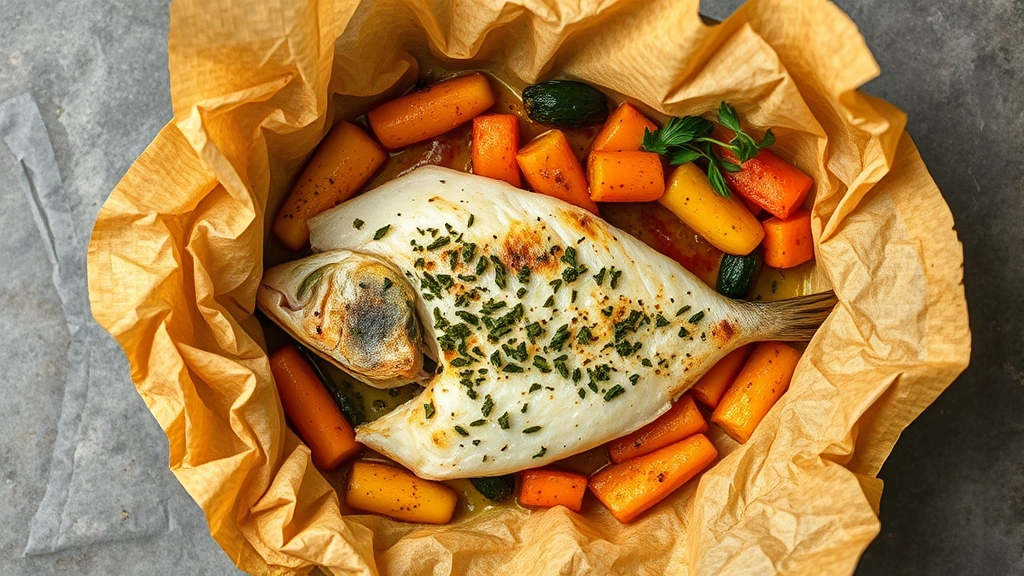
Building Flavor Foundations
Haddock’s delicate, slightly sweet flavor profile demands complementary seasonings rather than overwhelming spices. The best homemade salad dressings principles apply here—balance acid, fat, and seasoning to enhance rather than mask the fish’s natural character.
Essential seasoning components include fine sea salt and freshly ground black pepper applied generously to both sides of each fillet. Don’t shy away from salt; it enhances flavor perception and helps create a subtle crust. Lemon serves as the classic acid component, brightening the fish’s sweetness and cutting through richness from butter or oil.
Fresh herbs elevate baked haddock significantly. Dill, with its slightly anise-like notes, pairs beautifully with haddock’s mild character. Parsley adds freshness without competing for attention. Tarragon brings subtle complexity, while chives offer delicate onion notes. Thyme works wonderfully when you’re incorporating Mediterranean flavors.
Fat is essential for moisture and flavor delivery. Unsalted butter provides richness and helps create an attractive golden crust. Extra virgin olive oil contributes fruity notes and antioxidants. Many chefs combine both—butter for richness, olive oil for its flavor profile and higher smoke point.
Consider adding aromatics beneath and around the fillets. Thin lemon slices provide flavor and moisture. Thinly sliced onions or fennel add subtle sweetness. Cherry tomatoes burst during baking, creating a light pan sauce. These components transform a simple baked fillet into a complete one-pan dish.
Mastering the Baking Technique
Temperature control determines whether your haddock emerges perfectly moist or disappointingly dry. Professional kitchens use precise thermometers to verify doneness, and home cooks should adopt this practice.
Optimal baking temperature for haddock is 400°F (200°C). This temperature allows the exterior to develop gentle color while keeping the interior tender and moist. Higher temperatures risk drying the delicate flesh before it cooks through.
The visual doneness indicator involves observing when the fish transitions from translucent to opaque. The flesh should flake easily with a fork but still appear slightly moist at the thickest point. Use an instant-read thermometer inserted at the thickest part—haddock reaches optimal doneness at 145°F (63°C) internal temperature, the FDA recommendation for fish.
Cooking time depends on fillet thickness and oven calibration. Half-inch fillets typically bake for 10-12 minutes, while three-quarter-inch fillets need 12-15 minutes. Thicker portions may require 15-18 minutes. Start checking at the lower time range and add time in one-minute increments as needed.
Oven preparation matters more than many cooks realize. Allow your oven to preheat fully—at least 15 minutes at the target temperature. Use an oven thermometer to verify accuracy, as many home ovens run hot or cold. Line your baking sheet with parchment paper for easy cleanup and to prevent sticking.
Arrange haddock skin-side down on the prepared sheet, leaving space between fillets for heat circulation. Avoid crowding, which creates steam pockets that cook the fish unevenly. If baking multiple fillets, arrange them in a single layer rather than stacking or overlapping.
Classic Baked Haddock Recipe
Ingredients (serves 4):
- Four 6-ounce haddock fillets, skin on
- 3 tablespoons unsalted butter, divided
- 2 tablespoons extra virgin olive oil
- 1 large lemon, thinly sliced
- 2 cloves garlic, minced
- ¼ cup fresh dill, chopped
- 2 tablespoons fresh parsley, chopped
- Fine sea salt and freshly ground black pepper
- Optional: 1 cup cherry tomatoes, halved
Step-by-step instructions:
- Prepare the baking sheet: Preheat oven to 400°F (200°C). Line a large baking sheet with parchment paper. Arrange lemon slices across the parchment, creating a bed for the fish. Distribute half the cherry tomatoes (if using) among the lemon slices.
- Season the fish: Remove haddock from refrigeration 15 minutes before baking. Pat completely dry with paper towels. Arrange fillets skin-side down on the lemon slices. Season generously with salt and pepper on both sides. Sprinkle minced garlic over each fillet.
- Add aromatics: Divide the fresh dill evenly among the fillets, pressing gently so it adheres. Top each fillet with a small piece of butter—about half a tablespoon per fillet. Drizzle with olive oil, about one-half tablespoon per fillet.
- Bake: Transfer to preheated oven. Bake for 12-14 minutes, depending on fillet thickness, until the flesh is opaque and flakes easily with a fork. The internal temperature should reach 145°F (63°C).
- Finish with fresh herbs: Remove from oven and immediately sprinkle fresh parsley over each fillet. Squeeze fresh lemon juice over the top if desired.
- Rest briefly: Allow the fish to rest on the baking sheet for 2-3 minutes before plating. This allows carryover cooking to complete and flavors to settle.
- Plate and serve: Using a fish spatula, carefully transfer each fillet to a warm plate, lifting the lemon slices along with it. Spoon any pan juices and roasted tomatoes around the fish.
This foundational recipe demonstrates why baked haddock appeals to chefs worldwide. The technique is straightforward, yet the results impress consistently. The lemon and dill combination has endured for centuries because it simply works—the acid brightens the fish while the herb’s subtle anise notes complement haddock’s natural sweetness.
Delicious Variations and Adaptations
Mediterranean-inspired version incorporates sun-dried tomatoes, kalamata olives, and feta cheese. Create a bed of sliced fennel and red onion, top with haddock, then scatter sun-dried tomatoes and olives around the fillets. Finish with crumbled feta and fresh oregano. This variation transforms the dish into something more robust while maintaining the fish’s delicate character.
Asian-fusion preparation uses soy sauce, ginger, and sesame oil. Marinate haddock briefly in a mixture of soy sauce, rice vinegar, minced ginger, and sesame oil. Bake on a bed of bok choy and shiitake mushrooms. Top with sliced scallions and toasted sesame seeds. This approach introduces umami depth while respecting the fish’s subtle nature.
Parmesan crust variation appeals to those seeking textural contrast. Combine panko breadcrumbs, grated Parmesan, minced fresh parsley, and melted butter. Press this mixture onto the top of each fillet before baking. The result is a golden, crispy exterior protecting the moist interior—a textural combination chefs love.
Wine-poached preparation uses dry white wine instead of oil as the cooking medium. Pour a dry Sauvignon Blanc or Pinot Grigio around (not over) the haddock fillets. Add sliced shallots, fresh tarragon, and bay leaf. The wine reduces during baking, creating a delicate pan sauce for serving. This elegant approach suits dinner parties perfectly.
Tomato and caper version combines Mediterranean ingredients with classic baked fish technique. Layer diced tomatoes, minced garlic, and capers beneath the haddock. Top with fresh basil and a drizzle of olive oil. The tomatoes release moisture during baking, gently poaching the fish while infusing it with flavor.
Serving Suggestions and Side Dishes
Baked haddock pairs beautifully with numerous sides that complement rather than overwhelm its delicate profile. Consider that this grandma-approved dinner recipe concept applies perfectly—simple, elegant, and universally satisfying.
Vegetable sides work exceptionally well. Roasted asparagus tossed with garlic and lemon provides earthiness and slight bitterness that balances the fish’s sweetness. Steamed broccoli with a drizzle of olive oil and squeeze of lemon offers nutritional completeness. Sautéed spinach with garlic becomes silky and elegant. Roasted root vegetables like beets and carrots add color and subtle sweetness.
Starch accompaniments should be light and flavorful rather than heavy. Creamy mashed potatoes enrich the plate, especially if finished with fresh herbs and good butter. Roasted fingerling potatoes with rosemary and sea salt provide rustic appeal. Orzo pasta tossed with butter, lemon, and fresh herbs offers Mediterranean sophistication. Rice pilaf with vegetables creates a complete one-plate meal.
Sauce options enhance the fish without masking its flavor. A simple beurre blanc made with white wine reduction and whisked butter provides richness and elegance. Hollandaise sauce, that classic French preparation, complements haddock beautifully. A light lemon cream sauce adds luxury. Even a simple pan sauce created from the baking liquid, reduced with butter and fresh herbs, elevates the presentation.
Salad accompaniments provide freshness and palate cleansing. A simple green salad with Dijon vinaigrette offers textural contrast. Arugula salad with shaved Parmesan and lemon dressing adds peppery notes. Warm potato salad with Dijon mustard dressing creates comfort while maintaining elegance.
Storage and Make-Ahead Tips
Baked haddock is best enjoyed immediately after cooking, but proper storage techniques allow you to prepare components ahead or enjoy leftovers safely.
Advance preparation maximizes convenience without sacrificing quality. Prepare your baking sheet with lemon slices, aromatics, and tomatoes up to 4 hours ahead. Cover with plastic wrap and refrigerate. Season and cook the haddock just before serving—this final step takes only 15 minutes and ensures optimal texture and temperature.
Leftover storage requires attention to food safety. Cool cooked haddock to room temperature within two hours of cooking, then transfer to an airtight container. Refrigerate for up to three days. Reheat gently in a 275°F (135°C) oven for 10-12 minutes, covered with foil to prevent drying. Alternatively, enjoy cold leftover haddock in salads or composed plates.
Freezing considerations work best with uncooked haddock. Wrap individual fillets tightly in plastic wrap, then place in freezer bags, removing as much air as possible. Freeze for up to three months. Thaw overnight in the refrigerator before cooking. Cooked haddock can freeze for up to two months but may develop texture changes upon reheating.
Batch cooking strategies suit meal preparation perfectly. Bake multiple servings simultaneously, then portion into individual containers. This approach works especially well when you’re also preparing instant pot chicken breast recipes or other proteins for the week. Label containers with the date and contents for easy identification.
Troubleshooting Common Issues
Dry, overcooked haddock results from excessive heat or cooking time. Solution: Lower your oven temperature to 375°F (190°C) and reduce cooking time by 2-3 minutes. Use an instant-read thermometer to verify doneness rather than relying solely on visual cues. Remember that carryover cooking continues after removal from the oven.
Undercooked, translucent centers indicate insufficient cooking time. Solution: Increase baking time by one-minute increments until the fish reaches 145°F (63°C) internal temperature. Ensure your oven is preheated fully and that your oven thermometer reads accurately. Thicker fillets require longer cooking—don’t rush the process.
Fish sticking to the pan happens when parchment paper isn’t used or oil application is inadequate. Solution: Always use parchment paper for baking fish. Ensure the paper is well-oiled or buttered. Alternatively, oil your baking sheet generously before adding the fish. Allow the fish to cook undisturbed for the first 10 minutes before attempting to move it.
Uneven cooking occurs when fillets vary significantly in thickness. Solution: Pound thicker portions gently with a meat mallet to achieve uniform thickness before cooking. Alternatively, arrange thinner fillets on a different rack level than thicker ones, or fold thin tail sections under the fillet to create consistent thickness.
Bland flavor profile suggests insufficient seasoning. Solution: Don’t be timid with salt—it enhances flavor perception significantly. Use more fresh herbs and lemon juice. Consider adding garlic, shallots, or capers for depth. Remember that fish requires more assertive seasoning than poultry or meat.
Excessive browning on the bottom indicates oven temperature is too high or the baking sheet is positioned too close to the heating element. Solution: Lower oven temperature by 25°F (14°C) and move the baking sheet to a higher rack position. Ensure your oven has adequate airflow and that you’re not placing the sheet on the lowest rack.
Frequently Asked Questions
Can I use frozen haddock for baking?
Yes, though fresh haddock delivers superior results. Thaw frozen haddock overnight in the refrigerator before cooking. Pat thoroughly dry before seasoning and baking. Avoid thawing at room temperature, which encourages bacterial growth. Thawed haddock cooks in the same time as fresh fish but may release slightly more moisture during baking.
Should I remove the skin before baking?
Skin-on haddock offers advantages: the skin protects delicate flesh from overcooking, adds flavor, and provides textural interest. However, skin-off fillets work equally well and suit those with preferences against skin. If using skin-off fillets, reduce baking time by 1-2 minutes and watch carefully to prevent drying.
What’s the best lemon variety for serving with baked haddock?
Eureka or Lisbon lemons offer bright acidity and good juice content. Meyer lemons, slightly sweeter with floral notes, work beautifully for a more delicate flavor profile. Avoid bottled lemon juice, which lacks the complexity of fresh fruit. One fresh lemon yields approximately 3 tablespoons juice.
Can I bake haddock in parchment paper packets (en papillote)?
Absolutely. This technique steams the fish gently while concentrating flavors. Cut parchment into heart shapes, place haddock on one half with aromatics and seasonings, fold the parchment over, and crimp edges tightly. Bake at 400°F (200°C) for 12-15 minutes. Serve in the paper for dramatic presentation.
How do I know if my haddock is truly fresh?
Fresh haddock displays clear, bright eyes and firm, translucent flesh. The smell should be clean and oceanic, never fishy or ammonia-like. Ask your fishmonger the catch date—ideally, the fish was caught within 2-3 days of purchase. Avoid any fillets with browning, discoloration, or soft spots.
What wine pairs best with baked haddock?
Crisp white wines complement baked haddock beautifully. Sauvignon Blanc offers bright acidity and herbaceous notes. Pinot Grigio provides light, clean flavors. Chablis (unoaked Chardonnay) delivers mineral complexity. Albariño works wonderfully for Mediterranean preparations. Avoid heavily oaked wines, which overpower the delicate fish.
Can I prepare baked haddock ahead for a dinner party?
Prepare all components ahead—arrange the baking sheet, season the fish, and measure aromatics. Store covered in the refrigerator for up to 4 hours. Bake the fish just before serving to ensure optimal texture and temperature. This timing allows you to focus on other dishes while the haddock cooks unattended.
Is baked haddock suitable for those with dietary restrictions?
Haddock is naturally gluten-free, dairy-free (when prepared without butter or cream), and paleo-friendly. It’s an excellent protein source for keto diets. The preparation method easily accommodates various dietary needs—simply adjust fats, seasonings, and accompaniments accordingly. This versatility explains why haddock appears in best healthy food recipes collections across cultures.
What’s the difference between haddock and cod?
Both are white fish with mild flavors, but haddock is slightly sweeter and more delicate than cod. Haddock has finer texture and cooks faster due to lower fat content. Cod is slightly firmer and more forgiving if slightly overcooked. Both work beautifully with the baking technique described here, though cooking times may vary slightly.
Can I add cream sauce directly to the baking sheet?
Yes, though it requires modification of technique. Pour a light cream sauce around (not over) the fillets. The sauce will reduce and concentrate during baking. Monitor closely—cream can break if the oven temperature is too high. Alternatively, prepare the sauce separately and add it just before serving.
Mastering baked haddock opens countless possibilities for elegant, healthy dinners that impress without requiring extensive culinary experience. The techniques and variations presented here empower you to create restaurant-quality meals consistently. Start with the classic preparation, then experiment with variations as your confidence grows. Each baked haddock dish offers an opportunity to refine your cooking skills while delivering delicious, nutritious results that satisfy every palate.


