Burrata Cheese Appetizer: Chef’s Choice Guide
Burrata cheese represents one of the most luxurious and versatile ingredients in modern appetizer cuisine. This Italian delicacy, with its creamy center and delicate outer shell, has become a staple on chef’s tables worldwide. Whether you’re hosting an intimate dinner party or impressing guests at a sophisticated gathering, a well-crafted burrata appetizer delivers restaurant-quality elegance in minutes.
The beauty of burrata lies in its simplicity and adaptability. Unlike complex recipes requiring hours of preparation, burrata cheese appetizers celebrate quality ingredients and thoughtful presentation. From classic tomato pairings to innovative flavor combinations, this guide walks you through everything you need to know to create showstopping appetizers that will have your guests asking for the recipe.
What Is Burrata Cheese?
Burrata cheese is a fresh Italian cheese originating from Puglia, a region in southern Italy. Unlike aged cheeses that develop complex flavors over time, burrata is a fresh cheese meant for immediate consumption. The cheese consists of a thin outer shell of mozzarella surrounding a creamy center made from fresh cream and torn mozzarella curds, called “stracciatella.”
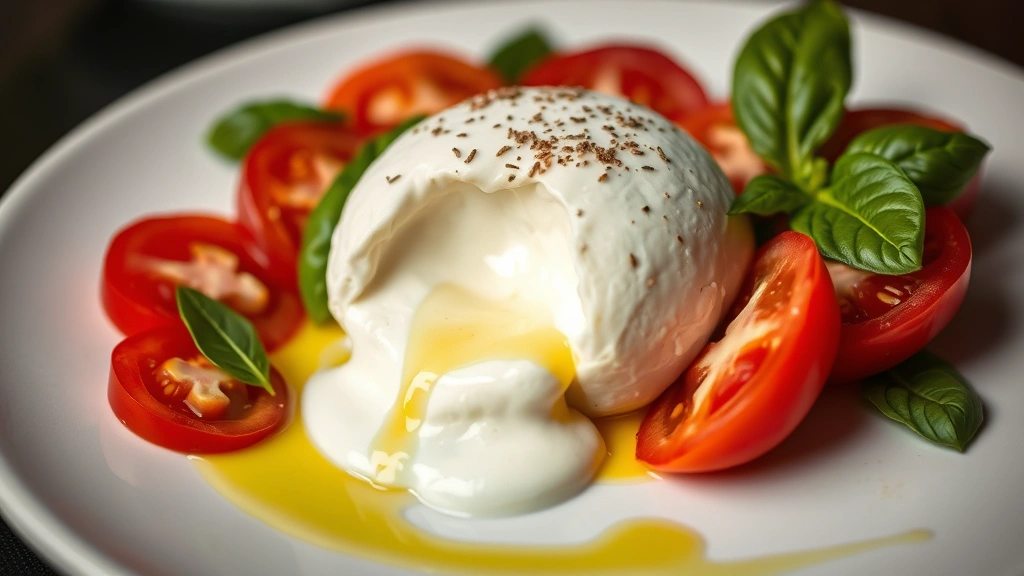
This unique construction creates a textural contrast that makes burrata distinctly different from regular mozzarella. When you cut into a properly made burrata, the creamy center flows onto your plate like lava, creating an indulgent experience. The outer shell maintains some structural integrity while the interior delivers unparalleled creaminess and richness.
The flavor profile of burrata is subtle and milky, with slight sweet notes and a delicate tang. This neutrality makes it an ideal canvas for complementary ingredients. Understanding burrata’s composition helps you appreciate why certain pairings work so well and why handling and storage matter significantly for maintaining quality.
Quality burrata should be served fresh, ideally within 24-48 hours of production. The delicate nature of the cheese means that proper temperature management and minimal handling preserve its integrity and flavor. When shopping, look for burrata that feels cold to the touch and appears plump rather than deflated.
Selecting and Storing Quality Burrata
Finding premium burrata cheese requires knowing what to look for and where to shop. Specialty cheese shops, Italian delis, and high-quality grocery stores typically offer better selections than standard supermarkets. Ask your cheesemonger when the burrata arrived and purchase it the same day if possible for maximum freshness.
Visual Indicators of Quality:
- Smooth, unblemished outer surface without cracks or tears
- Plump, well-defined shape indicating fresh, turgid cream inside
- Creamy white color without yellowing or browning
- Packaging that shows production date clearly
Storage is critical for maintaining burrata’s delicate qualities. Keep burrata in the coldest part of your refrigerator, typically the back of a shelf rather than the door where temperature fluctuates. Store it in its original brine or whey, as this liquid protects the cheese from oxidation and drying out.
If your burrata comes in a plastic container, transfer it to a glass bowl covered with plastic wrap for better temperature stability. Never freeze burrata, as freezing damages the delicate structure of the cream center and renders it grainy and separated when thawed.
Remove burrata from refrigeration 15-20 minutes before serving. This allows the cheese to reach its optimal eating temperature, which enhances flavor and ensures the creamy center flows properly when cut. Cold burrata may feel stiff and won’t deliver the luxurious mouthfeel that makes this cheese special.
Classic Burrata and Tomato Appetizer
The pairing of burrata with ripe tomatoes represents the foundation of burrata appetizer mastery. This combination works because the acidity of tomatoes cuts through the richness of cream, while the tomato’s bright flavor complements burrata’s subtle milky taste. This is your gateway to understanding how to build successful burrata dishes.
Essential Ingredients:
- 1 ball of fresh burrata cheese (approximately 250g)
- 3-4 ripe heirloom or cherry tomatoes
- 3 tablespoons premium extra virgin olive oil
- 1 tablespoon aged balsamic vinegar
- Sea salt and freshly cracked black pepper
- Fresh basil leaves
- Red pepper flakes (optional)
Step-by-Step Preparation:
- Prepare the tomatoes: Slice larger heirloom tomatoes into quarter-inch rounds. Leave cherry tomatoes whole or halve them depending on size. Arrange tomatoes on your serving plate, spacing them to create visual interest. Don’t overcrowd the plate; burrata appetizers benefit from negative space that showcases each component.
- Season the tomatoes: Sprinkle tomatoes lightly with sea salt and let them rest for 2-3 minutes. This draws out their natural juices and concentrates their flavor. A light grinding of black pepper adds complexity without overwhelming the delicate cheese.
- Prepare the burrata: Remove your burrata from the refrigerator and let it rest for 15 minutes. This is crucial—cold burrata won’t deliver the creamy experience you’re aiming for. Gently place the entire ball on top of the tomatoes, positioning it as your focal point.
- Create the dressing: In a small bowl, whisk together your premium olive oil and aged balsamic vinegar in a 3:1 ratio. This balance ensures the vinegar adds brightness without overwhelming the dish. Taste and adjust seasoning as needed.
- Dress the plate: Drizzle the olive oil and balsamic mixture around the burrata and tomatoes, not directly on the cheese itself. This technique ensures the burrata maintains its pristine appearance while the dressing flavors the entire dish as guests eat.
- Add fresh basil: Tear fresh basil leaves by hand and scatter them across the plate just before serving. Hand-tearing preserves basil’s delicate oils better than cutting with a knife, which can bruise the leaves and cause browning.
- Garnish and serve: Add a pinch of red pepper flakes if desired for subtle heat, and finish with a final grind of sea salt. Serve immediately while the burrata is still at room temperature and the flavors are most vibrant.
Advanced Flavor Combinations
Once you’ve mastered the classic pairing, exploring advanced flavor combinations elevates your appetizer game. Understanding flavor theory helps you create combinations that surprise and delight rather than overwhelm burrata’s delicate nature.
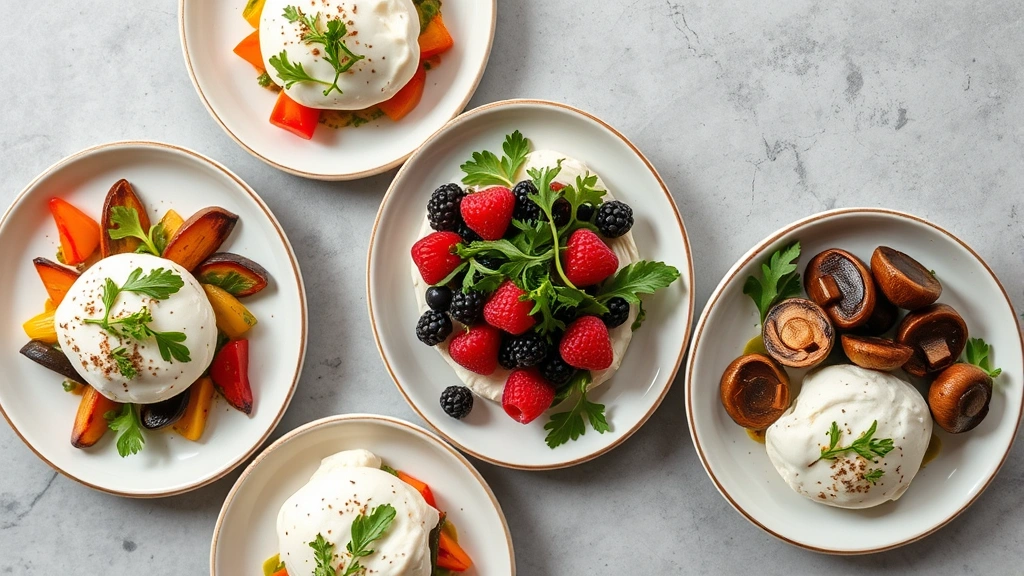
Mediterranean-Inspired Version: Pair burrata with roasted red peppers, Kalamata olives, and a touch of oregano. The peppers add sweetness and depth, while olives contribute briny intensity. This combination works beautifully with grilled bread for a more substantial appetizer experience.
Summer Berry Variation: Combine burrata with fresh strawberries, arugula, and a honey-balsamic glaze. The natural sweetness of berries creates an unexpected contrast with the creamy cheese. This option pairs exceptionally well with sparkling wine and works for both formal and casual entertaining.
Charred Vegetable Approach: Serve burrata alongside lightly charred zucchini, eggplant, or asparagus. Grilling vegetables caramelizes their natural sugars and adds smoky depth that complements burrata’s mild flavor. Finish with a drizzle of quality olive oil and fresh lemon juice.
Truffle and Mushroom Luxury: Layer burrata with sautéed mushrooms and a whisper of truffle oil. This sophisticated combination appeals to adventurous palates and creates an appetizer worthy of special occasions. The earthiness of mushrooms provides a beautiful foil for burrata’s sweetness.
Asian-Fusion Interpretation: Experiment with burrata paired with pickled vegetables, sesame oil, and microgreens. A light soy-based dressing adds umami depth. While unconventional, this pairing demonstrates burrata’s versatility and works well for modern entertaining.
The key to successful flavor combinations is balance. Each ingredient should enhance rather than compete with burrata. Avoid overly aggressive flavors like strong cheeses or heavy spices that might overpower the cheese’s delicate profile. Think of burrata as the star of your appetizer, with supporting ingredients playing complementary roles.
Plating and Presentation Techniques
Presentation elevates a simple burrata appetizer to restaurant-quality elegance. Professional plating techniques focus on balance, color contrast, and negative space that allows each component to shine.
Plate Selection: Choose white or neutral-colored plates that provide contrast for the creamy white burrata and colorful accompaniments. Oversized plates create a sense of luxury and sophistication. A 10-12 inch plate works well for individual appetizer servings.
Color Theory in Plating: Arrange components to create visual interest through color contrast. If serving burrata with tomatoes and basil, you have natural red, white, and green—a naturally harmonious color palette. When using other ingredients, consider how colors interact. Deep purple beets, golden roasted vegetables, and vibrant microgreens all create visual excitement against creamy white burrata.
Architectural Arrangement: Rather than scattering ingredients randomly, create intentional patterns. Arrange tomato slices in a circle with burrata at the center. Stack vegetables in alternating layers. Create height variation with some ingredients elevated above others. This structured approach looks more intentional and sophisticated than haphazard arrangement.
Sauce Application: Use a squeeze bottle or small spoon to apply oils and vinegars in controlled drizzles or dots rather than pouring. This technique gives you precision and creates visual interest. Dots of sauce arranged in a pattern look more deliberate than random splashes.
Garnish Placement: Add fresh herbs and microgreens at the very last moment before serving. Place garnishes intentionally rather than scattering them. A small pile of microgreens at one corner or herbs arranged in a loose bunch looks more professional than garnish distributed everywhere.
Temperature and Timing: Plate burrata appetizers as close to serving time as possible. Cold plates help maintain burrata’s temperature longer. If preparing multiple servings, plate in batches rather than all at once, ensuring the last plate served has the same quality as the first.
Pairing Wine with Burrata Appetizers
Wine pairing elevates the burrata appetizer experience from simple to memorable. Understanding which wines complement burrata helps you create a cohesive entertaining experience.
White Wine Selections: Light, crisp white wines are the natural choice for burrata. Pinot Grigio offers bright acidity and minerality that cuts through cream beautifully. Vermentino provides citrus notes that echo fresh flavors in tomato-based versions. Sauvignon Blanc’s herbaceous qualities complement basil and fresh herbs wonderfully.
For richer burrata preparations with mushrooms or truffles, consider fuller-bodied whites like Chardonnay or Albariño. These wines have enough body to stand up to earthier flavor profiles while maintaining the brightness needed to balance richness.
Sparkling Wine Options: Prosecco or Champagne work exceptionally well with burrata appetizers. The bubbles cleanse the palate between bites, and the acidity refreshes your mouth. This pairing works particularly well when entertaining, as sparkling wine creates a festive atmosphere.
Rosé Considerations: Dry rosé wines, particularly those from Provence, offer enough acidity and brightness to pair beautifully with burrata. The subtle fruit flavors complement both classic tomato pairings and more adventurous combinations.
Pairing by Preparation: Match wine intensity to ingredient intensity. A simple burrata with tomato and basil pairs beautifully with light Pinot Grigio. Burrata with roasted vegetables or mushrooms calls for slightly fuller-bodied wines. Burrata with berries or sweeter accompaniments benefits from off-dry whites or sparkling wines with some residual sugar.
Serve wine in proper glassware at appropriate temperatures. White wines taste best at 45-50°F, while sparkling wines shine at 40-45°F. Proper temperature ensures the wine’s flavors complement rather than clash with the delicate burrata.
FAQ
How Long Can Burrata Cheese Sit Out Before Serving?
Burrata should sit out no longer than 30-40 minutes. While you want it at room temperature for optimal flavor and texture, leaving it out too long allows the cream center to become too soft and risks bacterial growth. If your entertaining extends beyond this window, keep burrata refrigerated and remove it only when ready to serve.
Can I Make Burrata Cheese at Home?
Making burrata at home is technically possible but extremely challenging without specialized equipment and dairy science knowledge. The process requires creating fresh mozzarella curds, forming a thin shell, and filling it with stracciatella and cream—all while maintaining precise temperatures. For most home cooks, purchasing quality burrata from a reputable source yields better results than attempting homemade versions.
What’s the Difference Between Burrata and Fresh Mozzarella?
While both are fresh cheeses, the key difference lies in their structure. Fresh mozzarella is uniform throughout, while burrata features a thin mozzarella shell surrounding a creamy center of stracciatella and cream. This makes burrata richer and more indulgent, though also more delicate and perishable than fresh mozzarella.
How Do I Know If My Burrata Has Gone Bad?
Signs of spoiled burrata include a sour or off smell, discolored patches on the outer shell, visible mold, or a deflated appearance. If the cream center separates into oily liquid with grainy solids, the burrata has broken down. When in doubt, discard burrata rather than risk foodborne illness.
Can I Prepare Burrata Appetizers in Advance?
Prepare components separately in advance—slice tomatoes, make vinaigrettes, wash herbs—but assemble burrata appetizers as close to serving time as possible. Burrata loses quality quickly once plated, and the longer it sits, the more the cream center softens unpredictably. This is one appetizer where last-minute assembly ensures the best results.
What Temperature Should Burrata Be Served At?
Burrata is best served at room temperature, approximately 65-70°F. This temperature allows the cream center to flow properly and the cheese’s subtle flavors to shine. Cold burrata straight from refrigeration tastes muted and feels stiff, while overly warm burrata becomes unpleasantly soft. Aim for 15-20 minutes out of refrigeration before serving.
Where Can I Buy Quality Burrata?
Specialty cheese shops, Italian delis, and high-end grocery stores typically stock quality burrata. Ask your cheesemonger about the production date and storage conditions. Avoid pre-packaged burrata that’s been sitting on shelves for extended periods. For consistent quality, develop a relationship with a trusted cheese vendor who can source fresh burrata regularly.
Is Burrata Suitable for Large Dinner Parties?
Burrata works beautifully for dinner parties when you plan strategically. Prepare components in advance and plate appetizers in batches as guests arrive. For very large gatherings, consider serving burrata as a cheese course rather than an appetizer, which gives you more flexibility with timing and presentation.
Mastering creative appetizer techniques extends beyond savory options. For dessert-focused entertaining, explore how classic cookie recipes complement cheese courses. Consider pairing your burrata appetizer with simple oatmeal cookies for a sophisticated finish, or transition to homemade ice cream for a complete entertaining experience. For plant-based guests, vegan dessert options ensure everyone enjoys your menu. Alternatively, oatmeal bar recipes provide hearty alternatives that balance lighter appetizers.
For deeper understanding of cheese science and flavor development, consult The Culinary Institute of America, which offers comprehensive resources on dairy products and cheese pairing. The Institute of Food Technologists provides scientific insights into cheese composition and preservation. Explore The Cheese Board’s educational content for regional Italian cheese traditions. Serious Eats offers innovative recipe variations and technique guides for cheese-based appetizers. Finally, Food & Wine Magazine regularly features chef perspectives on seasonal burrata preparations and wine pairings.
Burrata cheese appetizers represent the intersection of simplicity and sophistication. By understanding the cheese’s unique properties, selecting quality ingredients, and applying thoughtful plating techniques, you create appetizers that impress discerning guests while remaining manageable to prepare. Whether you’re hosting an intimate dinner or entertaining a crowd, burrata delivers the elegance and flavor that defines chef’s-choice appetizer mastery.


