Egg Yolk Wonders: Chef’s Top 5 Picks for Culinary Excellence
Egg yolks are one of the most versatile and valuable ingredients in the culinary world, yet many home cooks overlook their incredible potential. Rich in flavor, creamy in texture, and brimming with emulsifying properties, egg yolks transform ordinary dishes into restaurant-quality creations. Whether you’re crafting silky sauces, decadent desserts, or luxurious custards, understanding how to harness the power of egg yolks will elevate your cooking game to new heights.
In this comprehensive guide, we’ll explore five exceptional egg yolk recipes that professional chefs swear by. From classic French techniques to modern culinary innovations, each recipe showcases the remarkable versatility of this golden ingredient. These dishes aren’t just delicious—they’re teaching tools that will help you master fundamental cooking skills while impressing family and friends at your table.
1. Classic Hollandaise Sauce: The Foundation of French Cooking
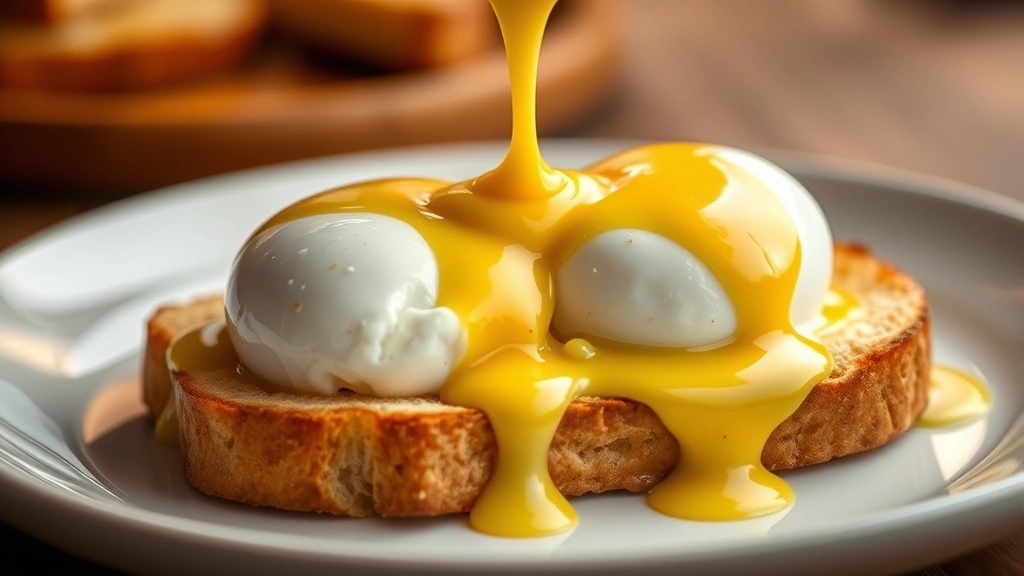
Hollandaise sauce stands as one of the five mother sauces in classical French cuisine, and it’s entirely dependent on the emulsifying power of egg yolks. This silky, buttery sauce transforms simple poached eggs into the legendary Eggs Benedict and elevates vegetables, fish, and meat dishes with its luxurious coating. Understanding hollandaise is fundamental to becoming a confident cook, as it teaches you the delicate balance required when working with egg yolks.
The magic of hollandaise begins with understanding emulsification—the process by which egg yolks bind fat and liquid together into a smooth, cohesive sauce. Start by whisking three egg yolks with two tablespoons of water over gentle heat, either in a double boiler or a heat-proof bowl set over simmering water. The key is maintaining a temperature between 160-180°F to pasteurize the yolks while keeping them creamy. As you whisk continuously, slowly incorporate melted butter—about one-quarter teaspoon at a time initially—allowing each addition to fully incorporate before adding more. This patience is non-negotiable; rushing the process breaks the emulsion and results in a grainy, separated sauce.
Once the sauce thickens and becomes pale and creamy, you can add butter more generously. Finish with a squeeze of fresh lemon juice, a pinch of cayenne pepper, and salt to taste. The result should coat the back of a spoon with a luxurious layer. This technique applies to countless other sauces and preparations, making hollandaise an essential skill for any cook. Pair this magnificent sauce with cream of chicken recipes or serve it over roasted veggies for a restaurant-quality dinner at home.
Pro Tips: If your hollandaise breaks, don’t panic. Start with a fresh egg yolk in a clean bowl and slowly whisk in the broken sauce, which will often re-emulsify. Keep hollandaise warm but not hot—temperatures above 185°F will cause it to separate. For a lighter version, fold in whipped egg whites just before serving.
2. Silky Custard Tarts: Pastry Perfection with Egg Yolks
Custard tarts represent the pinnacle of pastry craftsmanship, and egg yolks are absolutely central to their success. These delicate creations, popular in Portuguese, British, and French cuisines, showcase how egg yolks create a velvety, rich filling that’s both indulgent and sophisticated. The custard itself is a lesson in precision and technique—too much heat and the yolks scramble; too little and the custard remains runny.
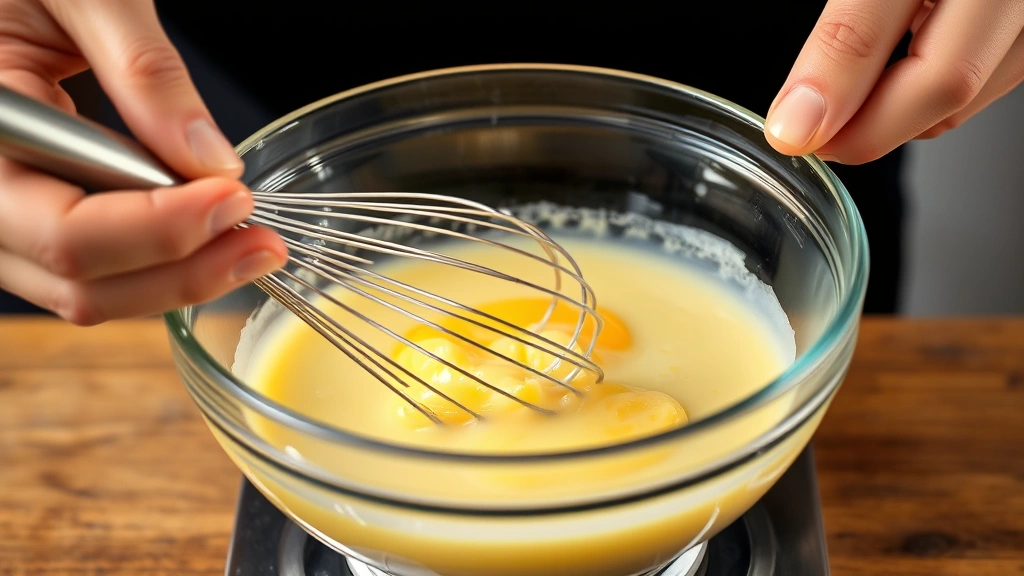
To create the perfect custard filling, combine six egg yolks with one-half cup of sugar, whisking until the mixture becomes pale and ribbon-like. Heat one and one-half cups of whole milk with a vanilla bean (or one teaspoon of vanilla extract) until steaming but not boiling. Temper the yolks by slowly adding the hot milk while whisking constantly, which gradually raises the temperature of the eggs without cooking them. Return this mixture to the saucepan and cook over medium heat, stirring continuously, until the custard reaches 160°F and coats the back of a spoon. Strain through a fine-mesh sieve to remove any cooked egg bits, creating an impossibly smooth custard.
Pour the custard into pre-baked tart shells and bake at 325°F for approximately 15-20 minutes, until the custard is just set but still slightly jiggles in the center when gently shaken. The residual heat will continue cooking the custard as it cools. A light dusting of nutmeg or cinnamon adds traditional warmth. These tarts pair beautifully with grandma-approved dinner recipes as an elegant dessert course, proving that egg yolks shine in both savory and sweet applications.
Custard Troubleshooting: Lumpy custard results from insufficient straining or cooking at too high a temperature. Always strain your custard and maintain low to medium heat. If your custard seems too thin, you can adjust by adding a small amount of cornstarch slurry (equal parts cornstarch and cold milk) while cooking.
3. Rich Egg Yolk Pasta: Homemade Noodles with Golden Richness
Fresh pasta made with egg yolks represents the heart of Italian culinary tradition. While traditional pasta uses whole eggs, using predominantly yolks creates noodles with a richer, more luxurious texture and a beautiful golden hue. This is the pasta you’ll find in the finest Italian restaurants—silky, tender, and with an incomparable depth of flavor that dried pasta simply cannot match.
The foundation of egg yolk pasta is simple: combine 100 grams of egg yolks (approximately six yolks) with 300 grams of all-purpose flour or Italian “00” flour on a clean work surface. Create a well in the center of the flour and add the yolks. Using a fork, beat the yolks together gently, then begin incorporating flour from the inner walls of the well. Work slowly and deliberately—this isn’t a race. As the dough comes together, use your hands to knead it for 8-10 minutes until it becomes smooth, elastic, and slightly tacky. If it seems too dry, wet your fingers slightly; if too wet, dust with a bit more flour.
Wrap the dough in plastic and rest it for at least 30 minutes—this resting period is crucial for gluten development and makes rolling much easier. Using a pasta machine or rolling pin, thin the dough to nearly translucent thickness. Cut into your desired shape: long ribbons for fettuccine, thin strands for angel hair, or small squares for ravioli. The beauty of egg yolk pasta is that it cooks quickly—usually just 2-3 minutes in boiling salted water. Toss with simple butter and sage, or create a luxurious sauce to complement your homemade creation. This fresh pasta elevates any meal, especially when served alongside creamy tomato soup or rich meat-based sauces.
Pasta Making Mastery: The key to perfect pasta is patience and proper hydration. Work in a cool environment, as warm conditions make the dough sticky and difficult to handle. If you don’t have a pasta machine, a rolling pin works beautifully—your arms will get a workout, but the results are equally excellent. Dust finished pasta with semolina flour to prevent sticking before cooking.
4. Luxurious Creme Brûlée: Elegance in Every Spoonful
Crème brûlée stands as the ultimate expression of egg yolk sophistication—a dessert that appears complex but relies on fundamental techniques executed with precision. The contrast between the caramelized sugar crust and the silky custard beneath creates a sensory experience that justifies its reputation as one of the world’s greatest desserts. This French classic teaches restraint, patience, and the importance of quality ingredients.
Begin by heating one and one-half cups of heavy cream with one vanilla bean (split and scraped) until it reaches a gentle simmer. Whisk together five egg yolks with one-third cup of sugar until pale and thick—this whisking aerates the yolks and helps create a smooth texture. Slowly add the hot cream to the yolks while whisking constantly, tempering them gradually. Strain this mixture through a fine sieve into a measuring cup, then carefully pour into ramekins, filling them three-quarters full.
Place the ramekins in a larger baking dish and add hot water to come halfway up their sides—this water bath ensures gentle, even cooking. Bake at 325°F for 30-40 minutes, until the custard is set around the edges but still slightly wobbly in the very center when gently shaken. Remove from the oven and chill for at least four hours, preferably overnight. The custard continues to set as it cools and the flavors meld beautifully.
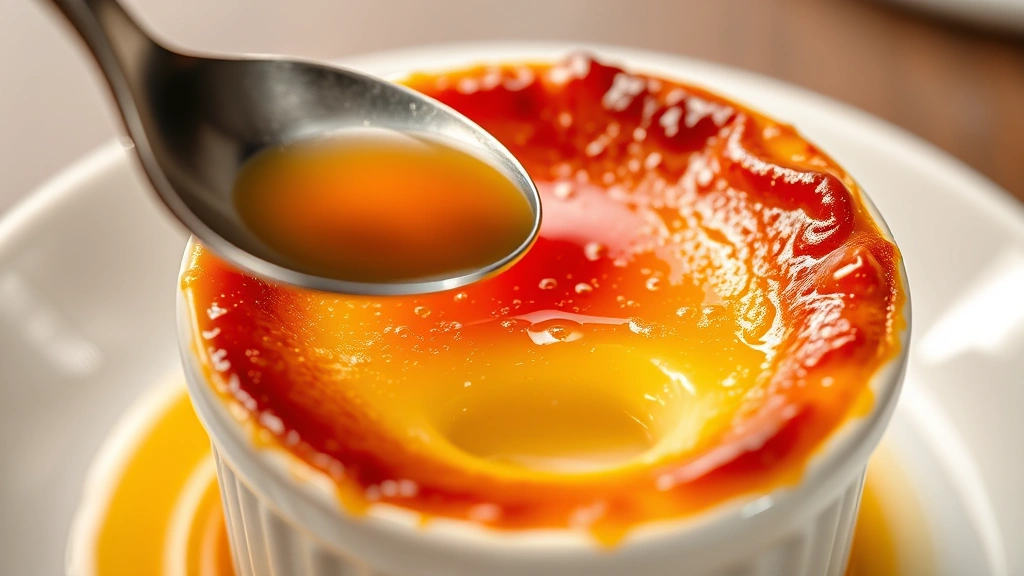
Just before serving, sprinkle a thin, even layer of sugar over each custard and caramelize using a kitchen torch, moving the flame constantly to create an even golden-brown crust. The sugar should harden into a crackling shell within seconds. Some chefs prefer placing the ramekins under a very hot broiler for this step, though the torch provides superior control. Serve immediately, allowing guests to experience the satisfying crack of the caramelized sugar against the cool, creamy custard. This elegant dessert provides the perfect conclusion to special meals featuring beef pot pie or other hearty mains.
Crème Brûlée Perfection: The most common mistake is overbaking, which results in a grainy, separated custard. Aim for slight jiggle in the center—the residual heat will finish cooking it perfectly. Don’t skip the water bath; it’s essential for even cooking. For flavor variations, infuse the cream with coffee, citrus zest, lavender, or chai spices before heating.
5. Velvety Béarnaise Sauce: Elevated Steak Companion
Béarnaise sauce represents the sophisticated cousin of hollandaise, incorporating tarragon and shallots for a more complex, herbaceous flavor profile. This sauce is the traditional accompaniment to premium steaks and grilled fish, elevating these proteins with its silky richness and aromatic depth. Mastering béarnaise demonstrates advanced sauce-making technique and opens doors to countless culinary applications.
The foundation begins with a reduction: combine one-quarter cup of white wine vinegar, one-quarter cup of dry white wine, two minced shallots, and one tablespoon of fresh tarragon in a small saucepan. Simmer until the liquid reduces to about two tablespoons—this concentrates the flavors dramatically. Strain this reduction, pressing the solids to extract maximum flavor, and set aside to cool slightly. This step is non-negotiable; adding hot liquid directly to egg yolks can scramble them.
Whisk four egg yolks with one tablespoon of water in a heat-proof bowl over gentle heat (or a double boiler), whisking constantly until the mixture becomes pale and creamy. Add the cooled reduction and continue whisking. Once the mixture reaches a light, fluffy consistency, begin adding clarified butter—approximately one-half pound—in small amounts, whisking continuously. The emulsification process is identical to hollandaise, requiring patience and attention. Once fully incorporated, finish with one tablespoon of fresh tarragon, one-half teaspoon of chervil, a squeeze of lemon juice, and salt and cayenne pepper to taste.
Béarnaise should be served warm but not hot, and it pairs magnificently with premium grilled steaks, roasted chicken, and delicate fish preparations. The herbaceous notes complement brunswick stew and other rustic dishes beautifully, proving that this elegant sauce isn’t limited to fine dining. Understanding béarnaise preparation teaches you the fundamentals of reduction-based sauce making and the delicate balance required when working with egg yolks at various temperatures.
Béarnaise Variations: For a lighter version, fold in whipped egg whites just before serving. Prepare béarnaise up to two hours ahead and hold it in a warm spot (around 120°F) without direct heat. If it breaks during preparation, start with a fresh yolk and slowly whisk in the broken sauce, which typically re-emulsifies successfully.
FAQ
What’s the safest way to use raw or barely-cooked egg yolks?
For recipes using raw or barely-cooked yolks, use pasteurized eggs from the grocery store, which have been heat-treated to eliminate salmonella while remaining raw. Alternatively, pasteurize yolks at home by heating them to 160°F with liquid (such as water or lemon juice) while whisking constantly over gentle heat. This is the standard technique for hollandaise and béarnaise preparation, making these sauces perfectly safe when prepared correctly.
Can I substitute whole eggs for yolk-only recipes?
While you can technically use whole eggs, the results will differ significantly. Egg whites don’t emulsify as effectively as yolks and will dilute your sauces or custards. For sauces like hollandaise, whole eggs produce a thinner, less luxurious result. For custards, whole eggs create a less rich texture. For best results, use yolks as specified, or fold whipped whites in separately for lighter preparations.
How do I store leftover egg yolks?
Leftover raw yolks keep in the refrigerator for up to four days when stored in an airtight container. To prevent a skin from forming, cover them with a thin layer of water or oil. You can also freeze yolks for up to four months—mix with a tiny pinch of salt or sugar (one-eighth teaspoon per yolk) before freezing, which prevents them from becoming too gelatinous when thawed. Thaw in the refrigerator overnight before using.
Why did my sauce break or separate?
Broken sauces result from three main causes: excessive heat (above 185°F for hollandaise/béarnaise), adding fat too quickly without proper emulsification, or temperature shock from adding cold ingredients to hot yolks. To rescue a broken sauce, start with a fresh yolk in a clean bowl and slowly whisk in the broken sauce, which often re-emulsifies. Prevention is easier than rescue, so maintain gentle heat and add ingredients slowly.
What’s the difference between egg yolk and whole egg in baking?
Egg yolks contribute richness, moisture, and emulsification to baked goods, creating tender crumbs and silky textures. Whole eggs provide structure through their proteins. In custards and creams, yolks alone create a richer, more luxurious texture than whole eggs. In cakes and cookies, whole eggs are typically preferred for structure, though yolk-enriched recipes produce particularly tender results. Always follow specific recipe recommendations, as ingredient ratios are calculated accordingly.
Can I make these recipes with pasteurized liquid egg yolks?
Pasteurized liquid yolks work adequately for custards and baking but perform less reliably in emulsified sauces like hollandaise and béarnaise. The emulsifying properties can be slightly compromised during pasteurization. For best results, use fresh yolks pasteurized at home using the tempering method, or purchase pasteurized whole eggs in the shell from specialty food suppliers. For custards, liquid pasteurized yolks work perfectly well.


