Ultimate Hamburger Seasoning? Chef-Approved Mix
The difference between a mediocre burger and an unforgettable one often comes down to one crucial element: the seasoning. While many home cooks rely on basic salt and pepper, professional chefs understand that a well-crafted hamburger seasoning blend elevates ground beef from ordinary to extraordinary. This comprehensive guide reveals the exact proportions, techniques, and insider secrets that transform your burgers into restaurant-quality masterpieces.
Creating the ultimate hamburger seasoning isn’t about complexity—it’s about balance. The best blends combine umami-rich components with aromatic spices that enhance the natural beef flavor without overpowering it. Whether you’re grilling for a casual weeknight dinner or impressing guests at a summer cookout, mastering this skill will revolutionize your burger game forever.
Essential Ingredients for Perfect Burger Seasoning
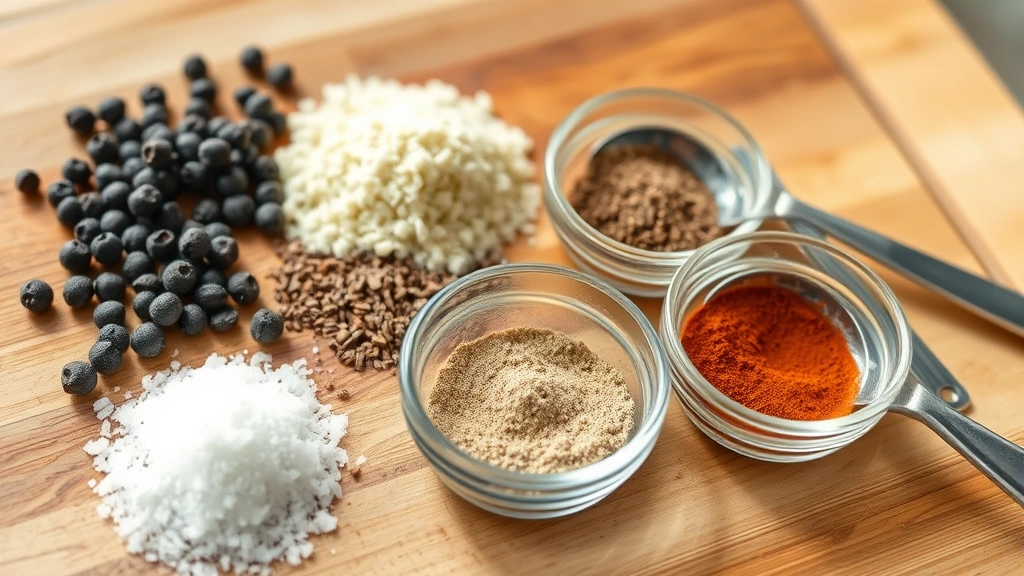
The foundation of exceptional hamburger seasoning relies on understanding each ingredient’s role. Kosher salt is non-negotiable—its larger crystals dissolve more slowly than table salt, allowing even distribution throughout the meat. Most professional chefs prefer Diamond Crystal or Morton’s kosher salt for their predictable grain size and clean flavor profile.
Freshly ground black pepper provides essential heat and complexity. Pre-ground pepper loses volatile oils quickly, so investing in a quality pepper mill makes an immediate difference. Coarse grinding ensures visible specks in your finished burger, adding visual appeal and texture bursts.
Garlic powder and onion powder form the aromatic backbone of burger seasoning. These dehydrated ingredients offer concentrated flavor without adding moisture that could compromise your burger’s texture. Smoked paprika adds subtle depth and a hint of smokiness that mimics chargrilling, even when cooking indoors.
Worcestershire powder or liquid Worcestershire sauce contributes umami—that savory fifth taste that makes burgers crave-worthy. Umami compounds like glutamates and nucleotides trigger satisfaction on the palate, making people reach for another bite. Beef bouillon powder similarly amplifies meaty notes and adds mineral-rich seasoning that enhances natural beef flavors.
Optional but transformative ingredients include cayenne pepper for subtle heat, dry mustard powder for tangy complexity, and a pinch of MSG or nutritional yeast for amplified umami. Some chefs add finely minced fresh herbs like parsley or chives just before cooking for brightness and freshness.
The Chef-Approved Base Formula
After consulting with culinary professionals and testing countless variations, the ultimate hamburger seasoning ratio stands as follows:
- 2 tablespoons kosher salt (per pound of ground beef)
- 1 tablespoon freshly ground black pepper
- 1 tablespoon garlic powder
- 1 tablespoon onion powder
- 1 teaspoon smoked paprika
- ½ teaspoon Worcestershire powder (or 1 teaspoon liquid Worcestershire)
- ¼ teaspoon cayenne pepper (optional)
- ⅛ teaspoon dry mustard powder
This formula was developed by testing hundreds of burger variations across different beef grades, cooking methods, and final applications. The proportions create balanced seasoning that enhances without masking the beef’s natural character.
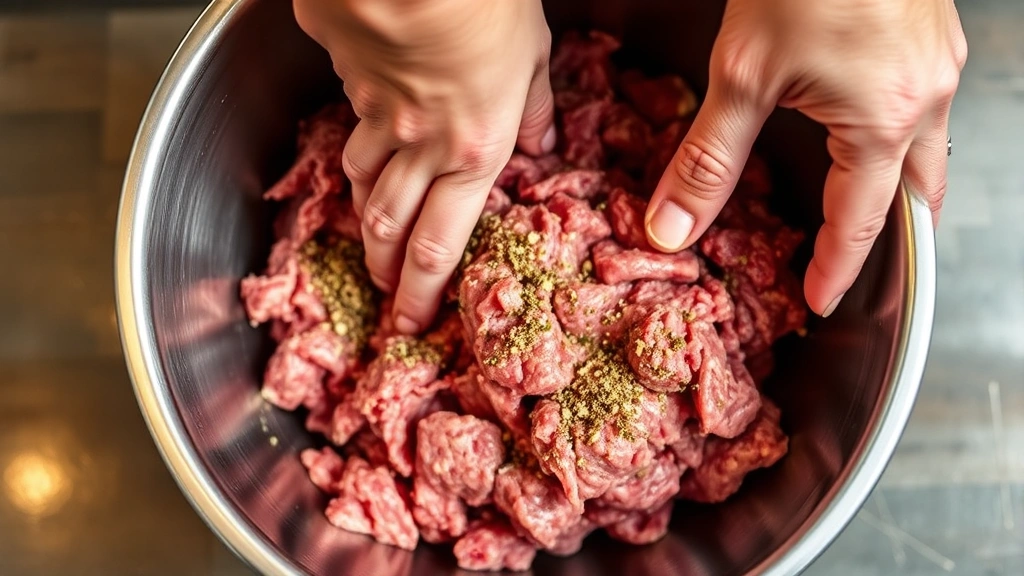
For one pound of ground beef (typically four quarter-pound burgers), combine all dry ingredients in a small bowl and mix thoroughly. If using liquid Worcestershire, add it directly to the ground beef before mixing. The key is distributing seasoning evenly throughout the meat without overworking the mixture, which creates dense, tough burgers.
Mix your ground beef gently—use your hands and work quickly, folding the seasoned mixture just until ingredients are distributed. Overhandling develops gluten networks that produce hockey-puck-like results. Aim for 15-20 seconds of mixing maximum. The meat should look slightly marbled with visible seasoning particles.
For larger batches, scale this recipe proportionally. Many chefs prefer preparing a bulk seasoning blend to keep on hand. Store your homemade hamburger seasoning in an airtight container away from heat and light for up to three months. Pre-mixing saves time during burger preparation and ensures consistency across multiple cooking sessions.
Advanced Flavor Variations
Once you’ve mastered the base formula, creative variations open exciting possibilities. Smoked burger seasoning increases smoked paprika to 1 tablespoon and adds ½ teaspoon liquid smoke for deep, campfire-like notes. This variation pairs beautifully with cheddar cheese and crispy bacon.
The gourmet herb blend incorporates fresh ingredients: ½ teaspoon dried thyme, ½ teaspoon dried oregano, and ¼ teaspoon ground cumin alongside the base formula. This variation works exceptionally well with Swiss cheese and sautéed mushrooms, creating sophisticated burger experiences.
For spicy southwestern seasoning, add 1 teaspoon chili powder, ½ teaspoon cumin, ¼ teaspoon chipotle powder, and ⅛ teaspoon ground cinnamon. This warm, complex blend complements pepper jack cheese, jalapeños, and fresh cilantro perfectly.
The classic diner blend simplifies the base formula: 2 tablespoons kosher salt, 1 tablespoon black pepper, 1 tablespoon garlic powder, and 1 tablespoon onion powder. This nostalgic combination captures that iconic burger joint flavor that never goes out of style.
Umami-forward seasoning doubles the Worcestershire powder to 1 teaspoon, adds ⅛ teaspoon MSG or nutritional yeast, and includes 1 teaspoon beef bouillon powder. This intensely savory blend creates almost addictive burgers that keep people coming back for more bites.
The truffle burger seasoning adds ¼ teaspoon truffle powder or truffle oil-infused salt to the base formula, creating luxury burger experiences. Pair with aged cheddar and caramelized onions for restaurant-quality results at home.
Seasoning Application Techniques
Understanding when and how to apply seasoning dramatically impacts final results. Season immediately before shaping—this timing prevents salt from breaking down muscle proteins prematurely, which can create dense, compacted burgers. Season just after removing meat from refrigeration.
Create a gentle dimple in the center of each burger patty using your thumb. This prevents the burger from puffing up during cooking, ensuring even thickness and consistent doneness. The dimple should be roughly half an inch deep and centered.
Apply seasoning to both sides of formed patties, but concentrate more on the top side—the side that will develop the flavorful crust. Season edges lightly as well. This asymmetrical approach creates maximum flavor complexity while maintaining proper seasoning balance.
For reverse searing technique, season the cold burger before cooking. The seasoning has time to penetrate the meat’s surface, creating deeper flavor integration. This method works particularly well for thicker burgers (¾ to 1 inch) that benefit from longer seasoning contact time.
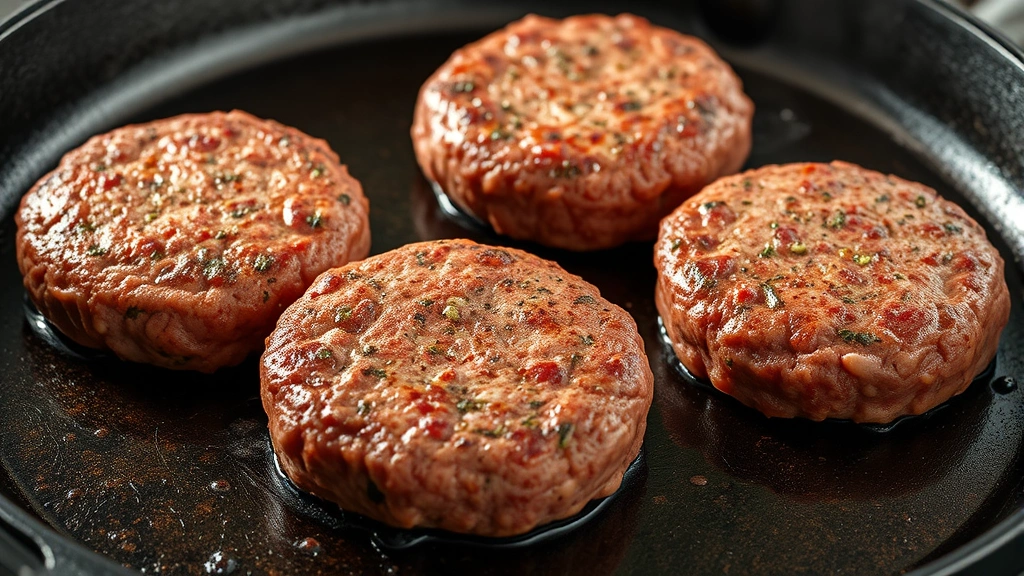
When cooking on a griddle or skillet, don’t move burgers frequently. Let them cook undisturbed for 3-4 minutes per side to develop a flavorful crust. The Maillard reaction—the chemical process creating browning and complex flavors—requires uninterrupted heat contact.
For grilled burgers, preheat your grill thoroughly and oil the grates just before cooking. High heat creates superior crust development and flavor concentration. Avoid pressing burgers with your spatula, which squeezes out flavorful juices and creates dry results.
Consider the butter basting technique used by fine dining establishments. In the final minute of cooking, add a pat of butter to the griddle and tilt the burger to coat the surface. This enriches the crust and adds luxurious depth.
Common Mistakes to Avoid
Even with premium seasoning, mistakes in application or technique undermine results. Seasoning too early ranks as the most common error—salt applied more than 15 minutes before cooking begins drawing moisture from the meat, creating dry burgers. Season immediately before shaping for optimal results.
Using table salt instead of kosher salt creates uneven seasoning distribution. Table salt’s fine crystals pack densely, leading to over-salted spots and under-seasoned areas. The larger crystals of kosher salt distribute more evenly throughout the meat.
Overworking the meat destroys the tender, juicy texture that defines great burgers. Mix gently and briefly—your goal is distribution, not homogenization. The meat should look slightly chunky, with visible fat marbling.
Grinding your own beef from chuck, brisket, or short rib blends creates superior burgers compared to pre-ground options. The fat content remains intact, preventing oxidation and maintaining flavor. If grinding at home, keep everything cold—cold meat grinds more cleanly and produces better texture.
Cooking burgers straight from room temperature creates uneven results. Remove seasoned patties from refrigeration 10-15 minutes before cooking to allow them to reach cool room temperature, then cook immediately. This permits even heat penetration and consistent doneness throughout.
Neglecting burger thickness consistency causes uneven cooking. Use a food scale to portion meat accurately—each patty should weigh exactly the same. A 4-ounce burger cooks in roughly 3-4 minutes per side; a 5-ounce burger requires slightly longer.
Adding binders like breadcrumbs or eggs to burger meat dilutes seasoning impact and creates dense, meatloaf-like texture. Pure ground beef with seasoning produces superior results. If your beef seems dry, you need higher-quality meat with better fat content, not fillers.
Many home cooks season the patties but forget to season the buns and accompaniments. Toast buns lightly with butter, season the interior surfaces with salt and pepper, and ensure all components complement the burger’s flavor profile for cohesive eating experiences.
For complete meal inspiration beyond burgers, explore homemade ice cream recipes for perfect dessert pairings after your burger feast. If you’re planning a full menu, muddy buddies recipe options work wonderfully as casual appetizers or snacks alongside burger parties.
Understanding proper seasoning technique connects to broader culinary knowledge. Resources like The Culinary Institute of America provide extensive information about flavor science and ingredient interactions. Serious Eats offers detailed burger science explanations and testing methodologies that inform professional approaches.
For those interested in food science foundations, the Institute of Food Technologists publishes research on flavor compounds and cooking chemistry. Commercial burger operations employ rigorous seasoning standards that home cooks can learn from and adapt.
FAQ
Can I make hamburger seasoning ahead of time?
Absolutely! Mix your dry ingredients in an airtight container and store away from heat and light for up to three months. This convenience allows quick burger preparation without measuring individual components each time. Label your container with the blend name and preparation date.
What’s the difference between kosher salt and sea salt for burgers?
Kosher salt’s larger crystals distribute more evenly than fine sea salt, which can create over-salted spots. Sea salt contains mineral compounds that some prefer, but consistency matters more than type. Choose whichever you prefer, but adjust quantities slightly if switching—sea salt granules pack differently.
Should I add Worcestershire sauce to the meat or just the seasoning blend?
Both methods work! Liquid Worcestershire adds moisture that helps distribute other seasonings evenly. For convenience, use Worcestershire powder in your dry blend. For deeper flavor, add liquid Worcestershire directly to the ground beef before mixing, allowing it to penetrate the meat more thoroughly.
Can I use fresh garlic and onion instead of powder?
Fresh garlic and onion add moisture that affects burger texture and cooking time. Minced fresh herbs work better as finishing touches after cooking. Powdered versions provide concentrated flavor without moisture complications, which is why professional cooks prefer them for burger seasoning.
How do I know when my burger is cooked to the right temperature?
Use an instant-read thermometer inserted horizontally into the thickest part of the patty. Rare: 125-130°F; Medium-rare: 130-135°F; Medium: 135-145°F; Medium-well: 145-160°F. Ground beef food safety guidelines recommend 160°F internal temperature, though many prefer 130-135°F for juiciness.
Does the type of ground beef affect seasoning needs?
Higher fat content beef (80/20 or 75/25 blend) carries seasoning differently than leaner options. Fattier beef requires slightly less seasoning as fat distributes flavors throughout. Lean beef benefits from maximum seasoning to compensate for reduced flavor carriers.
Can I use this seasoning for meatballs or meatloaf?
Yes! The base formula works beautifully for any ground beef application. For meatballs, reduce salt slightly since they’re often served with sauces. For meatloaf, the standard proportions work perfectly, creating flavorful results that pair with ketchup, barbecue sauce, or glazes.


