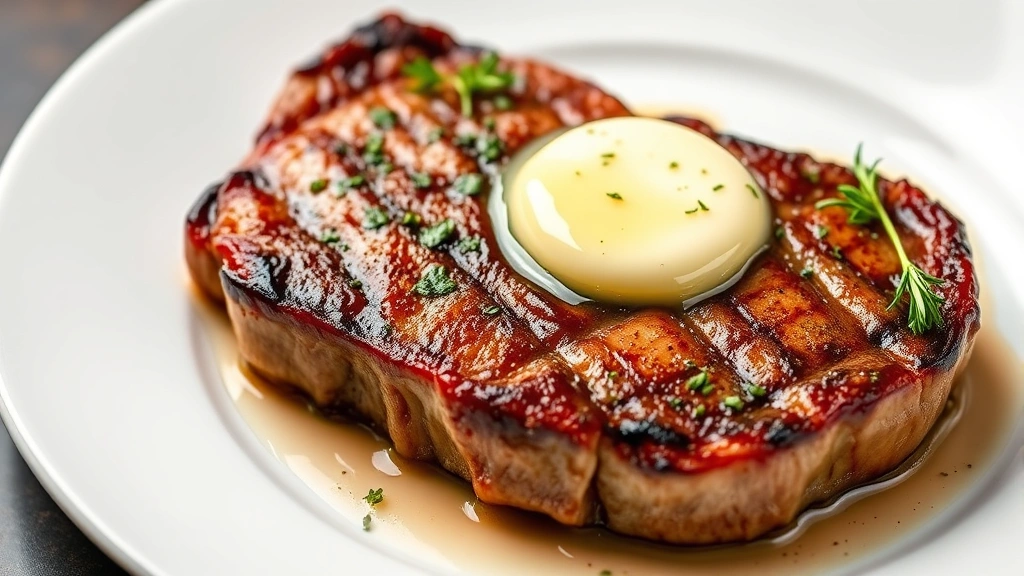
Master Sous Vide Cooking: Pro Tips Inside
Sous vide cooking has revolutionized how home cooks and professional chefs approach precision cooking. This French culinary technique, which means “under vacuum,” involves sealing food in airtight bags and cooking it in precisely controlled water baths. The results are consistently tender, flavorful, and perfectly cooked proteins and vegetables that seem almost impossible to achieve through traditional methods. Whether you’re preparing a special dinner or exploring new cooking techniques, mastering sous vide opens doors to restaurant-quality meals in your own kitchen.
The beauty of sous vide lies in its simplicity and reliability. Unlike conventional cooking where heat distribution varies and timing requires constant attention, sous vide maintains exact temperatures throughout the cooking process. This means edge-to-edge perfection every single time. From succulent steaks to delicate fish fillets, the technique delivers results that would take professional chefs years to perfect through trial and error. In this comprehensive guide, we’ll explore everything you need to know about sous vide cooking, from essential equipment to advanced techniques that will elevate your culinary skills.

Essential Equipment You’ll Need
Starting your sous vide journey requires minimal equipment, which is one of the technique’s greatest advantages. The most critical piece is an immersion circulator, a device that heats water to precise temperatures and maintains circulation throughout your cooking vessel. These range from budget-friendly models under $100 to premium versions exceeding $300, with most home cooks finding excellent results in the $150-$250 range. Popular brands include Anova, Joule, and SANSAIRE, each offering reliable temperature control and smartphone connectivity for remote monitoring.
Your cooking vessel can be as simple as a large pot or as sophisticated as a dedicated sous vide container with lids and racks. A 12-quart stainless steel pot works perfectly for most home cooking needs and costs significantly less than specialized equipment. You’ll also need vacuum bags specifically designed for sous vide cooking—these differ from standard freezer bags because they withstand boiling water temperatures without degrading. Alternatively, you can use the water displacement method with regular freezer bags, though dedicated vacuum-sealed bags produce superior results by removing all air pockets that might cause uneven cooking.
A quality vacuum sealer is optional but highly recommended. Handheld vacuum sealers offer convenience and precision, while full-size models provide faster operation for batch cooking. Some home cooks prefer simple water displacement techniques, which involve placing food in bags and submerging them until water pressure removes excess air. This free method works surprisingly well for casual cooking, though it requires practice to master. Invest in a reliable kitchen thermometer for verifying temperatures and a pair of quality kitchen tongs for safely handling hot bags.

Temperature Guide for Perfect Results
Understanding proper cooking temperatures is fundamental to sous vide success. The USDA provides food safety guidelines, but sous vide cooking often occurs at lower temperatures than conventional methods because the precise heat and extended cooking times eliminate pathogens more effectively. For beef steaks, rare results come from 129-130°F (54-54.4°C), medium-rare from 135-136°F (57-57.8°C), and medium from 140-141°F (60-60.6°C). These temperatures produce results indistinguishable from traditional cooking but with dramatically improved texture and consistency.
Chicken requires more attention to food safety. The USDA recommends 165°F (73.9°C) as the minimum safe internal temperature, but sous vide chicken cooked at 149-151°F (65-66°C) for 90 minutes or longer becomes remarkably tender and juicy while remaining perfectly safe. This extended cooking at lower temperatures breaks down proteins differently than high-heat methods, creating texture that seems almost impossible through conventional roasting. Fish and seafood typically cook at 120-130°F (48.9-54.4°C) for delicate, buttery results that rival high-end restaurants.
Vegetables require different approaches than proteins. Most vegetables benefit from temperatures between 183-185°F (84-85°C) to maintain texture while allowing flavors to develop. Root vegetables like carrots and beets may need slightly higher temperatures or longer cooking times. Leafy greens cook quickly at lower temperatures, while cruciferous vegetables like broccoli and cauliflower require careful timing to avoid mushiness. Consulting detailed cooking guides from culinary experts helps you dial in perfect temperatures for specific ingredients.
Bagging Techniques and Vacuum Methods
Proper bagging determines your sous vide success more than any other factor. When using a vacuum sealer, place your marinated or seasoned food in the bag with aromatics like garlic, herbs, or balsamic vinaigrette for added flavor. Seal the bag completely, removing as much air as possible without crushing delicate ingredients. Professional chefs often freeze items before sealing to prevent the vacuum process from crushing vegetables or breaking apart tender fish.
The water displacement method offers an excellent alternative requiring no special equipment. Place your prepared food in a freezer bag, seal it almost completely, then slowly submerge it in water until pressure removes air through the small opening. Seal the final inch just before the bag fully enters the water. This technique requires a steady hand and patience but produces excellent results. Some cooks use this method exclusively, finding it more environmentally friendly and cost-effective than constantly purchasing vacuum bags.
Marinating before bagging dramatically enhances flavor development. Unlike conventional cooking where marinades only penetrate the surface, sous vide’s extended cooking time allows flavors to permeate throughout the entire ingredient. A 30-minute marination often produces results comparable to 4-6 hours of traditional marinating. This efficiency makes weeknight meal preparation feasible even for busy home cooks. Experiment with different marinades, from simple salt-and-pepper combinations to complex spice blends that complement your chosen proteins.
For items like vegetables or delicate fish, consider using the “poaching liquid” method where you include flavorful liquids in the bag. Chicken breast cooks beautifully in a bag with chicken stock, herbs, and butter, emerging incredibly moist and flavorful. Fish fillets benefit from white wine, lemon, and fresh herbs. These liquids infuse flavor while preventing the outer surfaces from drying out—a common problem with conventional cooking methods.
Cooking Proteins to Perfection
Beef represents sous vide’s greatest strength, delivering restaurant-quality results consistently. Ribeye steaks cooked at 135°F (57.2°C) for 1-4 hours emerge with perfect pink centers and tender texture throughout. The extended cooking time allows collagen to break down gradually, creating tenderness that rivals dry-aging techniques. Thicker cuts benefit from longer cooking times—a 2-inch steak improves from 1.5 to 3 hours as thickness increases. After cooking, briefly sear the exterior in a screaming-hot cast iron skillet with butter and aromatics to develop a flavorful crust.
Pork benefits tremendously from sous vide’s precision. Pork tenderloin traditionally risks drying out during cooking, but sous vide maintains moisture perfectly at 140-145°F (60-62.8°C) for 1-4 hours depending on thickness. Ground pork for burgers or meatballs cooks evenly at 160°F (71.1°C), eliminating cold centers that plague conventional methods. Pork chops reach their peak at 144-146°F (62.2-63.3°C), emerging juicy and tender rather than the dry, tough texture most home cooks experience with traditional pan-searing.
Chicken requires attention to food safety but rewards careful cooking with extraordinary results. Whole chicken breast cooks beautifully at 149°F (65°C) for 2-4 hours, becoming impossibly tender and juicy. Chicken thighs, already flavorful, become even more succulent at 160°F (71.1°C) for 2-4 hours. Ground chicken for burgers or meatballs reaches safe temperatures at 160°F while maintaining moisture better than conventional cooking. Many home cooks find sous vide chicken so superior that they never return to traditional cooking methods.
Seafood represents another area where sous vide excels. Salmon fillets cook perfectly at 122-125°F (50-52°C) for 20-30 minutes, emerging with buttery texture and vibrant color. Halibut and other white fish benefit from 122-130°F (50-54.4°C) cooking for 15-25 minutes depending on thickness. Shrimp cooks in just 15 minutes at 130-135°F (54.4-57.2°C), becoming tender without the rubbery texture that occurs when overcooked. The precision of sous vide prevents the common mistake of overcooking delicate seafood.
Lamb demonstrates sous vide’s versatility with lamb chops reaching perfection at 130-135°F (54.4-57.2°C) for 1-2 hours, or lamb shoulder at 167°F (75°C) for 24-48 hours for fall-apart tenderness. The extended cooking time breaks down tough connective tissue, making economical cuts as tender as premium options. Combine with herbs like rosemary and thyme for Mediterranean-inspired results that impress even the most discerning diners.
Vegetables and Side Dishes
Vegetables cooked sous vide develop concentrated flavors while maintaining appealing textures. Root vegetables like carrots, beets, and parsnips cook at 183-185°F (84-85°C) for 45 minutes to 2 hours depending on size and thickness. These vegetables emerge tender with vibrant colors and intensified sweetness. Unlike boiling which leaches nutrients and flavor, sous vide cooking preserves both while creating results superior to roasting. Try Asian salad recipes featuring perfectly cooked vegetables as a fresh counterpoint to rich proteins.
Asparagus and green beans cook quickly at 183°F (84°C) for just 15-20 minutes, emerging bright green and tender-crisp. Brussels sprouts benefit from 185°F (85°C) for 30-45 minutes, developing sweetness while maintaining structural integrity. Broccoli and cauliflower require careful timing—20-30 minutes at 185°F (85°C) produces perfect texture, while longer cooking results in mushiness. Mushrooms cook beautifully at 176°F (80°C) for 30-45 minutes, concentrating umami flavors and becoming incredibly tender.
Potatoes present interesting challenges in sous vide cooking. Waxy potatoes hold their shape at 185°F (85°C) for 30-45 minutes, while starchy varieties become creamier with longer cooking. For mashed potatoes, cook at 212°F (100°C) for 30-45 minutes, then mash with butter and cream for extraordinary results. Root vegetable combinations work beautifully together—roast carrots, parsnips, and beets at 185°F (85°C) for 1-2 hours, then finish with butter and fresh herbs for an elegant side dish.
Corn benefits from sous vide’s gentle heat, cooking at 167°F (75°C) for 30-45 minutes while maintaining sweetness and tender kernels. Tomatoes cook at 140°F (60°C) for 30-45 minutes, concentrating flavors for exceptional tomato dishes. Peppers soften beautifully at 176°F (80°C) for 20-30 minutes, perfect for roasted pepper preparations. These vegetables pair wonderfully with proteins—serve philly cheesesteak style dishes with perfectly cooked peppers and onions for restaurant-quality results.
Finishing Techniques for Maximum Flavor
While sous vide cooking produces perfectly cooked interiors, the exterior lacks the caramelization and crust that makes food visually appealing and flavorful. Finishing techniques are essential for transforming pale, soft-surfaced proteins into restaurant-quality presentations. The most effective method involves searing in a screaming-hot cast iron skillet with butter and aromatics immediately after removing from the water bath. Pat proteins completely dry with paper towels first—moisture prevents proper browning and creates steam that interferes with crust development.
High-heat searing takes just 60-90 seconds per side, developing a golden-brown crust through the Maillard reaction. Add butter, garlic, and fresh herbs like thyme or rosemary during the final seconds, basting the protein with the foaming butter. This technique creates the visual appeal and flavor complexity that makes sous vide-cooked proteins indistinguishable from expertly seared conventional preparations. Some chefs prefer finishing with a culinary torch for more controlled browning, particularly for delicate fish or vegetables.
Broiler finishing offers another excellent option, particularly for larger items or batch cooking. Place finished proteins on a baking sheet and broil 4-6 inches from the heat source for 2-3 minutes until golden brown. This method works especially well for chicken, which benefits from extended broiling without drying out the perfectly cooked interior. For vegetables, broiling concentrates flavors while developing appealing color and texture.
Glazing before finishing adds flavor and visual appeal. Brush proteins with glaze made from fire cider recipes or other flavorful reductions, then sear or broil to caramelize the glaze. This technique creates complex flavor profiles that elevate simple proteins into memorable dishes. Experiment with different glaze combinations—soy-ginger, balsamic-herb, or mustard-honey all produce exceptional results.
Advanced Tips from Professional Chefs
Professional chefs employ advanced techniques that home cooks can easily adopt. Reverse searing—searing proteins before cooking rather than after—offers advantages for thick cuts. Sear at high heat for 60-90 seconds per side, then immediately place in the water bath. This method develops flavor while preventing overcooking the exterior during the finishing sear. The technique works particularly well for thick steaks or lamb chops where you want maximum crust without compromising the perfectly cooked interior.
Sous vide cooking times can extend far beyond what conventional wisdom suggests without degrading quality. Beef brisket cooked at 156°F (68.9°C) for 24-48 hours becomes impossibly tender while maintaining pink color and juicy texture. This long, low cooking breaks down collagen without squeezing out moisture like traditional braising. Pork shoulder at 156°F (68.9°C) for 24-36 hours produces pulled pork superior to traditional smoking or braising. These extended cooking times allow economical cuts to rival premium options in tenderness and flavor.
Temperature precision matters more for extended cooking times. Variations of just 5°F can dramatically affect results over 24-48 hours, so invest in a quality immersion circulator with proven temperature stability. Professional-grade models maintain ±0.1°F accuracy, while consumer models typically maintain ±1°F. For most home cooking, consumer-grade precision suffices, but serious cooks appreciate professional-grade reliability.
Batch cooking efficiency improves dramatically with sous vide. Prepare multiple portions simultaneously in a large water bath, with each bag positioned for optimal heat circulation. Cook steaks, chicken, and vegetables at different temperatures by staggering start times—begin tough vegetables first, then add proteins requiring shorter cooking times. This approach maximizes efficiency and allows you to serve multiple dishes simultaneously with perfectly timed completion.
Finishing oils and compounds elevate simple proteins into exceptional dishes. Prepare herb butters, flavored oils, or chimichurri sauces to spoon over finished proteins just before serving. These additions provide fresh flavor, visual appeal, and textural contrast to the soft interior created by sous vide cooking. Consider pairing pickled onion recipes or pickled red onions with sous vide proteins for bright, acidic counterpoints that balance rich meat flavors.
Sous vide cooking pairs beautifully with other techniques. Smoke-finishing in a smoker or with a smoking gun adds depth to proteins already perfectly cooked. Sous vide cooking at lower temperatures followed by smoking prevents overcooked exteriors while developing complex smoke flavor. This hybrid approach combines sous vide’s precision with smoking’s distinctive character, creating results impossible to achieve through either method alone.
FAQ
How long can food stay in the water bath after cooking?
Properly cooked sous vide food can remain in the water bath for up to 4 hours at the cooking temperature without quality degradation. This flexibility allows you to hold dishes for staggered plating or accommodate guests arriving at different times. However, food safety guidelines recommend removing items within 4 hours and either serving immediately or transferring to ice bath for refrigeration. This holding capability makes sous vide ideal for entertaining, as you can cook multiple items with different cooking times and hold them until ready to finish and serve.
Can you freeze sous vide food before cooking?
Yes, freezing before cooking actually offers advantages. Frozen items cook more evenly because the exterior thaws gradually while the interior reaches temperature. Simply add 30% to the cooking time for frozen items—a steak requiring 1.5 hours fresh requires approximately 2 hours from frozen. Some chefs prefer cooking from frozen specifically for thick cuts, finding the extended time improves texture. Ensure proper vacuum sealing prevents freezer burn, and thaw partially at room temperature for 30 minutes before cooking if preferred, though cooking directly from frozen works perfectly well.
What’s the difference between water bath and immersion circulator?
An immersion circulator heats and circulates water to maintain precise temperatures throughout your cooking vessel. A water bath is simply the container holding the water—it can be any pot or specialized container. The immersion circulator is the essential equipment doing the actual temperature control, while the water bath is the vessel containing the water. You can use an inexpensive pot as your water bath and invest in a quality immersion circulator, which represents the best value for home cooks.
How do you prevent overcooking with sous vide?
Sous vide’s greatest advantage is preventing overcooking. Because the water bath cannot exceed the set temperature, proteins cannot cook beyond that point regardless of cooking duration. A steak set to cook at 135°F will never exceed 135°F internal temperature, even if left in the bath for hours. This precision eliminates the common problem of overcooked exteriors with undercooked interiors that plagues conventional cooking. Simply remove items when desired doneness is reached—there’s no risk of overcooking.
What vegetables should never be cooked sous vide?
Most vegetables cook beautifully sous vide, but delicate leafy greens like spinach and lettuce require very short cooking times or work better raw. Soft vegetables like tomatoes and zucchini can become mushy if overcooked, so careful timing is essential. Watery vegetables like cucumbers don’t benefit from sous vide cooking. In general, harder vegetables with longer traditional cooking times benefit most from sous vide methods, while delicate or raw vegetables often work better in their natural state or with minimal cooking.
Can you cook multiple items at different temperatures simultaneously?
No, the water bath maintains one temperature. However, you can stagger cooking times by adding items at different times. Cook vegetables requiring 185°F first, then add proteins requiring 135°F after the vegetables are finished. Alternatively, use multiple water baths with different immersion circulators for true simultaneous cooking at different temperatures. Many home cooks find staggered cooking sufficient for entertaining, as it allows items to finish and be held at temperature until ready to serve.
Is sous vide cooking healthy?
Sous vide cooking preserves nutrients better than many conventional methods. The sealed bag prevents nutrient leaching into water or steam. Lower cooking temperatures preserve heat-sensitive vitamins and compounds. Cooking without added oils or fats allows for healthier preparation. However, finishing with butter or oils adds calories, so health benefits depend on overall preparation methods. For lean proteins and vegetable-focused meals, sous vide provides healthier results than conventional deep-frying or high-heat cooking methods that require added fats.
What’s the best immersion circulator for beginners?
The Anova Precision Cooker offers excellent value for beginners, providing reliable temperature control and smartphone connectivity at reasonable cost. Joule provides premium features and compact design at higher price points. For absolute beginners, any reputable brand in the $100-$200 range provides sufficient quality for excellent results. Avoid extremely cheap models under $75, as temperature stability matters for consistent outcomes. Read reviews focusing on temperature accuracy and customer support, as these factors affect long-term satisfaction more than brand name.


