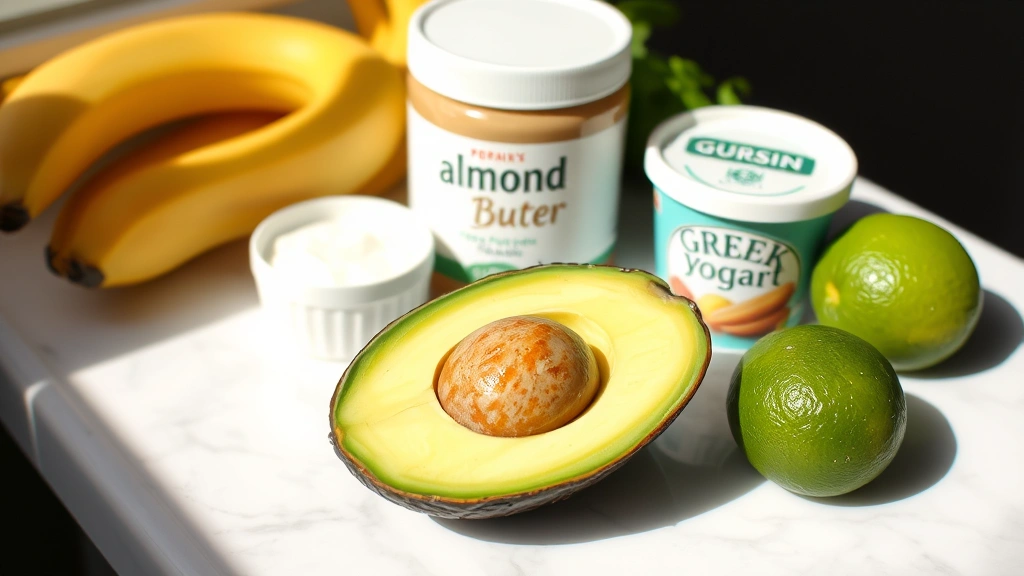
Avocado Smoothie Bliss? Nutritionist Approved
Avocado smoothies have become a staple in health-conscious kitchens worldwide, and for good reason. These creamy, nutrient-dense beverages combine the natural richness of avocados with complementary ingredients to create a meal that satisfies hunger while delivering essential vitamins, minerals, and healthy fats. Whether you’re looking to start your morning with sustained energy or seeking a post-workout recovery drink, the avocado smoothie recipe offers remarkable versatility and proven nutritional benefits.
What makes avocado smoothies particularly special is their ability to transform simple ingredients into something truly luxurious. Unlike many smoothies that rely heavily on added sugars or protein powders, a well-crafted avocado smoothie leverages the natural creaminess of avocados to create a satisfying texture without artificial additives. Nutritionists consistently recommend this drink because it balances macronutrients effectively, providing healthy fats, protein, carbohydrates, and fiber in one convenient glass.
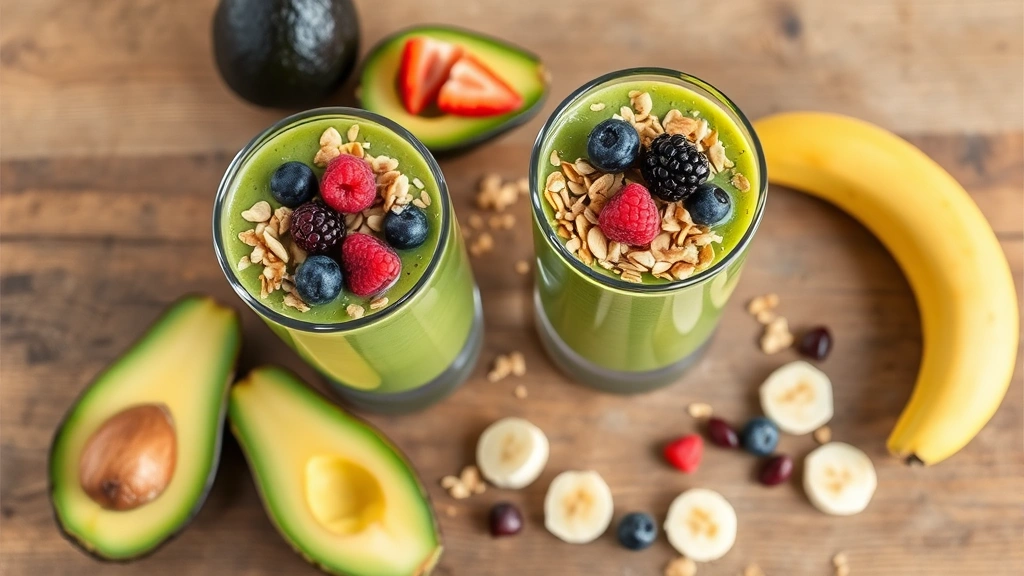
Why Avocados Are Nutritional Powerhouses
Avocados stand apart from other fruits because they contain nearly 20 different vitamins and minerals in substantial quantities. Unlike bananas or berries that provide quick carbohydrates, avocados deliver monounsaturated fats—the same heart-healthy fats found in olive oil. These fats are crucial for nutrient absorption, hormone production, and maintaining healthy cholesterol levels.
The potassium content in avocados deserves special mention. One medium avocado contains approximately 485 milligrams of potassium, which exceeds the amount found in a banana. Potassium regulates blood pressure, supports cardiovascular function, and helps maintain proper electrolyte balance. This makes avocado smoothies particularly beneficial for athletes and individuals maintaining active lifestyles.
Additionally, avocados contain lutein and zeaxanthin, two carotenoids that protect eye health by filtering harmful blue light. They also provide folate, essential for DNA synthesis and cell division, making them especially valuable for pregnant women and those planning pregnancy. The fiber content—approximately 10 grams per fruit—supports digestive health and promotes satiety, helping you feel fuller longer.
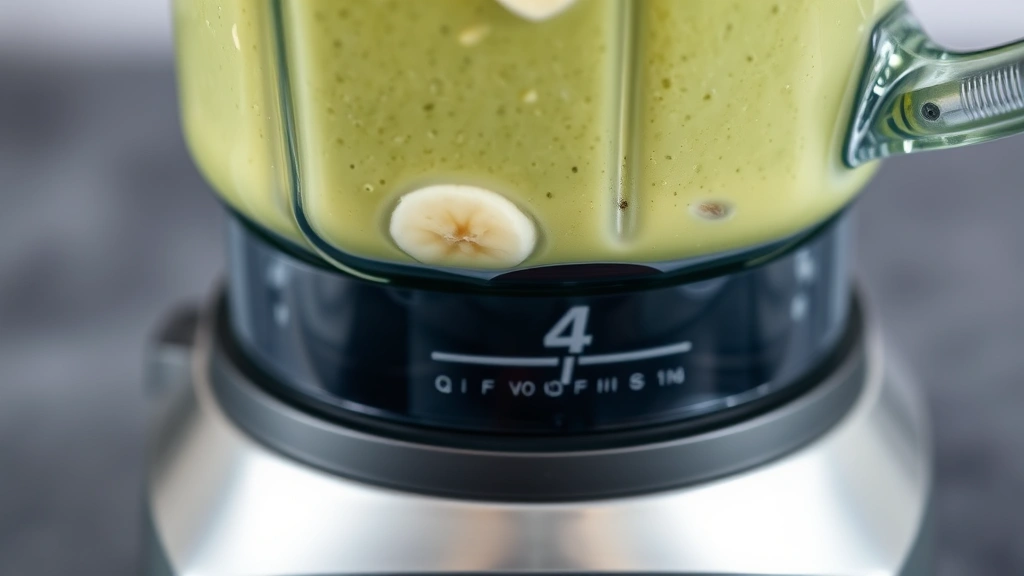
Essential Ingredients for the Perfect Blend
Creating an exceptional avocado smoothie requires understanding how different ingredients interact and complement one another. The foundation always starts with ripe avocados, but the supporting cast of ingredients determines whether your smoothie achieves nutritionist-approved status.
Liquid Base Options: Your choice of liquid significantly impacts the final texture and nutritional profile. Unsweetened almond milk provides a neutral flavor with minimal calories. Coconut milk adds richness and tropical notes. Greek yogurt mixed with milk creates an exceptionally creamy consistency while boosting protein content. For those seeking maximum nutrition, bone broth offers collagen and amino acids.
Protein Additions: While avocados provide some protein, adding additional sources creates a more complete meal. Greek yogurt delivers probiotics and calcium alongside protein. Nut butters like almond or peanut butter add both protein and satisfying fat. Plant-based protein powders work well for vegans, though quality matters—choose ones with minimal additives and recognizable ingredients.
Sweetening Strategies: Ripe avocados already contain natural sweetness, but you may want additional flavor development. Raw honey provides enzymes and antimicrobial properties. Dates offer fiber and minerals alongside sweetness. Maple syrup delivers a subtle earthiness. Banana serves dual purpose as both sweetener and thickening agent.
Flavor Enhancers: A pinch of vanilla extract, cinnamon, or nutmeg transforms the taste profile dramatically. Fresh lime juice brightens the drink and prevents oxidation of the avocado. Cocoa powder creates a decadent chocolate version. Fresh ginger adds warmth and aids digestion.
Classic Avocado Smoothie Recipe
This foundational recipe serves as your base for countless variations. The proportions balance creaminess with drinkability, ensuring you get a smoothie you can actually sip rather than eat with a spoon.
Ingredients:
- 1 ripe avocado, halved and pitted
- 1 cup unsweetened almond milk
- ½ cup Greek yogurt
- 1 banana, frozen and sliced
- 1 tablespoon raw almond butter
- 1 teaspoon vanilla extract
- ½ teaspoon cinnamon
- 1 tablespoon raw honey
- ½ cup ice cubes
- Pinch of sea salt
Instructions:
- Add almond milk to your blender first, creating a liquid base that helps everything blend smoothly.
- Layer in Greek yogurt, which anchors the creamy texture.
- Add avocado pieces, ensuring they’re distributed throughout the liquid.
- Include frozen banana slices, which chill the smoothie without requiring excess ice.
- Spoon in almond butter, distributing it throughout rather than clumping it in one area.
- Add vanilla extract, cinnamon, honey, and sea salt.
- Top with ice cubes.
- Blend on high speed for 60-90 seconds, pausing to scrape down sides as needed.
- Check consistency—add more milk if too thick, more ice if too thin.
- Pour immediately into chilled glasses and serve.
Yield: Two 16-ounce smoothies
Prep Time: 5 minutes
Nutritional Highlights: Approximately 320 calories per serving, with 12 grams of protein, 18 grams of healthy fat, and 8 grams of fiber.
Flavor Variations to Explore
The beauty of avocado smoothies lies in their adaptability. Once you master the classic version, experiment with these nutritionist-approved variations that maintain the same health benefits while offering entirely different taste experiences.
Tropical Paradise Version: Replace banana with frozen mango chunks and add coconut milk instead of almond milk. Include ½ cup fresh pineapple and a squeeze of fresh lime juice. This variation delivers additional vitamin C and bromelain, an enzyme that aids protein digestion. The tropical fruit combination creates an island-vacation experience in your glass.
Chocolate Almond Bliss: Add 2 tablespoons unsweetened cocoa powder and increase almond butter to 2 tablespoons. Use dates instead of honey for sweetness. This creates a dessert-like smoothie that satisfies chocolate cravings while remaining nutritionally sound. The cocoa provides antioxidants and may improve mood through phenylethylamine compounds.
Green Power Smoothie: Add 2 cups fresh spinach or kale after blending your base mixture. The leafy greens integrate seamlessly due to the avocado’s creaminess. Include fresh ginger (1 teaspoon) and lemon juice (2 tablespoons) for brightness. This variation maximizes micronutrient content without compromising taste.
Protein-Packed Post-Workout: Include 1 scoop vanilla plant-based protein powder and Greek yogurt (¾ cup instead of ½ cup). Add ½ banana and berries for carbohydrate recovery. This version delivers approximately 25 grams of protein, perfect for muscle recovery after exercise.
Matcha Green Tea Energizer: Whisk 1 teaspoon matcha powder with 2 tablespoons warm water before adding to the blender. Matcha provides sustained energy without the jitters associated with coffee. Combine with your classic recipe for a sophisticated smoothie that supports mental clarity and physical performance.
Creamy Chai Spice: Add ½ teaspoon cardamom, ¼ teaspoon clove, and ⅛ teaspoon black pepper to the classic recipe. These warming spices aid digestion and create an aromatic, sophisticated flavor profile. Some people add a splash of vanilla chai concentrate for additional depth.
When exploring variations, remember that the avocado’s neutral flavor profile makes it an ideal canvas for virtually any complementary ingredient. The key is maintaining proper proportions so the avocado’s nutritional benefits remain the star ingredient.
If you’re looking to incorporate smoothies into a broader healthy eating plan, consider pairing them with summer salad recipes for balanced daily nutrition. You might also explore easy dinner recipes for beginners to build a complete healthy lifestyle.
Nutritional Benefits Breakdown
Understanding what makes avocado smoothies nutritionally superior helps you appreciate every sip and make informed ingredient choices. Let’s examine the science behind why nutritionists consistently recommend this beverage.
Healthy Fats and Heart Health: Avocados contain 77% of their calories from fat, but this shouldn’t alarm you. These are primarily monounsaturated fats that reduce LDL cholesterol (the harmful kind) while maintaining or increasing HDL cholesterol (the beneficial kind). Research from Harvard School of Public Health demonstrates that regular avocado consumption correlates with improved cardiovascular health markers.
Fiber Content and Digestive Health: A medium avocado provides 10 grams of dietary fiber, supporting healthy gut bacteria and promoting regular digestion. This soluble fiber also helps regulate blood sugar levels, preventing the energy crashes associated with high-sugar smoothies. When combined with nut butters and Greek yogurt, you create a smoothie that sustains energy for hours.
Micronutrient Density: Beyond macronutrients, avocado smoothies deliver impressive micronutrient profiles. Vitamin E protects cells from oxidative damage. B vitamins support energy metabolism. Copper aids iron absorption. Magnesium promotes muscle relaxation and sleep quality. These micronutrients work synergistically, creating benefits greater than their individual effects.
Anti-Inflammatory Properties: Avocados contain oleic acid and various polyphenols that reduce systemic inflammation. Chronic inflammation underlies many modern diseases, making anti-inflammatory foods particularly valuable. When you add turmeric or ginger to your smoothie, you amplify these anti-inflammatory effects.
Blood Sugar Regulation: Despite containing carbohydrates, avocado smoothies don’t spike blood sugar significantly. The combination of fiber, healthy fat, and protein slows carbohydrate absorption, resulting in gradual, sustained energy increases. This makes them ideal for diabetics or anyone seeking stable energy throughout the day.
Brain Health Support: Avocados contain lutein and zeaxanthin, which accumulate in the brain and support cognitive function. They also provide folate, crucial for neurotransmitter synthesis and mood regulation. The healthy fats support myelin formation, the insulation around nerve fibers that enables efficient neural communication.
For comprehensive nutritional information and evidence-based health claims, consult the Academy of Nutrition and Dietetics, which provides peer-reviewed nutritional guidance.
Incorporating avocado smoothies into a balanced diet works well alongside healthy crockpot recipes and grandma approved dinner recipes for comprehensive nutritional balance.
Pro Tips for Smoothie Success
Achieving smoothie perfection requires attention to details that many home cooks overlook. These professional tips ensure consistent, delicious results every time.
Selecting Perfectly Ripe Avocados: Timing is everything. An underripe avocado tastes bitter and won’t blend smoothly. An overripe avocado develops brown spots and off-flavors. The ideal avocado yields slightly to gentle pressure but doesn’t feel mushy. If you’re buying avocados for future smoothies, purchase them at various ripeness stages so you have perfect ones available throughout the week.
Preventing Oxidation: Avocado flesh browns quickly when exposed to air. If you’re not blending immediately, squeeze fresh lemon or lime juice over the cut surface and store it with the pit intact. The citric acid and the pit both inhibit browning. Alternatively, press plastic wrap directly against the exposed flesh before refrigerating.
Freezing Avocados: Yes, you can freeze avocados for smoothies. Scoop flesh into ice cube trays, drizzle lightly with lemon juice, and freeze. Once solid, transfer to freezer bags. Frozen avocado cubes eliminate the need for excess ice, which dilutes your smoothie. They also create an extra-thick, creamy texture.
Temperature Matters: Start with chilled ingredients and a cold blender pitcher. Pre-chill glasses in the freezer for 10 minutes before serving. This keeps your smoothie cold and refreshing without requiring excessive ice that would dilute flavors.
Blending Order: Always start with liquids, then add soft ingredients, then frozen items, then ice last. This order prevents air pockets and ensures smooth blending. If your blender struggles, add liquid in small increments rather than all at once.
Texture Customization: Prefer a thinner smoothie? Add milk or coconut water. Want something thicker? Include frozen banana or reduce liquid slightly. Some people enjoy a spoonable consistency that requires a spoon rather than a straw—adjust based on personal preference.
Ingredient Quality: Use organic avocados when possible, as conventional varieties may contain pesticide residues. Choose grass-fed Greek yogurt for superior nutrient density. Select nuts and nut butters that contain no added oils or sugars. These quality choices directly impact the nutritional value and taste of your smoothie.
Blender Selection: High-powered blenders (1500+ watts) create exceptionally smooth results and handle frozen ingredients easily. If you have a standard blender, thaw frozen fruit slightly or use less ice. Quality blenders last decades and justify the investment through consistent performance.
Storage and Meal Prep Strategies
One of the smoothie’s greatest advantages is its convenience for busy lifestyles. However, proper storage techniques ensure you enjoy maximum nutrition and flavor.
Immediate Consumption: Ideally, drink your smoothie within 15 minutes of blending. This preserves enzymes, nutrients, and flavor. The longer a smoothie sits, the more oxidation occurs, potentially reducing antioxidant content.
Short-Term Refrigeration: If you must refrigerate, store in an airtight glass container for up to 8 hours. The avocado will brown slightly, but the smoothie remains safe and reasonably nutritious. Before drinking, stir vigorously as separation naturally occurs.
Freezing Smoothie Portions: Pour smoothie into freezer-safe containers, leaving ½ inch headspace for expansion. Freeze for up to 3 months. Thaw overnight in the refrigerator or blend frozen smoothie directly with a splash of milk for a soft-serve consistency. This method works excellently for meal prep on weekends.
Prep-Ahead Smoothie Packs: Assemble all dry ingredients and frozen items in freezer bags—exclude liquids and avocado. Label with the date and required liquid amounts. When ready to blend, simply add your pre-measured frozen ingredients, liquid, and fresh avocado. This approach minimizes morning prep time while maximizing freshness.
Avocado Preparation: Never freeze whole avocados in smoothie packs—they become mushy and unappetizing. Instead, freeze scooped avocado flesh in ice cube trays, then transfer to freezer bags. This allows you to use exactly what you need without waste.
Ingredient Shelf Life: Most smoothie ingredients last longer than you’d expect. Frozen fruit remains quality for 8-12 months. Nut butters last 3-6 months in the pantry, longer in the refrigerator. Protein powders maintain quality for 12-18 months when stored in cool, dry conditions. Greek yogurt lasts 1-2 weeks refrigerated.
For additional meal prep inspiration, explore easy chicken casserole recipe ideas that complement smoothie-based breakfasts for balanced nutrition.
FAQ
Can I make avocado smoothies without a blender?
While a blender produces superior results, you can mash avocado with a fork and combine with yogurt and milk, whisking thoroughly. The texture won’t be as smooth, and you may have small chunks, but it’s a workable alternative. Immersion blenders also work in a pinch—blend in a tall container or pitcher.
Are avocado smoothies safe during pregnancy?
Absolutely. Avocado smoothies are exceptionally beneficial during pregnancy because they provide folate, potassium, and healthy fats crucial for fetal development. The fiber supports digestive health, addressing common pregnancy constipation. Always use pasteurized ingredients if concerned about food safety.
How do I make an avocado smoothie vegan?
Replace Greek yogurt with coconut yogurt or silken tofu. Use plant-based milk like almond, oat, or soy milk. Substitute honey with maple syrup or dates. Add vegan protein powder if desired. These substitutions maintain nutritional completeness while aligning with vegan principles.
Why does my avocado smoothie taste bitter?
Bitterness usually indicates underripe avocado or too much of a bitter ingredient like unsweetened cocoa powder. Ensure avocados yield slightly to pressure before using. Add a touch more sweetener—honey or banana—to balance bitterness. Some people find certain almond milks taste slightly bitter; switching brands may help.
Can avocado smoothies help with weight loss?
While smoothies alone don’t cause weight loss, avocado smoothies support weight management through their high fiber and healthy fat content, which promotes satiety. They prevent the blood sugar crashes that trigger cravings. As part of a balanced diet with regular exercise, they can support weight loss goals. However, portion control matters—these smoothies contain 300-400 calories, so account for this in your daily intake.
What’s the best time to drink an avocado smoothie?
Avocado smoothies work excellently for breakfast, providing sustained energy until lunch. They also work well post-workout because they contain carbohydrates and protein for recovery. Some people enjoy them as a light dinner or snack. The best time is whenever it fits your schedule and hunger patterns.
Can I add supplements to my avocado smoothie?
Yes, avocado smoothies serve as an excellent vehicle for supplements. Protein powders, collagen peptides, omega-3 supplements, and greens powders all blend well. Always follow package directions for proper dosing. Consult with a healthcare provider before adding supplements, especially if you take medications.
How many avocado smoothies can I safely drink daily?
One smoothie daily is ideal for most people. Two smoothies occasionally is fine, but consuming multiple daily may exceed calorie needs for some individuals. Each smoothie contains 15-20 grams of fat, so monitor total daily fat intake. Listen to your body’s satiety signals and adjust accordingly.
What’s the difference between avocado smoothies and avocado smoothie bowls?
Smoothie bowls use thicker smoothie bases (less liquid) that you eat with a spoon, topped with granola, berries, and coconut. Smoothies are drinkable beverages. Both offer similar nutrition; choose based on your preference and time availability. Smoothie bowls provide additional texture contrast and make an attractive breakfast presentation.
Can I make avocado smoothies in bulk for the week?
Making five smoothies at once and refrigerating isn’t ideal because avocados oxidize. Instead, freeze smoothie portions or assemble ingredient packs. Blend fresh each morning if possible—it takes only 5 minutes. If you must batch-prepare, freeze in portions and thaw as needed for best results.


