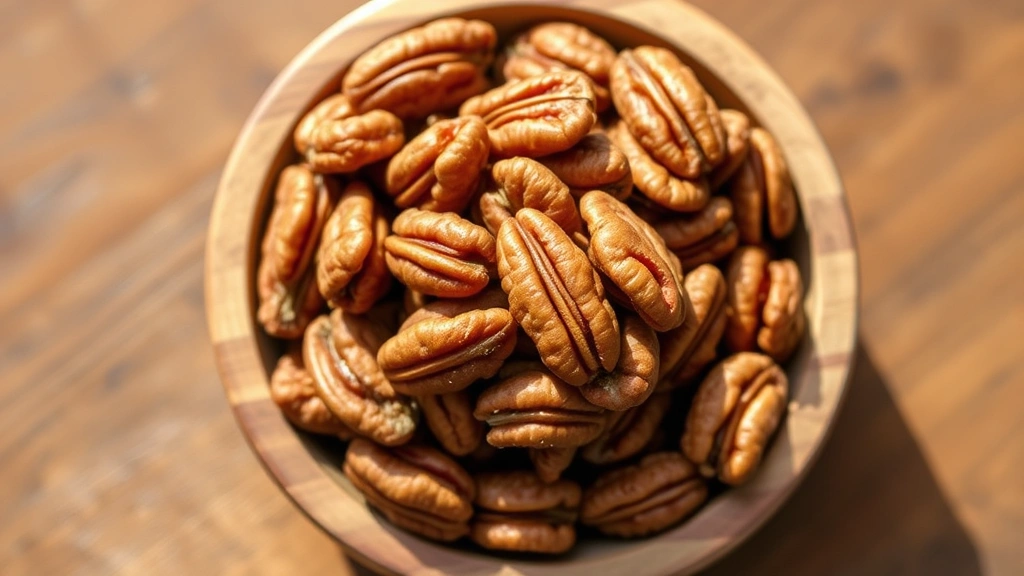
Crunchy Roasted Pecans: Expert Tips for Perfect Results Every Time
Roasted pecans are a versatile culinary staple that elevates everything from salads to desserts, snack bowls to charcuterie boards. The key to achieving that perfect crunch lies not in complicated techniques, but in understanding the science behind roasting and mastering a few essential tips. Whether you’re preparing pecans for a special occasion or creating a homemade gift, this comprehensive guide will transform your roasting game and ensure consistently delicious results.
The magic of roasted pecans begins with selecting quality nuts and understanding how heat transforms their texture and flavor. Raw pecans contain natural oils that, when properly activated through roasting, develop complex, rich notes while creating that coveted crispy exterior. This guide walks you through every step—from preparation through storage—to help you master the art of roasting pecans like a professional.

Selecting and Preparing Your Pecans
The foundation of exceptional roasted pecans starts long before they hit the oven. Begin by selecting fresh, high-quality pecans from reputable sources. Look for nuts that feel heavy for their size and show no signs of discoloration, mold, or rancidity. Fresh pecans should have a pleasant, mild nutty aroma—any off-smells indicate age or improper storage. If possible, purchase pecans from specialty food shops or reputable nut retailers that maintain proper temperature control and inventory rotation.
Before roasting, inspect your pecans carefully, removing any shell fragments or debris. Rinse them gently under cool water if they feel dusty, then pat them completely dry with a clean kitchen towel. Moisture is the enemy of crunchiness—any residual water will create steam during roasting, resulting in a softer texture. For best results, let air-dried pecans sit at room temperature for 15-20 minutes after towel-drying to ensure they’re completely moisture-free.
Consider the size of your pecans when planning your roasting strategy. Whole pecans take longer to roast than halves or pieces, so sorting by size ensures even cooking. If you’re mixing sizes, place smaller pieces on a separate tray or add them to the oven later to prevent burning while waiting for larger nuts to finish roasting.

Understanding Temperature and Timing
Temperature control is absolutely critical when roasting pecans. The ideal roasting temperature falls between 300°F and 350°F, with most recipes calling for 325°F as the sweet spot. This moderate temperature allows pecans to roast evenly without burning their delicate exterior before the interior fully crisps. Temperatures above 350°F risk scorching the nuts, creating bitter, acrid flavors that ruin an entire batch.
Roasting time typically ranges from 8 to 15 minutes, depending on your specific oven, pecan size, and whether you’re roasting whole nuts or pieces. Start checking pecans at the 8-minute mark by listening for an audible crack when you bite into one—this indicates proper crunchiness. The exterior should appear slightly darker than raw pecans, with a toasted, golden-brown color. Unlike raw pecans, properly roasted nuts will feel noticeably lighter and crispier when you test them.
Every oven behaves differently due to uneven heating patterns. Invest in an oven thermometer to verify your oven’s actual temperature, which often differs from the dial setting. Additionally, rotate your baking sheet halfway through roasting to ensure even exposure to heat and prevent the edges from burning while the center remains undercooked.
Seasoning Your Roasted Pecans
Plain roasted pecans are delicious, but seasonings elevate them into something truly special. The timing of seasoning application matters significantly—add salt and seasonings immediately after removing pecans from the oven while they’re still hot. The residual heat helps seasonings adhere to the nuts’ surface, creating better flavor distribution and texture.
For a classic approach, toss hot pecans with a light coating of melted butter or coconut oil (about 1-2 tablespoons per cup of pecans) and sea salt to taste. Sweet variations work beautifully too: combine cinnamon, brown sugar, and a pinch of cayenne pepper for a sophisticated sweet-spicy profile. Try honey drizzled over hot pecans with rosemary and sea salt for an elegant option that pairs wonderfully with creamy tomato soup.
Experiment with savory herb blends: garlic powder, smoked paprika, and thyme create a restaurant-quality snack. Chili powder with lime zest offers a bold, contemporary flavor. For sweeter applications, vanilla extract, maple syrup, and nutmeg deliver warming, dessert-friendly notes. Remember that salt enhances all flavors, so don’t skip it even in sweet preparations.
Roasting Methods Compared
Traditional oven roasting remains the most reliable method for consistent results. Spread pecans in a single layer on a baking sheet lined with parchment paper, ensuring they don’t overlap. This method allows excellent heat circulation and easy monitoring. Oven roasting also scales beautifully—you can roast small batches or several pounds simultaneously.
Stovetop roasting in a cast-iron skillet or heavy-bottomed pan offers a more hands-on approach requiring constant attention. Heat the skillet over medium heat, add pecans, and stir continuously for 5-8 minutes. This method develops deeper, more complex flavors due to direct contact with the hot surface, but demands vigilance to prevent burning. It’s perfect for small quantities when you want maximum control.
Air fryer roasting has gained popularity for its speed and consistency. Roast pecans at 300°F for 7-10 minutes, shaking the basket halfway through. Air fryers circulate heat efficiently, often producing superior crunch with less oil required. However, air fryers have limited capacity, making them impractical for large-batch preparation.
Slow cooker roasting works for those preferring a gentler approach. Place pecans on parchment in a slow cooker set to low, roast for 1-2 hours with the lid cracked slightly open for steam escape, stirring occasionally. This method produces milder flavor development but excellent texture consistency.
Achieving Maximum Crunch
The secret to exceptional crunchiness involves understanding the moisture content throughout the roasting process. As pecans heat, their internal moisture converts to steam, which escapes through the shell. The longer pecans roast (within safe temperature limits), the more moisture releases, resulting in crispier nuts. However, excessive roasting creates burnt, bitter flavors, so finding the optimal timing for your equipment is essential.
Cooling technique dramatically impacts final texture. Immediately after removing pecans from the oven, spread them on a clean baking sheet in a single layer. This allows steam to escape rapidly rather than re-absorbing into the nuts. Resist the temptation to eat them immediately—pecans continue crisping as they cool for 20-30 minutes. Premature consumption while still warm can feel soft; the true crunch emerges as they reach room temperature.
Humidity levels in your environment affect crunchiness retention. In humid climates, store roasted pecans in airtight containers with silica gel packets to maintain crispness. Room temperature storage works fine for short-term consumption (1-2 weeks), but refrigeration or freezing extends shelf life while preserving texture. Frozen roasted pecans maintain their crunch excellently for up to three months.
For ultimate crunchiness, avoid adding wet seasonings immediately after roasting. Instead, cool pecans first, then toss with melted butter or oils once they’ve reached room temperature. This prevents moisture reabsorption that softens the nuts.
Cooling and Storage Techniques
Proper cooling establishes the foundation for long-term storage success. After roasting, transfer hot pecans to a wire cooling rack if available, allowing air circulation from all sides. If using a baking sheet, spread pecans in a single layer and stir every 5 minutes during the first 15 minutes of cooling to prevent clumping and ensure even heat dissipation.
Once completely cooled to room temperature (typically 30-45 minutes), transfer roasted pecans to airtight containers. Glass containers with tight-sealing lids work best, though food-grade plastic containers suffice. Properly sealed containers protect pecans from moisture absorption and oxidation that degrades flavor and texture.
Refrigeration extends shelf life to 3-4 weeks while maintaining crunchiness. For longer storage, freeze roasted pecans for up to three months in freezer-safe containers or vacuum-sealed bags. Frozen pecans maintain their crunch and flavor remarkably well. When ready to use frozen pecans, allow them to thaw in their sealed container to prevent condensation from softening them.
Label containers with roasting dates and seasoning details for easy identification. This practice proves invaluable when preparing multiple batches with different flavor profiles for varied applications like healthy granola or salad toppings.
Creative Uses for Roasted Pecans
Roasted pecans transform countless dishes beyond simple snacking. Chop them finely and incorporate into instant pot chicken breast recipes for added texture and richness. They work beautifully in salad toppings, providing nutritional depth and sophisticated crunch that elevates even simple greens.
In baking applications, roasted pecans shine in brownies, cookies, and quick breads. Their pre-developed flavors require no additional roasting, reducing overall preparation time while delivering superior taste compared to raw nuts. Pulse roasted pecans into coarse flour for pie crusts that add nutty depth and satisfying crunch.
Create gourmet trail mixes by combining roasted pecans with dried fruits, dark chocolate chips, and complementary seasonings. These homemade mixes rival store-bought versions while offering customization and superior freshness. Consider pairing them with homemade jams for sophisticated charcuterie board additions.
Incorporate roasted pecans into cheese boards, pasta dishes, and grain salads for textural contrast. Candied roasted pecans make exceptional gifts and dessert toppings. Crush them into breadcrumb-like consistency for coating proteins or vegetables before baking or pan-frying.
For those mindful of nutrition, roasted pecans provide heart-healthy fats, fiber, and antioxidants. However, remember they’re calorie-dense, so portion control matters. Learn which foods to avoid for weight loss and understand that nuts, while nutritious, require moderation in weight management plans.
FAQ
Why do my roasted pecans taste bitter?
Bitterness indicates over-roasting or excessively high temperatures. Pecans roasted above 350°F or for extended periods develop acrid, burnt flavors. Lower your oven temperature to 325°F and check pecans starting at 8 minutes. If your oven runs hot (verified with a thermometer), reduce temperature by 25°F. Always err on the side of under-roasting slightly—you can always roast longer, but burnt nuts are irreversible.
Can I roast pecans without oil?
Absolutely. Pecans contain sufficient natural oils that roasting without added fat produces excellent results. Dry roasting works particularly well for nuts destined for sweet applications. However, adding a small amount of oil (1-2 tablespoons per cup) helps seasonings adhere better and can enhance browning. If roasting dry, increase monitoring frequency since pecans brown faster without oil’s thermal conductivity.
How do I know when pecans are perfectly roasted?
Visual cues include a golden-brown exterior noticeably darker than raw pecans. Aroma provides another indicator—roasted pecans emit a rich, toasted fragrance distinctly different from raw nuts. The definitive test involves breaking open a cooled pecan; it should snap cleanly with audible crunch rather than bending or feeling chewy. The interior should appear light golden-tan, not dark or burnt.
Can I roast pecans in advance?
Yes, roasting pecans 1-2 weeks ahead works well with proper storage. Cool completely, store in airtight containers at room temperature, and consume within two weeks. For longer storage, refrigerate for up to one month or freeze for three months. Frozen roasted pecans maintain quality excellently and thaw quickly when needed. This advance preparation strategy works wonderfully for holiday entertaining or batch meal preparation.
What’s the difference between roasted and raw pecans nutritionally?
Roasting doesn’t significantly alter pecans’ nutritional profile regarding calories, fat, or protein content. However, roasting may slightly reduce certain heat-sensitive vitamins like vitamin E. The primary difference lies in digestibility and flavor development—roasting activates enzymes that make nuts easier to digest while developing complex flavors. Both raw and roasted pecans provide excellent nutrition, so choice depends on preference and intended application.
Why do my roasted pecans get soft?
Softening occurs when roasted pecans absorb moisture from humid air or improper storage. High humidity environments require airtight storage with desiccants. Ensure pecans cool completely before sealing containers—trapped steam re-absorbs into nuts, softening them. If stored pecans soften over time, briefly re-roast at 300°F for 3-5 minutes to restore crunchiness. Store in cool, dry locations away from direct sunlight.


