
Walleye Recipe Ideas: Chef’s Top Picks for Perfectly Cooked Fish
Walleye is one of North America’s most prized freshwater fish, celebrated by chefs and home cooks alike for its delicate, flaky white flesh and mild, slightly sweet flavor. Whether you’ve just returned from a successful fishing trip or picked up fresh walleye from your local market, knowing how to prepare this versatile fish can transform it into restaurant-quality dishes. This guide explores the best walleye recipes that showcase the fish’s natural qualities while offering techniques suitable for any skill level.
From classic pan-seared preparations to innovative gourmet presentations, walleye adapts beautifully to numerous cooking methods. The key to exceptional walleye dishes lies in respecting the fish’s delicate texture and complementing its subtle flavor with thoughtful seasonings and cooking techniques. In this comprehensive guide, we’ll explore multiple approaches to preparing walleye, share professional tips from experienced chefs, and provide you with versatile recipes that work for weeknight dinners or impressive entertaining.
Why Walleye Is Perfect for Home Cooking
Walleye stands apart from other freshwater fish due to its exceptional culinary properties. The flesh contains minimal fat, making it ideal for health-conscious cooks, yet it remains moist and tender when prepared correctly. The mild flavor profile means walleye won’t overpower delicate sauces or subtle seasonings, allowing creative flavor combinations to shine.
One of the biggest advantages of cooking walleye at home is its forgiving nature. Unlike more delicate white fish, walleye maintains its structure during cooking, making it suitable for beginners who are still developing their fish-cooking skills. Professional chefs appreciate walleye for its versatility—it performs equally well when pan-seared, baked, grilled, or deep-fried.
The texture of walleye fillets is naturally flaky and tender, with a firm bite that holds up well to various preparation methods. This makes walleye an excellent choice for everything from casual family dinners to formal entertaining. When sourcing walleye, look for firm, translucent flesh with a fresh, ocean-like aroma. Frozen walleye also works beautifully in most recipes if you thaw it properly before cooking.
Classic Pan-Seared Walleye
Pan-searing remains the gold standard for cooking walleye fillets, delivering a perfectly crispy exterior while maintaining a moist, tender interior. This technique requires only basic equipment and minimal ingredients, yet produces restaurant-quality results that impress every time.
Essential Pan-Searing Steps:
- Pat walleye fillets completely dry using paper towels—moisture is the enemy of achieving a golden crust
- Season generously with kosher salt and freshly ground black pepper at least 10 minutes before cooking
- Heat a cast-iron or stainless steel skillet over medium-high heat for 2-3 minutes until shimmering
- Add 2 tablespoons of butter or neutral oil with a high smoke point
- Once the fat is shimmering and just beginning to smoke, carefully place fillets skin-side up in the pan
- Cook undisturbed for 3-4 minutes until the bottom develops a golden-brown crust
- Flip gently and cook for an additional 2-3 minutes until the flesh flakes easily with a fork
- Finish with a squeeze of fresh lemon juice and a sprinkle of fresh herbs
The critical timing depends on fillet thickness—thinner fillets (under ½ inch) need only 2-3 minutes per side, while thicker pieces may require 4-5 minutes. A meat thermometer inserted into the thickest part should read 145°F (63°C) for perfectly cooked walleye.
For enhanced flavor, brown your butter before cooking the walleye. This involves melting butter in your pan over medium heat, then allowing it to continue cooking until the milk solids turn golden brown and develop a nutty aroma. Brown butter adds sophisticated depth to the finished dish, elevating simple walleye into something special.
Beer-Battered Walleye
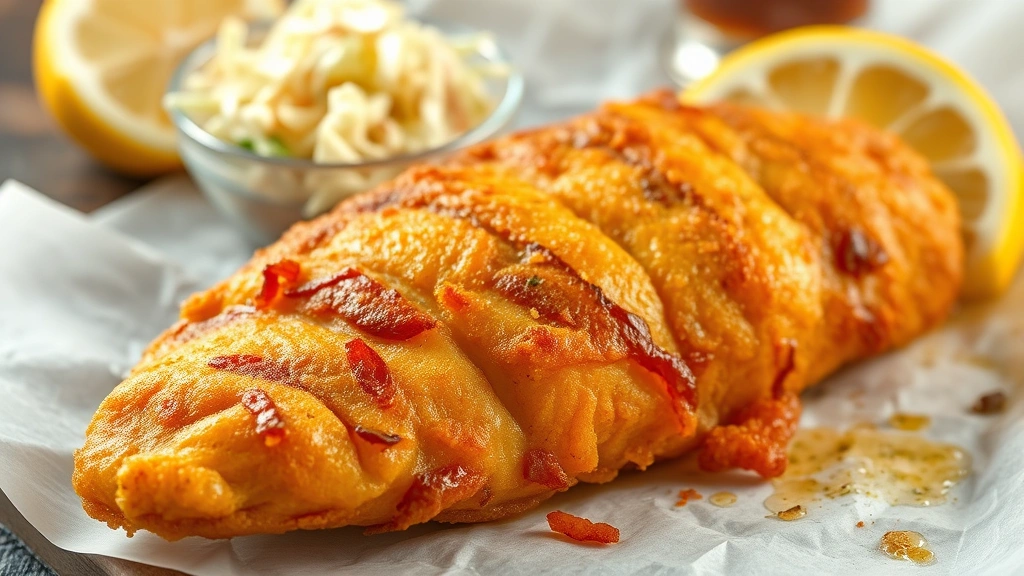
Beer-battered walleye represents the ultimate comfort food, delivering crispy, golden exteriors that contrast beautifully with tender, flaky interiors. This preparation method is beloved across the Midwest and Great Lakes regions, where walleye fishing is a cherished tradition.
Beer Batter Recipe:
- 1 cup all-purpose flour
- ½ cup cornstarch
- 1 teaspoon baking powder
- 1 teaspoon paprika
- ½ teaspoon cayenne pepper
- 1 teaspoon garlic powder
- 1 teaspoon onion powder
- 1 cup cold beer (lager or pilsner works best)
- 1 egg yolk
- Oil for deep frying (peanut or canola)
Combine dry ingredients in a large bowl, whisking thoroughly to distribute leavening agents evenly. In a separate bowl, whisk together cold beer and egg yolk. Pour wet ingredients into dry ingredients, stirring gently until just combined—lumpy batter actually produces crispier results than smooth batter, as the lumps create irregular surfaces that brown beautifully.
Heat oil to 350°F (175°C) in a deep pot or commercial deep fryer. Pat walleye fillets dry, then dip into batter, allowing excess to drip off before carefully placing in hot oil. Fry for 3-4 minutes until golden brown and crispy, working in batches to avoid crowding the pan. Drain on paper towels and season immediately with salt.
Serve beer-battered walleye alongside classic accompaniments like easy coleslaw recipe for a refreshing contrast, or pair with tartar sauce and fresh lemon wedges. The crispy coating provides textural contrast that keeps every bite interesting.
Walleye with Lemon and Herbs
This elegant preparation highlights walleye’s delicate flavor through the judicious use of bright citrus and fresh herbs. It’s an ideal choice for dinner parties or special occasions, yet simple enough for weeknight cooking.
Ingredients (serves 4):
- 4 walleye fillets (6-8 oz each)
- 3 tablespoons unsalted butter, divided
- 2 lemons, thinly sliced
- ¼ cup fresh dill, finely chopped
- 2 tablespoons fresh parsley, minced
- 4 cloves garlic, minced
- ½ cup dry white wine
- Kosher salt and black pepper to taste
Preparation Method:
Preheat your oven to 400°F (200°C). Arrange lemon slices in a single layer on a large sheet of parchment paper or in a shallow baking dish. Place walleye fillets on top of the lemon slices, then dot each fillet with small pieces of butter. Combine dill, parsley, and garlic in a small bowl, then sprinkle this herb mixture evenly over the fillets.
Pour white wine carefully around the fillets (not directly on them, as this can wash away the herb coating). Season with salt and pepper, then fold the parchment paper over the fillets to create a sealed packet, or cover the baking dish with aluminum foil. Bake for 12-15 minutes until the flesh flakes easily and is opaque throughout.
This en papillote (in parchment) cooking method steams the fish gently in its own juices and the wine, resulting in incredibly moist, tender walleye. The lemon slices infuse subtle citrus flavor throughout, while the herbs provide aromatic complexity. Serve directly in the parchment packet for an impressive presentation, or transfer to a serving plate and drizzle with the accumulated cooking liquid.
Baked Walleye Fillets
Baking offers a hands-off approach to cooking walleye that’s perfect for busy weeknights. This method produces consistently moist results without requiring constant attention, making it ideal for novice cooks or those preparing multiple dishes simultaneously.
For a basic baked preparation, preheat your oven to 375°F (190°C). Line a baking sheet with parchment paper or lightly grease it with oil. Arrange walleye fillets skin-side down, brush lightly with olive oil or melted butter, then season with salt, pepper, and your choice of herbs. Common options include dill, tarragon, thyme, or oregano.
Bake for 10-12 minutes for standard fillets, checking for doneness by inserting a fork into the thickest part—the flesh should separate into flakes easily. Baking time varies based on fillet thickness, so begin checking around the 10-minute mark to prevent overcooking.
To elevate baked walleye, create a topping using panko breadcrumbs mixed with grated Parmesan cheese, fresh herbs, lemon zest, and melted butter. Press this mixture gently onto the top of each fillet before baking. The result is a golden, crispy topping that contrasts beautifully with the tender flesh beneath.
Another sophisticated option involves topping baked walleye with pepper jelly recipe for a sweet-spicy glaze, or finishing with a drizzle of burger sauce recipe for rich, savory depth.
Grilled Walleye Techniques
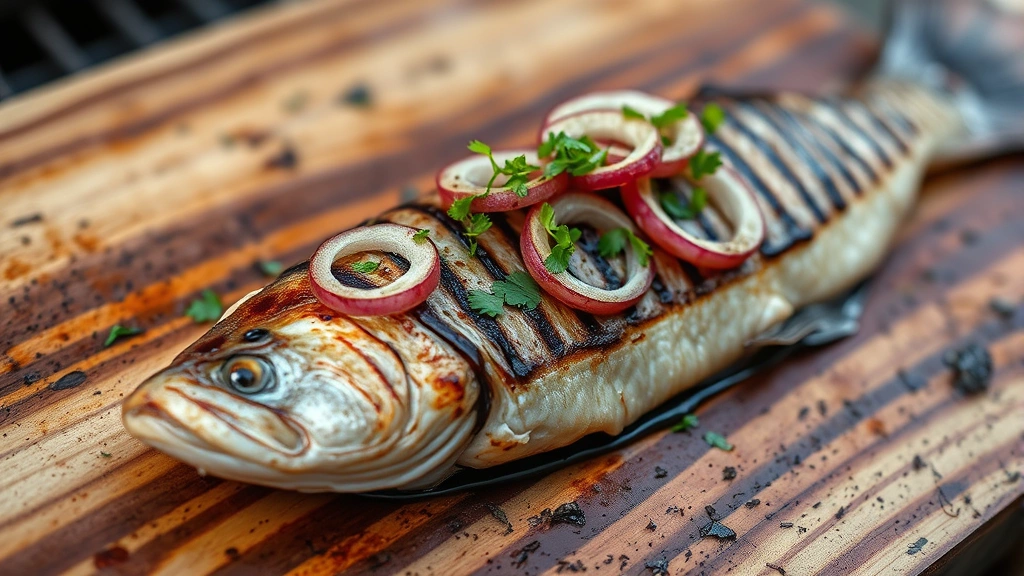
Grilling walleye imparts smoky flavor and attractive char marks while keeping the fish moist through high-heat cooking. Success depends primarily on proper heat management and preventing sticking—two challenges that newer grill cooks often encounter.
Preventing Sticking and Achieving Perfect Results:
Begin by thoroughly cleaning your grill grates with a stiff brush to remove any residual debris. Heat the grill to medium-high heat (around 400°F or 200°C), allowing at least 5 minutes for the grates to heat completely. Once hot, oil the grates generously using a paper towel dipped in high-smoke-point oil like canola or grapeseed oil.
Pat walleye fillets completely dry and brush them lightly with oil on both sides. Season with salt and pepper immediately before placing on the grill. Position fillets perpendicular to the grill grates, then resist the urge to move them—allow the first side to cook undisturbed for 4-5 minutes until a golden crust forms and the fish releases easily from the grates.
Using a long-handled fish spatula or two regular spatulas, carefully flip each fillet and cook the second side for 3-4 minutes until the flesh is opaque and flakes easily. The key to successful grilling is understanding that walleye fillets are delicate—rushing the process by flipping too early will result in sticking and torn flesh.
For a foolproof method, consider grilling walleye on a cedar plank. Soak a cedar plank in water for at least 2 hours, then place it directly on the grill grates. Arrange walleye fillets on the plank, top with pickled onions recipe and fresh herbs, then close the grill lid. The plank prevents direct contact with the grates while infusing the fish with subtle smoky-woody flavor.
Walleye Tacos and Casual Fare
Walleye’s mild flavor and flaky texture make it perfect for casual preparations that showcase the fish without elaborate techniques. Tacos represent one of the most popular and approachable methods for serving walleye to family and friends.
Crispy Walleye Tacos:
Pan-fry walleye fillets using the classic method described earlier, then break them into bite-sized pieces. Warm flour or corn tortillas, then fill with walleye pieces and your choice of toppings. Traditional options include shredded cabbage (or prepared easy coleslaw recipe), fresh cilantro, diced onion, and lime crema (sour cream mixed with lime juice and salt).
Add heat and complexity with pickled jalapenos recipe for a spicy kick, or top with a drizzle of burger sauce recipe for creamy richness. A squeeze of fresh lime juice brightens all the flavors and complements the delicate fish perfectly.
Walleye Fish Sandwiches:
Prepare beer-battered walleye as described earlier, then serve on toasted brioche buns with tartar sauce, shredded lettuce, and tomato slices. This classic preparation has fed hungry anglers and casual diners for generations, and with good reason—the crispy exterior and tender interior create an unforgettable sandwich.
Walleye Pasta Preparations:
Incorporate walleye into quick and easy pasta recipes by pan-searing fillets and flaking them into a light garlic and white wine sauce. Toss with fresh pasta, finishing with parsley and a squeeze of lemon juice. The delicate fish flavor won’t overpower the pasta, creating a balanced, elegant dish.
FAQ
How do I know when walleye is cooked through?
The most reliable indicator is visual—fully cooked walleye flesh turns opaque white and flakes easily when pressed with a fork. A meat thermometer should read 145°F (63°C) at the thickest part. Avoid overcooking, as walleye’s low fat content means it can become dry if cooked beyond this temperature.
Can I substitute walleye for other white fish in recipes?
Yes, walleye works as a substitute for other mild white fish like cod, tilapia, or perch. Cooking times and methods remain essentially the same. However, walleye’s delicate texture means it’s slightly more fragile than some alternatives, so handle it gently during cooking.
What’s the best way to store fresh walleye?
Store fresh walleye on ice in the coldest part of your refrigerator, using it within 1-2 days of purchase. For longer storage, wrap fillets individually in plastic wrap, place in an airtight container, and freeze for up to 3 months. Thaw frozen walleye overnight in the refrigerator before cooking.
How thick should walleye fillets be for cooking?
Walleye fillets typically range from ½ to ¾ inch thick. Thinner fillets cook faster (2-3 minutes per side when pan-searing), while thicker fillets require additional time. Consistency in thickness across all fillets ensures even cooking.
Should I remove the skin before cooking walleye?
The skin is entirely edible and adds flavor and nutrients. Leaving the skin on helps protect the delicate flesh during cooking and creates a crispy exterior when pan-seared. However, removing the skin is simple if you prefer boneless, skinless fillets—use a sharp knife angled between the skin and flesh, pulling the skin away while keeping the blade steady.
What are the best seasonings for walleye?
Walleye pairs beautifully with bright, fresh flavors. Lemon and dill are classic combinations, but walleye also works well with tarragon, thyme, oregano, garlic, and ginger. Avoid heavy spices that might overpower the fish’s delicate flavor profile.
Can I cook frozen walleye without thawing?
While it’s possible to cook frozen walleye directly, thawing first produces superior results. Frozen walleye requires longer cooking times and may not cook evenly, resulting in overcooked exteriors and undercooked centers. Thaw overnight in the refrigerator for best results.
What wine pairs well with walleye dishes?
Light, crisp white wines complement walleye beautifully. Sauvignon Blanc, Pinot Grigio, and Albariño all enhance the fish’s delicate flavor without overpowering it. Avoid heavy oak-aged wines that might compete with the subtle fish flavor.


