Radish Recipes You’ll Love: Chef’s Favorites
Radishes are one of the most underutilized vegetables in modern cooking, yet they deserve a prominent place on your dinner table. With their crisp texture, peppery bite, and vibrant colors ranging from deep red to white and purple, radishes offer incredible versatility that extends far beyond a simple salad garnish. Whether you’re roasting them until caramelized, pickling them for tangy condiments, or incorporating them into sophisticated appetizers, these root vegetables bring a unique flavor dimension that professional chefs have been championing for years.
The beauty of radish recipes lies in their ability to transform based on cooking method. Raw radishes provide a refreshing crunch and subtle spice, while roasted radishes develop a mild, almost buttery sweetness that surprises many first-time tasters. This guide explores the chef-approved radish recipes that will elevate your cooking repertoire and introduce you to flavors you never knew existed in this humble vegetable.
Why Radishes Deserve Your Attention
Many home cooks dismiss radishes as merely decorative elements, but professional chefs understand their remarkable culinary potential. Radishes belong to the Brassicaceae family alongside broccoli, cabbage, and Brussels sprouts, which means they carry beneficial compounds and complex flavor profiles that develop differently depending on preparation method. The peppery compounds in raw radishes come from glucosinolates, which break down when heated, creating a completely different eating experience.
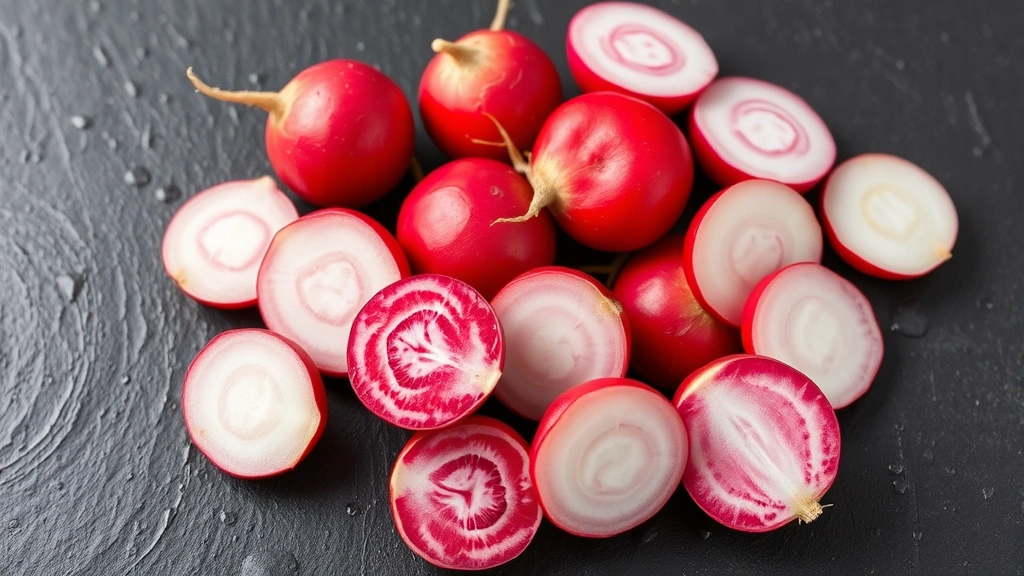
Understanding radish varieties is crucial for selecting the right one for your recipe. The common red globe radish works beautifully in salads and as crudités. Daikon radishes, popular in Asian cuisine, offer a milder flavor and crisp texture ideal for slaws and stir-fries. Watermelon radishes provide a stunning presentation with their pink and white interior. French Breakfast radishes combine elongated shape with mild flavor, making them perfect for elegant presentations. Horseradish, though more pungent, brings intense heat to sauces and condiments that pair wonderfully with standing rib roast and other rich meats.
The nutritional profile of radishes makes them an excellent addition to any health-conscious kitchen. They’re extremely low in calories while being rich in vitamin C, fiber, and antioxidants. Raw radishes contain enzymes that support digestion, while the compounds in radish greens offer additional nutritional benefits often overlooked by cooks who discard them.
Classic Roasted Radishes with Herbs
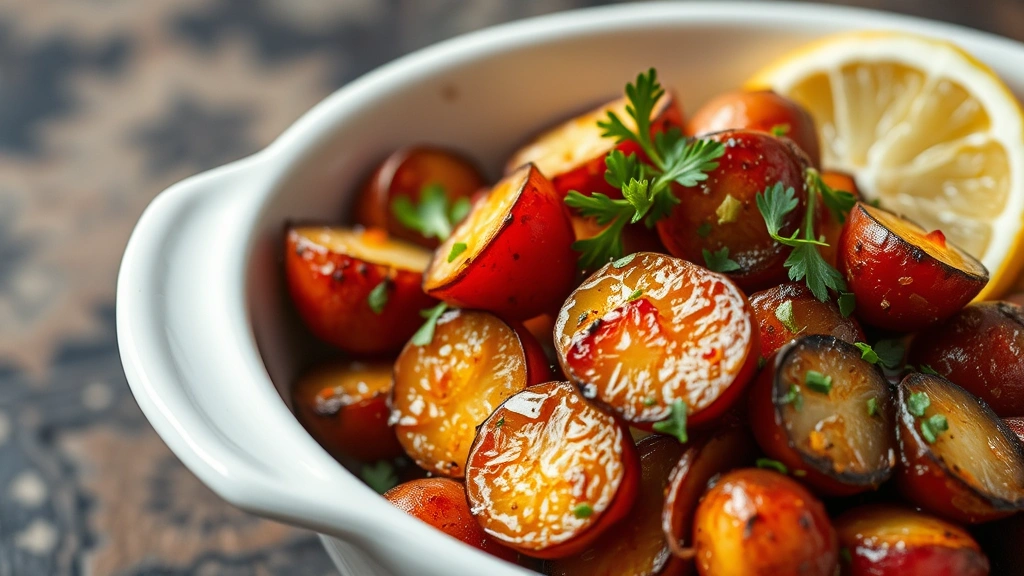
Roasting transforms radishes into something magical. The dry heat caramelizes their natural sugars while mellowing the peppery bite, creating a side dish that even radish skeptics will enjoy. This preparation method is fundamental to mastering radish recipes and should be your starting point if you’re new to cooking with this vegetable.
Basic Roasted Radishes:
- Preheat your oven to 425°F (220°C). Line a baking sheet with parchment paper or aluminum foil for easy cleanup.
- Clean 1 pound of radishes thoroughly under running water, scrubbing gently to remove any soil. Pat them completely dry with paper towels—moisture is the enemy of proper caramelization.
- Trim the stem and root ends, then cut larger radishes into quarters while leaving smaller ones halved. Aim for uniform size to ensure even cooking.
- In a large bowl, toss the radishes with 3 tablespoons of olive oil, 1 teaspoon of sea salt, and ½ teaspoon of freshly ground black pepper. Mix thoroughly to coat every piece.
- Spread the radishes in a single layer on the baking sheet, cut-side down. This promotes browning and caramelization on the flat surfaces.
- Roast for 25-30 minutes, stirring halfway through, until the radishes are golden brown and tender when pierced with a fork.
- Remove from the oven and immediately toss with fresh herbs like dill, parsley, or thyme. A squeeze of fresh lemon juice brightens the flavors beautifully.
Herb Variations: For Mediterranean-inspired flavor, combine roasted radishes with oregano, garlic, and a drizzle of good-quality olive oil. Asian-influenced versions benefit from sesame oil, fresh ginger, and a pinch of white pepper. Roasted radishes also pair exceptionally well with roasted garlic, creating a side dish sophisticated enough to serve alongside brisket cooked in the oven.
The beauty of roasted radishes extends to their versatility in meal planning. Prepare a large batch at the beginning of the week and incorporate them into grain bowls, pasta dishes, or serve them alongside grilled proteins. They maintain excellent texture when reheated gently in a low oven.
Crispy Radish Chips and Appetizers
Creating crispy radish chips transforms these vegetables into an addictive snack or elegant appetizer. This technique requires precision and attention to detail but yields impressive results that showcase your culinary skills.
Air Fryer Radish Chips:
- Slice radishes into thin, uniform rounds approximately ⅛-inch thick using a mandoline slicer or sharp knife. Consistency is critical for even cooking.
- Pat the slices completely dry with paper towels to remove surface moisture.
- Lightly brush or spray both sides with olive oil—about 1 tablespoon total for 1 pound of radishes.
- Season with sea salt, paprika, and your choice of spices. Smoked paprika adds depth, while garlic powder or fresh herbs create different flavor profiles.
- Arrange in a single layer in the air fryer basket without overlapping.
- Air fry at 380°F (193°C) for 12-15 minutes, shaking the basket halfway through, until the chips are golden and crispy.
- Cool on a wire rack for 2-3 minutes before serving. They’ll continue to crisp as they cool.
Oven-Baked Alternative: If you don’t have an air fryer, arrange seasoned radish slices on a parchment-lined baking sheet and bake at 425°F (220°C) for 20-25 minutes, stirring halfway through. The air fryer method produces superior crispiness, but the oven technique works adequately.
Radish Crudités with Dipping Sauce: For a simpler appetizer preparation, arrange raw radish slices on a platter alongside homemade salad dressings used as dipping sauces. A classic buttermilk ranch, creamy herb dip, or spicy sriracha mayo complements the radish’s natural peppery notes beautifully. This presentation works wonderfully for entertaining when you want to impress guests with minimal preparation time.
Pickled Radishes for Bright Condiments
Pickling radishes creates a versatile condiment that brightens any meal. The acidic brine mellows the radish’s heat while preserving its crisp texture, resulting in a tangy accompaniment perfect for tacos, grain bowls, sandwiches, and charcuterie boards.
Quick Pickle Method:
- Slice 1 pound of radishes into thin rounds or julienne strips, depending on your preference. Thinner pieces pickle faster and create a more delicate texture.
- Place the radish slices in a clean glass jar with 1 teaspoon of sea salt and ½ teaspoon of sugar.
- In a small saucepan, combine 1 cup of white vinegar, ¾ cup of water, 1 tablespoon of sugar, and 1 teaspoon of salt. Add optional aromatics like garlic cloves, fresh dill, or red pepper flakes.
- Bring the brine to a boil, then remove from heat and let cool for 2 minutes.
- Pour the hot brine over the radishes, ensuring they’re completely submerged. Use a clean utensil or weight to keep them under the liquid.
- Cover loosely and let cool to room temperature, then refrigerate for at least 2 hours before serving. Flavors develop further over 24-48 hours.
- Store in the refrigerator for up to 3 weeks, maintaining excellent flavor and texture throughout.
Flavor Variations: Asian-inspired pickles incorporate rice vinegar, ginger, and a touch of sesame oil. Mexican versions benefit from lime juice, cilantro, and jalapeños. European-style pickles emphasize dill, mustard seeds, and whole peppercorns. Experiment with different vinegar types—red wine vinegar creates earthier flavor, while champagne vinegar offers delicate notes.
Pickled radishes elevate simple dishes into restaurant-quality presentations. Serve them alongside ribs prepared with your favorite rub, use them as taco toppings, or incorporate them into composed salads for professional-looking plates that impress dinner guests.
Radish Salads and Fresh Preparations
Raw radishes shine in salads where their crisp texture and peppery flavor create exciting contrast with other ingredients. Understanding how to compose radish salads transforms them from simple side dishes into memorable courses.
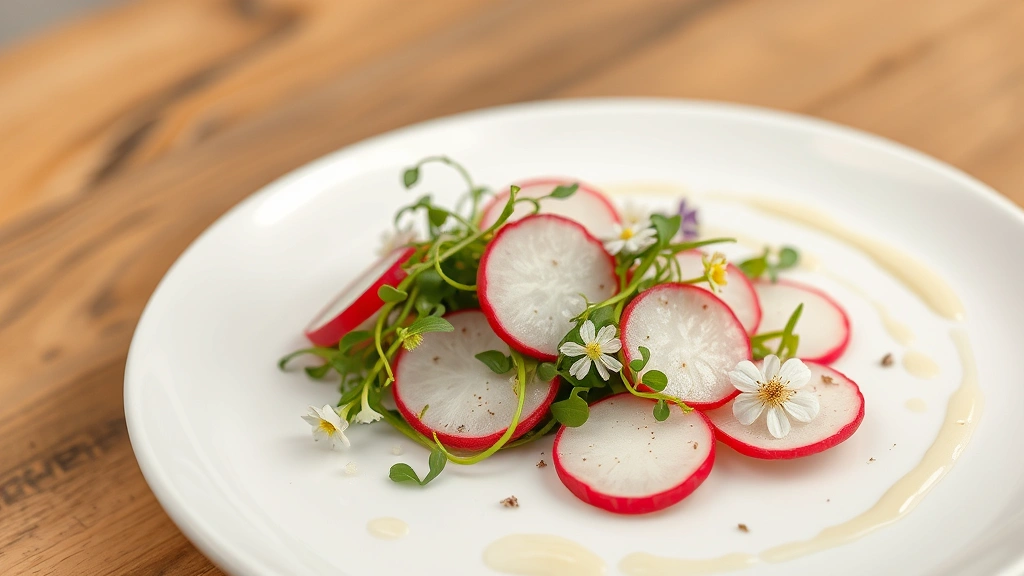
Classic French Radish Salad: This elegant preparation celebrates radish simplicity. Arrange thinly sliced radishes on a plate with good-quality butter, fleur de sel, and fresh bread. The combination of radish’s peppery bite, butter’s richness, and salt’s enhancement creates a sophisticated starter that requires no cooking skills.
Radish and Citrus Salad: Combine thinly sliced radishes with segments of grapefruit or orange, mixed greens, and candied walnuts. Dress with a light vinaigrette made with citrus juice, Dijon mustard, and neutral oil. The citrus brightens the radish’s heat while the sweetness of candied nuts provides balance.
Asian-Inspired Radish Slaw: Julienne daikon radishes and combine with shredded carrots, thinly sliced green onions, and sesame seeds. Dress with a mixture of rice vinegar, sesame oil, soy sauce, and a touch of honey. This preparation works beautifully alongside grilled proteins or as a component in Asian fusion bowls.
Radish Salad with Creamy Dressing: The peppery bite of radishes pairs beautifully with creamy dressings. Create a simple version using Greek yogurt, fresh dill, lemon juice, and garlic. This approach offers lighter flavor than traditional mayonnaise-based dressings while maintaining wonderful richness. Toss with mixed radishes, cucumber slices, and fresh herbs for a refreshing side dish.
When preparing radish salads, slice radishes immediately before serving to preserve their crisp texture and bright flavor. If you must prepare them ahead, store sliced radishes in ice water in the refrigerator, which maintains crispness while preventing the peppery compounds from becoming overly intense.
Radishes in Cooked Dishes
Beyond roasting, radishes integrate beautifully into various cooked dishes where they contribute texture and subtle flavor complexity. Understanding these applications expands your radish recipe repertoire significantly.
Radish Stir-Fry: Cut radishes into half-moons or thin wedges and add them to stir-fries during the final 2-3 minutes of cooking. Their quick cooking time means they maintain some crispness while absorbing sauce flavors. Pair with ginger, garlic, soy sauce, and sesame oil for an authentic Asian preparation.
Radish Soup: Purée roasted radishes with vegetable or chicken stock, cream, and fresh herbs to create an elegant soup with subtle peppery notes and beautiful pale pink color. Finish with a dollop of crème fraîche and fresh chives for restaurant-quality presentation. This preparation works wonderfully in healthy crockpot recipes where radishes cook gently alongside other vegetables.
Radish and Potato Hash: Combine diced roasted radishes with cubed potatoes, onions, and bacon for a sophisticated breakfast or brunch dish. The radish adds interest to this classic preparation, preventing it from becoming monotonous. Top with a fried egg and fresh herbs for complete presentation.
Radish Greens Preparation: Don’t discard radish greens—they’re edible and nutritious. Sauté them with garlic and olive oil for a side dish, or incorporate them into soups and stews. Their slightly bitter flavor complements rich meats beautifully, making them an excellent pairing with standing rib roast.
When incorporating radishes into cooked dishes, remember that their flavor mellows considerably with heat. This makes them excellent for balancing rich, fatty dishes where their subtle peppery notes cut through heaviness without overwhelming other flavors.
Advanced Techniques and Presentations
Professional chefs employ advanced techniques to showcase radishes in sophisticated preparations. These methods require practice but elevate your cooking from home cook to culinary artist.
Radish Roses and Garnishes: Using a sharp knife or specialized vegetable tool, create radish roses by carefully slicing thin petals while keeping the radish intact at the base. Soak in ice water for several hours to encourage petals to unfurl naturally. This elegant garnish transforms simple plates into visually stunning presentations.
Radish Foam: Blend raw radishes with vegetable stock and lecithin, then use an immersion blender to create foam that tops soups or composed plates. This modern technique captures radish’s fresh flavor in unexpected form, impressing diners with technical skill.
Fermented Radishes: Beyond quick pickling, ferment radishes with salt and spices using traditional lacto-fermentation methods. This process develops complex flavors and beneficial probiotics, creating a condiment with depth impossible to achieve through quick-pickling alone. The fermentation process typically requires 5-7 days at room temperature.
Radish Powder: Dehydrate thin radish slices completely, then grind into fine powder. This concentrated radish essence adds peppery depth to soups, sauces, and dry rubs. A small amount provides significant flavor impact without adding moisture to dishes.
Composed Plates: Create restaurant-style plates combining multiple radish preparations. Include roasted radish wedges, pickled radish slices, and raw radish ribbons alongside a protein and complementary vegetables. This approach showcases radish versatility while creating visually interesting compositions that impress guests.
FAQ
How do I select and store fresh radishes?
Choose radishes that feel firm and heavy for their size, with smooth skin free of cracks or soft spots. Avoid radishes with sprouting greens or excessive blemishes. Store radishes in the crisper drawer of your refrigerator, ideally in a perforated plastic bag that maintains humidity while allowing air circulation. Remove greens before storage to prevent them from drawing moisture from the roots. Properly stored radishes maintain quality for 2-3 weeks. If storing with greens attached, use them within 2-3 days before they wilt.
Can I eat radish greens?
Absolutely. Radish greens are completely edible and nutritious, containing vitamins A and K, calcium, and other beneficial compounds. Their slightly bitter flavor works beautifully in salads, sautéed as a side dish, or incorporated into soups and stews. Treat them similarly to other hearty greens like kale or chard. Wash thoroughly before use and remove any yellowed or damaged leaves. Young, tender greens require minimal cooking, while mature leaves benefit from longer cooking times to soften their texture.
What’s the difference between red radishes and daikon radishes?
Red globe radishes, the most common variety in Western markets, are small with thin skin and white flesh. They’re quite peppery with a crisp texture, excellent raw in salads. Daikon radishes are much larger Asian varieties with white flesh and milder, slightly sweet flavor. Daikons work beautifully in slaws, stir-fries, and pickling. Their larger size and milder flavor make them ideal for cooked preparations where their texture becomes creamy. Watermelon radishes are another Asian variety featuring pink and white interior striping, offering mild flavor and stunning visual appeal.
How can I reduce the peppery heat of radishes?
Several methods reduce radish heat: soaking sliced radishes in ice water for 30 minutes mellows peppery compounds; cooking radishes through roasting or simmering significantly reduces their bite; mixing radishes with creamy dressings or mayonnaise-based preparations balances their heat; pairing with sweet elements like honey or fruit creates flavor harmony. Older, larger radishes tend to be hotter than smaller, younger specimens, so selecting appropriately sized radishes helps control heat levels.
Are radishes suitable for specific diets?
Radishes are excellent for virtually all dietary approaches. They’re naturally gluten-free, low in calories (approximately 16 calories per 100 grams), high in fiber, and rich in vitamin C and antioxidants. They’re suitable for keto, paleo, vegan, and vegetarian diets. Their low glycemic index makes them appropriate for diabetic meal planning. The fermentation process increases beneficial probiotics, supporting gut health. Always check preparation methods—some recipes may include non-compliant ingredients, but radishes themselves work across dietary boundaries.
Can I freeze radishes?
Freezing radishes is possible but affects their texture significantly, making them best suited for cooked applications rather than raw dishes. Blanch sliced or diced radishes in boiling water for 2-3 minutes, then immediately plunge into ice water to stop cooking. Drain thoroughly, pat dry, and freeze in airtight containers or freezer bags for up to 3 months. Frozen radishes work well in soups, stews, and cooked vegetable dishes but won’t maintain the crispness necessary for salads. For best results, use frozen radishes within 2-3 months for optimal flavor and texture.


