Date Night Delight: Chef’s Sweet Treat Secrets
Romance doesn’t always require reservations at an upscale restaurant. Some of the most memorable evenings happen in your own kitchen, where you craft something extraordinary together. Whether you’re celebrating an anniversary, rekindling the spark, or simply wanting to impress your special someone, homemade sweet treats create an intimacy that restaurant plating simply cannot match. The act of cooking together becomes foreplay for the palate, transforming ordinary ingredients into edible expressions of affection.
Professional chefs understand a closely guarded secret: the most impressive date night desserts aren’t necessarily complicated. They’re strategic combinations of quality ingredients, proper technique, and theatrical presentation. This guide reveals the professional strategies that will elevate your date night from pleasant to unforgettable, allowing you to create restaurant-quality confections in your home kitchen.
From chocolate temptation to delicate fruit tarts, from silky mousses to caramelized perfection, we’ll explore the techniques that separate amateur bakers from culinary artists. You’ll learn how to work with temperamental chocolate, master the art of caramelization, and understand the science behind creating textures that melt on the tongue.
Understanding Date Recipe Fundamentals
Date night recipes require a different mindset than everyday cooking. You’re not just feeding someone; you’re creating an experience. The fundamentals begin with ingredient selection. Professional pastry chefs source their materials with precision because they understand that quality ingredients make perceptible differences in the final product. This doesn’t necessarily mean expensive; it means intentional.
Consider chocolate as your foundation. A 70% cacao couverture chocolate tastes dramatically different from grocery store baking chocolate. Real vanilla beans provide complexity that vanilla extract cannot replicate. Eggs from pasture-raised chickens have deeper golden yolks that create richer colors in your desserts. When crafting strawberry pie recipe variations for date night, the berries themselves should be at peak ripeness, preferably from a farmers market.
The second fundamental involves understanding balance. A successful sweet treat balances multiple elements: sweetness, acidity, texture, and temperature. Too much sugar overwhelms the palate and prevents you from tasting the nuanced flavors underneath. Adding a pinch of salt enhances chocolate notes. A whisper of acid—lemon juice, vinegar, or berry tartness—brightens heavy cream components. Combining warm and cold elements creates sensory interest.
Temperature control represents the third pillar. Many home cooks underestimate how dramatically temperature affects both cooking and eating experiences. Chocolate must be tempered to achieve that satisfying snap and glossy finish. Cream should be whipped to specific peaks. Eggs require precise temperatures for custards and mousses. Serving temperatures matter equally; a chocolate mousse tastes completely different at 45°F versus 55°F.
Finally, understand that best breakfast food recipes principles often translate to dessert. Mise en place—having everything prepared and measured before you begin—prevents mistakes and reduces stress. This is particularly important when cooking with a partner, as it allows you to move fluidly through the process without frantic searching for ingredients.
Chocolate Mastery for Romantic Desserts
Chocolate represents romance’s ultimate ingredient. Professional chocolatiers spend years mastering its temperamental nature, but home cooks can achieve excellent results by understanding the basics. Chocolate contains cocoa butter, which crystallizes in specific patterns. When chocolate is melted and cooled haphazardly, it forms unstable crystals that create a dull, grainy appearance and soft texture. Tempering stabilizes the cocoa butter crystals, creating that coveted snap and shine.
The tabling method provides the most reliable tempering technique for home cooks. Melt your chocolate to 113-122°F (45-50°C) for dark chocolate, depending on the cocoa percentage. Pour approximately two-thirds onto a cool marble slab or silicone mat. Using a spatula, work the chocolate back and forth for 2-3 minutes until it cools to 80-82°F (26-28°C) and begins to thicken. Return this cooled chocolate to the original bowl and stir until reaching 88-90°F (31-32°C). This chocolate is now in temper and ready for dipping, coating, or molding.
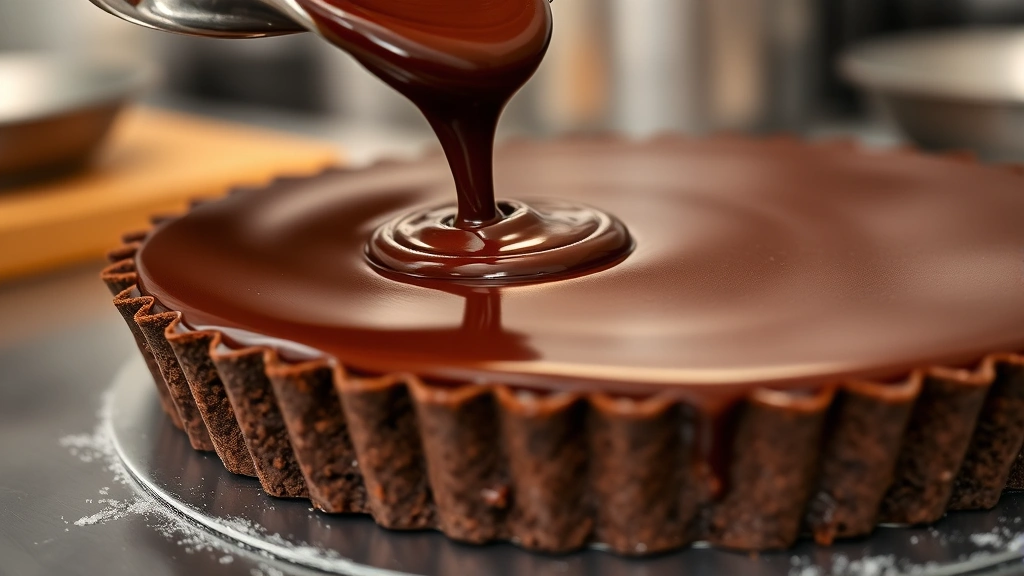
Creating chocolate ganache—the silky filling that defines elegant truffles and tarts—requires understanding emulsification. Ganache is fundamentally an emulsion of chocolate and cream, similar to how mayonnaise emulsifies oil and eggs. The ratio determines consistency: a 1:1 chocolate-to-cream ratio creates a thick ganache for filling tarts; a 2:1 ratio produces the ideal truffle center; a 1:2 ratio creates a pourable glaze. Always heat cream to steaming (not boiling), pour over chopped chocolate, let rest 30 seconds, then stir gently in concentric circles from the center outward. This technique prevents incorporating excess air.
For muddy buddies recipe variations and chocolate-coated confections, understand the difference between coating chocolate and eating chocolate. Couverture chocolate (containing cocoa butter) requires tempering but creates superior texture. Compound coating chocolate (containing vegetable oil instead of cocoa butter) doesn’t require tempering but produces a less refined mouthfeel. For date night, invest in proper couverture.
Professional pastry chefs often incorporate unexpected elements into chocolate desserts. A whisper of chili powder enhances chocolate’s complexity. Coffee amplifies chocolate flavor without tasting like coffee. Miso paste adds umami depth. These additions transform chocolate from familiar to fascinating, creating conversation-starting desserts that demonstrate culinary sophistication.
Consider exploring resources like Chocolate Connoisseur for advanced chocolate techniques and sourcing information. Understanding chocolate’s origin and processing methods can deepen your appreciation and inform your ingredient selections.
Fruit-Forward Sweet Creations
While chocolate dominates date night desserts, fruit-based creations offer sophisticated alternatives that showcase seasonal ingredients. Fresh fruit desserts demonstrate restraint and elegance—qualities that impress more than heavy, overly sweet confections. The key involves respecting the fruit itself rather than masking it.
Maceration—soaking fruit in sugar and sometimes alcohol—concentrates flavors and creates syrup. Strawberries macerated in balsamic vinegar and black pepper become complex and sophisticated. Raspberries combined with chambord create an elegant sauce. The process is simple: combine fruit, sugar, and flavoring agent, then refrigerate for 2-4 hours. The fruit releases its juices, creating a natural syrup while the sugar prevents mushiness. This technique works beautifully for plating alongside whipped cream or vanilla mousse.
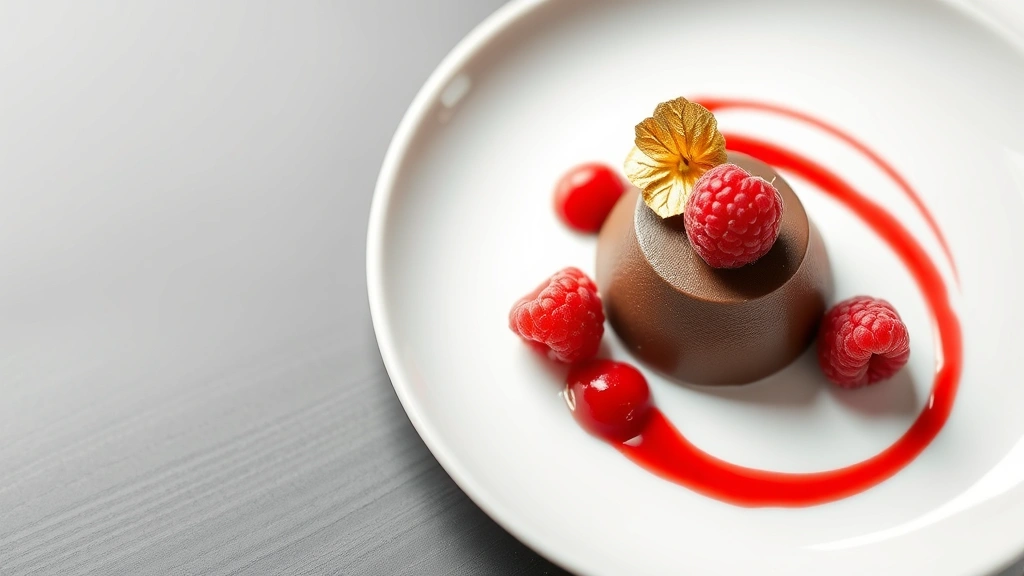
Creating a fruit coulis—a smooth, strained fruit sauce—requires minimal equipment. Combine fresh fruit with sugar and lemon juice, then blend until completely smooth. Strain through fine mesh, pushing solids through while leaving seeds behind. The resulting sauce coats plates beautifully and provides bright flavor and acidity that balances rich components. A raspberry coulis surrounding a dark chocolate mousse creates visual drama while providing palate-cleansing acidity.
Fruit tarts represent classic date night desserts that impress without excessive complexity. Master a basic pâte sucrée (sweet tart dough), and you unlock infinite variations. The dough requires precision: too much water creates toughness, too little prevents it from coming together. The formula is simple: 100g flour, 50g butter, 25g egg yolk, 15g powdered sugar, pinch of salt. Cut cold butter into flour until resembling breadcrumbs, then add remaining ingredients and mix just until combined. Chill, press into your tart pan, blind bake, fill with pastry cream, and top with fresh fruit. A strawberry pie recipe provides excellent foundational knowledge applicable to countless variations.
Understanding the Maillard reaction helps you create caramelized fruit components that add complexity. When fruit sugars reach 300°F (149°C), they undergo caramelization, creating bitter-sweet compounds that deepen flavor. Caramelized pineapple spears, torched stone fruits, or candied citrus peels add textural interest and visual appeal to otherwise simple fruit presentations.
Elegant No-Bake Options
Some of the most impressive date night desserts require no oven, making them perfect for summer entertaining or when you want to avoid heating your kitchen. No-bake desserts often showcase texture contrasts and rely on proper technique rather than baking science, creating opportunities for creativity.
Panna cotta—Italian “cooked cream”—represents the quintessential elegant no-bake dessert. Despite its intimidating name, this silky custard requires only cream, sugar, gelatin, and flavoring. The technique involves blooming gelatin in cold water (allowing the granules to absorb liquid), heating cream with sugar to steaming, removing from heat, and stirring in bloomed gelatin until dissolved. Strain through fine mesh to remove any lumps, add flavoring (vanilla, coffee, liqueur), then pour into serving vessels and refrigerate until set. The result is impossibly silky cream that jiggles slightly when moved—a sign of perfect gelatin ratio. Too much gelatin creates rubbery texture; too little fails to set.
Mousses offer similar elegance through whipped egg whites or cream. A chocolate mousse combines melted chocolate, egg yolks, sugar, and whipped egg whites, creating an airy texture that melts on the tongue. The technique requires understanding how whipped egg whites incorporate air through mechanical action, stabilizing that air through protein denaturation. Fold gently to maintain those precious air bubbles.
Cheesecake variations represent no-bake opportunities that feel indulgent without requiring oven space. A no-bake version uses a simple graham cracker crust pressed into a springform pan, topped with a mixture of softened cream cheese, whipped cream, powdered sugar, and vanilla. Refrigerate until firm, then top with fruit coulis or chocolate ganache. The texture differs slightly from baked versions—less dense, more mousse-like—but equally impressive on a date night plate.
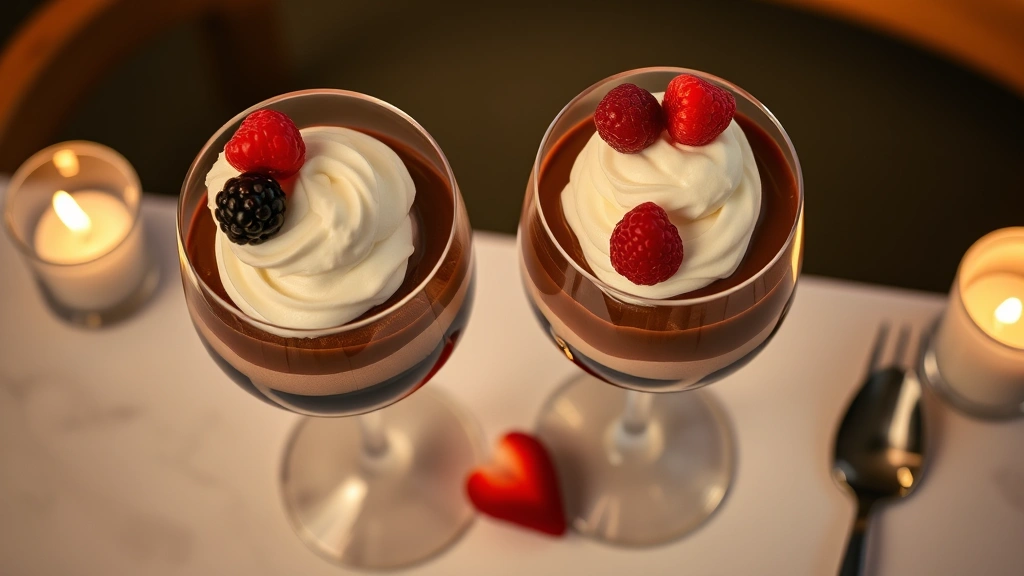
Parfaits and trifles offer opportunities for dramatic layering and visual storytelling. Alternate dark chocolate mousse, fresh raspberries, whipped cream, and crushed amaretti cookies in a wine glass or small bowl. The presentation suggests complexity while the preparation remains straightforward. This approach works beautifully when serving healthy crockpot recipes as the main course—a lighter, more sophisticated dessert provides balance.
Fruit-based no-bake options include granita, a Sicilian frozen dessert made by freezing sweetened fruit juice and stirring periodically to create ice crystals. Prepare a lemon, raspberry, or passion fruit syrup, freeze in a shallow pan, and scrape with a fork every 30 minutes for 3-4 hours. The result is refreshing, elegant, and requires minimal equipment.
Plating and Presentation Techniques
Professional pastry chefs understand that we eat with our eyes first. Identical desserts can taste dramatically different based on presentation. Thoughtful plating transforms homemade treats into restaurant-quality experiences that demonstrate care and sophistication.
Begin with plate selection. White plates provide neutral backgrounds that let your food shine. Slightly warm plates maintain dessert temperature better than cold plates. Asymmetrical arrangement appears more sophisticated than centered plating. Negative space—empty portions of the plate—prevents overcrowding and allows each component to breathe.
Sauce application requires precision. Instead of pouring sauce randomly, use squeeze bottles or spoons to create intentional patterns. A simple swoosh of raspberry coulis across a white plate creates visual interest. Dots arranged in a line suggest intentionality. Sauce pooled under a component adds height and dimension to the overall composition.
Height and dimension transform flat desserts into three-dimensional experiences. A quenelle (an elegant scoop of mousse or cream) provides vertical interest. Stacked components create layers. Leaning elements against each other creates dynamic tension. These techniques require no special equipment—just thoughtful arrangement.
Garnish strategically. Fresh mint leaves, edible flowers, or microgreens add color and visual interest. Candied citrus peels or toasted nuts provide textural contrast. Gold leaf, while sometimes considered excessive, adds luxury when used sparingly. Ensure all garnishes are edible and complement the dessert’s flavors.
Temperature contrast enhances sensory experience. Serve warm chocolate sauce alongside cold vanilla mousse. Pair hot torched meringue with chilled berries. These contrasts create memorable eating experiences that engage multiple senses simultaneously.
Wine Pairing for Sweet Courses
Pairing beverages with desserts elevates date night from pleasant to exceptional. Understanding wine and dessert pairing principles prevents clashing flavors and creates harmonious combinations that enhance both components.
The fundamental rule: dessert wine should be as sweet or sweeter than the dessert itself. A dry wine paired with sweet dessert tastes acidic and unpleasant. Conversely, a very sweet wine paired with a subtle dessert overwhelms the palate. Consider your dessert’s sweetness level when selecting pairings.
Chocolate desserts pair beautifully with port wine, which offers rich berry notes and warming alcohol that complements chocolate’s depth. Tawny port, with its oxidized nutty character, particularly enhances dark chocolate. Moscato d’Asti, with its light fizz and floral notes, provides an unexpected but delightful pairing with milk chocolate.
Fruit-based desserts call for different approaches. A berry tart pairs with Banyuls, a French fortified wine with dark fruit notes that echo the dessert. Citrus-forward desserts complement Sauternes, a Bordeaux wine with tropical notes and honey undertones. Passion fruit creations shine alongside Tokaji, a Hungarian dessert wine with tropical fruit character.
Sparkling options provide refreshing alternatives. Prosecco or Champagne’s acidity cleanses the palate between bites, making these options ideal for rich desserts like chocolate mousse or cheesecake. The bubbles add playfulness appropriate for date night celebrations.
Coffee or tea offer non-alcoholic alternatives that shouldn’t be overlooked. Espresso naturally complements chocolate. Herbal teas like chamomile or lavender pair beautifully with delicate fruit desserts. These options allow you to extend the evening’s experience through beverage selection.
Timing Your Date Night Dessert
Professional event planning requires understanding pacing. Serving dessert immediately after the main course overwhelms the palate. Successful restaurants space courses strategically, allowing palate recovery and appetite rebuilding. Apply these principles to your date night.
Clear main course plates and provide a brief interlude—five to ten minutes—before serving dessert. This pause allows digestion to begin and appetite to reset. Use this time to refresh beverages, clear crumbs from the table, and transition the ambiance from dinner to dessert. Dimming lights slightly, changing music, or lighting candles signals the evening’s next chapter.
Preparation timing ensures you’re not frantically finishing dessert while your date relaxes. Understand which components can be prepared in advance. Ganache, mousses, and no-bake elements often improve with overnight refrigeration. Fruit can be macerated hours ahead. Tart shells can be baked and stored. Identify the minimal components requiring last-minute assembly.
Consider your cooking comfort level when selecting recipes. Attempting a complex technique you’ve never practiced creates stress that guests sense immediately. Instead, choose recipes within your wheelhouse, allowing you to execute confidently and enjoy the experience. You can explore grandma approved dinner recipes for inspiration on recipes with proven results and manageable techniques.
Understanding make-ahead strategies transforms date night cooking from stressful to manageable. Prepare components during the day when you’re unhurried. Plate individual servings during dinner’s main course, covering with plastic wrap and refrigerating until service time. This approach allows you to remain present with your date rather than disappearing into the kitchen for assembly.
Professional pastry chefs leverage King Arthur Baking Company’s learning resources for advanced techniques and troubleshooting guidance. Their detailed instructions and videos help home cooks understand the science behind pastry and dessert preparation, enabling confident execution of complex recipes.
FAQ
What’s the best chocolate to use for date night desserts?
Invest in couverture chocolate with 60-70% cacao content for most applications. This range provides chocolate flavor without excessive bitterness. Look for brands like Ghirardelli, Lindt, or specialty chocolate makers. Avoid chocolate chips, which contain additives that prevent proper tempering. Quality matters because you’re tasting chocolate directly, not using it as a minor component.
Can I prepare desserts completely in advance?
Absolutely. Most desserts improve with overnight refrigeration, allowing flavors to meld and textures to set properly. Prepare everything except final garnishing and sauce application the day before. On date night, simply plate components, add garnishes, and serve. This approach reduces stress and ensures you’re not rushed during the evening.
What if my chocolate seized or my mousse didn’t set?
Seized chocolate (when moisture contacts melted chocolate, causing it to seize into a grainy mass) can sometimes be rescued by adding vegetable oil and stirring gently. A mousse that fails to set likely contains insufficient gelatin or egg whites. For future attempts, verify gelatin ratios and ensure egg whites reach stiff peaks before folding. Don’t hesitate to start over—rushing through fixes often creates bigger problems.
How far in advance can I make fruit components?
Macerated fruit should be prepared no more than 4 hours ahead to prevent mushiness. Fruit coulis can be made 2-3 days in advance and refrigerated. Fresh fruit toppings should be added within 2 hours of serving to maintain crispness and prevent juice from weeping into other components. Plan your timeline accordingly.
What should I know about organic vs non-organic food for desserts?
For desserts, organic matters most with ingredients you taste directly: chocolate, vanilla, and fresh fruit. Organic chocolate often contains fewer additives and higher quality cacao. Organic berries taste noticeably fresher than conventional varieties. However, organic butter versus conventional matters less in baked goods where it’s one component among many. Prioritize your budget toward ingredients that create the most perceptible difference.
Can I make date night desserts without special equipment?
Absolutely. While a stand mixer helps whip egg whites and cream, hand whisking works fine—it simply requires more elbow grease. A thermometer for chocolate tempering is helpful but not essential if you use the tabling method. Most professional techniques require only basic kitchen tools: mixing bowls, spatulas, spoons, and strainers. Focus on technique rather than equipment.
What’s the ideal serving temperature for different desserts?
Chocolate mousse tastes best at 55°F (13°C)—cold but not ice-cold. Panna cotta should be served at 50-52°F (10-11°C). Fruit tarts taste better slightly above refrigerator temperature, around 55-60°F (13-16°C). Warm desserts like chocolate lava cake should reach the table at 160-170°F (71-77°C). Temperature dramatically affects flavor perception, so plan service accordingly.


